
Hear from Our Customers
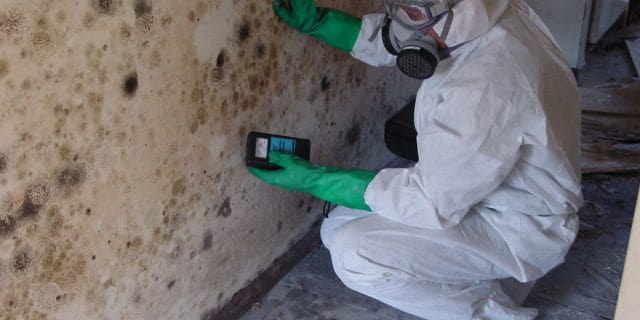
Most mold problems on Centre Island aren’t a one-time event. They’re the result of years of coastal humidity pressing in from Cold Spring Harbor, Oyster Bay Harbor, and Long Island Sound — all at once, from three directions. When salt air meets an older foundation, a crawl space without a vapor barrier, or a roofline that’s been through a few nor’easters, moisture finds its way in. And once it does, it doesn’t leave on its own.
When mold remediation is done right — meaning the contamination is removed and the moisture source is identified and addressed — what you get back is a home that isn’t quietly deteriorating behind the walls. No more musty smell in the crawl space. No more wondering what’s growing under the original hardwood floors. No more anxiety every time it rains hard off the Sound.
For a property on this peninsula, that outcome matters beyond comfort. A mold problem that surfaces during a real estate transaction can reduce a home’s value by 20 to 37 percent. On a Centre Island waterfront estate, that’s not a minor hit. Getting it handled correctly, with written lab results and a post-remediation clearance report, protects the investment you’ve made here — and gives you documentation that holds up with an insurance adjuster or a buyer’s attorney.
We’ve been working in Nassau County for nearly 30 years, with deep roots in North Shore communities like Centre Island, waterfront properties, and older estate homes — the kind of construction that requires more than a surface-level walkthrough to assess properly. We know what coastal peninsula conditions do to a home over time, and we come equipped to handle it.
Every technician on our staff holds individual IICRC certification — not just the company. That distinction matters because whoever walks through your door on Centre Island Road has personally completed the training, not just worked for a company that has a plaque on the wall. Our trucks arrive stocked with air movers, dehumidifiers, moisture monitors, and infrared imaging equipment, ready to start the moment we arrive.
We also carry the Nassau County Environmental Hazard Remediation contractor license and operate in full compliance with New York State’s Article 32 Mold Law — which means the assessment and remediation are handled as separate, independent processes. That’s the law, and it’s also how it should work.
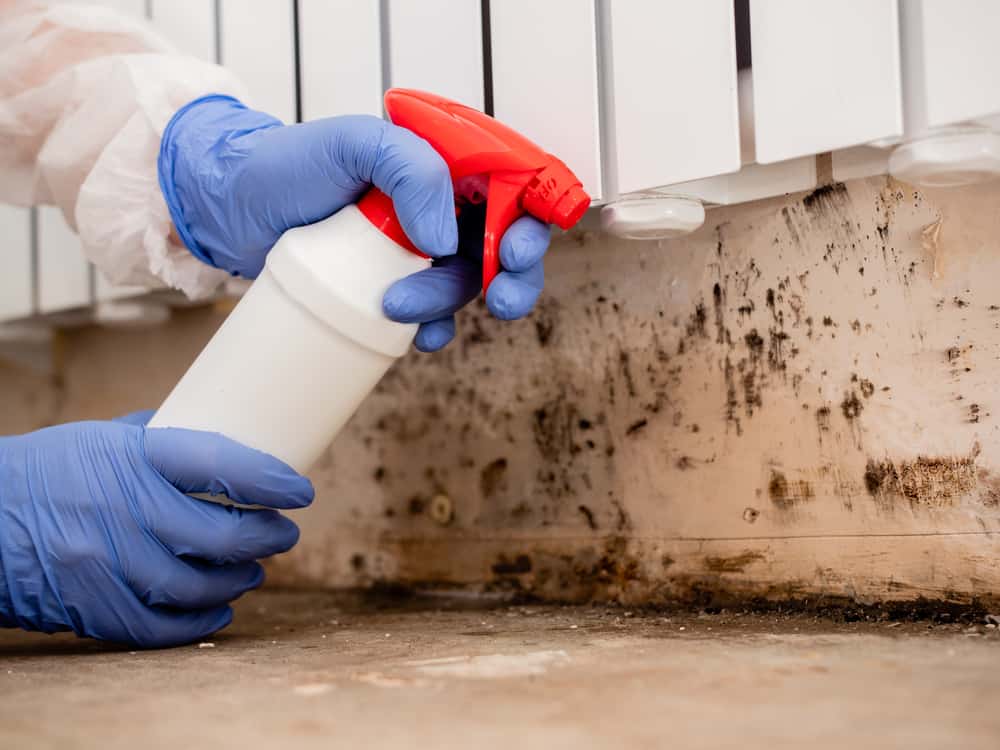
We start with a 13-point mold inspection — not a visual walk-through and a verbal opinion. The inspection includes air testing, swab sampling, infrared imaging to detect moisture and mold behind walls and under floors, moisture level measurement, and a comparison of internal and external mold particle counts. Written lab results come back within two to three business days. That report is yours to keep, share with your insurance carrier, or present in a real estate transaction.
Once the scope is confirmed, remediation begins with full containment of the affected area to prevent cross-contamination to the rest of your home. Contaminated materials — drywall, insulation, structural components — are removed and disposed of properly. We address the underlying moisture source, because cleaning the surface without fixing what caused it is how mold comes back six months later. In a home sitting on a tidal peninsula like Centre Island, that step isn’t optional.
After remediation, we perform clearance testing to confirm the work is complete before anything is rebuilt or closed up. If structural repairs or reconstruction are needed, we handle that too — same company, same accountability, start to finish. Under New York State’s Article 32, the assessment and remediation are performed as separate processes, which is exactly how it should be done and how we operate.
Ready to get started?
Mold remediation and mold removal aren’t the same thing. Removal is surface-level. Remediation means bringing the mold levels in your home back to a normal, safe range — and doing it in a way that doesn’t leave the conditions in place for it to come back. For Centre Island homes, where groundwater proximity, crawl space exposure, and decades-old building materials are common factors, the difference between the two is significant.
Our inspection scope covers air quality testing, swab sampling, infrared imaging, moisture mapping, and a written report with lab results. Remediation includes full containment, removal of contaminated materials, treatment of affected surfaces, moisture source correction, and post-remediation clearance testing. Crawl space mold remediation, attic mold remediation, and basement mold remediation are all within scope — and given the age and structure of many homes on this peninsula, those spaces are often exactly where the problem originates.
If the remediation requires removing and replacing structural materials — which is common in older Gold Coast–era construction with original plaster walls, wood framing, or historic finishes — we can carry the project through full reconstruction. You won’t be handed off to a separate contractor mid-job. Nassau County’s licensing requirements are met in full, and every step is documented so you have a clear record of what was done and what the post-remediation conditions confirmed.
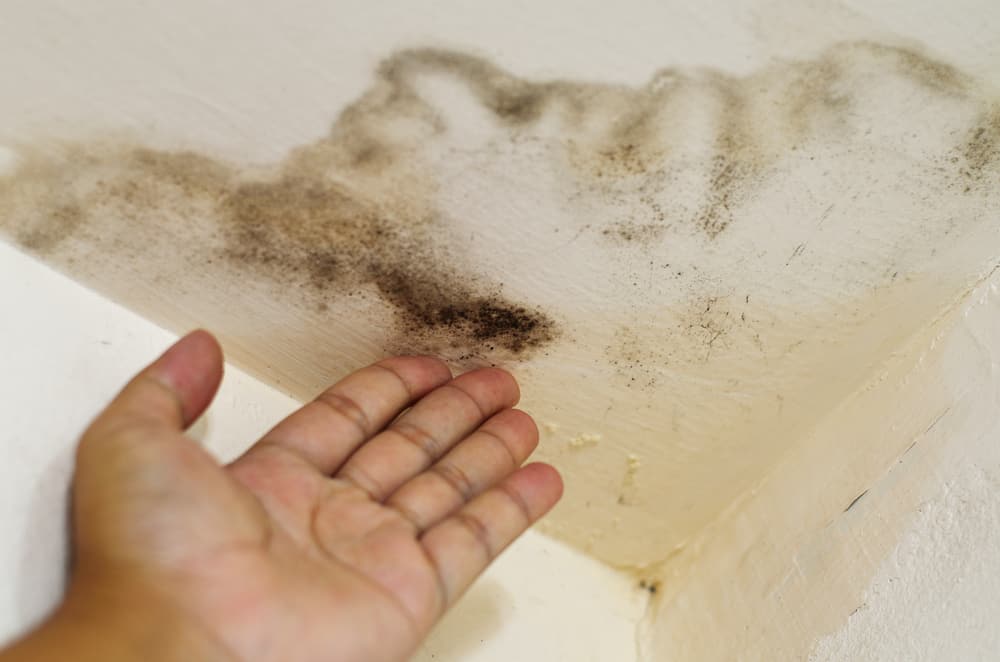
No — and that’s actually the law in New York State. Under Article 32 of the NYS Labor Law, which went into effect in January 2016, the company that performs your mold assessment cannot be the same company that performs the remediation on the same property. The law exists because the industry had a well-documented problem: companies were inflating or fabricating mold findings during “free inspections” to sell their own remediation services. The separation requirement removes that conflict of interest.
What this means for you as a Centre Island homeowner is that your assessment and your remediation must come from two independently operating entities. We structure our inspection and remediation services in full compliance with Article 32. When you call, we’ll walk you through how the process works under New York State law so there’s no confusion about what comes next or who does what.
The honest answer is that it depends on the scope — and in Centre Island, scope can vary significantly. The national average for mold remediation sits around $2,300 for a contained, single-area problem. Whole-home remediation typically runs between $10,000 and $30,000. For large estate properties with complex architecture, crawl spaces, attic areas, or long-standing moisture issues, costs can reach $50,000 to $60,000.
On Centre Island specifically, several factors tend to push remediation toward the more involved end of the spectrum: the age of the housing stock, the prevalence of crawl spaces in older estate construction, the proximity to tidal water on three sides of the peninsula, and the potential for mold to have established itself in multiple areas before it’s discovered. The best way to get an accurate number is through a proper inspection with air testing and moisture mapping — not an estimate based on square footage alone. We provide written lab results within two to three business days of the inspection so you have a documented basis for whatever comes next.
Crawl spaces are the most common location, by a significant margin. Centre Island’s peninsula geography means groundwater sits close to the surface across the entire village, and crawl spaces in older estate homes — particularly those built before modern vapor barriers became standard — sit directly above that moisture. Without adequate ventilation or a proper vapor barrier, those spaces stay damp year-round and create ideal conditions for persistent mold growth.
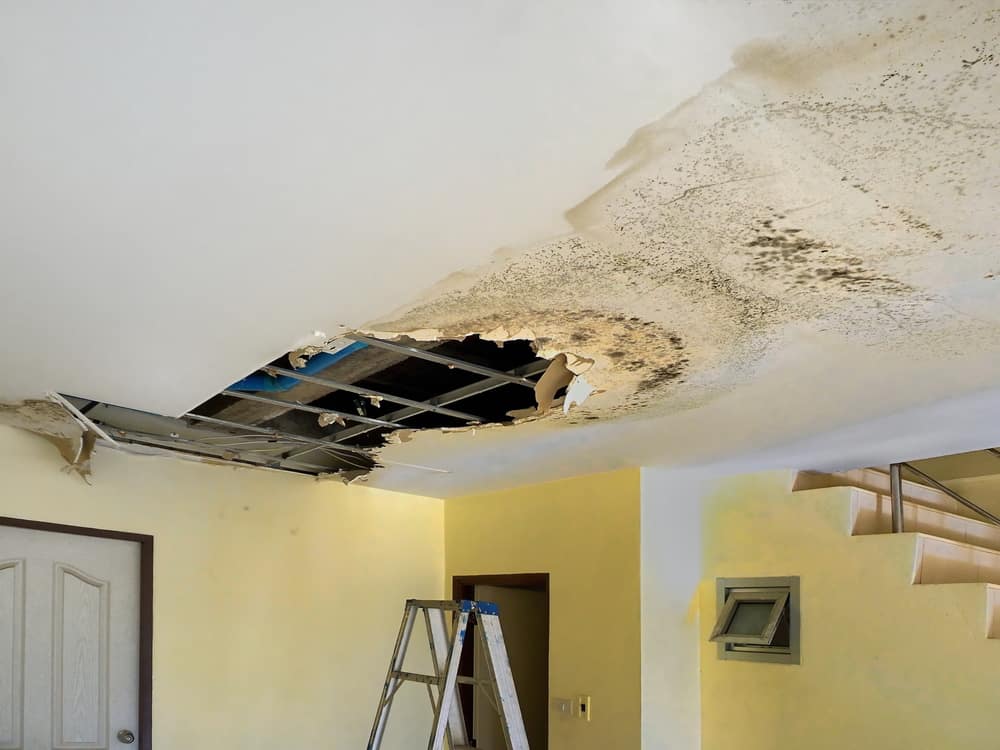
Attics are the second most common location. Older homes with complex rooflines, which are typical of the colonial and estate architectural styles prevalent on Centre Island, often have inadequate attic ventilation. When warm, humid air from Long Island Sound rises into those spaces and meets cooler roof sheathing, condensation forms — and mold follows. Wall cavities behind original plaster, under historic hardwood floors, and in basement areas adjacent to older poured concrete or fieldstone foundations are also frequent problem areas. Infrared imaging during the inspection is often what reveals these hidden locations before they become a much larger remediation project.
It can — but only if the moisture source wasn’t addressed. That’s the critical distinction between a remediation that holds and one that doesn’t. Removing the visible mold without correcting what allowed it to grow is essentially a temporary fix. On a property surrounded by tidal water, where humidity runs above 70 percent during summer months and salt air accelerates the breakdown of building materials, the moisture pressure on your home is constant and multi-directional.
A properly executed remediation identifies and corrects the moisture intrusion pathway — whether that’s a crawl space without a vapor barrier, a foundation wall allowing groundwater infiltration, inadequate attic ventilation, or a compromised roof seal. Post-remediation clearance testing then confirms that mold levels have returned to a normal range before anything is closed up or rebuilt. If those steps are skipped, recurrence is likely. If they’re done correctly, remediation holds — even in a coastal environment like Centre Island’s.
It depends on the cause of the mold and the specific terms of your policy — and the answer is more complicated for Centre Island homeowners than for most. Standard homeowners insurance policies typically cover mold remediation when it results directly from a covered peril, such as a burst pipe or sudden water damage. Mold that developed gradually from long-term moisture infiltration is usually excluded.
For waterfront properties on Centre Island that experienced storm surge flooding — 41 properties were directly impacted by Hurricane Sandy in 2012 — the relevant coverage may fall under a separate flood insurance policy rather than standard homeowners coverage. Flood insurance and homeowners insurance have different claim processes, different exclusions, and different documentation requirements. We provide written inspection reports, lab results, and post-remediation clearance documentation, which is exactly what an insurance adjuster or claims processor will ask for when evaluating a mold-related claim. Having that paper trail from a licensed Nassau County contractor makes the process significantly more straightforward.
Nassau County requires restoration companies performing mold remediation to hold the county’s Environmental Hazard Remediation contractor license, which is mandated under the Nassau County Fire Prevention Ordinance. This is a county-specific requirement that goes beyond New York State licensing, and not every company operating in the area holds it. It’s a straightforward question to ask before you hire anyone: do you hold the Nassau County Environmental Hazard Remediation contractor license?
Beyond county licensing, New York State requires individual mold assessors and remediators to be licensed under Article 32 of the NYS Labor Law. You can verify a company’s state license through the New York State Department of Labor’s online license lookup. For Centre Island homeowners managing high-value properties, working with an unlicensed contractor isn’t just a legal risk — it’s a financial one. If remediation is performed by an unlicensed operator and a problem surfaces later during a sale or insurance claim, the lack of licensed documentation can create serious complications. We hold the required Nassau County license and operate in full compliance with state law, and we can confirm both in writing.
Useful Links
Other Services we provide in Centre Island