
Hear from Our Customers
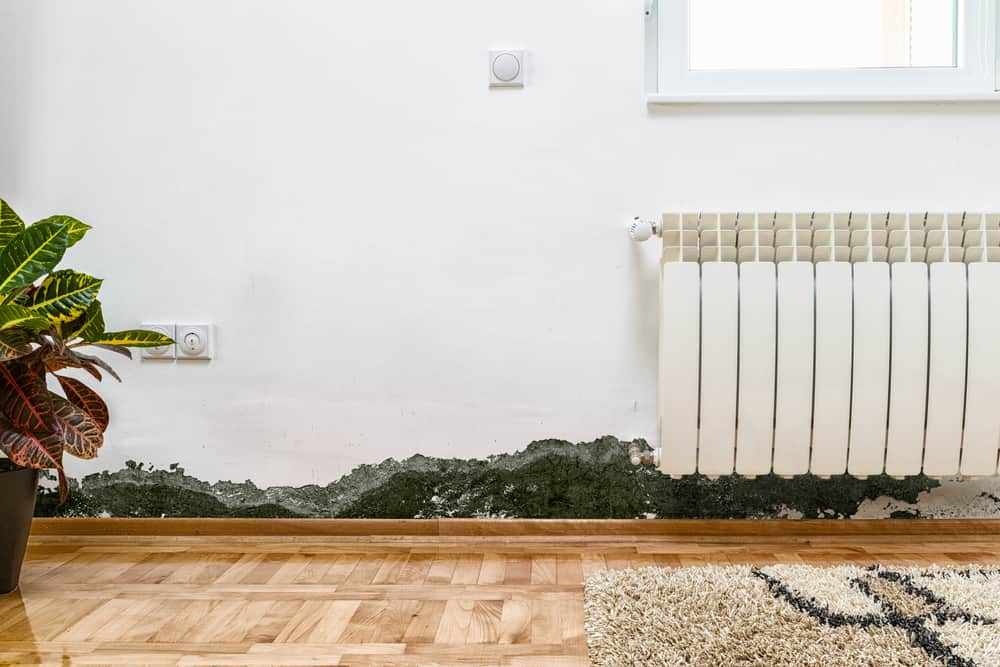
Most mold problems in Floral Park don’t start with a dramatic flood. They start slowly — a basement that gets damp whenever it rains hard, a crawl space that never fully dries out, an attic that holds heat and humidity all summer long. By the time you smell something or see a spot on the wall, the growth behind the surface has usually been there for a while.
Floral Park’s clay-heavy soil is a big part of why this happens. Clay doesn’t drain — it holds water against your foundation and creates the kind of slow, persistent moisture that older homes weren’t built to handle. A home on Tulip Avenue or Violet Road that’s been standing since the 1940s or 1950s has decades of settlement, aging plaster walls, and a foundation that’s been fighting that soil every wet season. That’s not a defect — it’s just the reality of living in a dense, older village where the ground works against you.
When we complete mold remediation the right way, you get more than a clean surface. You get documentation — lab results, inspection reports, photographs — that holds up for insurance claims, real estate transactions, and your own peace of mind. You get a home that’s safer to breathe in, a moisture problem that’s been addressed at the source, and a clear record that the work was completed by licensed professionals operating under New York State Article 32.
First Response Restoration and Cleaning Inc. has been working in Nassau County homes, including throughout Floral Park, for close to three decades. That’s not a marketing number — it means the technicians who show up at your door have seen the inside of homes just like yours: pre-war construction, plaster ceilings, unfinished basements dealing with groundwater, attics that collect moisture from aging HVAC systems. We know what to look for in western Nassau County, and we know what a real inspection requires.
Every technician we employ holds individual IICRC certification — not a company-level credential that covers whoever happens to show up, but a personal certification that each person on our team has earned. We also operate in full compliance with New York State Article 32, which governs mold licensing across Nassau County and prohibits the same company from both assessing and remediating mold on the same property. That law exists to protect you, and working with a company that follows it — and can explain it clearly — matters.
When the remediation is done, we don’t hand you off to a separate contractor to rebuild. We handle reconstruction too, which means your Floral Park home gets put back together by the same team that took it apart.

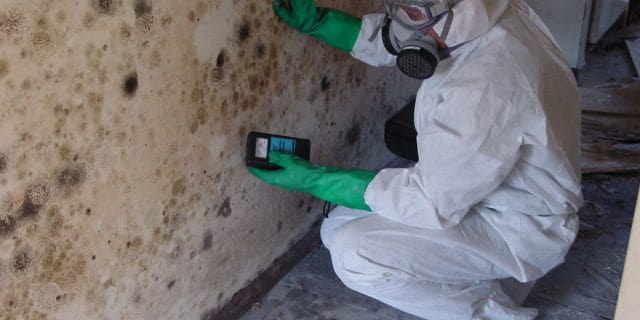
It starts with a 13-point mold inspection. That means air testing, surface swab sampling, moisture level readings, infrared imaging to detect hidden growth behind walls and ceilings, and a full photographic record. In older Floral Park homes — particularly those with plaster walls or finished basements — hidden mold is common, and a flashlight-and-visual inspection misses it consistently. Lab results come back within two to three business days, and you receive a written report that documents exactly what was found and where.
Once the scope is clear, remediation begins with containment. We isolate affected areas to prevent spores from spreading to clean parts of your home. Air scrubbers with HEPA filtration run continuously throughout the process. Building materials that can’t be saved — drywall, insulation, sections of plaster — are removed and disposed of properly. Because Nassau County is covered under New York State Article 32, the assessment and remediation functions are handled separately, as the law requires.
After remediation, we conduct clearance testing to confirm the space meets safe standards before anything is closed back up. Then, if reconstruction is needed — new drywall, replaced insulation, restored ceilings — we handle that too. You don’t need to find a separate contractor or manage a second timeline. The job is finished when your home is back to the way it should be, not just when the mold is gone.
Ready to get started?
Mold remediation in Floral Park covers more ground than most homeowners expect — because the conditions here demand it. The 13-point inspection alone addresses what a basic visual walkthrough never could: air quality sampling, moisture mapping, infrared detection, internal and external mold particle comparison, and written lab analysis. That documentation isn’t just for your records — it’s what your insurance carrier needs, what a buyer’s home inspector will ask about, and what protects you if the issue ever comes up again.
For homes dealing with basement mold, crawl space mold, or attic mold — all of which are common in Floral Park’s older housing stock — we build the remediation scope around the specific conditions driving growth in that space. Basement mold remediation in Floral Park often involves addressing the hydrostatic pressure that clay soil creates against foundation walls. Attic mold remediation frequently connects to inadequate ventilation in homes where the original roof structure wasn’t designed for modern insulation levels or summer humidity. Crawl space mold remediation requires moisture barrier work that accounts for the high water table that affects much of western Nassau County.
We offer emergency mold remediation 24/7. Every truck arrives fully equipped — air movers, dehumidifiers, moisture monitors, detection equipment — because a second dispatch wastes time you don’t have when mold can spread within 48 hours of a water event. We handle insurance coordination as part of the process, so you’re not navigating a claims conversation alone while also managing a disrupted home.
No — and this is one of the most important things to understand before you hire anyone. New York State’s Article 32 mold law, which covers Nassau County explicitly, prohibits the same company or individual from performing both mold assessment and mold remediation on the same property. The law was put in place specifically because the conflict of interest is obvious: a company that profits from remediation has every reason to find mold that justifies an expensive job.
What this means practically is that your mold assessment needs to be conducted by a licensed mold assessor, and your remediation needs to be handled by a separately licensed mold remediator. We operate in full compliance with this law and will walk you through exactly how the process works before any work begins. If a company offers you a free inspection and then immediately quotes you a remediation job, that’s a red flag worth taking seriously — and it may not be legal under New York State law.
The honest answer is that it depends on the size of the affected area and what’s behind the surface. Nationally, the average mold remediation cost runs around $2,300, but jobs involving finished basements, plaster walls, or attic spaces in older homes can reach $5,000 to $15,000 or more depending on how far the growth has spread and how much building material needs to come out.
In Floral Park specifically, the age of the housing stock matters. Homes built in the 1920s through 1950s often have plaster walls, original insulation, and unfinished basement areas that have been managing moisture for decades. When mold has been growing slowly behind a plaster ceiling or inside a wall cavity, the remediation scope is larger than what a surface-level problem would require. The only way to get an accurate number is through a proper inspection with lab analysis — not a quick visual estimate. That’s what the 13-point inspection is for, and the written report you receive afterward gives you a documented basis for your insurance claim if coverage applies.
Because cleaning the surface doesn’t fix what’s driving the growth. In Floral Park, the most common reason basement mold returns is that the moisture source — usually hydrostatic pressure from clay soil pushing water against the foundation — was never addressed. You can wipe down a wall, apply a mold-killing product, and repaint, and within one wet season it will be back. The soil isn’t going anywhere, and neither is the water table that sits beneath much of western Nassau County.
Real mold remediation identifies the moisture source first. That means moisture mapping, infrared imaging to find where water is entering, and a clear understanding of whether the problem is surface condensation, groundwater intrusion, a plumbing leak, or inadequate ventilation. Once the source is identified and addressed — whether that involves drainage improvements, vapor barriers, or ventilation corrections — the remediation work holds. Without that step, you’re treating a symptom and leaving the cause in place.
It depends on the location and scale of the affected area. For smaller, contained jobs — a section of a basement wall or a single bathroom — staying in the home is often possible as long as proper containment is in place and the HVAC system is isolated from the work area. For larger jobs involving significant mold growth in living spaces, attic areas above occupied rooms, or widespread air contamination, temporarily relocating is the safer choice, particularly for anyone in the household with asthma, respiratory conditions, or mold sensitivities.
Floral Park’s dense housing stock means that in many homes, the basement or attic is directly adjacent to living spaces — there’s less buffer between the affected area and where your family spends time. During the inspection and before remediation begins, you’ll get a clear picture of the scope and a straightforward recommendation on whether staying or leaving makes sense for your specific situation. That’s not a decision that should be made on a general rule — it should be based on what’s actually happening in your home.
For a contained area — say, a section of basement wall or a small attic space — remediation typically takes one to three days. Larger jobs involving multiple rooms, finished basement spaces, or significant building material removal can run five to seven days or longer, and that timeline extends further if reconstruction is needed after the remediation is complete.
Older homes in Nassau County, including the pre-war and postwar construction common throughout Floral Park, tend to add time to the process. Plaster walls take longer to assess and remove carefully than modern drywall. Original insulation materials require specific handling. And because the moisture conditions in these homes are often more complex — clay soil, aging foundations, older ventilation systems — the inspection phase itself is more thorough. The 13-point inspection with lab results takes two to three business days to return a complete report, and that report drives the remediation plan. Rushing that step to save time on the front end almost always costs more time on the back end.
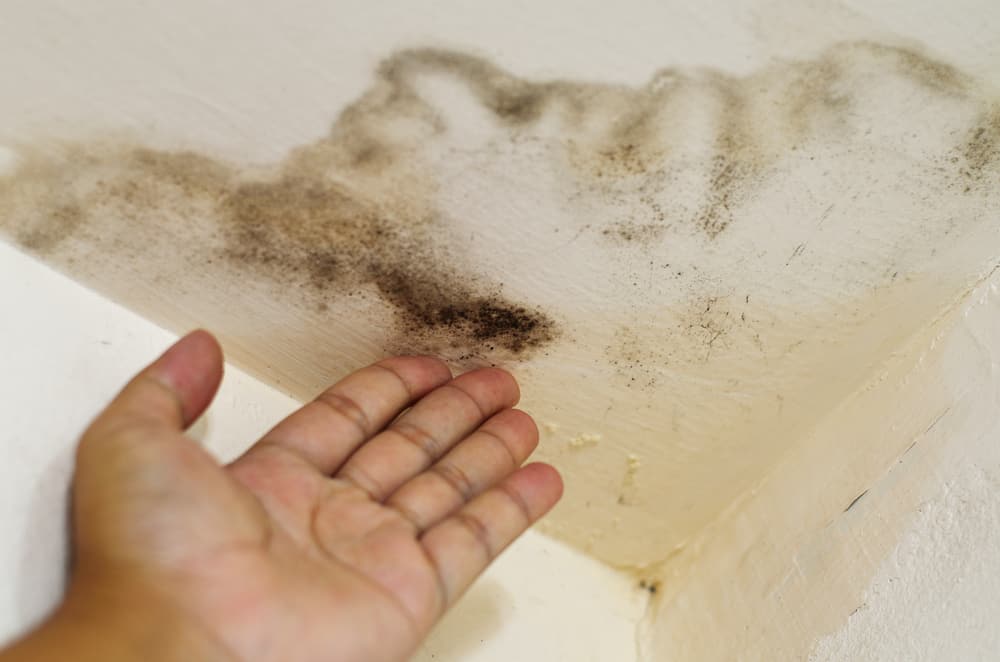
The most obvious signs — visible black or green spots, a persistent musty smell — are actually the later indicators. By the time you can see or smell mold clearly, it’s usually been growing behind a surface for a while. In Floral Park’s older homes, the early signs tend to be subtler: paint or wallpaper that bubbles or peels without an obvious cause, plaster that feels soft or shows hairline cracks along the base of a wall, a basement that smells different after it rains heavily, or a recurring allergy or respiratory issue in one family member that clears up when they’re out of the house.
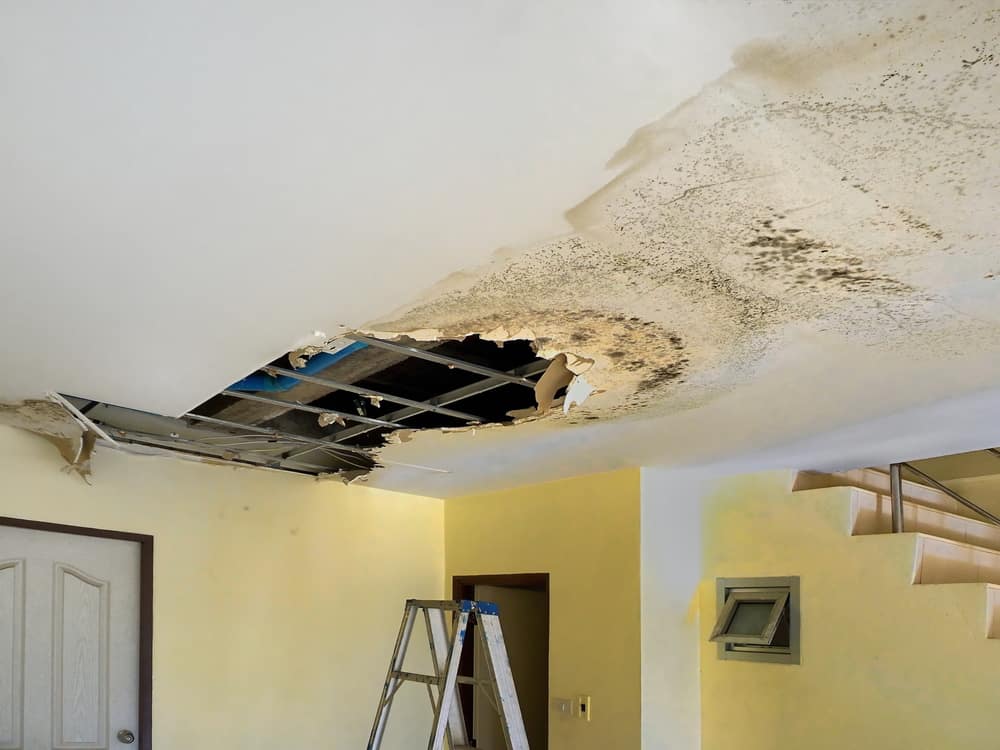
Attic mold in particular is easy to miss because most homeowners don’t go up there regularly. In homes throughout Floral Park where the original roof structure wasn’t designed for modern insulation levels, summer heat and humidity create the exact conditions mold needs — and the only way to know it’s there is to look. The same is true for crawl spaces and the areas behind finished basement walls. A proper inspection with infrared imaging finds what a visual check cannot, and in a home worth $800,000 or more, that’s not an optional step — it’s the only responsible one.
Useful Links
Other Services we provide in Floral Park