
Mold Remediation in Freeport, NY
When Freeport's Canals Come Inside, Mold Follows Fast
Hear from Our Customers
Certified Mold Remediation in Nassau County
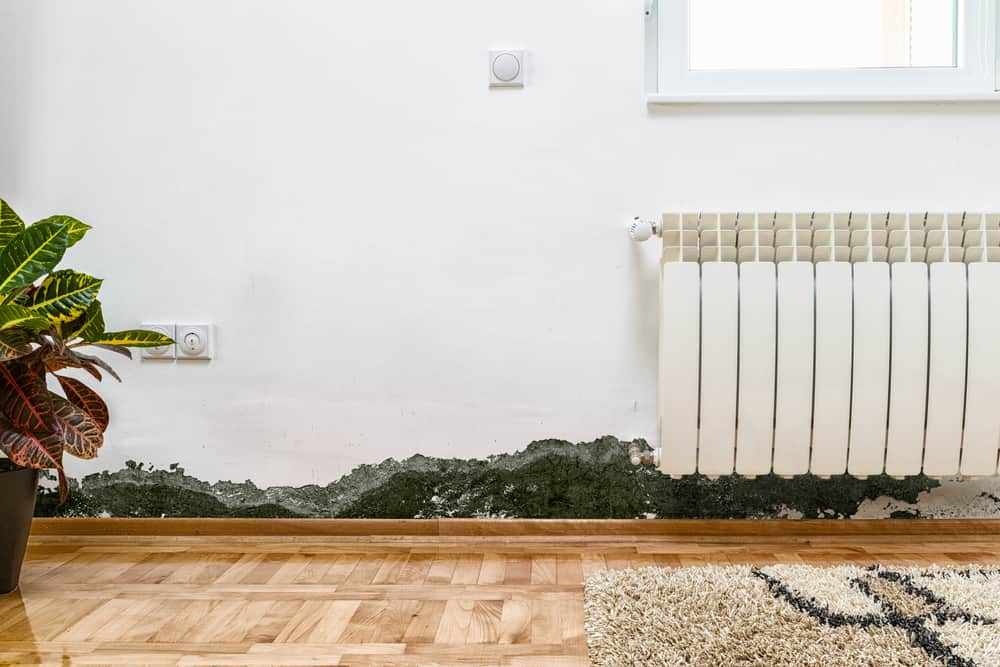
Most mold problems in Freeport don’t start with a leak you saw coming. They start with water that crept in quietly through a foundation that’s been absorbing South Shore groundwater for 60 years, through a crawl space with no vapor barrier, or through a basement wall that took on saltwater during Sandy and never fully dried out. Surface treatment buys you a few months. Fixing the source buys you peace of mind.
When mold remediation is done correctly, the air in your Freeport home changes. That musty smell that’s been living in the basement since the last big storm gone. The visible growth behind the drywall, in the attic, along the crawl space joists addressed, documented, and cleared by lab-verified testing. Your family isn’t breathing contaminated air anymore, and you have written proof of that.
For Freeport homeowners with properties in the FEMA flood zone and there are roughly 3,200 of them this documentation matters beyond just health. It matters for insurance claims, for real estate transactions, and for the next time a buyer’s inspector walks through your home. Mold that gets properly remediated and documented doesn’t follow you. Mold that gets painted over does.
Mold Remediation Companies Serving Freeport, NY
First Response Restoration and Cleaning Inc. has been serving Nassau and Suffolk County homeowners for close to three decades. We were here before Sandy hit the Nautical Mile, during the cleanup that followed, and in the years after when secondary mold events started showing up in Freeport homes that thought they were done with it. This is not a national brand with a Freeport zip code on its website. We’re a Long Island company with local phone lines, local technicians, and local accountability.
Every technician who walks into your Freeport home is individually IICRC-certified under the ANSI/IICRC S520 mold remediation standard not just our company as a whole, but every person on the crew. That distinction matters when you’re trying to figure out who actually knows what they’re doing versus who just says they do.
Our trucks arrive fully equipped air movers, dehumidifiers, moisture monitors, infrared detection equipment so the work starts on day one. And when remediation is complete, we handle the reconstruction too. You don’t have to find a second contractor to put your walls back together.
Professional Mold Remediation Process in Freeport
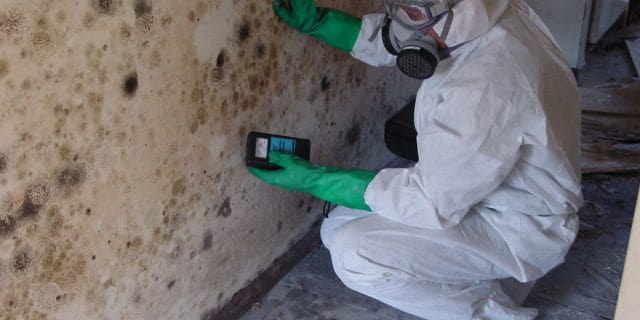
It starts with a 13-point inspection not a walkthrough with a flashlight and a verbal opinion. Air samples are collected, swab samples are taken from suspect surfaces, and infrared technology is used to detect moisture and mold behind walls and under flooring where the eye can’t reach. Internal and external mold particle counts are compared to establish a baseline. Moisture levels are measured throughout the affected areas. Within two to three business days, you receive written lab results real documentation, not a handshake estimate.
From there, the remediation plan is built around what the inspection actually found. In Freeport, that often means addressing moisture intrusion at the source before any surface work begins whether that’s a cracked foundation along a canal-adjacent property, a failed sump pump in a South Freeport basement, or an attic with inadequate ventilation that’s been trapping coastal humidity all summer. Treating mold without fixing the moisture source is how it comes back.
New York State’s 2016 mold law requires that the company performing your assessment cannot be the same company performing your remediation on the same property a consumer protection rule that exists specifically because the inspection-to-sale pipeline was being abused. We operate in full compliance, and we’ll walk you through how that process works so you’re never in the dark. Once remediation is complete, clearance testing confirms the work is done before reconstruction begins.
Ready to get started?
Basement and Crawl Space Mold Remediation Freeport
Freeport’s housing stock is mostly mid-century construction capes, ranches, and colonials built between the 1940s and 1970s. These homes are now 50 to 80 years old, and they come with the mold risk profile that age creates: original wood framing that’s absorbed decades of humidity cycles, crawl spaces with no vapor barrier, basements with block foundations that weren’t built to keep out the kind of storm surge Freeport has seen, and attics that bake in summer heat while coastal humidity pushes moisture up from below.
Basement mold remediation in Freeport almost always involves more than just the visible growth. Saltwater intrusion from events like Sandy leaves residual moisture in porous materials for years. Crawl space mold remediation in these older homes typically requires vapor barrier installation and ventilation correction in addition to the mold work itself otherwise you’re back to the same conditions within a season. Attic mold remediation tends to peak in summer, when South Shore humidity and inadequate attic ventilation create the warm, moist environment mold needs to spread fast.
Black mold remediation Stachybotrys, the strain most associated with prolonged water damage is a specific concern in flood-zone homes that experienced extended saturation. We address all mold types using containment, HEPA filtration, and EPA-registered antimicrobial treatment, followed by clearance testing before any reconstruction begins. From mold cleanup and remediation through full rebuild, we handle the entire job.
Why does mold keep coming back in my Freeport home after treatment?
This is one of the most common frustrations we hear from Freeport homeowners especially those who had mold treated after Sandy and watched it return within a year or two. The reason is almost always the same: the moisture source wasn’t fixed before the mold was treated. Mold is a symptom. Water intrusion is the problem.
In Freeport specifically, that moisture source is often structural a foundation that’s been taking on groundwater for decades, a crawl space with no vapor barrier sitting in a high-water-table area near the canals, or an attic that’s been trapping coastal humidity every summer without adequate ventilation. Treating the visible mold without correcting those conditions is a temporary fix at best. A proper remediation process starts by identifying and addressing the moisture source first, then removing the contaminated material, treating the surfaces, and confirming clearance with post-remediation testing. That sequence is what separates a real fix from a paint-over.
How much does mold remediation cost in Freeport, NY?
Mold remediation cost in Freeport, NY varies depending on the size of the affected area, the type of mold present, and how deeply the moisture has penetrated the building materials. A localized mold problem say, a section of basement wall or a small attic area typically falls in the range of $1,500 to $3,500. Larger or more complex jobs, particularly in canal-adjacent properties or homes with extensive post-flood damage, can run higher when structural materials need to come out and reconstruction is involved.
What affects cost most in Freeport is the age of the home and the history of water intrusion. Older homes with block foundations, uninsulated crawl spaces, and decades of humidity exposure often have mold that has spread further than it appears on the surface which is exactly why a thorough 13-point inspection with lab results matters before any pricing conversation happens. A company that quotes you a number before they’ve tested the air and checked behind the walls is guessing. You deserve a number based on what’s actually there.
What is the difference between mold remediation and mold removal?
Mold removal implies you’re taking the mold away scrubbing it off, wiping it down, maybe applying a surface treatment. Mold remediation means you’re bringing the mold levels back to a normal, safe baseline and addressing the conditions that allowed it to grow in the first place. That’s a meaningful difference, especially in a place like Freeport where the environmental conditions that feed mold humidity, groundwater, tidal flooding don’t go away on their own.
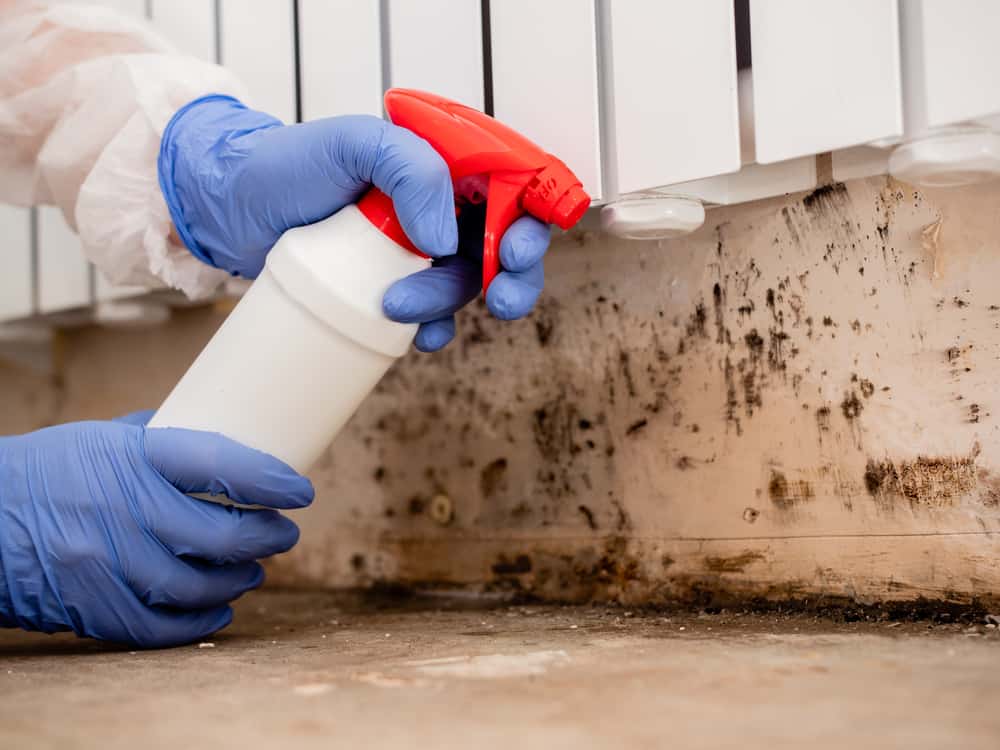
Professional mold remediation involves containment to prevent spores from spreading during the work, HEPA filtration of the air, removal of contaminated materials that can’t be cleaned, antimicrobial treatment of affected surfaces, and clearance testing after the job is complete. Mold removal, in the way the term is often used, typically stops at the surface. If you’re in a flood-zone home that has seen repeated water intrusion, surface-level treatment is not going to hold. Remediation done to the IICRC S520 standard is what actually resolves the problem.
Is mold in my Freeport home covered by homeowners insurance?
It depends on the cause, and this is where things get complicated for Freeport homeowners who may be carrying both a standard homeowners policy and a separate NFIP flood insurance policy. Standard homeowners insurance typically covers mold that results from a sudden, accidental event a burst pipe, an appliance leak but often excludes mold that developed from long-term moisture intrusion or flooding. Flood insurance through NFIP covers flood-related damage but has its own limitations on mold coverage depending on how quickly remediation was initiated after the event.
The documentation you have matters enormously in these conversations with your adjuster. Written lab results, photographic evidence of the affected areas, and a detailed scope of work from a certified remediation company are what move an insurance claim forward. We assist Freeport homeowners with this documentation process not because it’s a bonus service, but because it’s a practical part of getting the job done right in a community where insurance claims are a routine part of storm recovery.
Can I stay in my house during mold remediation in Freeport?
In most cases, yes but it depends on where the mold is located, how extensive the contamination is, and whether the work requires containment that affects common living areas. For a localized basement or crawl space job, most Freeport homeowners stay in the home without issue. The affected area is sealed off with physical containment barriers, negative air pressure is maintained to prevent spores from migrating to other parts of the house, and HEPA air filtration runs continuously during the work.
Where temporary relocation becomes a serious conversation is when mold is found in HVAC systems, throughout multiple rooms, or in areas that can’t be adequately contained from living spaces particularly in the smaller cape cods and ranches that make up a large portion of Freeport’s housing stock, where square footage is limited and rooms share air easily. Your remediation team should walk you through this assessment before work begins, not after. If displacement is necessary, that information should be part of your insurance claim documentation.
How do I know if I need emergency mold remediation after a Freeport flooding event?
The 24 to 48 hour window is real. Once water enters a home and saturates porous materials drywall, insulation, wood framing, carpet mold can begin to colonize within one to two days under the right temperature and humidity conditions. Freeport’s South Shore summers, where ambient humidity regularly exceeds 60%, make that window shorter, not longer. If water entered your home during a tidal event, a nor’easter, or a storm surge and you did not have the structure dried out professionally within that window, mold growth is a reasonable assumption not a worst-case scenario.
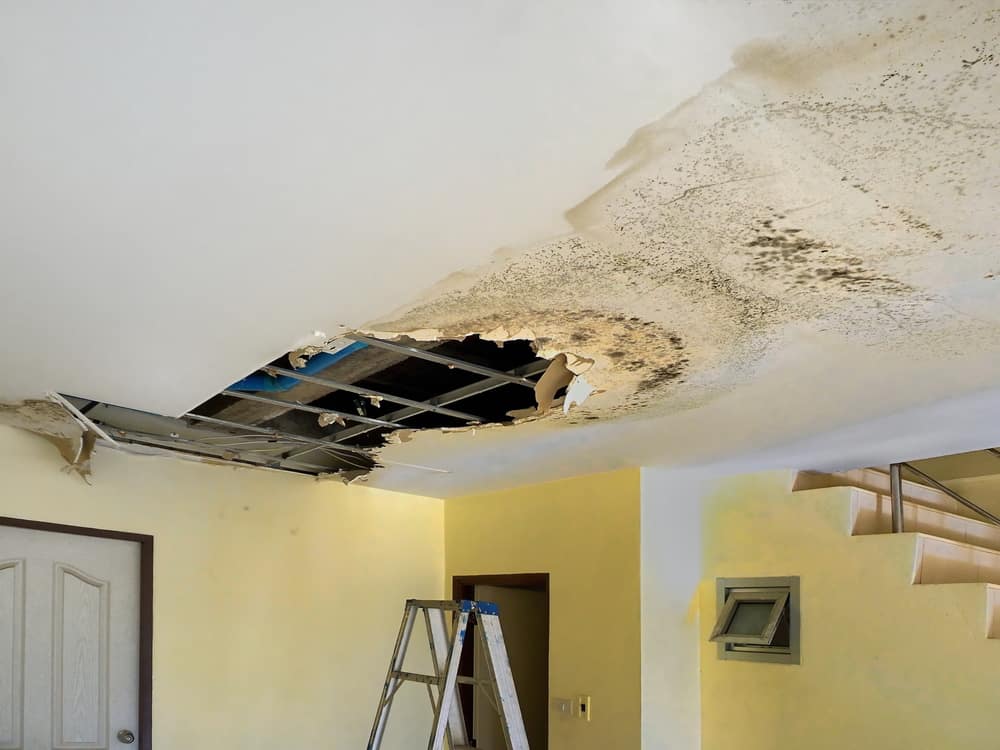
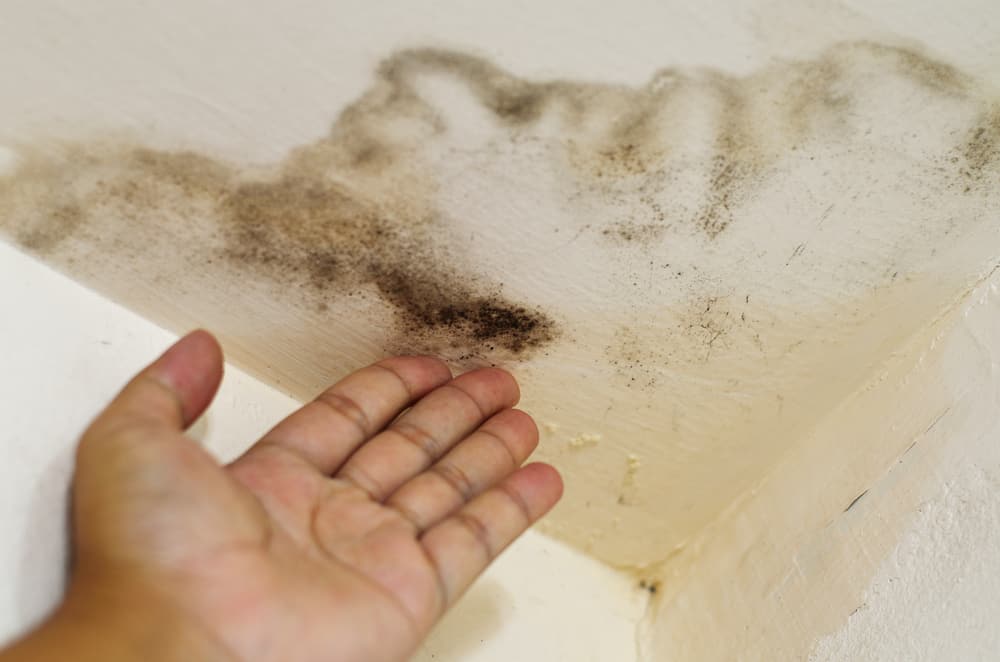
Signs that warrant an immediate call include a musty odor that wasn’t there before the flooding, visible discoloration on walls, ceilings, or flooring in the affected area, or any respiratory symptoms among household members that developed after the water event. For Freeport homeowners along the canals or in the village’s FEMA flood zone, this isn’t a hypothetical it’s a condition that comes with living in one of Nassau County’s most flood-exposed communities. We offer emergency mold remediation 24 hours a day, seven days a week, because flooding in Freeport does not wait for business hours.
Useful Links
Other Services we provide in Freeport