
Hear from Our Customers
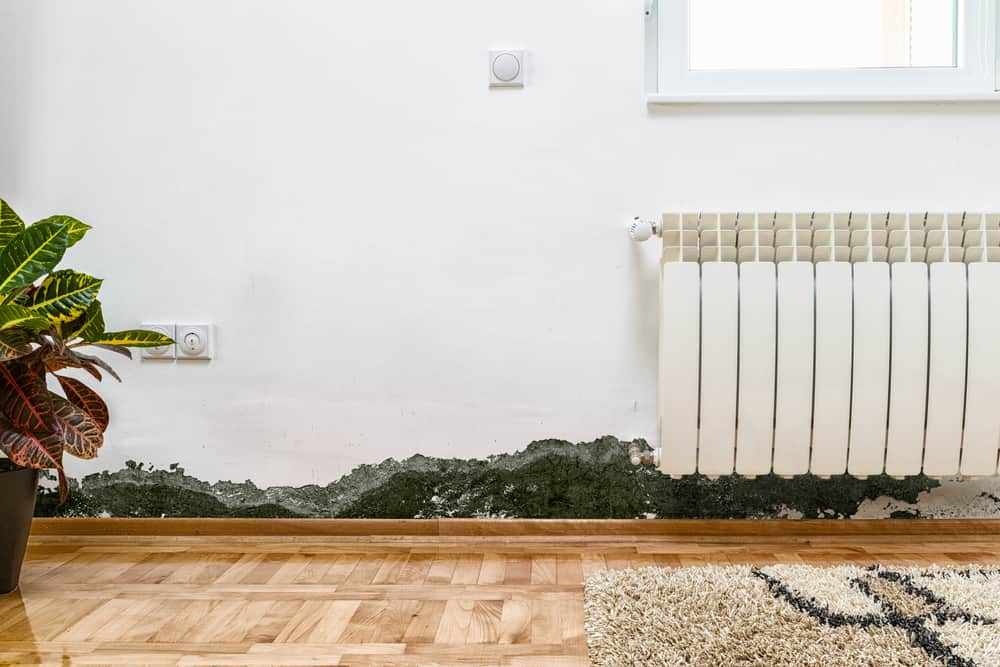
Mold doesn’t announce itself. It grows behind drywall, under flooring, inside insulation — and in Glen Cove, it has every condition it needs to do exactly that. The harbor keeps humidity elevated year-round, well above the 60% threshold where mold thrives. Older homes near Morgan Park and the Glen Street corridor often have original crawl spaces with no vapor barriers, stone foundations that let groundwater in, and attic ventilation that hasn’t been updated in decades. The moisture has somewhere to go, and it does.
When remediation is done right, what you get back isn’t just a clean room — it’s a home you can stop worrying about. The air quality improves. The musty smell disappears. If you were heading toward a real estate transaction, you now have the documented clearance report that satisfies attorneys, lenders, and buyers. And because we identify and resolve the underlying moisture source — not just the visible mold — you’re not dealing with the same problem six months from now.
With Glen Cove’s median home value sitting near $670,000, mold isn’t just a health issue. It’s a financial one. A mold discovery during a home inspection can cost you 20% to 37% of your property’s value and push half of interested buyers to walk. Getting it handled correctly the first time protects what you’ve built here.
We’ve been serving Nassau County since the late 1990s, which means we’ve worked in the kinds of homes that define Glen Cove: Gold Coast–era construction with stone foundations, pre-war crawl spaces, and attic systems that were built long before anyone thought about vapor barriers. We know what those structures look like on the inside, and we know where moisture hides in them.
Every technician on our team holds individual IICRC certification — not just our company as a whole, but every person who walks into your Glen Cove home. That distinction matters when your real estate attorney needs documentation, when your insurance adjuster needs a report, or when you simply want to know that the person doing the work has actually been trained to do it.
We run a dedicated Nassau County line at 516-698-1776. When you call, you’re reaching a team that’s based here in Glen Cove’s backyard, has been here for decades, and will still be here after the job is done.
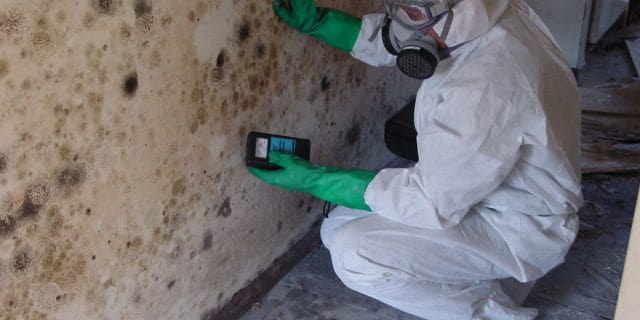
It starts with a 13-point mold inspection. We don’t do a visual walk-through and hand you a verbal opinion. Air samples, surface swabs, infrared moisture scanning — everything gets sent to a lab, and you receive a full written report with results within 2 to 3 business days. In Glen Cove, where older homes routinely hide moisture behind plaster walls and inside original crawl spaces, that documentation isn’t optional. It’s the only way to know what you’re actually dealing with.
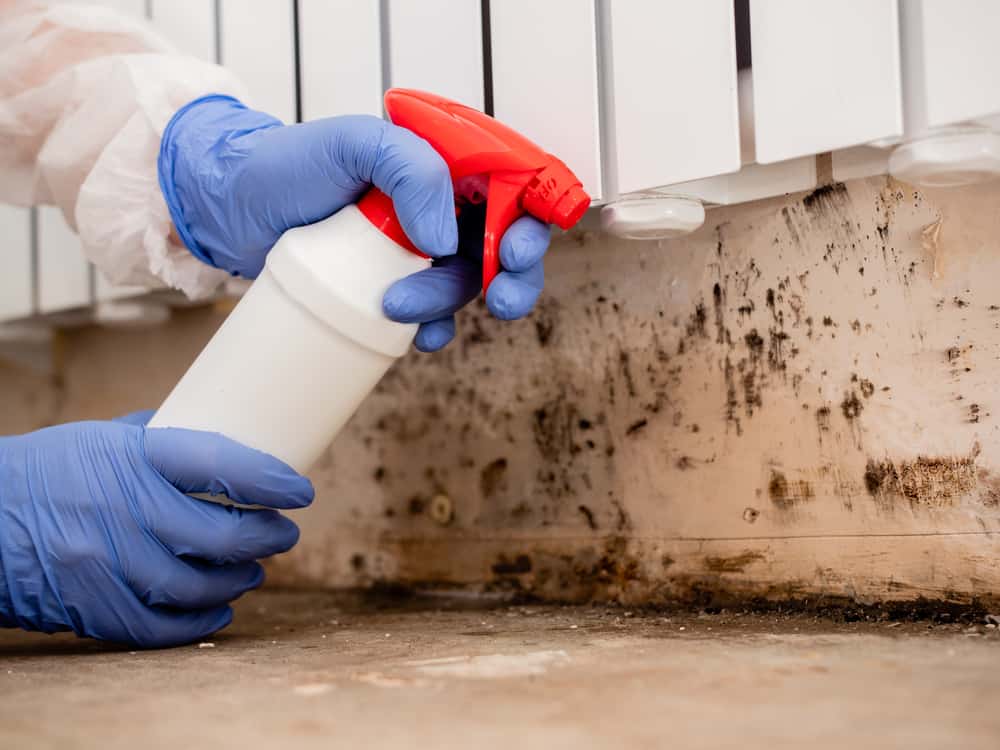
Once the scope is confirmed, we contain the affected area to prevent cross-contamination, set up HEPA-filtered air scrubbers, and begin removal of any materials that can’t be saved. Antimicrobial treatment follows. Every step is documented. Under New York State’s 2016 mold law, the same company cannot both assess and remediate on the same property — so your assessment comes from an independent party, and our remediation work is fully compliant with that requirement.
What sets our process apart is what comes after. Most companies stop at cleanup and leave you to find a contractor for the rebuild. We handle reconstruction post-remediation — drywall, flooring, structural repairs, all of it. One call covers the entire project. And if your situation is urgent — a flooded basement after a nor’easter hits Hempstead Harbor, a mold discovery the day before a closing — we’re available 24 hours a day, every day of the year.
Ready to get started?
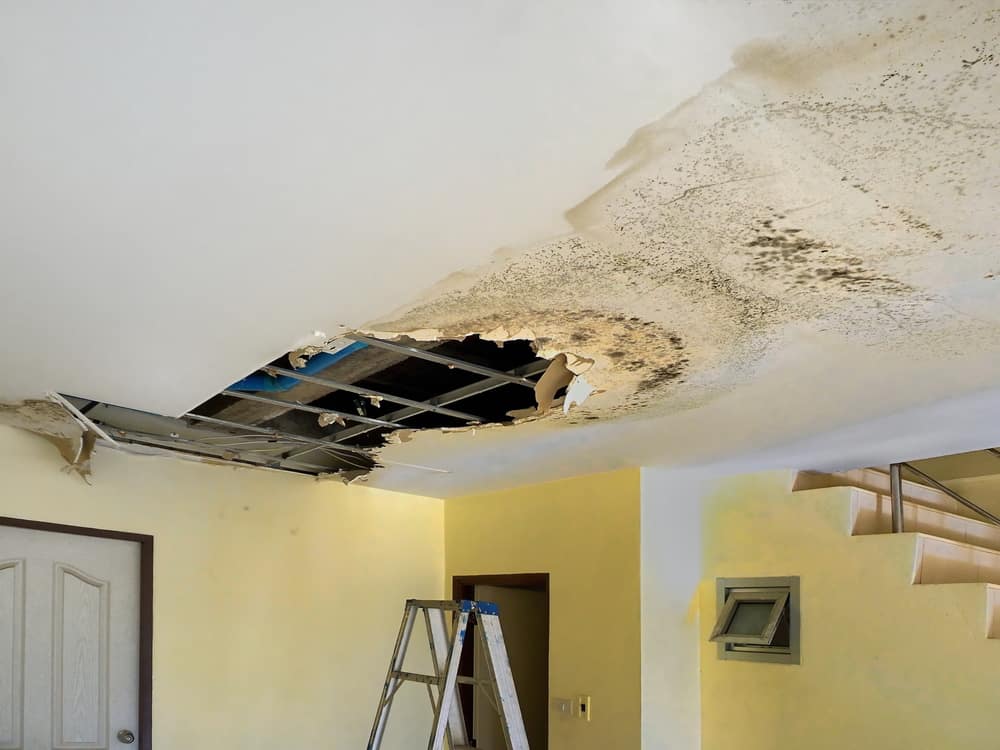
Mold remediation in Glen Cove covers a wider range of situations than most homeowners expect when they first call. Basement flooding after a heavy rain on Woolsey Avenue. Attic mold discovered when ice damming let water in through the roofline over winter. Black mold behind the walls of a crawl space that hasn’t had a vapor barrier since the home was built. A pre-purchase inspection that turned up contamination and put a closing date at risk. These aren’t edge cases here — they’re the calls we get regularly from Glen Cove homeowners.
The service includes the full inspection and lab testing, containment setup, HEPA air filtration, mold removal, antimicrobial treatment of affected surfaces, and a post-remediation clearance report. When structural materials need to come out — drywall, subfloor, framing — we handle the rebuild too, so you’re not left with an open wall while you search for a separate contractor. That reconstruction capability is something most remediation companies in this market simply don’t offer.
For Glen Cove homeowners navigating an insurance claim, we provide the documentation your adjuster needs. For those in a real estate transaction, our IICRC-certified clearance reports are recognized by lenders and attorneys. Whether it’s an emergency call at 2 a.m. or a scheduled inspection before listing your home, the process is the same: thorough, documented, and done right the first time.
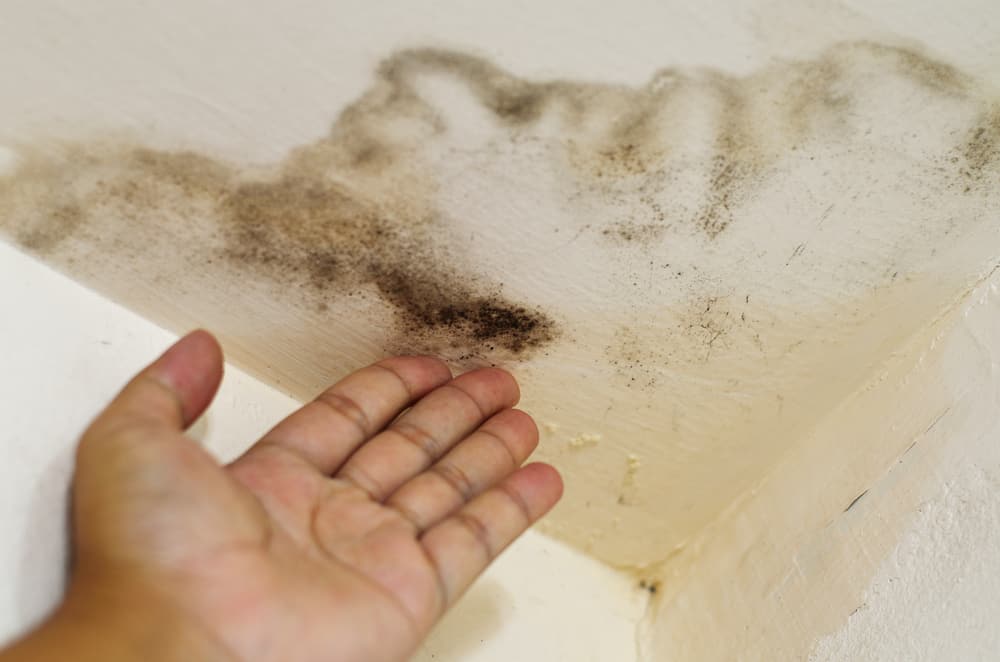
It can — but only if the underlying moisture problem wasn’t addressed. That’s the part most homeowners don’t realize until they’re dealing with it a second time. Surface treatment alone, without identifying and resolving the source of moisture intrusion, is essentially cosmetic. The mold returns because the conditions that caused it never changed.
In Glen Cove specifically, that moisture source is rarely just one thing. It might be a combination of groundwater seeping through an older stone foundation, inadequate crawl space ventilation, and the persistently elevated humidity that comes with living near Hempstead Harbor. Our remediation process includes identifying and addressing the root cause — not just cleaning what’s visible. When that’s done correctly, and when the affected materials are properly treated or removed, recurrence is not the expectation. It’s the exception.
The actual cost for your Glen Cove home depends on the size of the affected area, what materials need to be removed, and whether reconstruction is required after remediation. Smaller, contained situations — a section of drywall in a bathroom, for example — tend to land on the lower end. Larger jobs involving structural materials, crawl spaces, or multiple rooms can reach $10,000 to $15,000 or more.
In Glen Cove, where older homes often have original crawl spaces, stone foundations, and aging attic systems, the scope of work can be larger than it first appears — because moisture tends to travel and hide in ways that newer construction doesn’t allow. That’s exactly why the inspection phase matters. You should know the full scope before any work begins, with a written estimate that doesn’t change on you mid-project. Transparency on cost is something we take seriously, because the last thing you need when you’re already dealing with a mold problem is a bill that keeps growing.
No — and this is one of the most important things to understand before you hire anyone. New York State’s 2016 mold law explicitly prohibits the same company, or any of its employees, from performing both the mold assessment and the mold remediation on the same property. The law was enacted because the practice of a single company doing both created an obvious conflict of interest — and it was being abused widely enough that the state stepped in.
What this means practically is that your assessment must come from a licensed, independent assessor. Once that assessment is complete and the scope is documented, a separate licensed remediation company — like us — carries out the actual work. This separation protects you. It means the company doing the cleanup didn’t write the report that justified the cleanup. Every job we take on in Nassau County, including Glen Cove, is fully compliant with this requirement. If a company offers you a free inspection and then immediately pitches remediation, that’s a red flag worth taking seriously.
The honest answer is that if your basement flooded and more than 48 hours passed before it was fully dried out, there’s a meaningful chance mold has started to grow — even if you can’t see it yet. Mold doesn’t need much. It needs moisture, an organic surface like drywall or wood framing, and time. Basements in Glen Cove check all three boxes, especially in neighborhoods like the Woolsey Avenue area where recurring stormwater flooding has been a documented, ongoing problem.
Visible signs include discoloration on walls or flooring, a persistent musty odor that doesn’t go away after the space dries, and in some cases, visible dark spotting on drywall or wood. But the absence of visible mold doesn’t mean it isn’t there. Mold behind drywall, inside wall cavities, or under flooring won’t show up in a visual check. An inspection with air sampling and infrared moisture scanning is the only reliable way to know what’s actually in your home after a flooding event. If you’re unsure, that’s the right starting point.
Mold removal refers to physically taking mold out of a space — scrubbing a surface, removing contaminated drywall, or applying a treatment product. It describes an action. Mold remediation is a broader process that includes removal, but also addresses containment, air filtration, moisture source identification, antimicrobial treatment, and post-remediation testing to confirm the space has been returned to a safe, normal fungal ecology.
The distinction matters because removal without remediation is incomplete. If you scrub visible mold off a basement wall without containing the area, you’ve potentially spread spores throughout the rest of the home. If you don’t treat the surface after removal, regrowth is likely. And if you don’t address why the mold was there in the first place — which in many Glen Cove homes comes down to moisture intrusion through aging foundations or inadequate ventilation — you’ll be doing it all again. Remediation is the complete answer. Removal is just one step inside it.
The remediation itself — containment, cleaning, antimicrobial treatment — generally does not require a building permit. But when remediation involves removing and replacing structural components like drywall, subfloor, or framing, the reconstruction phase may trigger Nassau County building permit requirements depending on the scope and location of the work.
This is one of the practical reasons why having a company that handles both remediation and reconstruction matters in Glen Cove. When the rebuild requires a permit, navigating that process while also coordinating a separate contractor adds time and complexity to an already stressful situation. We manage the full project — including any permit-required reconstruction — so you’re not left to figure that out on your own. Glen Cove operates under Nassau County building codes, and our team is familiar with what those requirements look like for the types of homes and repair scopes we commonly encounter here. If permits are needed, that gets addressed as part of the project, not as a surprise at the end of it.
Useful Links
Other Services we provide in Glen Cove