
Hear from Our Customers
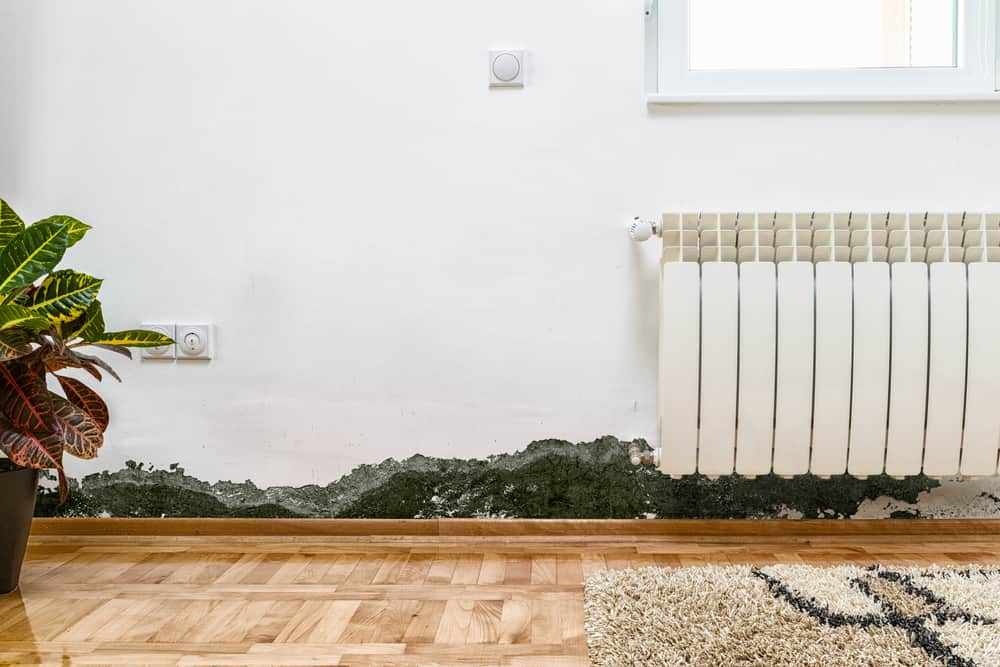
The musty smell in your basement isn’t something you learn to live with — it’s a sign that moisture has been sitting in your walls, your floor joists, or behind your drywall long enough to grow something. In a Lynbrook home built in the 1940s or earlier, that’s not unusual. Stone foundations, original drain tile, and plumbing that’s been in the ground for 70-plus years all create the kind of slow, hidden moisture intrusion that mold feeds on. The problem isn’t always visible, and it rarely fixes itself.
When mold remediation is done right, the air in your home changes. That heavy, damp feeling in the basement lifts. You stop second-guessing whether the smell is something or nothing. If you have kids in Lynbrook Union Free School District or elderly family members at home, that air quality shift isn’t a small thing — it’s the whole point.
There’s also the financial side. Homes in Lynbrook are worth $600,000 or more. A mold finding during a home inspection can stall a sale, trigger a price reduction, or send a buyer walking. Getting ahead of it — with lab-verified results and written documentation — protects that investment whether you’re staying put or planning to sell.
We’ve been serving Nassau County homeowners for close to three decades. That’s not a number we throw around lightly — it means we’ve been inside thousands of Long Island homes, including the Cape Cods, colonials, and two-families that line the residential streets of Lynbrook. We know what a 1940s basement looks like. We know where moisture hides in older South Shore construction, and we know how to find it before it spreads further.
Every technician we send to your home is individually IICRC certified — not just our company as a whole, but the actual person walking through your door. That distinction matters when you’re letting someone into a home you’ve invested everything in.
We also carry a dedicated Nassau County line at 516-698-1776. When you call, you’re reaching a team that’s been operating in this county for nearly three decades — not a national call center routing you to whoever’s available.
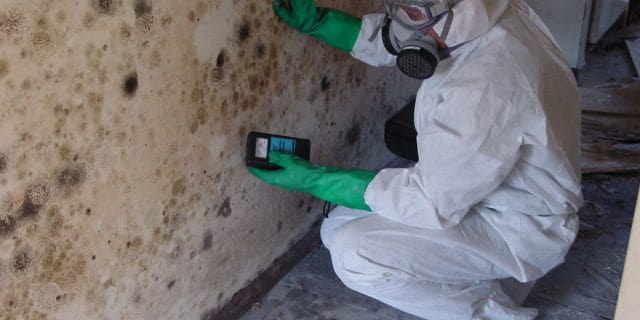
It starts with a thorough inspection — not a quick walkthrough, but a 13-point process that includes air sampling, surface swabs, moisture readings, and infrared imaging to detect mold behind walls and under floors where you can’t see it. Lab results come back in writing within two to three business days. You’ll know exactly what you’re dealing with before any work begins.
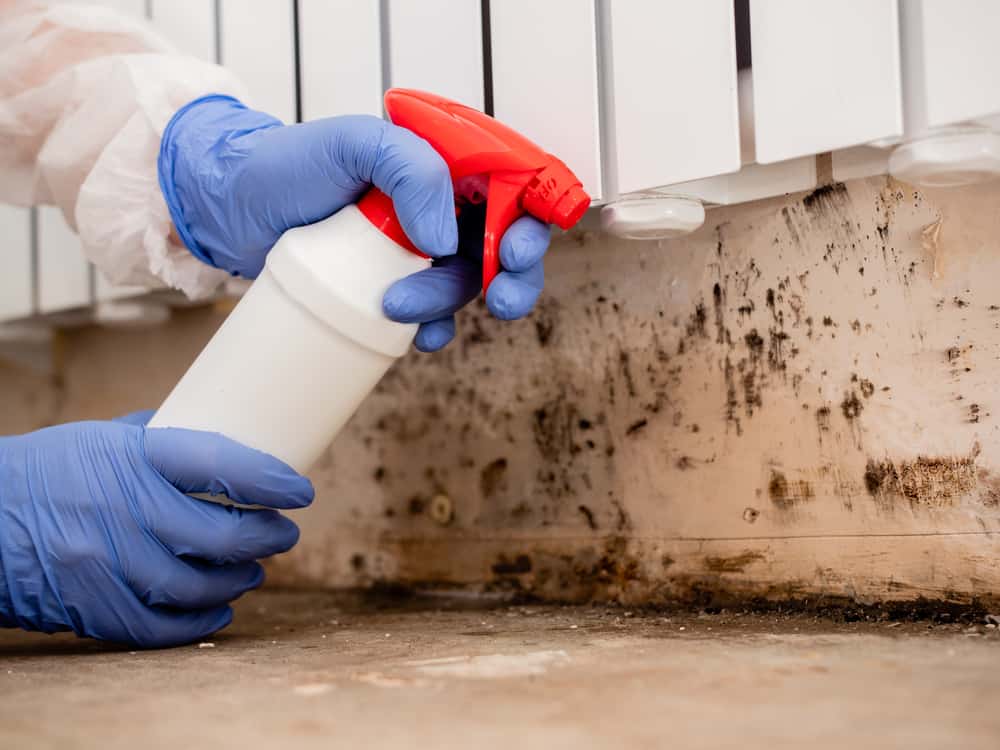
From there, we contain the affected area to prevent spores from spreading to other parts of your home during the remediation process. Contaminated materials are removed, surfaces are treated, and industrial air scrubbers run until the air tests clean. Under New York State’s 2016 mold law, the assessment and remediation must be handled by separate licensed entities — we comply fully with that, and we’ll walk you through what it means for your specific situation so there are no surprises.
Once remediation is complete, we don’t leave you with exposed studs and a half-finished basement. We handle the reconstruction — drywall, insulation, structural repairs, whatever was removed to get the job done. For Lynbrook homeowners managing older homes near the South Shore bays, where nor’easters and coastal humidity keep the moisture pressure high year-round, having one company carry the job from inspection through finished restoration makes a real difference.
Ready to get started?
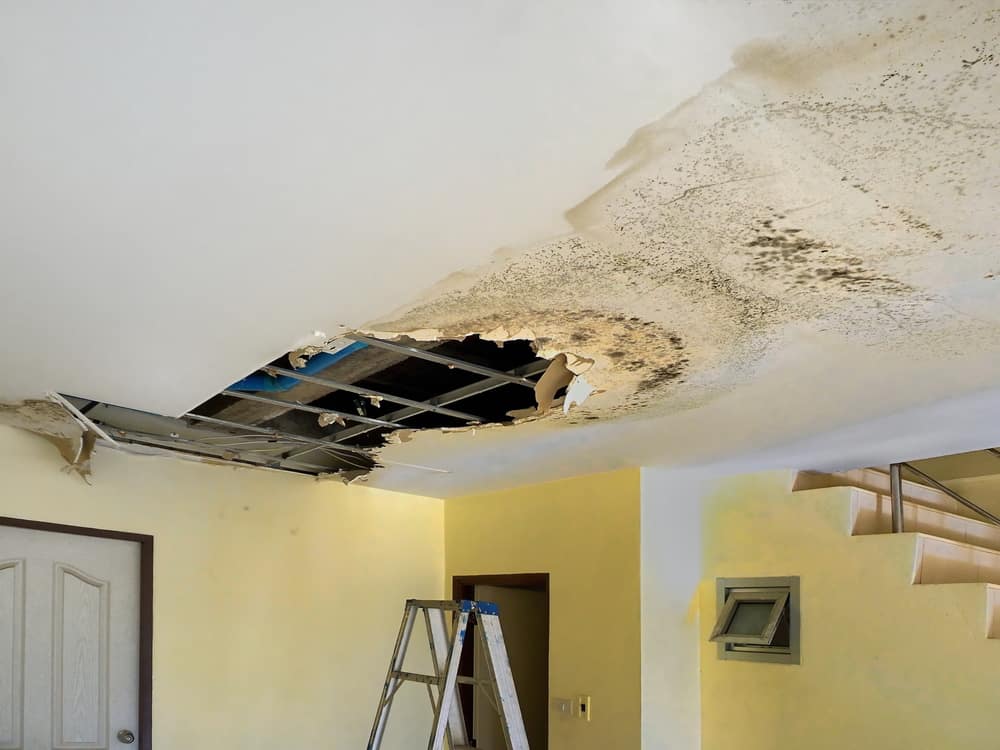
Lynbrook’s housing stock tells you everything you need to know about where mold shows up here. Nearly half the homes in the village were built before 1940, and the combination of stone foundations, aging plumbing, and South Shore humidity creates conditions that keep moisture remediation companies busy year-round. Basement mold remediation is the most common call we get — whether it’s from a flooded utility room after a nor’easter, a slow pipe leak behind the laundry wall, or hydrostatic pressure pushing moisture through an old cinder block foundation. Attic mold is the second most common, driven by inadequate ventilation in older roof systems that trap humidity all summer and allow ice dams to force meltwater under shingles in winter.
Every job includes the full scope: inspection, containment, removal, surface treatment, air scrubbing, post-remediation air testing, written documentation with lab results, and complete reconstruction of any materials that had to come out. If your homeowners insurance covers any portion of the damage — which typically applies when mold results from a sudden covered event like a burst pipe or storm-related leak — we can help you understand what documentation you’ll need and how to present the claim.
Crawl space mold remediation, black mold remediation, and emergency mold remediation are all part of what we handle. If you’re in the middle of a real estate transaction and need rapid turnaround on remediation and clearance documentation, we’ve done that for Lynbrook homeowners more times than we can count.
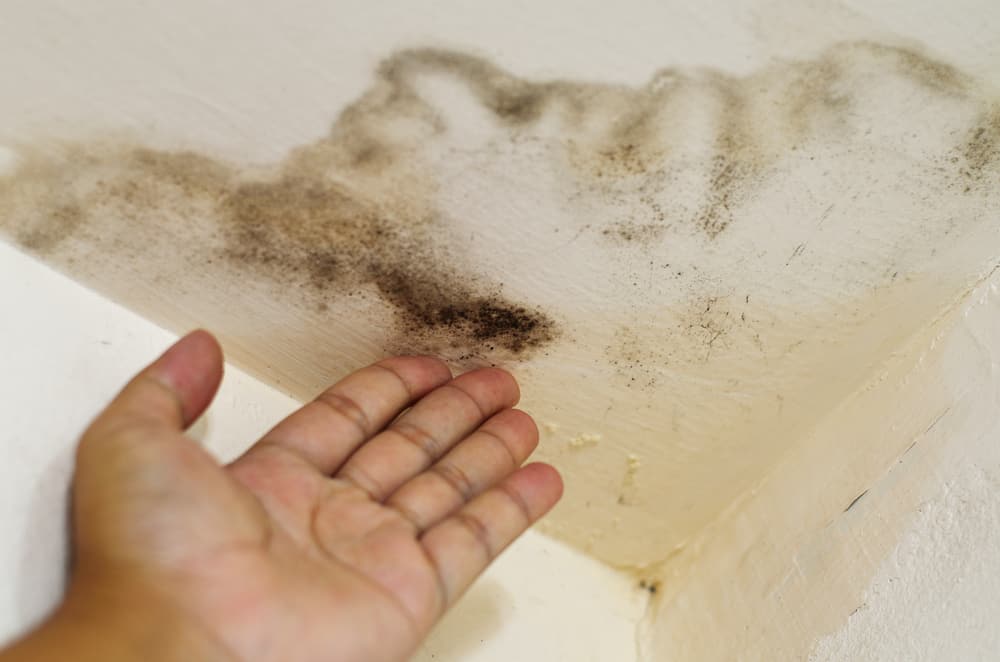
The short answer is yes — older homes carry more risk, and Lynbrook has a lot of them. With roughly 44% of homes in the village built before 1940, you’re looking at original plumbing systems prone to slow leaks, stone or cinder block foundations without modern waterproofing membranes, and basement drainage systems that were never designed to handle the kind of hydrostatic pressure that builds up during South Shore rainstorms and spring snowmelt.
Add in the coastal humidity that comes with being about a mile from Hewlett Bay, and you have conditions where moisture finds its way into Lynbrook basements through multiple pathways — not just flooding, but condensation, seepage, and vapor migration through the floor slab. Mold doesn’t need standing water to grow. It needs a surface with moisture content above a certain threshold, and in a Lynbrook basement, that threshold gets crossed more often than most homeowners realize. If your basement smells musty but looks dry, that’s still worth getting checked.
The national average for mold remediation runs around $2,300, with most projects falling somewhere between $1,200 and $3,800 depending on the size of the affected area, the materials involved, and whether reconstruction is needed after contaminated materials are removed. In Lynbrook, where homes are older and mold often extends behind walls or into structural framing, projects can run toward the higher end of that range — especially in basements where moisture has been present for a long time without being addressed.
The most important thing to understand is what drives cost: square footage of contamination, how deep it goes, what materials need to come out, and whether the moisture source requires additional repair work. A company that gives you a rock-bottom number without inspecting first is either cutting corners on the process or planning to add costs later. A proper inspection with lab results gives you a real scope before you commit to anything, and that’s where every job with us starts.
It depends on what caused the mold, and that distinction matters a lot. Homeowners insurance in Nassau County — like most places — typically covers mold remediation when it results directly from a sudden, covered event. A burst pipe, a washing machine that failed and flooded your laundry room, or roof damage from a nor’easter that let water in — those scenarios often fall under a covered claim. Mold that developed slowly over time from ongoing moisture intrusion or a maintenance issue the insurer considers neglect is usually excluded.
The documentation piece is critical. Insurance companies want to see a clear chain of events: what happened, when it happened, what the damage looks like, and what remediation was performed. That’s exactly why we provide written reports with lab results after every inspection. If you’re filing a claim, having that paperwork organized and professionally documented makes the process significantly smoother. We can walk you through what your specific situation looks like and what you’ll likely need before you call your insurer.
Mold removal is a term that gets used loosely, and it can be misleading. The idea that mold can be completely “removed” from a home isn’t accurate — mold spores exist naturally in the air everywhere, indoors and out. What professional mold remediation does is bring indoor mold levels back down to a normal, safe range by removing contaminated materials, treating affected surfaces, and cleaning the air. The goal isn’t zero spores — it’s a healthy, livable environment.
In practical terms for a Lynbrook home, that means physically removing drywall, insulation, or wood framing that’s been compromised beyond cleaning, treating the structural surfaces behind them, running HEPA air scrubbers throughout the affected area, and verifying through post-remediation air testing that levels are back to normal. A company that promises to “remove all mold” without explaining this distinction is either oversimplifying or overselling. The process matters — and so does the verification step at the end that confirms the work actually worked.
In most cases, yes — but it depends on where the mold is, how extensive the contamination is, and whether you or anyone in your household has respiratory sensitivities. When remediation is confined to a basement, crawl space, or attic with proper containment in place, most homeowners can remain in the living areas of the home without issue. The containment barriers and negative air pressure systems we use are specifically designed to prevent spores from migrating into occupied spaces during the work.
Where it gets more complicated is when contamination is in a central living area — a bedroom, a shared hallway, or an HVAC system that’s been circulating spores throughout the house. In those situations, we’ll be straightforward with you about whether temporary relocation makes sense, particularly if you have young children, elderly family members, or anyone with asthma or immune system concerns. We’d rather have that honest conversation upfront than have you uncomfortable or at risk during the process.
The only reliable way to confirm that remediation was successful is post-remediation air testing — not a visual inspection, not a judgment call, but actual air samples sent to an independent lab and compared against baseline outdoor readings. This is the standard under the ANSI/IICRC S520 protocol that our certified technicians follow, and it’s also what you’ll need if you’re documenting the remediation for an insurance claim or a real estate transaction.
In Lynbrook’s real estate market, where homes are selling for $600,000 and above, that clearance documentation carries real weight. A buyer’s inspector who finds a previously remediated area will want to see the paperwork — the original assessment, the remediation scope, and the post-clearance lab results. We provide all of that in writing. If a remediation company finishes a job and doesn’t offer post-remediation verification, that’s worth asking about directly, because the work isn’t truly complete until the air confirms it.
Useful Links
Other Services we provide in Lynbrook