
Hear from Our Customers
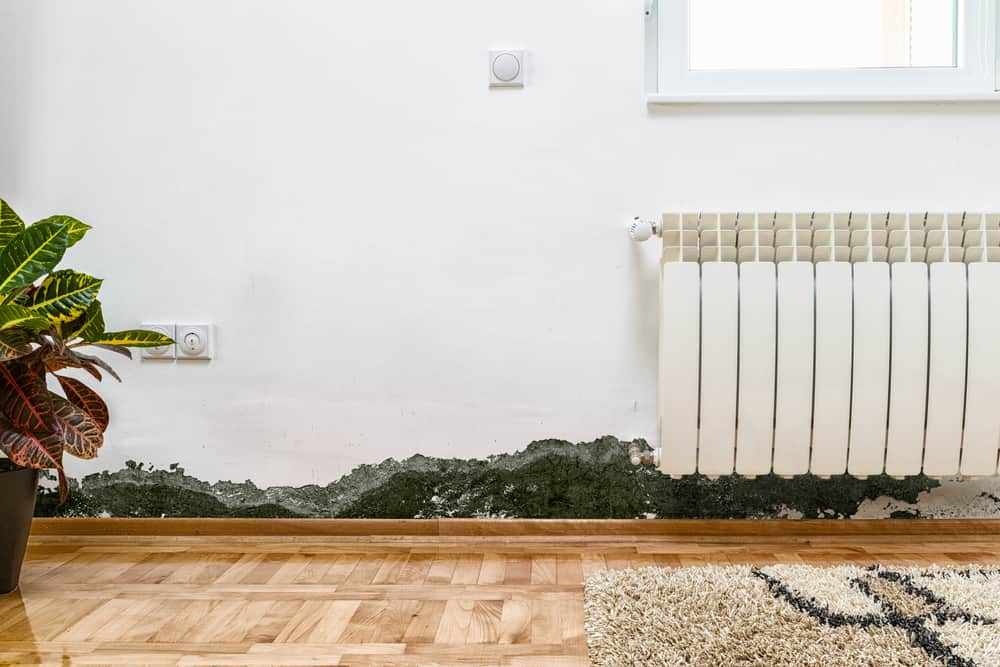
Most mold problems in Middle Island aren’t random. The hamlet sits at the headwaters of the Carmans River, right at the edge of the Central Pine Barrens — one of the most actively recharged groundwater systems in New York State. That means the soil beneath your home holds moisture year-round, and if your foundation, crawl space, or vapor barrier has any weakness at all, that moisture finds a way in. The mold you’re seeing is the symptom. The water is the problem.
When the source gets identified and corrected, the difference is real. The musty smell that’s been hanging in your basement disappears. The air your family is breathing stops carrying elevated spore counts. You stop wondering whether that dark spot behind the drywall is getting worse. For homeowners near Artist Lake or Pine Lake — where ambient humidity runs higher than the rest of Middle Island — that kind of resolution isn’t just a comfort, it’s a health decision.
What you also get is documentation. After remediation is complete, post-remediation air quality testing confirms that spore counts have returned to normal levels. That clearance report matters if you’re dealing with an insurance claim, if you’re selling your home, or if you simply want proof — not a promise — that the job was done right.
We’ve been working in Suffolk County for approximately 31 years. That’s not a number on a website — it’s experience across every type of Long Island home, every storm season, and every groundwater condition this region produces. Our owner, Richard Peterson, holds personal New York State licenses in both mold assessment and mold remediation contracting under Article 32 of the NYS Labor Law. Every technician on our team carries individual IICRC certification. That combination — owner-level licensure, certified technicians, and three decades of Long Island-specific field work — is not common in this market.
Middle Island’s housing stock tells a specific story: ranch homes, Cape Cods, hi-ranch construction, most of it built between the 1950s and 1980s. These homes were not designed with today’s moisture loads in mind, and the groundwater dynamics of the Pine Barrens don’t make it easier. We know what mold looks like in a Middle Island crawl space, and we know what it takes to fix it so it doesn’t come back.
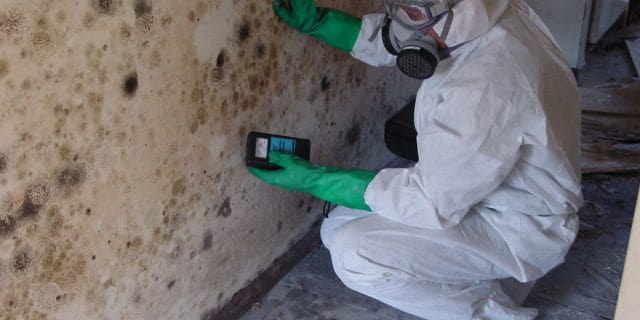
The first thing that happens is moisture mapping. Before anything gets removed, we identify where the moisture is coming from and how far it has spread — including areas that aren’t visible. In Middle Island, this step is especially important because groundwater pressure from the Pine Barrens soil can drive moisture into multiple areas of a foundation simultaneously. Skipping this step is the main reason mold comes back after a remediation.
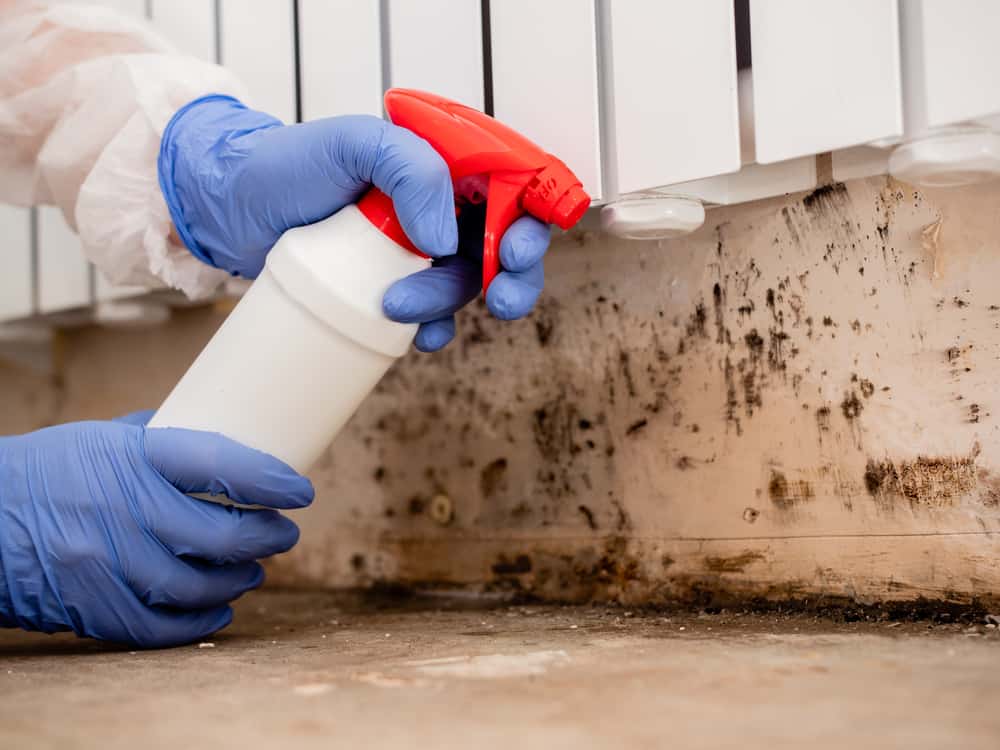
Once the source and scope are confirmed, we set up containment to prevent mold spores from spreading to unaffected areas of your home during the removal process. Contaminated materials — drywall, insulation, structural wood — are removed and disposed of properly. Affected surfaces are treated with EPA-registered antimicrobial products, and the area is dried down to moisture levels that don’t support mold growth. New York State’s Article 32 law governs every step of this process, and because Richard Peterson holds personal NYS licenses in both assessment and remediation, your job is handled by someone who is legally and professionally accountable for the outcome.
After the work is complete, post-remediation air quality testing is conducted to verify that spore counts have returned to acceptable levels. You receive that clearance report as a standard deliverable — not an add-on. If structural repairs are needed following remediation, those may require a permit through the Town of Brookhaven’s Building Division, and we’ll walk you through what applies to your specific situation.
Ready to get started?
Mold remediation in Middle Island covers a range of situations, and the most common ones all trace back to the same root cause: moisture that had nowhere else to go. Basement mold remediation is the most frequent call we get from this area — particularly in the older ranch and Cape Cod homes along the Route 25 corridor where crawl spaces and unfinished basements sit directly against soil that holds groundwater close to the surface. Crawl space mold remediation often includes vapor barrier repair or full encapsulation when the existing barrier has failed or was never installed correctly. Attic mold remediation is more common than most homeowners expect — during the summer months, inadequate ventilation in older attic spaces creates the exact temperature and humidity conditions mold needs to grow.
Because we operate an integrated cleaning division alongside the remediation work, you’re not coordinating between two separate companies after the job is done. Remediation, structural drying, antimicrobial treatment, and post-remediation cleaning all happen under one roof, one contract, and one point of accountability. For Middle Island homeowners dealing with insurance claims after a storm event or basement flooding, we document the damage in the format your insurer requires and provide the clearance report needed to close the claim. Remediation costs in this market typically range from $1,223 to $3,754 for most residential projects, with basement and crawl space work ranging from $500 to over $6,000 depending on scope — and we give you a written estimate that explains exactly where your situation falls before any work begins.
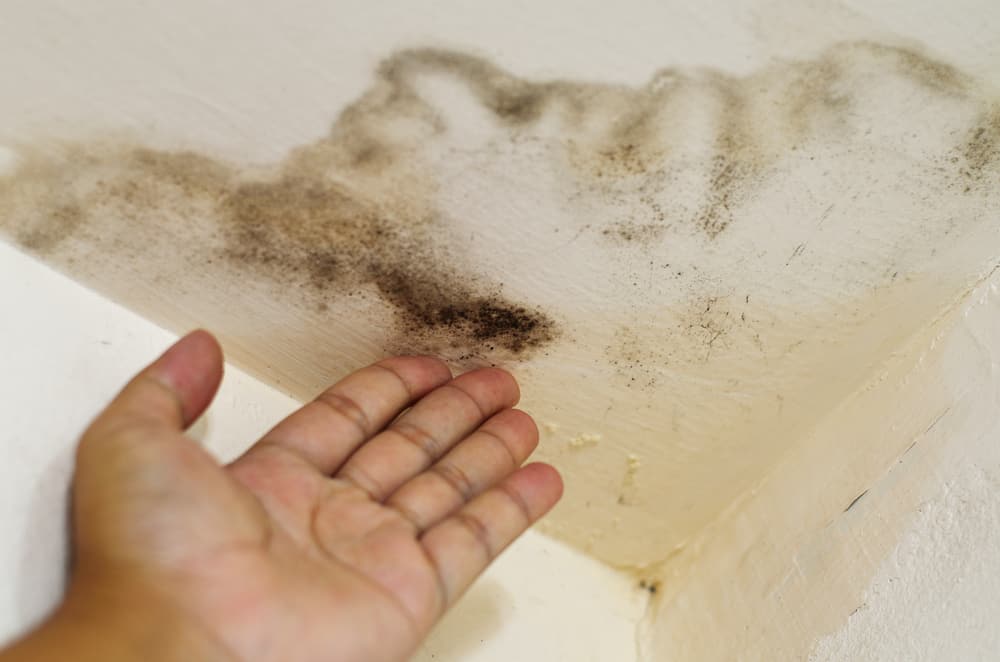
The most common reason mold returns after remediation is that the moisture source was never fully identified or corrected. In Middle Island specifically, this is a real and recurring problem because the hamlet sits within the Central Pine Barrens hydrologic system — an area where sandy soils recharge the groundwater table rapidly after rain events. That means groundwater pressure against basement and crawl space walls is not just a post-storm issue; it’s a year-round condition. If a remediation company removes the visible mold without mapping where the moisture is entering and why, the conditions that caused the growth are still there.
We identify the entry point — whether it’s a failing vapor barrier, a crack in the foundation wall, a drainage issue at the grade line, or a combination of factors — and address it as part of the remediation process. That’s the step that determines whether you’re calling a second company six months from now.
For most residential mold remediation projects in the Middle Island area, costs fall between $1,223 and $3,754, with a national average around $2,347. Where your project lands within that range depends on the size of the affected area, the materials involved, and whether structural components like framing or subfloor need to be addressed. Basement mold remediation typically runs $500 to $3,000 for surface-level issues and can exceed $10,000 when structural wood is involved. Crawl space remediation ranges from $500 to $4,000 for standard projects, and can reach $6,000 or more if vapor barrier installation or encapsulation is also needed. Attic mold remediation generally falls between $1,500 and $9,000 depending on attic size and the extent of contamination.
When you call us, you get a written estimate that explains exactly what needs to be done and why — before any work starts. No scope creep, no surprises after the fact.
Whether your homeowner’s insurance covers mold remediation depends on what caused the mold. If the mold resulted from a sudden and accidental event — a burst pipe, a storm-driven water intrusion, or a roof leak from a nor’easter — most standard homeowner’s policies will cover at least a portion of the remediation costs. If the mold developed gradually over time from a maintenance issue or long-term moisture problem, coverage is typically denied. This is an important distinction for Middle Island homeowners, because the groundwater conditions here can create slow, persistent moisture intrusion that insurers may classify as a maintenance issue rather than a covered event.
The documentation you submit to your insurer matters enormously. We provide damage documentation in the format insurance companies require, and the post-remediation clearance report we deliver as a standard deliverable is often the final piece needed to close a claim. If you’re unsure about your coverage, we can walk you through what we’re seeing and help you understand how to present it.
Yes, and the risk is higher than most people realize because crawl space mold doesn’t stay in the crawl space. Air moves upward through a home through what’s called the stack effect — warm air rises, pulling air from below-grade spaces up through floors and into the living areas above. If your crawl space has active mold growth, the spores it releases are cycling into the air your family breathes on a daily basis. For households with children, elderly residents, or anyone with respiratory sensitivities or allergies, this is a genuine health concern — not a theoretical one.
Middle Island’s crawl space conditions are particularly vulnerable because of the combination of high groundwater, older vapor barriers, and the ambient humidity that comes with proximity to Artist Lake and the surrounding Pine Barrens landscape. A crawl space that looks dry on a winter inspection may be dealing with significant moisture intrusion by late spring when the water table rises. If you’ve noticed musty odors, increased allergy symptoms, or visible discoloration on floor joists, it’s worth having a professional assessment before the problem grows.
For most residential projects — a single affected area like a basement section, a crawl space, or an attic — professional mold remediation takes between one and five days from start to clearance testing. Smaller, contained areas can sometimes be completed in a single day. Larger projects involving multiple affected zones, significant structural material removal, or extended drying times will take longer. The drying phase, in particular, cannot be rushed — moisture levels in structural materials need to reach acceptable thresholds before the space is closed back up, and in Middle Island’s humid climate, that process takes the time it takes.
What affects the timeline most is the scope discovered during the initial moisture mapping. Homes in Middle Island with older construction sometimes have mold that has spread further than the visible surface suggests — into wall cavities, behind insulation, or along structural framing. We tell you what we find before we begin, so you have a realistic timeline and scope from the start rather than discovering it mid-project.
Under New York State’s Article 32 of the Labor Law, which has been in effect since January 1, 2016, mold remediation work above a certain threshold legally requires a licensed contractor. Hiring someone without a valid NYS mold remediation contractor license isn’t just a legal risk — it can also create problems with your homeowner’s insurance claim. Insurers increasingly ask for contractor license documentation when processing mold-related claims, and work performed by an unlicensed operator can give an insurer grounds to deny or reduce your payout.
Middle Island falls under Suffolk County and the Town of Brookhaven’s jurisdiction, and the state licensing requirement applies fully here. Richard Peterson, our owner, holds personal NYS licenses in both mold assessment and mold remediation contracting — credentials that are publicly verifiable through the New York State Department of Labor. That’s not a company-level filing or a franchise credential. It’s the owner’s personal license, which means there’s direct accountability attached to every job that carries the First Response Restoration and Cleaning Inc. name.
Useful Links
Other Services we provide in Middle Island