
Mold Remediation in Plainedge, NY
Plainedge Homes Are Older Mold Problems Here Run Deeper
Hear from Our Customers
Certified Mold Remediation Nassau County
When mold is properly remediated not just sprayed and covered you stop worrying about what’s behind the drywall. You stop second-guessing the air your family is breathing. That shift in confidence is real, and it’s what a thorough job actually delivers.
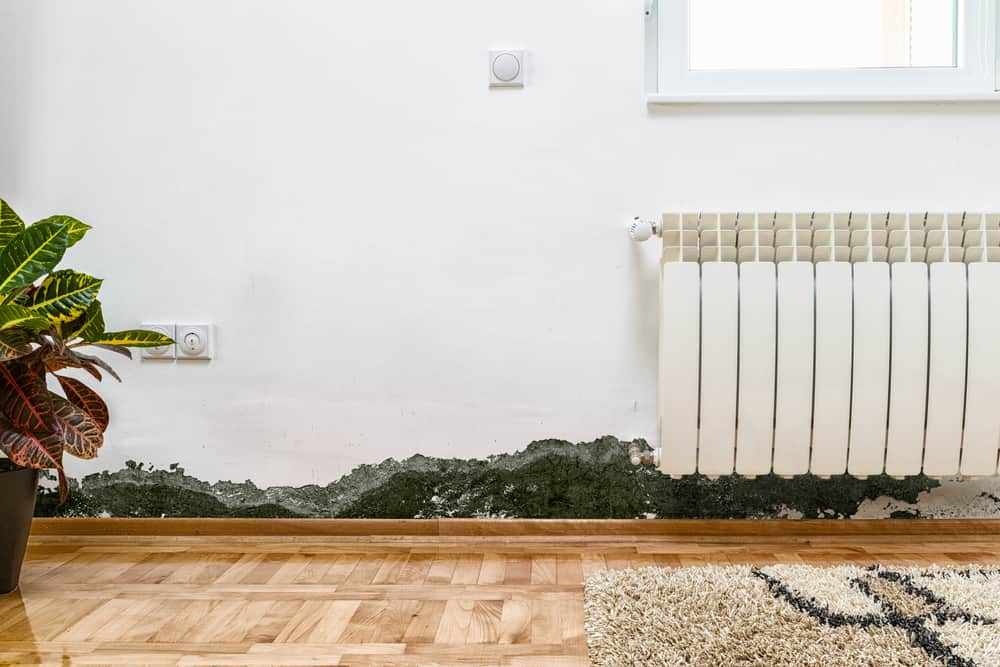
Plainedge sits in a part of Nassau County where June through September humidity regularly pushes past the threshold where mold actively grows. Homes here most built in the 1950s and 60s weren’t designed with today’s moisture management in mind. Attics with poor ventilation, basements with aging sump systems, and original insulation that holds moisture are common. When the conditions are right and the structure is aging, mold doesn’t need much of an invitation.
Getting it properly handled means your home is no longer a liability. If you’re planning to sell and the Plainedge school district drives one of the more competitive real estate markets in central Nassau County a documented, lab-verified remediation protects your asking price and keeps buyers from walking. If you’re staying, it protects your family. Either way, doing it right the first time is the only version of this that actually works.
Experienced Mold Remediation Company Plainedge
We’ve been working in Nassau County homes since the late 1990s. That’s not a marketing number it’s the kind of track record that only comes from doing the work consistently, in the real housing stock that defines this part of Long Island, through every storm season and every shift in the market.
Every technician on our team holds individual IICRC certification. Not the company as a whole each person who shows up at your door has passed the industry’s standard for mold remediation personally. That distinction matters more than most homeowners realize until they start comparing.
From the neighborhoods along Route 107 to the homes surrounding the Plainedge school district, we know this area the housing era, the humidity patterns, and the specific ways older Nassau County construction creates moisture problems that aren’t always visible from the surface.
Professional Mold Removal Process Plainedge NY
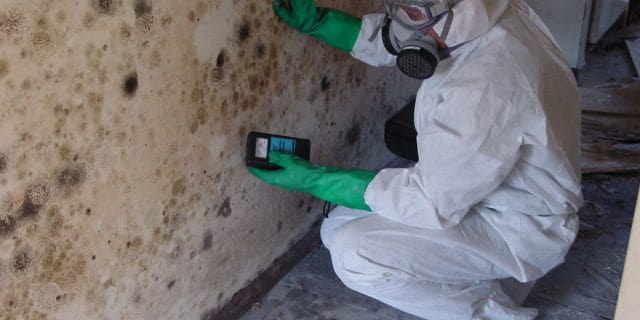
It starts with a 13-point mold inspection not a walk-through with a flashlight, but a structured assessment that includes air testing, surface swab sampling, moisture level readings, and infrared imaging to find mold that isn’t visible yet. Lab results come back in two to three business days with a written report you can actually use for insurance, for real estate, or just for your own peace of mind.
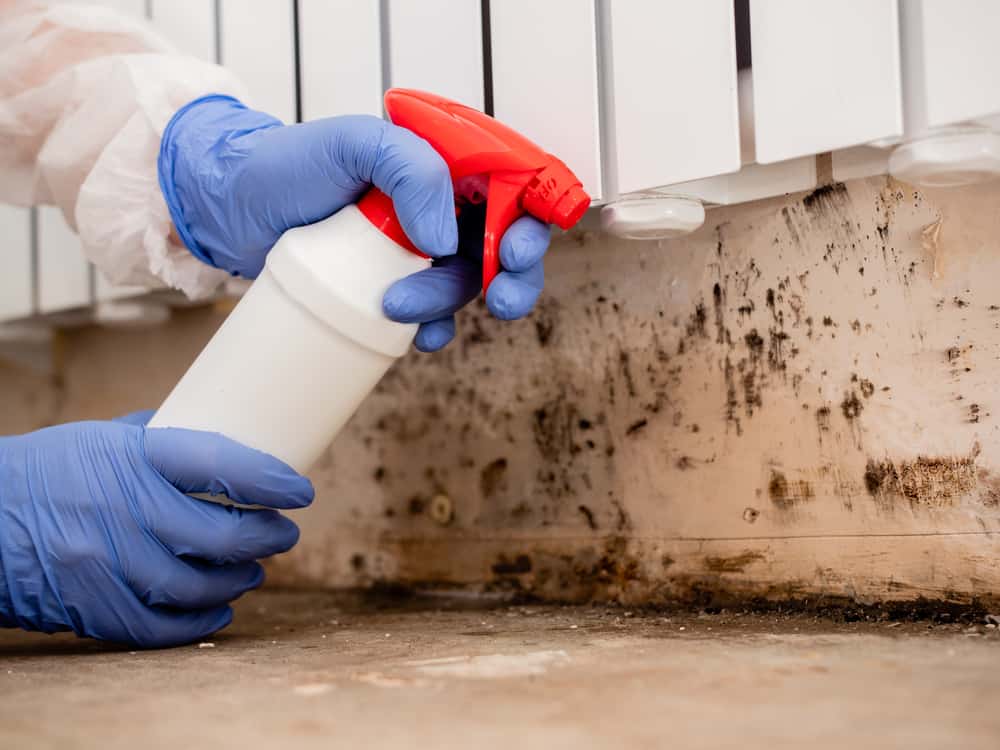
Once the scope is confirmed, remediation begins with full containment of the affected area. HEPA air scrubbers run throughout the process to prevent spores from spreading to clean areas of your home. Contaminated materials drywall, insulation, framing are removed and properly disposed of. The moisture source that created the problem in the first place gets identified and addressed, because skipping that step is exactly why mold comes back after cheaper jobs.
In Plainedge, New York State law requires that the company doing your mold assessment cannot be the same company performing the remediation. We operate in full compliance with that regulation, and we’ll walk you through how it works before anything starts. Once remediation is complete, we handle reconstruction of affected building materials in-house so you’re not left coordinating a separate contractor to put your walls back together.
Ready to get started?
Basement and Attic Mold Remediation Plainedge
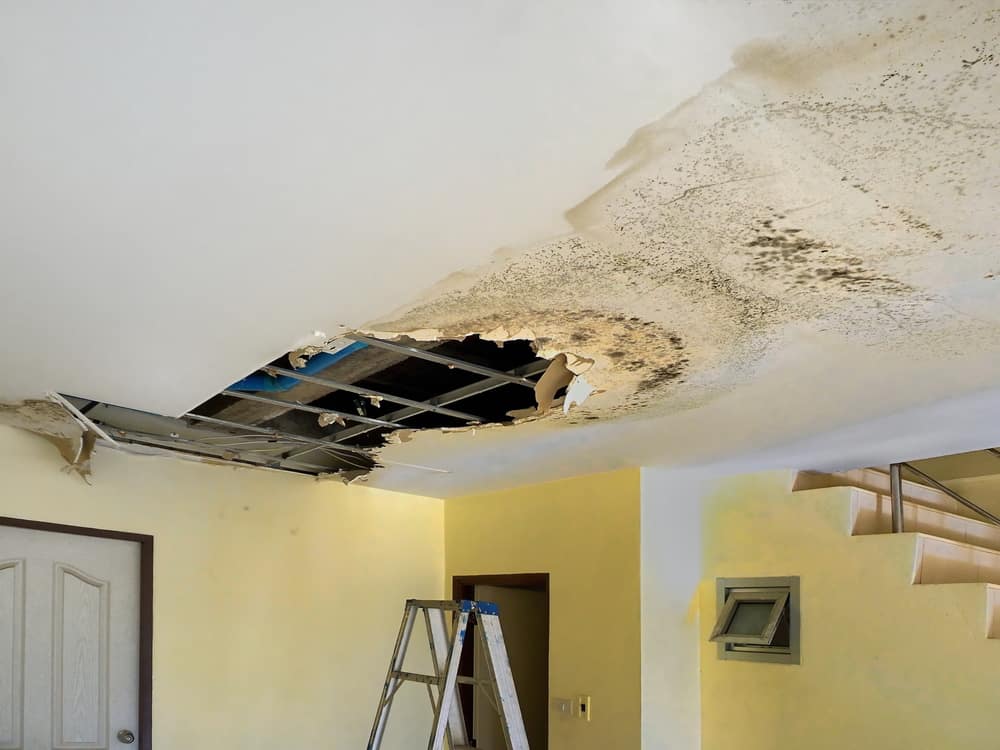
The mold problems we handle most often in Plainedge show up in three places: basements, attics, and wall cavities. Basements in homes of this era deal with hydrostatic pressure from spring thaw and aging foundation walls that weren’t waterproofed to modern standards. Attics accumulate moisture when humid summer air rises and hits cooler roof decking a pattern that’s especially common in the tightly packed residential blocks off Hicksville Road where airflow between homes is limited. Wall cavities become a problem after pipe events, roof leaks, or slow drips that go unnoticed for weeks.
Emergency mold remediation is available around the clock because water damage and mold discovery don’t follow a business schedule. A burst pipe in January or a roof breach after a nor’easter can deposit enough moisture to start mold growth within 48 hours. When that happens, speed is the difference between a contained problem and a whole-house situation.
Beyond cleanup, we also handle the rebuild. If remediation requires removing drywall, insulation, or structural material which it often does in homes this age reconstruction is part of the same scope of work. You get one point of contact, one standard of quality, and a finished result that doesn’t leave your home half-open while you track down a separate contractor.
How do I know if my Plainedge home actually has a mold problem?
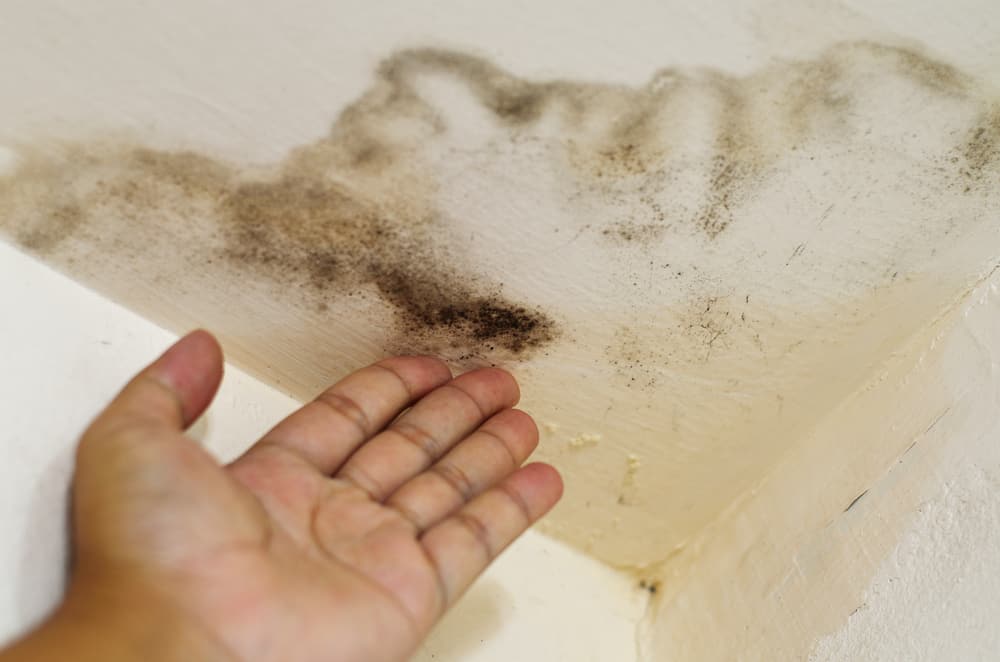
The honest answer is that you often can’t tell just by looking. Mold in Plainedge homes especially those built in the 1950s and 60s tends to grow in places that aren’t immediately visible: inside wall cavities, behind bathroom tile, under flooring near a slow leak, or in attic insulation that’s been holding moisture for years. A musty smell in a basement or a recurring allergy flare-up in a specific room are common early signals, but neither confirms the presence or scope of a problem on its own.
A proper inspection uses air sampling, surface swabs, moisture meters, and infrared imaging to find what a visual check misses. That’s the only way to know what you’re actually dealing with and in Nassau County, where older housing stock hides problems well, it’s worth doing before you assume the issue is minor or nonexistent.
What does mold remediation actually cost in Nassau County?
Cost depends heavily on how much mold is present, where it is, and how much material needs to be removed. For a contained area say, a small section of basement drywall after a pipe event remediation might run in the range of $1,500 to $3,500. Larger jobs involving attic mold, multiple rooms, or structural material removal can run significantly higher, sometimes into the $10,000 to $30,000 range for whole-house situations.
Plainedge projects tend to run on the higher end of Nassau County averages because of local labor rates and the complexity of older housing stock. Homes here with original plumbing, aging insulation, and settled foundations often require more material removal than newer construction. The best way to get an accurate number is through a documented inspection with lab results not a verbal estimate from a quick walk-through.
Will mold come back after remediation?
It can but only if the moisture source that caused it in the first place wasn’t identified and resolved. This is the most common reason homeowners end up dealing with the same mold problem twice. A company that applies antimicrobial spray to a surface without asking why the moisture was there is treating a symptom, not the problem.
In Plainedge’s older homes, moisture sources aren’t always obvious. It might be a slow roof leak that’s been feeding an attic corner for two seasons. It might be hydrostatic pressure pushing water through a foundation wall every spring. It might be a bathroom exhaust fan venting into the attic instead of outside. Proper remediation finds the source, addresses it, and then cleans what grew because of it. Do it in that order and mold doesn’t come back. Skip the first step and it will.
Does homeowners insurance cover mold remediation in New York?
It depends on what caused the mold. If it grew as a result of a covered event a burst pipe, a roof breach from storm damage, an appliance leak most standard homeowners policies in New York will cover at least a portion of the remediation cost. If the mold is the result of long-term neglect, chronic humidity, or a maintenance issue the insurer considers preventable, coverage is typically denied.
The key is documentation. Insurance adjusters need to see the connection between a covered event and the resulting mold damage, and a written inspection report with lab results is what makes that case. Our inspection process produces exactly that a documented, lab-verified record of what was found, where, and what caused it. That report is what gets claims approved, and it’s why skipping a proper inspection to save money upfront often costs more in the end.
How long does the mold remediation process take in a Plainedge home?
For a contained area a single room, a section of basement, or a localized attic problem remediation typically takes one to three days once the inspection is complete and the scope is confirmed. Larger jobs involving multiple areas or significant material removal take longer, sometimes up to a week or more depending on what reconstruction is needed afterward.
The inspection and lab results come first, which adds two to three business days before remediation begins. That timeline matters if you’re in the middle of a real estate transaction the Plainedge school district drives active buying and selling, and a mold finding during a home inspection can stall a closing quickly. Getting the inspection scheduled immediately and having lab results in hand within a few days is what keeps a transaction on track rather than falling apart over an unresolved finding.
What's the difference between mold remediation and mold removal?
Mold removal implies you can simply take mold out of a space entirely which isn’t accurate. Mold spores exist naturally in the air everywhere, including inside every home. The goal of professional mold remediation is to bring indoor mold levels back to a normal, safe range and eliminate the active growth that’s causing a problem. That involves containment, physical removal of contaminated materials, HEPA filtration, treatment of affected surfaces, and critically resolving the moisture condition that allowed mold to grow in the first place.
In Plainedge, where Nassau County’s coastal humidity and aging housing stock create favorable conditions for mold growth, remediation done properly means the environment inside your home is no longer supporting active growth. It doesn’t mean your home will never have a spore in it no home does. It means the problem that was there is gone, the source is addressed, and your indoor air quality is back where it should be.
Useful Links
Other Services we provide in Plainedge