
Hear from Our Customers
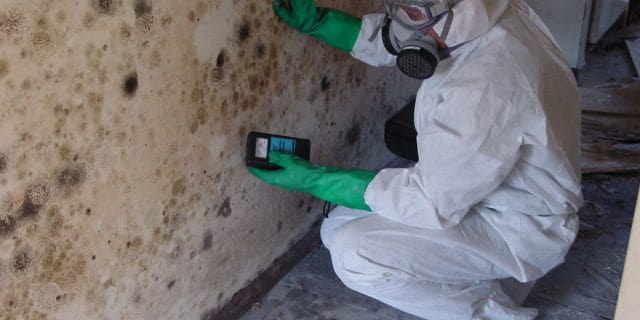
The air in your Wading River home feels different when mold is no longer in it. Not just cleaner — genuinely safer. If you’ve had a cough that won’t quit, a musty smell you can’t locate, or a family member whose allergies seem worse inside than outside, those aren’t coincidences. Mold exposure is a real health driver, and getting it out of your home is one of the most direct things you can do to protect the people living in it.
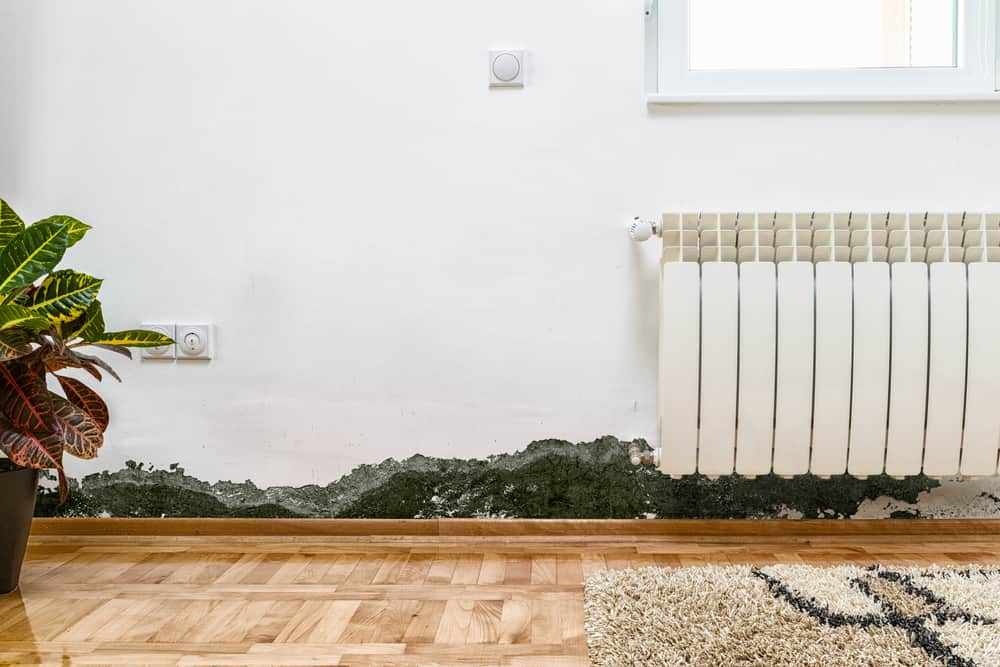
The conditions in Wading River make this more than a general concern. The Long Island Sound generates elevated humidity along the North Shore from spring through fall, and homes near the water — especially the older cottages along the Sound-facing bluffs that were originally built as seasonal structures — hold onto that moisture in places you can’t see. Crawl spaces, attic sheathing, wall cavities behind aging insulation: these are where mold colonizes quietly, sometimes for years, before anyone notices.
When we perform remediation correctly, you’re not just removing what’s visible. You’re restoring air quality that’s been compromised, protecting structural materials from continued degradation, and preserving the value of a home that — in Wading River’s current market — is likely worth somewhere between $490,000 and $560,000. That’s not a number you want mold quietly eroding.
Richard Peterson, our owner, holds personal New York State licenses in both mold assessment and mold remediation contracting. That’s not a company-level credential that sits in a filing cabinet — it’s his license, tied to his name, verifiable through the NYS Department of Labor. When we do the work, he’s personally accountable for the outcome.
The team we’ve built is IICRC-certified individually, meaning every technician who comes into your home has been formally trained and tested to the S520 Standard for Professional Mold Remediation — the industry’s governing protocol for how this work gets done correctly. That matters more than a logo on a van.
We’ve been serving Suffolk County for over three decades, which means we’ve worked in the converted Sound-side cottages near Wading River Shores, the wooded residential streets around Wildwood State Park, and the newer construction throughout the Shoreham-Wading River corridor. This isn’t a company learning your area — it’s one that already knows it.
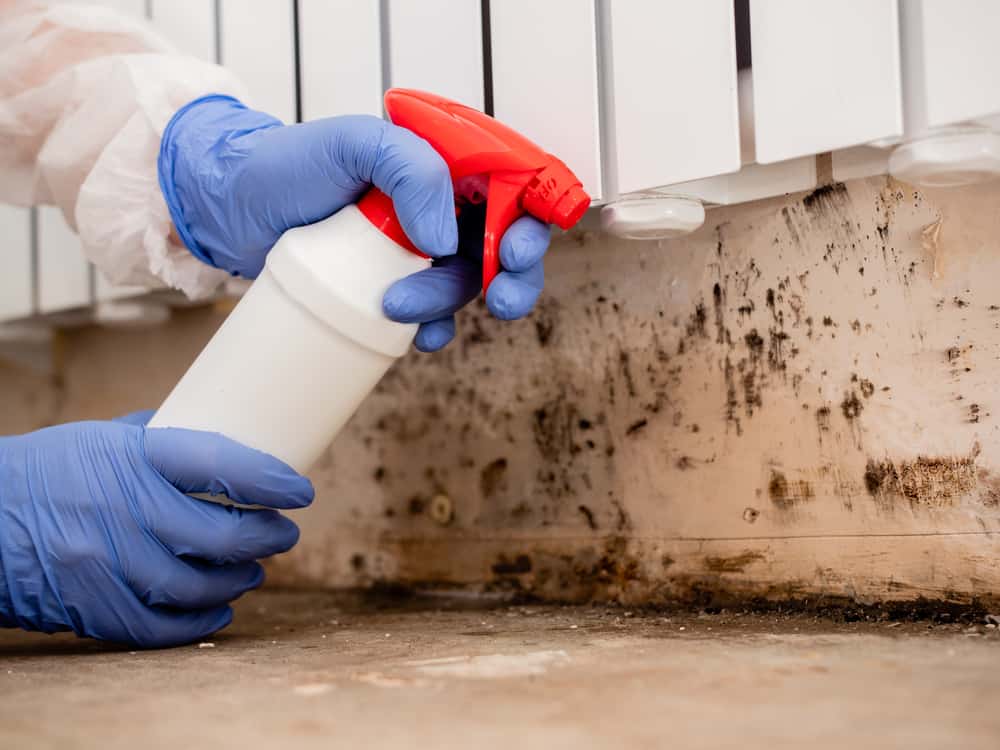
It starts with moisture mapping, not mold removal. Before anything gets treated or torn out, the affected areas are assessed with moisture detection equipment to find every source and pathway of water intrusion. In Wading River homes — particularly older structures near the Sound or properties surrounded by the wooded terrain adjacent to Wildwood State Park — there are often multiple moisture pathways working simultaneously. Identifying all of them before remediation begins is what separates a permanent fix from a temporary one.
Once the moisture sources are understood, we put containment in place. This means physical barriers and negative air pressure systems that prevent mold spores from spreading to unaffected areas of the home during the removal process. Then the actual remediation begins: affected materials are removed or treated depending on the extent of colonization, and antimicrobial agents are applied to the structural surfaces that remain.
After the work is complete, we conduct post-remediation verification through independent air quality testing. This step confirms that spore counts in the treated areas have returned to normal — not just that the visible mold is gone, but that the air is genuinely clear. You receive documentation of that result, which matters whether you’re staying in your home long-term or navigating a real estate transaction in Wading River’s active market. Under New York State’s Article 32 of the Labor Law, all of this work is performed by a fully licensed remediation contractor — something you should confirm with any company you consider hiring.
Ready to get started?
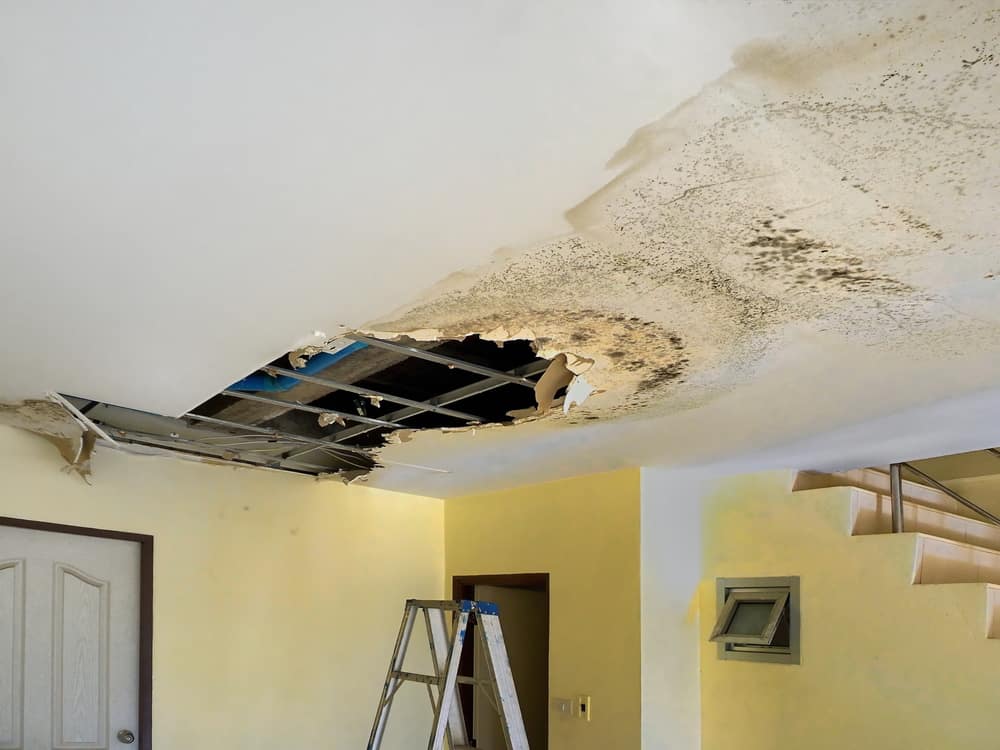
Mold remediation in Wading River isn’t one-size-fits-all because the homes here aren’t one-size-fits-all. Attic mold is one of the most common issues in this area, particularly in homes with inadequate ventilation that were originally designed for seasonal use. When Sound-side humidity pushes into an under-ventilated attic and meets warm air from the living space below, condensation accumulates on the sheathing — and mold follows. Attic mold remediation typically involves treating and cleaning the sheathing, addressing the ventilation deficiency, and verifying clearance before the space is closed back up.
Crawl space mold remediation is equally common here, especially in the older residential stock throughout Wading River. Many of these crawl spaces lack proper vapor barriers or have barriers that have degraded over time, leaving soil moisture with a direct path into the structural framing. Basement mold remediation is a consistent need after nor’easters push water into foundation systems along the North Shore. And black mold remediation — the cases that tend to generate the most urgency — follows the same protocol as any other mold type: contain, remove, treat, verify, and document.
We also handle emergency mold remediation when timing is critical — whether that’s a storm-driven water event, a burst pipe in winter, or a mold discovery during a home inspection that’s threatening to derail a closing. Our 24/7 availability isn’t a marketing line; it’s how we actually operate. Insurance navigation is part of the process too — if your situation is covered, we’ll help you document it correctly from the start.
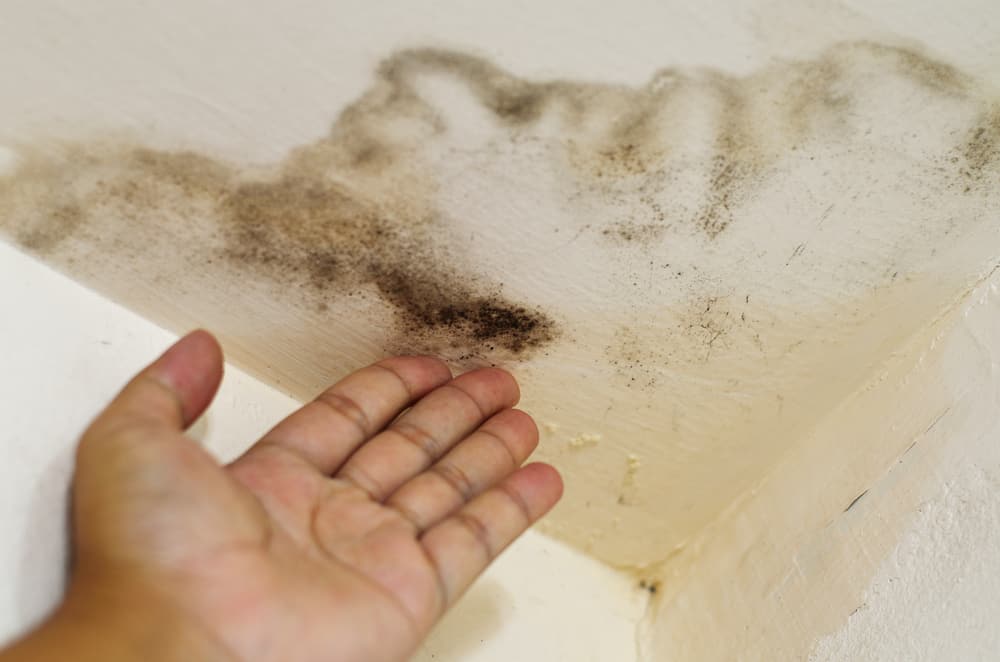
The honest answer is that cost depends on where the mold is, how far it’s spread, and what materials are affected. For most residential projects in Wading River, remediation runs somewhere between $1,200 and $3,800. Attic remediation — one of the most common issues in our area’s older housing stock — can range from $1,500 to $9,000 depending on the extent of sheathing involvement and whether ventilation corrections are needed. Crawl space work typically falls between $500 and $6,000.
What drives cost up is almost always the same thing: delayed response. Mold spreads. A contained problem in one section of a crawl space becomes a structural framing issue if it’s ignored through a second winter. The earlier you address it, the smaller the scope — and the lower the cost. Any company that gives you a firm quote before seeing the space and running moisture readings is giving you a number that doesn’t mean much. A real assessment comes first.
“Mold removal” implies that mold can be completely eliminated from an environment — and that’s not accurate. Mold spores exist naturally in the air indoors and outdoors. The goal of remediation is to bring indoor spore counts back to normal, background levels and remove the active colonization that’s causing damage and health risk. Remediation also addresses the conditions that allowed mold to grow in the first place.
This distinction matters practically. A company that promises to “remove all mold” is either overstating what’s possible or skipping the moisture source assessment that makes the work last. In Wading River, where coastal humidity and older building envelopes create persistent moisture conditions, remediation without moisture correction is almost guaranteed to result in mold returning. The process has to address both the mold and what’s feeding it.
Recurring mold almost always points to a moisture source that wasn’t fully identified or corrected the first time. In Wading River, there are several common culprits. Homes near the Sound-facing bluffs or in the wooded areas around Wildwood State Park often have shaded foundations that stay damp longer than homes in more open settings. Crawl spaces in our hamlet’s older cottages — many of which were converted from seasonal to year-round use without full building envelope upgrades — frequently lack adequate vapor barriers or have barriers that have deteriorated.
HVAC systems are another overlooked source. When air conditioning runs in humid summer conditions and the system isn’t properly sized or maintained, condensation can accumulate inside ductwork and at supply registers, feeding mold growth in wall cavities and ceiling spaces. If mold has returned after a previous treatment, the question to ask isn’t just “was the mold removed?” — it’s “was the moisture source identified and corrected?” If the answer to the second question is no, the mold was never truly resolved.
Yes — under New York State’s Article 32 of the Labor Law, which has been in effect since January 1, 2016, any person or company performing mold remediation in New York must hold a valid mold remediation contractor license issued by the NYS Commissioner of Labor. Individual workers performing the physical abatement are required to hold mold abatement worker certifications. This isn’t a technicality — it’s a consumer protection law with real consequences.
Hiring an unlicensed contractor in New York can result in your insurance claim being denied, since many carriers require that remediation be performed by a licensed professional to honor coverage. It also means you have limited legal recourse if the work is done incorrectly. You can verify any contractor’s license status directly through the NYS Department of Labor’s online database. Richard Peterson’s licenses — both mold assessor and mold remediation contractor — are individually issued and publicly verifiable. That’s the standard you should hold every contractor you speak with to.
Yes, and this is one of the most important things to understand about mold in Wading River homes. Mold growing in an attic or crawl space doesn’t stay contained to that space. Spores migrate through gaps in framing, around recessed light fixtures, through HVAC systems, and via the natural air movement that occurs in any structure. A significant mold colony in a crawl space can meaningfully affect the air quality in the living areas above it — even if there’s no visible mold anywhere in the home.
The health impact is real. Mold exposure is linked to respiratory irritation, worsening asthma symptoms, chronic coughing, and more serious effects in young children, elderly residents, and anyone with compromised immune function. In Wading River’s 55+ community of Ramblewood and in homes where older residents or young families are present, this isn’t an abstract risk. If you have a musty smell in your home, unexplained respiratory symptoms that improve when you leave the house, or a history of water intrusion in your crawl space or attic, those are reasons to have the space assessed — not reasons to wait.
A mold finding during a home inspection in Wading River creates an immediate timeline pressure — buyers, sellers, and attorneys all need resolution before a closing can proceed. The first step is getting a licensed mold assessor to evaluate the extent of the problem and produce a written assessment. Under New York State law, the same company cannot perform both the assessment and the remediation on the same project, so the assessment and remediation must be handled by separate licensed parties.
Once the scope is documented, remediation can proceed — and in a real estate context, speed matters. Delays cost money on both sides of the transaction. After remediation is complete, we conduct post-remediation verification through independent air quality testing that produces the clearance documentation buyers’ attorneys and inspectors require before a sale can close. We handle this type of time-sensitive remediation regularly in Suffolk County’s active real estate market. If you’re dealing with a mold finding that’s threatening a closing on a Wading River property, the priority is getting a licensed assessment done immediately so the remediation timeline is clear.
Useful Links
Other Services we provide in Wading River