
Hear from Our Customers
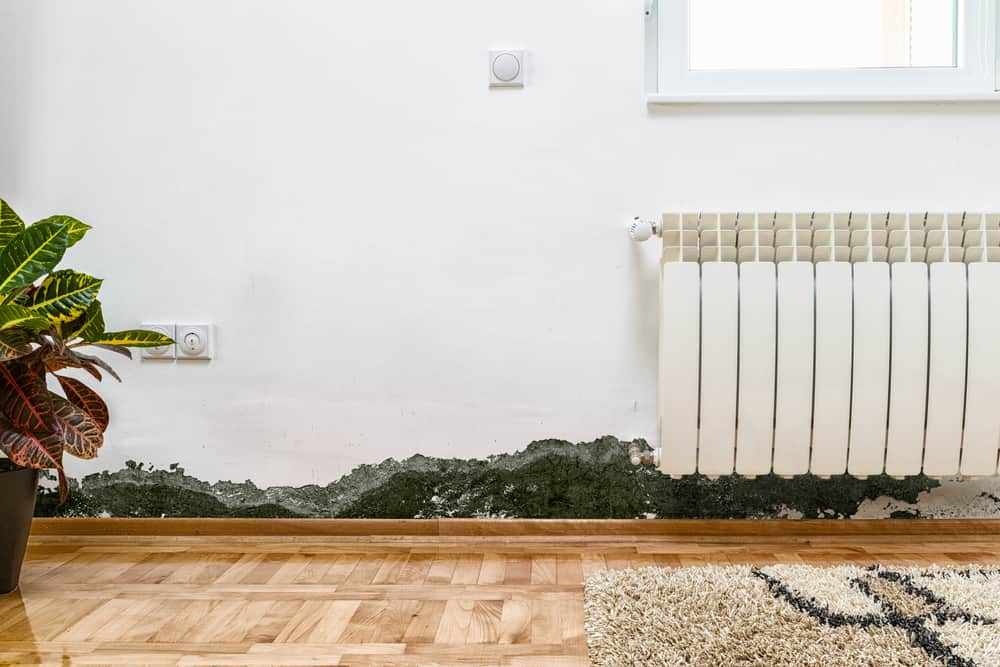
The musty smell in your basement isn’t just unpleasant — it’s a signal. In Wantagh, where most homes were built in the 1950s and 1960s without modern waterproofing, that smell usually means moisture has been sitting somewhere long enough to become a real problem. Finished basements, crawl spaces, and attic knee walls in post-war construction are the most common places mold takes hold — and the hardest places to spot it without the right equipment.
When mold remediation is done correctly, you stop treating the symptom and start fixing the source. That means the moisture intrusion point gets identified and addressed — not just the visible growth on the surface. For Wantagh homeowners on the South Shore, where the Great South Bay keeps ambient humidity elevated well above the 60% threshold that accelerates mold growth, that source identification step is what separates a permanent fix from something that comes back in six months.
What you get on the other side is a home you can breathe in, documentation you can show a buyer or an insurance adjuster, and the confidence that the job was done right. With median home values in Wantagh approaching $840,000, the cost of not handling this correctly — a failed inspection, a buyer who walks, a recurring problem — is far greater than the cost of doing it right the first time.
We’ve been serving Nassau County homeowners for nearly three decades. That means we were here before, during, and after Superstorm Sandy, when South Shore communities like Wantagh faced some of the worst coastal flooding this region has ever seen. We know what post-storm mold looks like in a 1957-built ranch off Wantagh Avenue. We know the specific vulnerabilities of this housing stock, and we know this community.
Every technician on our team holds individual IICRC certification — not just the company. That distinction matters because the quality of the person who shows up at your door is the single biggest variable in whether this gets fixed correctly. We also carry full reconstruction capability, so when materials need to come out, we see the job through to finished walls — one company, one call, full accountability.
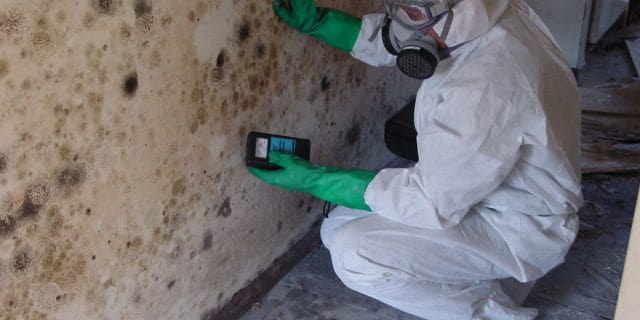
It starts with a 13-point mold inspection. We use infrared imaging, air testing, swab sampling, and moisture level measurement to find mold that a visual inspection alone will miss — including growth behind finished basement walls, inside attic spaces, and beneath crawl space vapor barriers. You get a written report with lab results within 2 to 3 business days. That documentation matters whether you’re dealing with a health concern, an insurance claim, or a home sale.
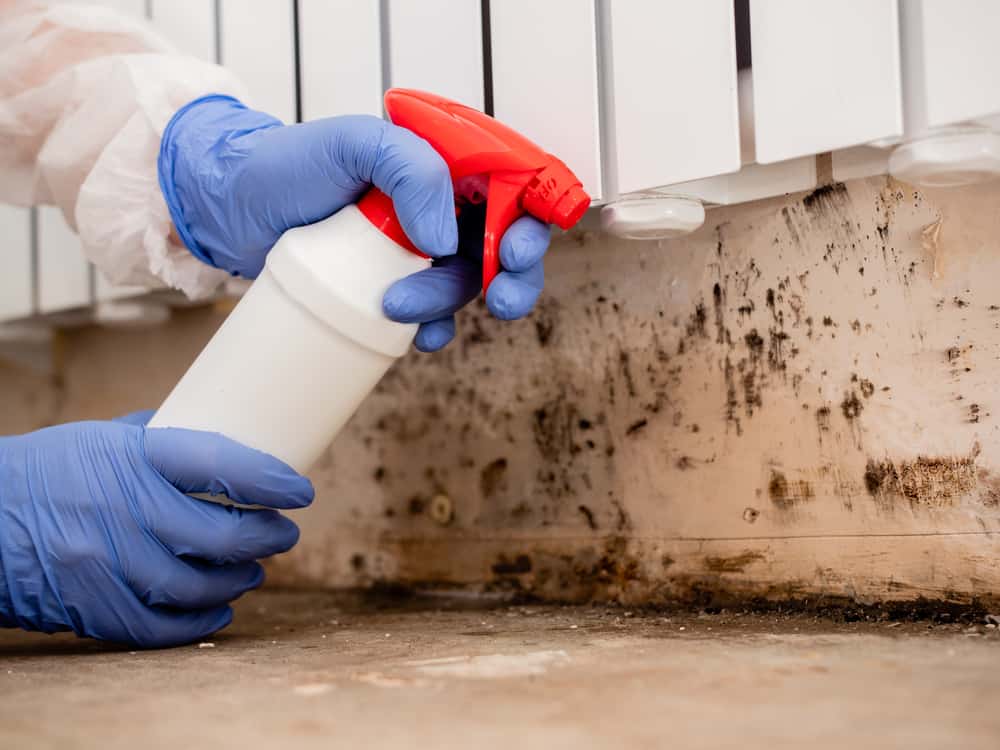
Once the assessment is complete — and under New York State’s 2016 mold law, the assessor and remediator must be separate entities, which protects you from inflated findings — remediation begins with full containment. We isolate the affected area, run HEPA air filtration, remove contaminated materials, treat surfaces with EPA-registered antimicrobials, and dry the space to measured moisture levels. Our trucks arrive fully equipped on every call, so the job starts when we do.
The final step is post-remediation clearance testing. This is the written proof that the mold is gone and the space meets clearance standards — the documentation a future buyer’s inspector or your insurance adjuster will want to see. For Wantagh homeowners navigating a real estate transaction or an active insurance claim, this step isn’t optional. It’s what closes the loop.
Ready to get started?
Mold remediation in Wantagh isn’t a one-size situation. A finished basement in Wantagh Woods that flooded during a nor’easter looks different from attic mold in a Forest City home where ventilation hasn’t been updated since the Eisenhower administration. What stays consistent is the scope of what we bring to every job: full containment, HEPA filtration, material removal where necessary, antimicrobial treatment, structural drying, and post-remediation clearance testing with written lab results.
We also address the moisture source — because without that step, the mold comes back. Whether it’s a foundation crack, a failing sump pump, inadequate attic ventilation, or storm-related water intrusion from a South Shore flooding event, we identify the entry point and include that finding in your written report. That’s the part most companies skip, and it’s the reason so many homeowners end up calling someone a second time.
For jobs that require material removal — drywall, insulation, framing — we offer full reconstruction services. You don’t need to find a separate contractor to close up your walls after remediation. We carry the job from first inspection through finished restoration, which means one point of contact and no gaps in accountability. Emergency mold remediation is also available 24 hours a day, 7 days a week, including weekends — because South Shore storms don’t follow business hours.
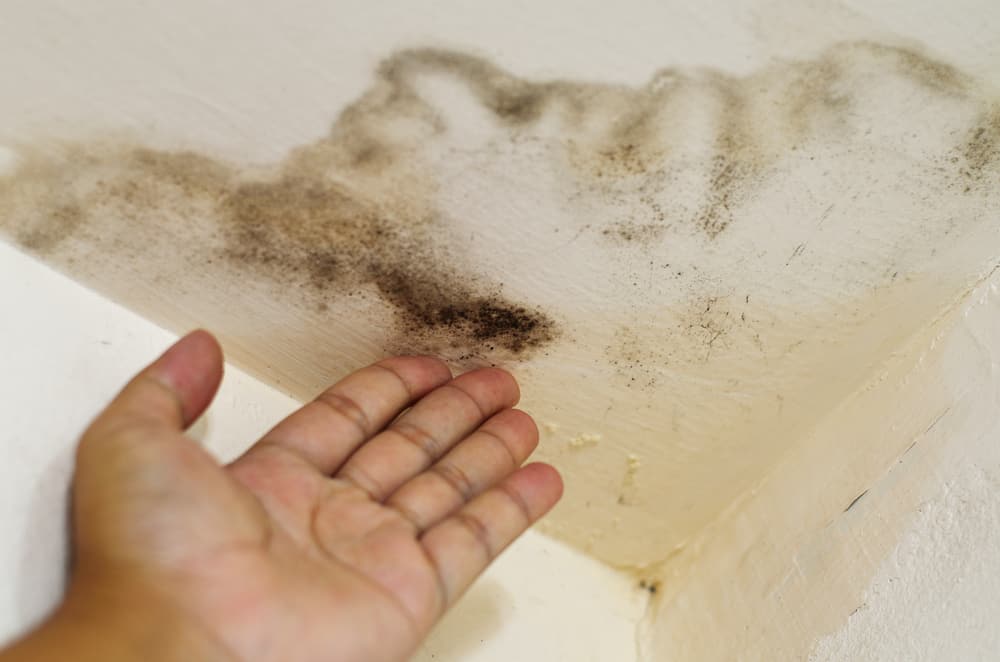
Nationally, mold remediation averages somewhere between $1,200 and $3,800, with most jobs landing around $2,300. In Wantagh and across Nassau County, expect that range to run higher — Long Island labor costs and cost of living push restoration pricing roughly 30% above national averages. The size of the affected area, the location of the mold, and whether materials need to be removed and replaced all affect the final number.
What shifts the cost most significantly is scope. A crawl space with surface mold and no structural involvement is a very different job from a finished basement where water has been sitting behind drywall for weeks after a sump pump failure. The best way to get an accurate number is through a proper inspection — not a phone estimate. Our 13-point inspection gives you a written assessment with lab results, so you know exactly what you’re dealing with before any remediation work begins.
Mold removal suggests you can take all the mold out of a space completely — and that’s not really how it works. Mold spores exist naturally in the air and in building materials. The goal of mold remediation is to bring mold levels back to a normal, non-harmful baseline, remove the active growth, treat affected surfaces, and eliminate the moisture source that allowed it to develop in the first place.
Remediation is a process, not just a cleanup. It involves containment so spores don’t spread during the work, HEPA filtration to capture airborne particles, physical removal of contaminated materials where necessary, antimicrobial treatment, and post-remediation clearance testing to confirm the space meets acceptable standards. A company that offers to “remove” your mold with a spray bottle and some scrubbing is not offering you remediation — they’re offering you a temporary cosmetic fix that will return.
Mold can begin growing within 24 to 48 hours of water intrusion under the right conditions — and Wantagh’s South Shore climate provides exactly those conditions. The Great South Bay keeps ambient humidity elevated throughout the warmer months, and post-war basement construction in Wantagh often lacks the vapor barriers and waterproofing membranes that modern builds include. That combination means a wet basement in Wantagh can become a mold problem faster than most homeowners expect.
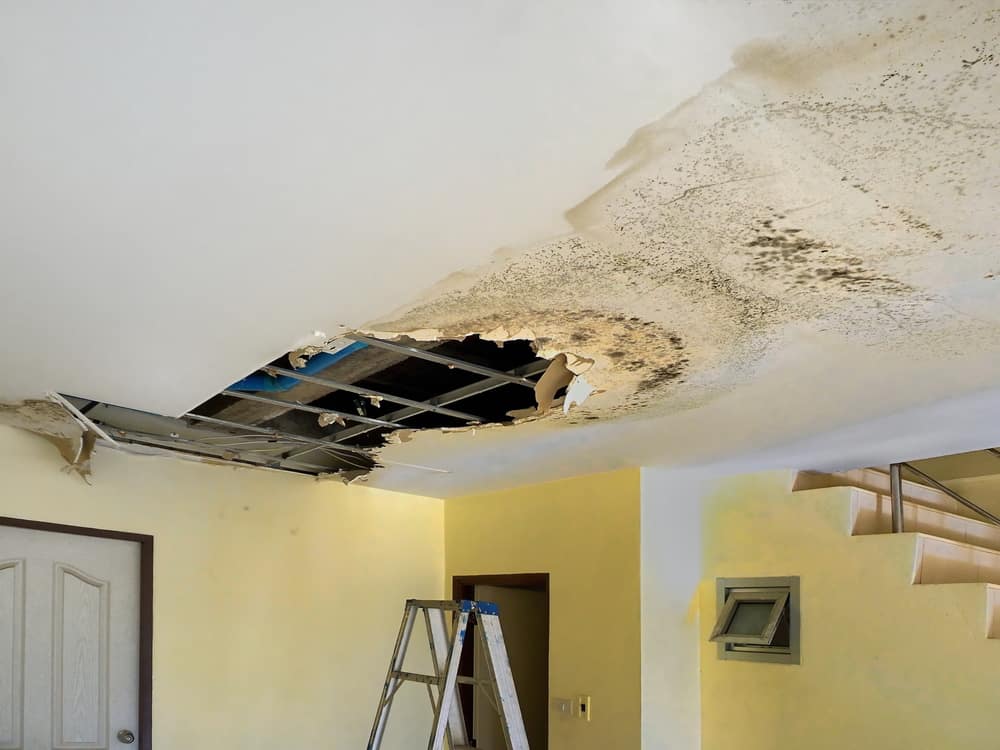
The 48-hour window is why response time matters so much after a flooding event. Whether it’s a sump pump failure during a nor’easter, storm surge from a South Shore weather system, or a burst pipe in a home built in the 1950s, getting water extraction and drying equipment into the space quickly is what prevents a water damage situation from becoming a mold remediation situation. If you’ve already passed that window, don’t wait — the longer active mold growth continues, the more material typically needs to come out.
Yes, and it’s worth understanding before you hire anyone. New York State passed a mold law in 2016 that requires the contractor who assesses your mold problem to be a different entity from the contractor who performs the remediation. The law exists specifically to protect homeowners from a scenario where a company exaggerates or manufactures findings during a “free inspection” in order to generate remediation revenue — with no independent check on whether the assessment was honest.
In practical terms, this means any company in Wantagh that offers to inspect and remediate your mold in a single transaction, under one license, is operating outside New York State law. Mold assessors and mold remediation contractors must hold separate licenses, and the same individual or company cannot hold both for the same project. When you work with a company that explains this law clearly and complies with it fully, that’s a meaningful signal about how we operate — not just what we say about ourselves.
It depends on the size and location of the affected area. For smaller, contained jobs — surface mold in a crawl space or a limited section of an unfinished basement — most homeowners can remain in the house with the affected area properly sealed off. For larger jobs involving significant material removal, active HEPA air filtration running throughout the home, or mold in HVAC systems that could circulate spores, temporary relocation is often the safer and more practical choice.
We’ll give you a straight answer on this during the inspection phase, before any work begins. The written assessment will include findings on the extent of growth, the affected materials, and the containment approach — so you’re not making that decision based on a verbal guess. For Wantagh homeowners dealing with post-storm remediation in a finished basement or an attic space, the scope of material removal is usually the deciding factor, and that’s something the inspection report will make clear.
If the moisture source isn’t addressed, yes — it will come back. That’s the honest answer, and it’s the most important thing to understand before you hire anyone for mold remediation in Wantagh. Surface treatment without identifying and correcting the underlying water intrusion point is a temporary fix. It might look resolved for a few months, but the conditions that created the mold in the first place are still there.
Wantagh’s housing stock — with a median construction year of 1957 — has specific vulnerabilities that make moisture source identification especially important. Aging foundation walls, original plumbing systems, inadequate attic ventilation, and decades of South Shore humidity exposure create multiple potential entry points. Our process includes identifying the source as part of the inspection and including those findings in the written report. Whether it’s a foundation crack, a ventilation issue, or a drainage problem tied to the area’s documented flooding history, that finding drives the remediation plan — not just the visible mold. Fix the source, and the remediation holds.
Useful Links
Other Services we provide in Wantagh