
Hear from Our Customers
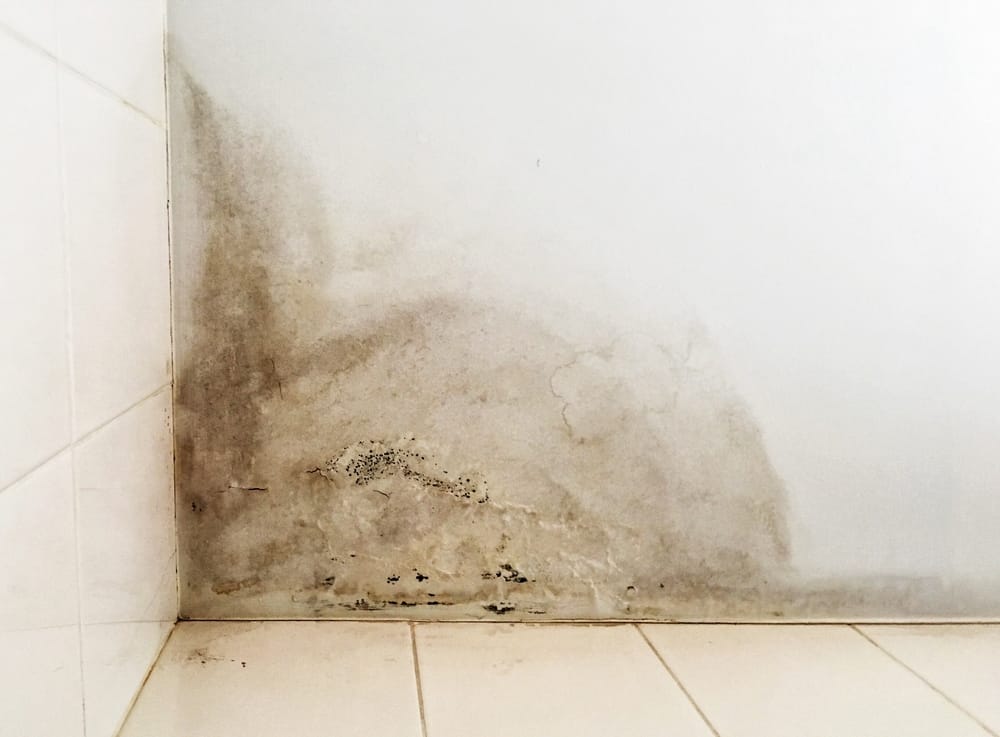
Most mold problems in Bellerose don’t start with a smell or a stain. They start with a wet basement after a nor’easter, a slow pipe leak inside a plaster wall that nobody noticed for six months, or an attic that’s been trapping humid summer air since the Eisenhower administration. By the time you see something, the mold has usually been there a while. The real outcome of professional mold removal isn’t just a cleaner house — it’s knowing the problem is actually gone, not painted over.
Homes in Bellerose were built between 1910 and the mid-20th century, well before modern vapor barriers and moisture-resistant building materials existed. That means hidden mold in wall cavities, floor joists, and attic insulation is more common here than in newer construction. When remediation is done right — with air sampling, surface testing, and post-clearance lab confirmation — you get documented proof, not just a verbal “looks good.” That documentation matters when you’re protecting a home valued near $900,000 in one of Nassau County’s most tightly held real estate markets.
Your family’s air quality improves. The musty odor disappears. And if you’re planning to sell, you have a lab-certified clearance report that holds up in any buyer negotiation. That’s what a complete job actually delivers.
We’ve been serving Nassau County homeowners for over three decades. That’s not a marketing number — it means we’ve worked inside the same western Nassau housing stock that makes up Bellerose: pre-war colonials, basement-heavy construction, aging plumbing systems, and attic spaces that weren’t built with today’s ventilation standards in mind. We know where moisture hides in these homes because we’ve seen it hundreds of times in Bellerose and the surrounding villages.
Every technician who walks into your Bellerose home holds individual IICRC certification — the industry’s recognized standard for mold remediation. Not just our company. Not just the project manager. Every person on the job. We’re also fully licensed under New York State’s mold contractor requirements, which matters more than most homeowners realize when it comes to protecting yourself legally and financially.
We handle mold remediation and the water damage behind it — so you’re not juggling two separate contractors after a basement flood or a hidden pipe failure.
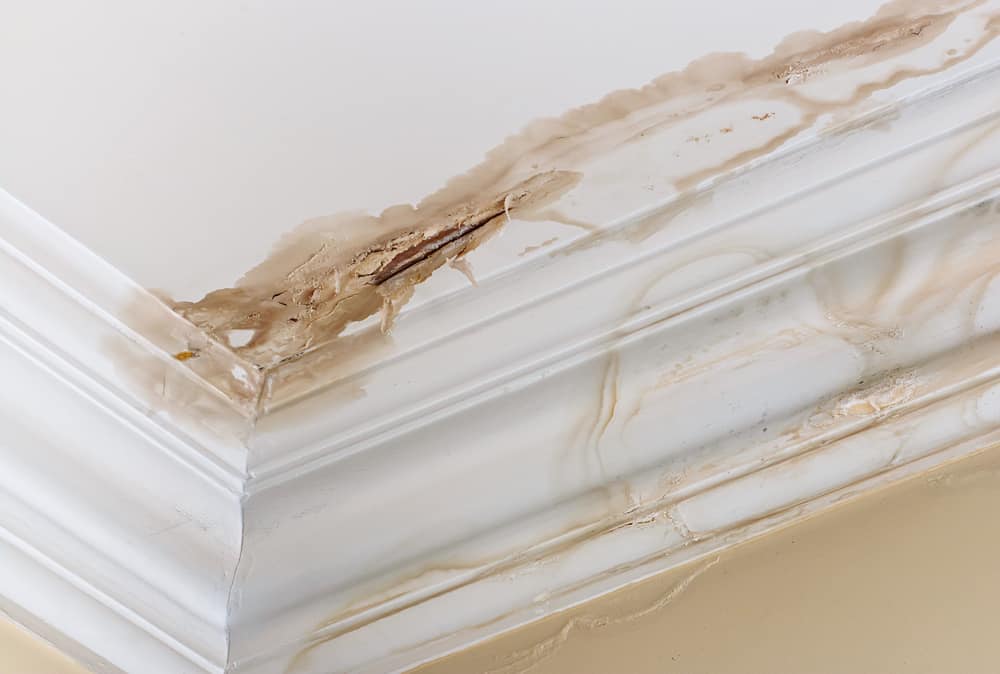
It starts with a thorough inspection — not just the areas you can see, but the ones you can’t. In Bellerose’s older homes, that means checking inside wall cavities with boroscopic equipment, pulling air samples, and testing surface areas where moisture has tracked through aging foundation walls or around plumbing that may not have been touched in decades. We’re looking for the full picture, not just the obvious spot on the ceiling.
Once we know what we’re dealing with, remediation is contained. We seal off the affected area, use HEPA filtration to prevent spores from spreading to clean parts of your home, and remove contaminated materials safely. If the moisture source is a water damage issue — a flooded basement, a failed pipe, storm intrusion — we handle that too, so the mold doesn’t come back in the same spot six months from now. This matters especially in Bellerose, where the water table in western Nassau County means basements can stay damp long after a flooding event, giving mold every opportunity to re-establish.
After the work is done, we don’t just pack up and leave. Post-remediation air sampling confirms the space is clear, and you receive chain-of-custody lab documentation — the kind that holds up for insurance claims and real estate transactions alike.
Ready to get started?
Mold removal in Bellerose, NY covers more ground than most homeowners expect going in. Beyond the visible growth, we’re assessing attic mold in poorly ventilated roof spaces, basement mold along foundation walls that have absorbed groundwater over decades, crawl space mold in homes where moisture sits with nowhere to go, and bathroom mold that’s worked its way behind tile and into the substructure. These aren’t edge cases in a village of century-old homes — they’re the norm.
Every job includes a full inspection with air and surface sampling, containment setup, safe removal of contaminated materials, HEPA-filtered air scrubbing, and post-remediation clearance testing with lab documentation. If your situation involves water damage — which most mold situations in Bellerose eventually trace back to — that’s handled under the same roof. You’re not being handed off to a second company to finish the job.
New York State law requires that mold assessment and mold remediation be handled by separately licensed entities. We operate in full compliance with that requirement, which protects you from contractors who cut corners on the legal side. And if you’re filing an insurance claim, our deductible coverage program provides up to $500 toward your out-of-pocket costs — something no other mold removal company identified in the Bellerose market currently offers.
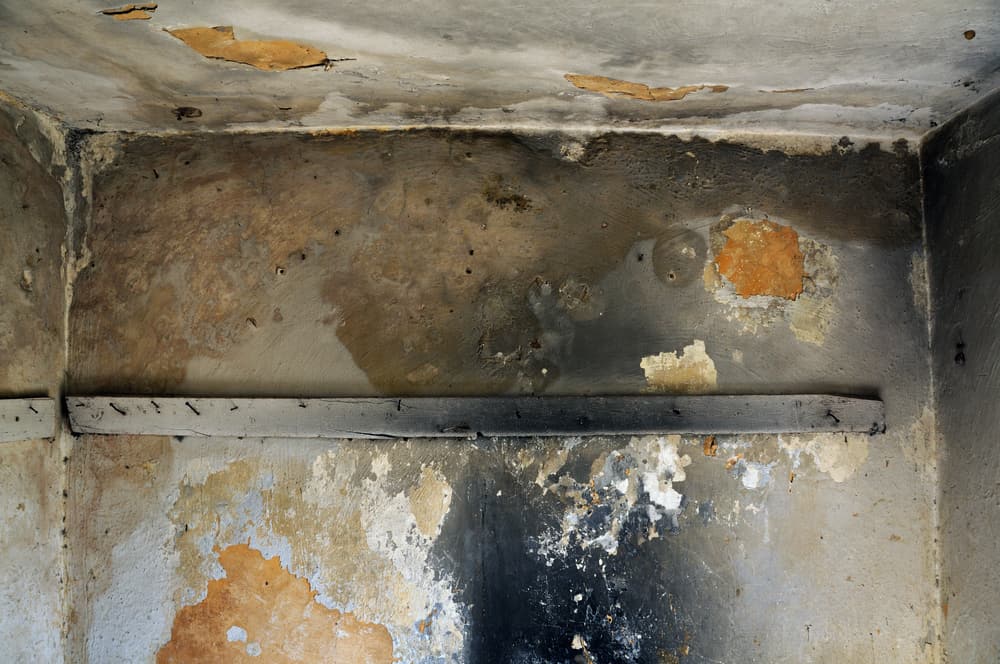
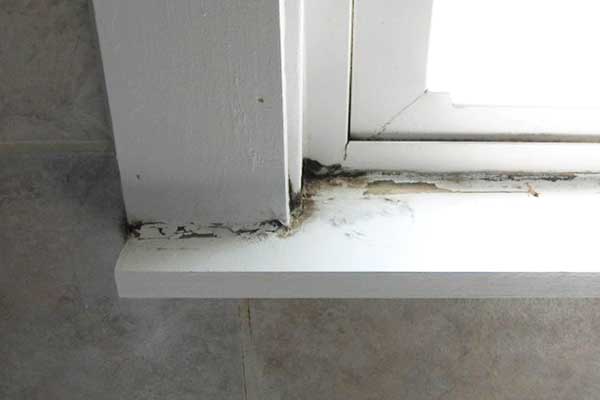
In a home built in the early to mid-1900s — which describes most of Bellerose Village — mold can live inside wall cavities, behind plaster, and under flooring for a long time before it becomes visible or produces an obvious odor. The most common signs are a persistent musty smell in a specific room, allergy or respiratory symptoms that improve when you leave the house, or a history of any water intrusion event, even a minor one. Discoloration around baseboards, window frames, or ceiling edges can also point to moisture that’s been sitting longer than you’d expect.
The only way to know for certain is a professional inspection that goes beyond what the eye can see. We use boroscopic equipment to look inside wall cavities without tearing open drywall unnecessarily, combined with air sampling that captures spore counts throughout the home. If mold is present — even where you can’t see it — the testing will show it. That’s the starting point for any legitimate remediation, and it’s the only way to document that the problem has actually been resolved afterward.
Mold removal costs vary based on how much area is affected and where the mold is located. A contained bathroom or small basement area might run in the range of $500–$1,500. Larger jobs involving attic mold, multiple rooms, or significant structural material removal can reach $3,000–$7,000 or more, particularly in older Bellerose homes where the remediation involves more layers of material. In Nassau County’s labor market, expect pricing at or above national averages — that’s the reality of working in a high-cost area.
Whether insurance covers it depends on the cause. If mold resulted from a sudden, covered water event — like a burst pipe or storm flooding — your homeowners policy may cover remediation, though mold-specific coverage is often limited or subject to caps. If it’s the result of long-term moisture buildup, most standard policies won’t cover it. Proper documentation — the kind that comes from a licensed contractor with chain-of-custody lab records — significantly strengthens any insurance claim you do file. Our deductible coverage program also provides up to $500 toward your out-of-pocket costs, which helps offset the gap between what insurance pays and what you owe.
Attic mold is one of the most common issues we find in Bellerose’s older housing stock, and it’s frequently a surprise to homeowners who haven’t been up there in years. The reason it’s so prevalent comes down to ventilation. Homes built in the early to mid-1900s often have attic spaces that don’t meet modern ventilation standards — not enough ridge venting, soffit venting, or airflow to prevent warm, humid air from stagnating in the summer months. Long Island’s hot, humid summers push attic temperatures and humidity levels high enough that mold can establish itself on roof sheathing and rafters relatively quickly.
Attic mold removal involves more than spraying a surface. The contaminated wood needs to be treated or replaced depending on how deep the growth has penetrated, and the underlying ventilation issue needs to be addressed — otherwise the mold returns within a season or two. We assess both the mold and the conditions that caused it, so the fix is complete. Attic remediation is typically priced per square foot, and in Nassau County homes of this era, it’s not unusual for attic spaces to require significant work given how long the conditions have been favorable.
For mold remediation work that doesn’t involve structural changes — removing and replacing drywall, for example — a building permit is generally not required. However, if the remediation involves opening walls, replacing structural materials, or making modifications to the building envelope, Nassau County and Bellerose Village building requirements may apply. Bellerose is an incorporated village with its own municipal government, which means local oversight can be more involved than in unincorporated hamlets like neighboring Bellerose Terrace or Elmont.
What is required at the state level is that any company performing mold assessment or mold remediation in New York holds a valid NYS Department of Labor mold license. New York is also one of the few states that legally prohibits the same company from performing both mold testing and mold remediation on the same property — a consumer protection law designed to prevent conflicts of interest. We operate in full compliance with both requirements. If your project does require any local permits based on the scope of work, we’ll identify that during the initial inspection so there are no surprises.
For a contained area — a single bathroom, a section of basement wall, or a small section of attic — remediation can typically be completed in one to two days. Larger jobs involving multiple rooms, significant structural material removal, or attic remediation across a full roof deck can take three to five days or longer. In Bellerose’s older homes, where mold has sometimes been growing undetected inside wall cavities or beneath original flooring for an extended period, the scope of work isn’t always clear until the inspection is complete and containment is set up.
Post-remediation clearance testing adds time to the overall timeline — air samples need to be sent to a certified laboratory, and results typically come back within two to three business days. That step isn’t optional if you want documented proof that the space is clear, and it’s especially important in a real estate context where a buyer or their attorney may request the records. We’ll give you a realistic timeline after the initial inspection, not a number pulled from the air before we’ve seen the actual conditions in your home.
Yes — and in Bellerose’s market, the financial stakes are significant. With median home values approaching $900,000, a mold disclosure can reduce your sale price by 20% or more, and research consistently shows that roughly half of buyers walk away entirely from a home once they learn mold is present. That’s not a hypothetical risk in a village where homes trade at this level and buyers arrive with experienced attorneys and inspectors who know what to look for.
The good news is that a properly documented remediation — with pre- and post-testing lab reports, chain-of-custody records, and a licensed contractor’s sign-off — can actually work in your favor during a transaction. It demonstrates that the issue was identified, handled professionally, and verified as resolved. Buyers and their agents respond very differently to “we found mold and here’s the complete documentation showing it was remediated by a licensed contractor” versus a disclosure with no follow-up. If you’re preparing to list a home in Bellerose, a pre-listing mold inspection is one of the more straightforward ways to protect your asking price before negotiations even begin.
Useful Links
Other Services we provide in Bellerose