
Hear from Our Customers
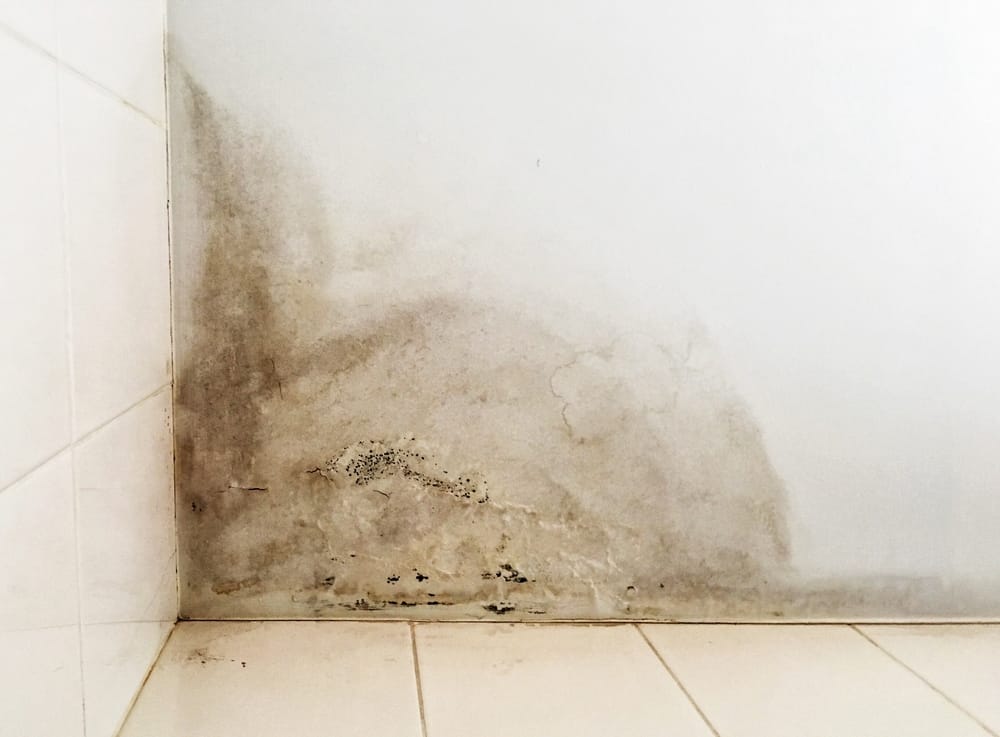
You stop second-guessing the air in your own home. That musty smell in the basement disappears. The crawl space that’s been quietly growing a problem since last nor’easter gets handled — completely, not just on the surface. That’s what professional mold removal in East Hampton North, NY actually delivers.
East Hampton North sits in one of the most persistently humid environments on all of Long Island. Year-round relative humidity here regularly runs between 72% and 82% — well above the 60% threshold where mold starts thriving. That’s just the reality of living on the South Fork. Older homes in this community, many built between the 1940s and 1970s, weren’t designed with today’s moisture science in mind. Crawl spaces without proper vapor barriers, attics with inadequate ventilation, and basements with aging foundation walls are common here — and they’re exactly where mold gets comfortable.
When we complete the remediation correctly, you get your home back. You get documentation that holds up for insurance claims, real estate transactions, and your own peace of mind. And you don’t have to wonder whether the job was finished or just covered up.
First Response Restoration and Cleaning Inc. has been serving Suffolk County homeowners for 31 years — including the year-round communities of the East End like East Hampton North that other companies treat as an afterthought. We’re IICRC-certified, NY State licensed under Article 32 of the NY Labor Law, fully bonded, and insured. That’s not a checklist — it’s what protects you legally and financially when mold work is done on your property.
East Hampton North isn’t East Hampton Village. The people here are year-round residents — working families, tradespeople, property managers, longtime East Enders — with real homes and real stakes. We understand the difference, and we work accordingly. Whether you’re in the Freetown area, near Springs, or anywhere else in East Hampton North, we show up prepared for what coastal Suffolk County homes actually deal with: storm flooding, frozen pipes, high groundwater, and humidity that doesn’t quit.
We handle the insurance coordination too, so you’re not navigating that process alone.
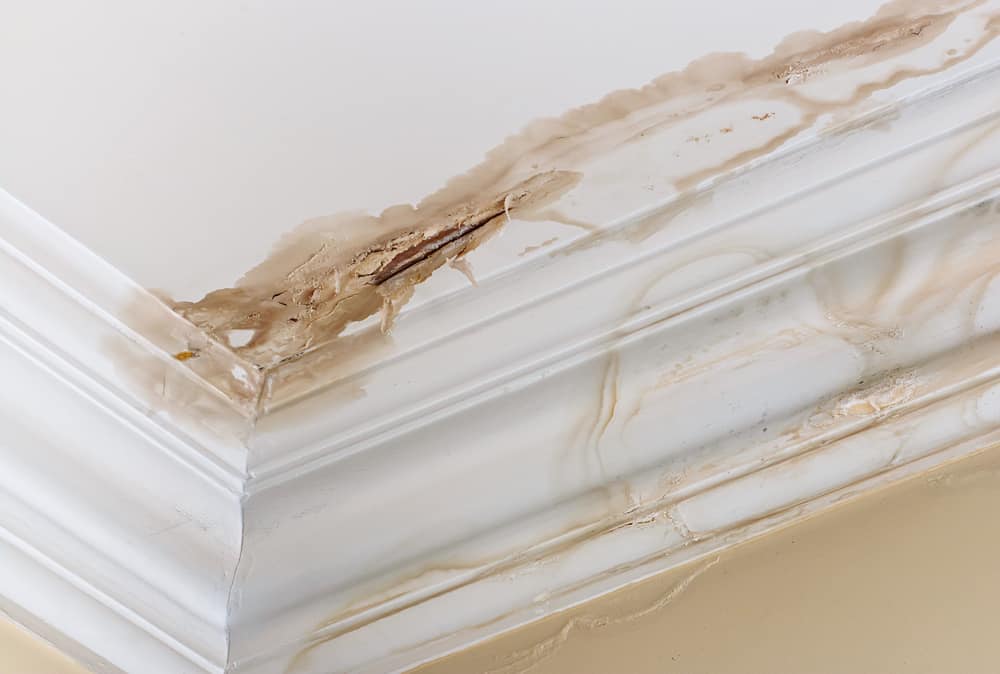
It starts with a thorough inspection. We use moisture sensors, particle counters, and thermal imaging to find mold where you can’t see it — behind drywall, under flooring, inside ductwork, inside crawl space framing. Visible mold is rarely the whole story, especially in a home that’s absorbed years of coastal humidity or taken on water from a storm.
Once we know the full scope, a licensed mold assessor produces a written remediation plan — which is required by New York State under Article 32 before any paid remediation work can legally begin. That plan drives everything. We set up containment to prevent spores from spreading to unaffected areas of your home, then remove contaminated materials, treat surfaces, and run HEPA air scrubbers to bring indoor air quality back to safe levels. For East Hampton North homes that have experienced basement flooding from groundwater pressure or storm surge — both documented recurring issues in this area — we also coordinate the structural drying and dehumidification needed to prevent the problem from coming back.
When the work is complete, post-remediation clearance testing is performed by an independent third party. You get written documentation confirming that spore counts are back to safe levels. That paperwork matters for your insurance claim, for a home sale, and for your family’s health.
Ready to get started?
Basement mold removal in East Hampton North is one of the most common calls we get from this area — and for good reason. High groundwater tables, aging foundation systems, and the kind of storm activity the South Fork sees regularly make basement moisture a persistent reality. We don’t just treat what’s visible. We address the moisture source, remove affected materials, and dry the structure so the conditions that fed the mold don’t immediately recreate the problem.
Attic mold removal is just as common here, driven by the temperature differentials between warm interior air and cold attic surfaces in winter — a cycle that hits older East Hampton North homes especially hard. Crawl space mold removal follows the same pattern: inadequate vapor barriers, poor ventilation, and ground moisture create exactly the environment mold needs. We handle all of it, including bathroom mold removal for the surface-level growth that coastal humidity accelerates in even well-maintained homes.
If your HVAC system has been sitting idle in a seasonal property — common in the broader East Hampton area — duct contamination is a real concern. When systems restart and push air through mold-colonized ductwork, the problem spreads fast. We offer full air duct inspection and safe mold removal as part of a complete remediation scope. One call covers the full picture, from inspection through clearance.
It depends on what caused the mold, and the answer matters a lot when your home is worth close to $925,000. Most homeowners insurance policies will cover mold remediation if it resulted from a covered event — a burst pipe, storm damage, or roof leak, for example. What they typically won’t cover is mold that developed from long-term neglect or gradual moisture buildup, even if that moisture came from a source like chronic basement seepage or poor ventilation.
East Hampton North homeowners dealing with post-storm mold — which is common after the nor’easters and coastal flooding events this area sees regularly — often have a legitimate covered claim. The key is documentation. We work directly with your insurance company, helping to document the damage accurately and communicate with adjusters throughout the process. Getting that documentation right from the start significantly affects what your policy actually pays out.
Mold can begin developing within 24 to 72 hours of water exposure — and in East Hampton North’s coastal humidity, that window is on the shorter end. When relative humidity is already running above 70% year-round, any new moisture event gives mold near-ideal conditions to establish itself fast. A basement that floods during a storm, a pipe that bursts during a January freeze, a roof leak from a nor’easter — all of these create the same urgent timeline.
That’s why waiting isn’t a neutral choice. The longer water sits in a basement, crawl space, or wall cavity, the more surface area mold colonizes, and the more materials — framing, drywall, insulation — need to be removed rather than treated. Early intervention is almost always less expensive and less disruptive than delayed response. We’re available 24/7 for exactly this reason.
Black mold — Stachybotrys chartarum — is a specific species that thrives in chronically damp environments with cellulose-rich materials like wood framing and drywall. East Hampton North’s older housing stock, combined with persistent coastal humidity and the frequency of water intrusion events in this area, creates conditions where black mold can establish itself in basements, crawl spaces, and behind walls without any obvious visible sign on the surface.
Proper black mold removal isn’t a spray-and-wipe job. It requires full containment of the affected area to prevent spore spread, removal of contaminated materials, HEPA vacuuming and surface treatment of the structure, and post-remediation air quality testing to confirm the space is clear. Attempting to clean black mold without containment — which DIY approaches rarely include — often makes the problem worse by disturbing spore colonies and pushing them into the rest of the home’s air supply. Licensed, IICRC-certified remediation is the standard for a reason.
Yes, and this is a legal requirement that East Hampton North homeowners should understand before hiring anyone. Under New York State Article 32 of the NY Labor Law — which has been in effect since 2016 — a licensed mold assessor must produce a written mold remediation plan before any paid remediation work can legally begin. Additionally, the same company cannot perform both the assessment and the remediation on the same project. These aren’t bureaucratic formalities — they exist to protect you from incomplete or self-serving assessments.
If a contractor offers to skip the assessment phase and go straight to remediation, that’s a red flag. It’s illegal in New York, and it also means the scope of work is being determined without a proper evaluation of what’s actually present. Always ask any contractor you’re considering for their NY State mold remediation license number before allowing work to start. We operate in full compliance with Article 32 requirements.
Mold removal costs typically range from around $1,200 to $6,000 or more, depending on the size of the affected area, where the mold is located in the home, and how extensively materials need to be removed. Crawl space and attic mold removal tend to run higher than surface bathroom mold because of the access challenges and the volume of affected framing and insulation that often needs to come out. In East Hampton North, where many homes have older crawl space foundations and uninsulated attics, those larger scopes are common.
Labor costs on the East End are generally higher than in central Suffolk County, which is worth factoring into any estimate you receive. That said, the cost of doing it wrong — incomplete remediation that requires a second round of work, or mold that spreads to adjacent areas because containment wasn’t set up properly — is always higher than doing it right the first time. We provide written estimates before any work begins, and the price we quote is the price you pay.
Yes, and this is one of the most underestimated aspects of mold in East Hampton North homes. Crawl spaces and attics aren’t sealed off from the rest of the house the way most people assume. Air moves through gaps in flooring, around plumbing penetrations, through HVAC systems, and via the natural stack effect — where air rises from lower levels of the home through upper levels and out. Mold colonies in a crawl space or attic release spores continuously, and those spores travel.
For families living in East Hampton North year-round, this matters directly. Unexplained respiratory symptoms, persistent allergy-like reactions, or a musty smell that seems to follow you through the house are all potential signs that a hidden mold source — not just a surface problem — is affecting your indoor air quality. Post-remediation clearance testing, which measures actual airborne spore counts before and after the work, is the only way to confirm the problem has been fully resolved rather than just visually addressed.
Useful Links
Other Services we provide in East Hampton North