
Hear from Our Customers
There’s a version of this where you call the wrong company, they spray something on the surface, hand you a receipt, and the mold comes back in six weeks. That’s not what happens when you work with us. When the job is done right, you get a lab-confirmed clearance report — not just a verbal “you’re good.” You get documentation that holds up to your insurance adjuster, your real estate attorney, and your own peace of mind.
East Rockaway’s older housing stock makes this especially important. Nearly half the homes in this village were built before 1950 — before vapor barriers, before modern attic ventilation standards, before anyone thought much about what happens when a Cape Cod-style house sits a few blocks from the Mill River for seventy years. That kind of construction holds moisture in ways newer homes don’t. A proper remediation addresses what’s actually happening inside those walls, not just what’s visible on the surface.
And because most mold jobs in East Rockaway start with water — a flooded basement after a nor’easter, storm surge pushing through a block foundation, a crawl space that never fully dried after Sandy — you need someone who handles both. Water damage and mold remediation in one coordinated response. No handoffs. No gaps. No second contractor to track down while the clock keeps ticking.
First Response Restoration and Cleaning Inc. has been working on Long Island for about 31 years. That’s not a number we throw around lightly — it means we’ve been in basements throughout East Rockaway and the South Shore through Sandy, through every nor’easter that’s pushed water into the Mill River corridor, and through the slower, quieter mold problems that show up years later in attics and crawl spaces nobody thought to check.
We cover all of Nassau and Suffolk Counties, and East Rockaway is well within our regular service area. We know what South Shore homes look like from the inside — the original block foundations, the low-pitch Cape Cod attic spaces, the older plumbing that doesn’t always play nice with modern moisture management. That context matters when we’re figuring out where your mold is coming from and what it’s actually going to take to fix it.
Every technician on our team is IICRC-certified. Not just the owner. Everyone. And we operate 24/7, because flooding in East Rockaway doesn’t wait for a weekday morning.
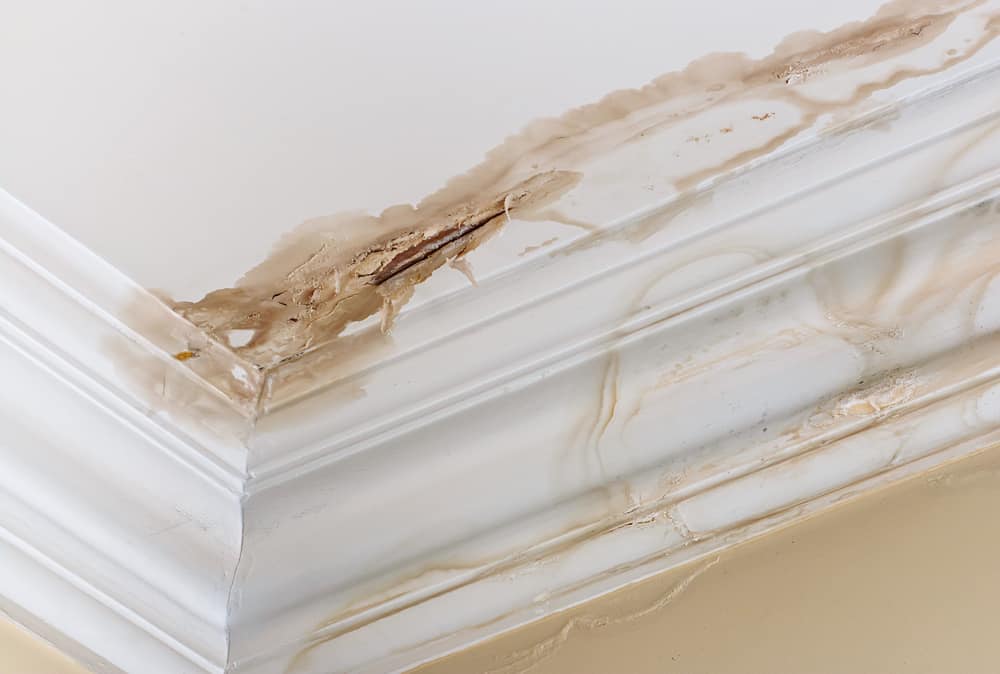
It starts with a thorough inspection — and we mean thorough. Our 5-point protocol includes air sampling, surface swab sampling, moisture level readings, and boroscopic wall cavity examination. That last one matters a lot in East Rockaway’s older homes, where mold frequently grows inside walls and under floors long before it ever becomes visible. We use a camera-based tool to look inside wall cavities without tearing anything open unnecessarily.
Once we know what we’re dealing with, samples go to an independent lab. Results come back in two to three business days with chain-of-custody documentation — the kind that meets legal evidence standards and holds up in an insurance claim or a real estate transaction. Under New York State Labor Law Article 32, the same company cannot perform both the mold assessment and the remediation on the same property. That law exists specifically because of what happened to communities like East Rockaway after Sandy — contractors exploiting desperate homeowners. We’re fully licensed under Article 32, and we’ll explain exactly what that means for you before any work starts.
Remediation follows a controlled, contained process: isolation of the affected area, HEPA filtration, removal of contaminated materials, treatment of affected surfaces, and structural drying if water is still involved. When remediation is complete, we run post-remediation clearance testing. If the lab doesn’t confirm clearance, we’re not done. When it does, you get a written clearance certificate — something you can actually use.
Ready to get started?
Mold removal in East Rockaway, NY covers more ground than most people expect. Basement mold removal in East Rockaway, NY is the most common call we get — especially after tidal events and nor’easters push water through older block or fieldstone foundations. But attic mold removal in East Rockaway, NY is just as prevalent and far less visible. In the Cape Cod-style homes that make up a large portion of East Rockaway’s housing stock, bathroom exhaust fans are frequently vented into the attic rather than to the exterior — a defect that creates years of hidden condensation and mold growth that only gets discovered during a home inspection or roof replacement.
We also handle crawl space mold removal in East Rockaway, NY, bathroom mold removal, and commercial mold removal for the business districts along Main Street, Atlantic Avenue, and Centre Avenue. If you’re in the middle of a home sale — and in a market where East Rockaway homes move in about 29 days and mold disclosure is now required under New York State law — we can prioritize your timeline and deliver the clearance documentation your transaction requires.
Every job includes our deductible coverage program, which provides up to $500 toward your out-of-pocket deductible. Because between the flood damage, the insurance process, and the remediation itself, the last thing you need is a financial surprise on top of everything else.
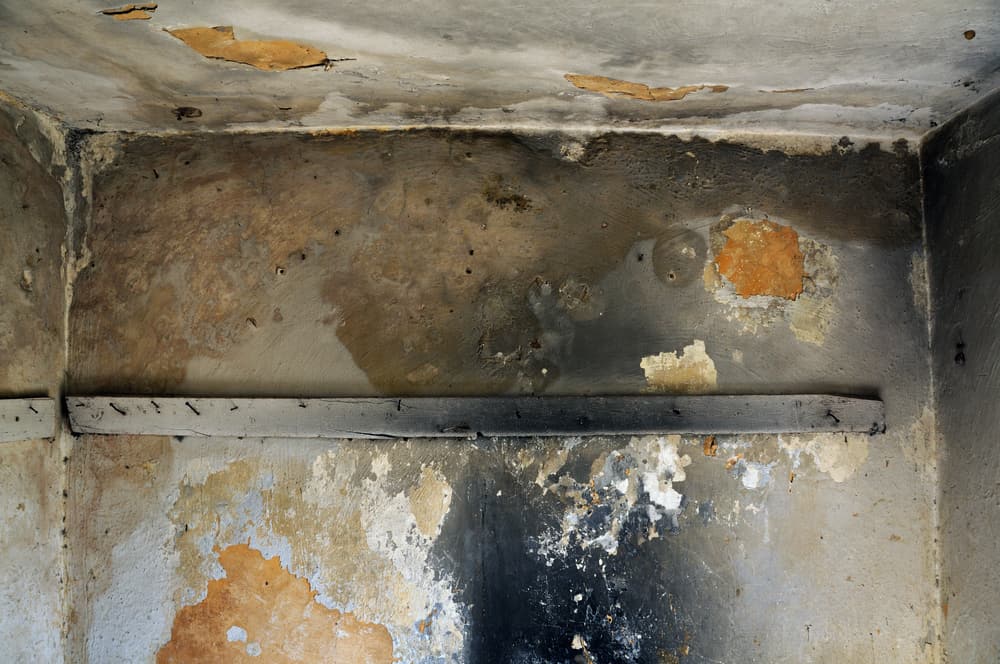
It depends on the cause. If mold resulted from a sudden, covered event — like a burst pipe or storm-related flooding — your homeowners policy may cover remediation costs. If it’s the result of long-term moisture buildup that wasn’t addressed, most insurers will decline the claim. In East Rockaway, where flooding along the Mill River and Reynolds Channel is a recurring event rather than a freak occurrence, the documentation you provide to your insurer matters enormously.
That’s why chain-of-custody lab documentation is part of every job we do. It establishes the source, the scope, and the timeline of the mold growth in a format that insurance adjusters recognize and accept. We’ve been working alongside Nassau County insurance adjusters for over three decades, and we know how to document a claim properly. We also offer up to $500 toward your deductible through our deductible coverage program, which helps offset the out-of-pocket cost that most policies still leave on the table.
Mold can begin colonizing within 24 to 48 hours of water exposure. In East Rockaway, where flooding can happen during a nor’easter overnight or from a tidal surge before dawn, that timeline is very real. By the time you’re cleaning up the visible water, mold may already be establishing itself in wall cavities, under flooring, and in insulation.
The older the home, the faster this tends to escalate. Pre-1950 construction — which makes up nearly half of East Rockaway’s housing stock — uses materials like original wood framing, plaster walls, and early concrete block that absorb and hold moisture far longer than modern materials. That extended moisture retention gives mold a longer runway. Calling for an inspection as soon as the water is out — not days later — is the single most important thing you can do to limit the scope and cost of remediation.
The most common cause in East Rockaway is inadequate attic ventilation combined with bathroom exhaust fans that vent into the attic instead of to the exterior. In the Cape Cod-style homes that are widespread throughout the village, the low-pitch attic space doesn’t get enough airflow, especially in winter. Warm, humid air rises from the living space, hits the cold roof sheathing, condenses, and over multiple seasons creates exactly the conditions mold needs. Most homeowners don’t know it’s happening until a home inspector flags it or a roof replacement reveals the damage.
We find attic mold using a combination of air sampling and direct visual inspection — and in cases where access is limited, boroscopic examination lets us see into tight spaces without unnecessary demolition. If the mold is confirmed, attic mold removal in East Rockaway, NY involves removing contaminated sheathing or insulation, treating affected surfaces, and improving the ventilation conditions that caused the problem in the first place. Removing the mold without fixing the source just means it comes back.
It depends on the location and extent of the mold. For isolated bathroom mold or a small surface area in a single room, staying in the home is often manageable as long as the affected area is properly contained. For larger remediation jobs — a flooded basement with significant mold growth, or attic mold that has spread across a wide area of sheathing — temporary relocation is usually the safer call, particularly for households with children, elderly residents, or anyone with asthma, allergies, or respiratory sensitivities.
During remediation, we isolate the work area using physical containment barriers and run HEPA air filtration to prevent spores from spreading to unaffected parts of the house. We’ll give you a straightforward assessment of what’s involved before work begins, including an honest recommendation on whether staying in the home is reasonable for your specific situation. There’s no one-size-fits-all answer, but we won’t leave you guessing.
You’re not legally required to get a mold inspection before listing, but New York State amended its Property Condition Disclosure Statement on June 14, 2023, to require sellers to disclose known indoor mold. If you know mold is present and don’t disclose it, that’s a legal exposure you don’t want. And in East Rockaway’s real estate market — where homes move in about 29 days and often draw multiple offers — a mold problem discovered during a buyer’s inspection can kill a deal fast or trigger a significant price reduction.
Getting a professional mold inspection before listing gives you control over the situation. If mold is found, you can remediate it on your timeline, with our team, and have a post-remediation clearance certificate in hand before any buyer’s inspector sets foot in the house. That documentation is a concrete asset in a transaction. It tells the buyer’s attorney and lender that the issue was identified, professionally resolved, and independently verified — which is a very different conversation than trying to negotiate around a problem mid-contract.
The clearest indicator is documentation. A legitimate company gives you lab-confirmed results — not just a visual assessment and a verbal guarantee. That means air samples and surface swabs collected before remediation, sent to an independent lab, with chain-of-custody records that establish exactly what was found and where. After remediation, post-clearance testing confirms the mold is actually gone. If a company isn’t offering both pre- and post-remediation lab documentation, you have no way to verify the work was done correctly.
Licensing matters too. Under New York State Labor Law Article 32 — a law enacted directly in response to the mold fraud that followed Hurricane Sandy in communities like East Rockaway — the same contractor cannot legally perform both mold assessment and mold remediation on the same property. Any company offering to do both in a single engagement is either operating illegally or misrepresenting what they’re doing. Ask to see their New York State mold remediation license before signing anything. A company that’s properly licensed and carrying IICRC certification for every technician on the crew won’t hesitate to show you both.
Useful Links
Other Services we provide in East Rockaway