
Hear from Our Customers
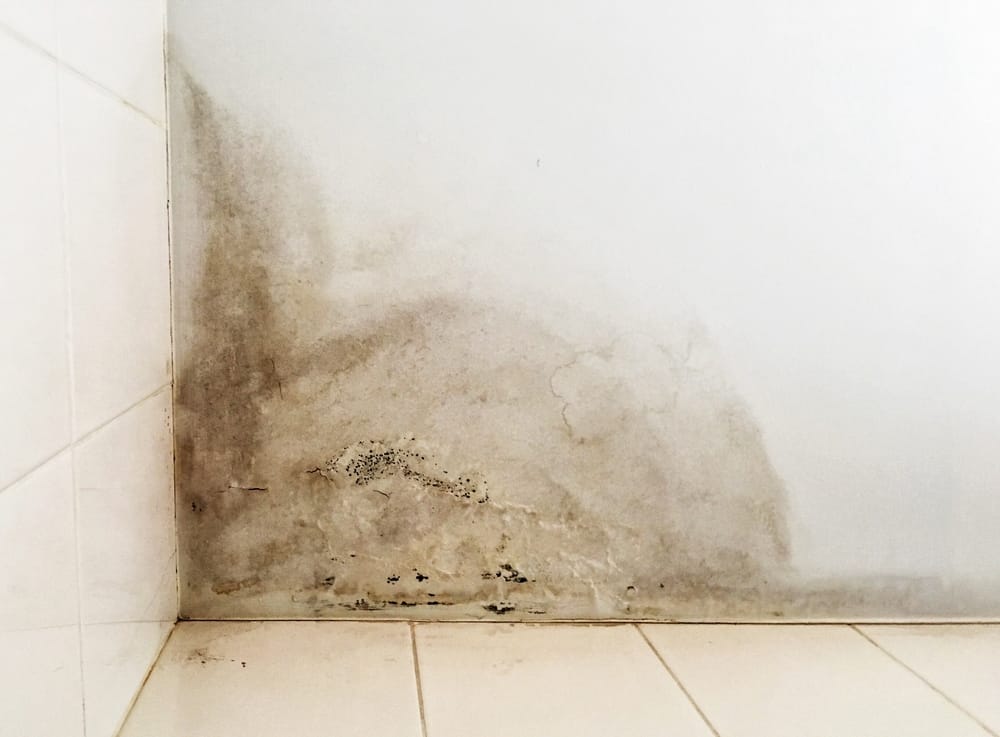
When mold is properly removed — not just wiped down, but remediated at the source — the air in your Floral Park home changes. That musty smell in the basement disappears. You stop wondering if that cough your kid has is from something in the house. You sleep without that low-grade worry sitting in the back of your mind.
For homeowners in Floral Park specifically, that relief matters on two levels. First, there’s the health piece. The majority of homes in this village were built before 1970, and most of them have full basements that sit below grade. Every spring, when the ground saturates from snowmelt and rain, hydrostatic pressure pushes moisture through aging foundation walls. That moisture doesn’t announce itself — it hides behind drywall, under flooring, and inside wall cavities until mold has already taken hold.
Then there’s the financial reality. Homes in Floral Park sell for around $750,000 to $790,000 on average. A known mold problem can drop that value by 20% or more — and in this market, that’s a six-figure loss. Buyers walk away. Deals fall apart at inspection. Proper mold removal in Floral Park, NY isn’t just about health — it protects the investment you’ve built in this community for years.
We’ve been working inside Long Island homes for over three decades. That’s 31 years of Cape Cod attics, Nassau County basements, and the kind of post-WWII construction that makes up most of Floral Park’s residential streets — from Carnation Avenue to Violet Avenue and everywhere in between.
Every technician who enters your home holds individual IICRC certification. Not just our owner. Every person on the crew. That’s a standard most restoration companies in Nassau County don’t meet, and it’s one we enforce without exception. We also carry the NYS Article 32 license and Nassau County’s EHRP licensing — both required by law for mold work in this county, and both verifiable through public records.
We’re not a national franchise routing calls through a 1-800 number. We’re a locally operated team that already serves Floral Park for water damage restoration, and we know this village’s homes the way you only can after decades of working in them.
It starts with a 5-point inspection. One of our certified technicians does a visual assessment, takes air samples and surface swab samples, runs a boroscopic camera into wall cavities to check for hidden growth, and measures moisture levels throughout the affected area — all without tearing your home apart. Lab results come back within 2 to 3 business days with chain-of-custody documentation that holds up for insurance claims and real estate transactions.
Once we have confirmed results, a licensed assessor — separate from our remediation team, as required by New York State’s Article 32 mold law — prepares a written remediation plan. That two-company requirement exists to protect you from contractors who have a financial incentive to find more mold than is actually there. We work within that framework, not around it.
Remediation follows the plan, and when the work is done, the independent assessor returns for post-remediation clearance testing. You don’t get a verbal “looks good” — you get a signed, lab-analyzed document proving the mold is gone. For Floral Park homeowners dealing with ice dam damage from a hard winter or a flooded basement after a nor’easter, that documentation is often exactly what your insurance adjuster needs to move the claim forward.
Ready to get started?
Mold removal in Floral Park, NY isn’t a one-size situation. The attic in a Cape Cod on a Floral Park side street has a completely different mold profile than a bathroom in a newer construction or a crawl space in a coastal community. Here, the most common calls we get are for attic mold caused by ice dams — when heat escapes through an under-insulated attic floor, it melts roof snow that then refreezes at the eave, forcing water under the shingles and into the roof structure. By the time you see a water stain on the ceiling, mold is often already on the sheathing above.
We also handle basement mold removal in Floral Park, NY regularly — the full-basement homes in this village are particularly vulnerable to hydrostatic pressure through aging foundation walls, especially after heavy rain or snowmelt. Bathroom mold removal, crawl space mold removal, and toxic mold cleanup are all part of what we do here, and every job includes the same certified technicians, the same lab-confirmed process, and the same post-remediation documentation.
One thing that separates us from mold-only contractors: we also handle the water damage that caused the mold. That means the moisture source gets addressed alongside the remediation — which is the only way to keep the problem from coming back. We also offer up to $500 toward your deductible for mold-related insurance claims, something no other mold removal company in Nassau County currently offers.
No — and this is actually a legal protection built specifically for New York homeowners. Under New York State’s Article 32 mold law, which took effect in January 2016, the company performing your mold assessment cannot be the same company that performs your remediation. The law exists because a contractor who profits from both sides has an obvious financial incentive to find more mold than actually exists.
What this means practically is that you’ll work with a licensed independent assessor who creates the remediation plan and returns after the job to conduct clearance testing. We execute the plan. It adds a step, but it adds a real check on the process that protects you. If any company in Floral Park offers to handle your test and your removal in a single contract, that’s not just a red flag — it’s a violation of state law.
The honest answer is that it depends on the size of the affected area and where the mold is located. Nationally, mold remediation averages around $2,300, with a typical range of $373 to $7,000. In Floral Park, where homes are predominantly older construction with full basements and attic spaces, the scope can vary significantly — a contained bathroom situation is very different from attic mold that’s spread across roof sheathing after an ice dam.
What you should watch out for is any company that gives you a firm number before doing a proper inspection. A real mold assessment — air sampling, surface swabs, moisture readings, and a boroscopic cavity check — is what determines the actual scope. We also offer up to $500 toward your insurance deductible for mold-related claims, which can meaningfully offset your out-of-pocket cost depending on your policy. Get the inspection done first, then you’ll have real numbers to work with.
Ice dams are the most common culprit, and they’re a particularly relevant issue for the steep-pitched Cape Cod roofs that line most of Floral Park’s residential streets. When heat escapes through an inadequately insulated attic floor — common in homes built before modern energy codes — it warms the roof deck and melts snow from below. That meltwater runs down toward the cold eave, refreezes, and creates a dam. Water backs up under the shingles and works its way into the attic structure.
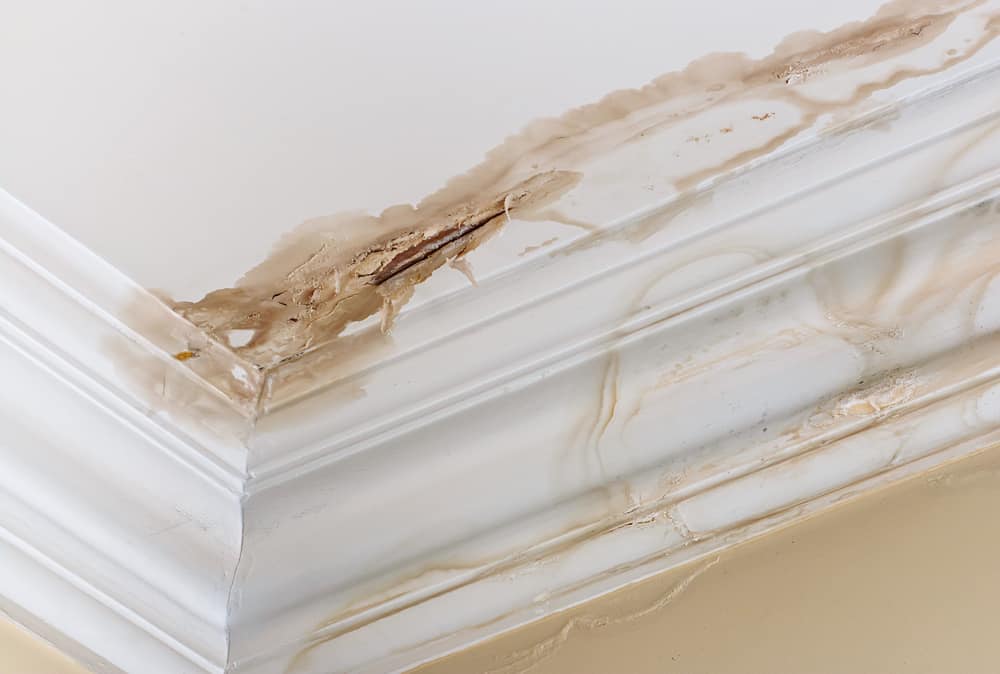
By the time you notice a water stain on your ceiling, mold has often already been growing on the roof sheathing and rafters for weeks. The problem with attic mold in these Floral Park homes is that it’s invisible until it isn’t — and the longer it goes undetected, the more structural material is affected. Our inspection process includes a boroscopic camera check of the cavity, which lets us see what’s happening inside the structure without opening up walls or ceilings unnecessarily.
It depends on the cause, and that distinction matters more than most homeowners realize. If mold developed as a direct result of a sudden, covered event — a burst pipe, an appliance failure, storm-related water intrusion — many policies will cover remediation as part of the underlying claim. If the mold is the result of long-term moisture buildup, a slow leak that went unaddressed, or general humidity over time, most standard homeowners policies will not cover it.
In Floral Park, where basement flooding from nor’easters and spring snowmelt is a recurring reality, the cause-and-timing question is critical. Documentation is everything in these claims. Our chain-of-custody lab reports and written remediation records meet the legal evidence standard that insurance adjusters require — and we have 31 years of experience working alongside Nassau County insurance companies on exactly these types of claims. We also offer up to $500 toward your deductible, which applies to mold-related insurance situations.
Timeline depends on the scope. A contained bathroom or small basement area might be completed in one to two days. Larger jobs — attic remediation after ice dam damage, or a basement that’s had significant water intrusion — can run three to five days or more once the remediation plan is in place.
Whether you can stay in the home during the process depends on where the mold is located and how extensive the remediation is. For smaller, well-contained areas, many homeowners remain in the home with proper containment barriers in place. For larger jobs involving significant airborne spore counts or areas that affect main living spaces, temporary relocation may be the safer and more practical choice. We’ll tell you plainly what the situation calls for after the inspection — not a blanket policy, but a real recommendation based on what’s actually in your home.
Floral Park is an incorporated village with its own building department — unlike unincorporated Nassau County communities like Franklin Square or Elmont, where permit requirements run through the town. That distinction matters here. If your mold remediation involves removing and replacing structural materials — drywall, insulation, framing — a village building permit may be required before that work begins.
The permit question is separate from the state licensing question. New York State’s Article 32 governs who is licensed to perform mold assessment and remediation. The Village of Floral Park’s building department governs whether a permit is needed for the physical construction work that follows. In practice, many mold jobs involve some level of material removal and replacement, so it’s worth confirming with the village building department before work starts. We’re familiar with how this plays out in Nassau County’s incorporated villages and can help you understand what applies to your specific situation before any work begins.
Useful Links
Other Services we provide in Floral Park