
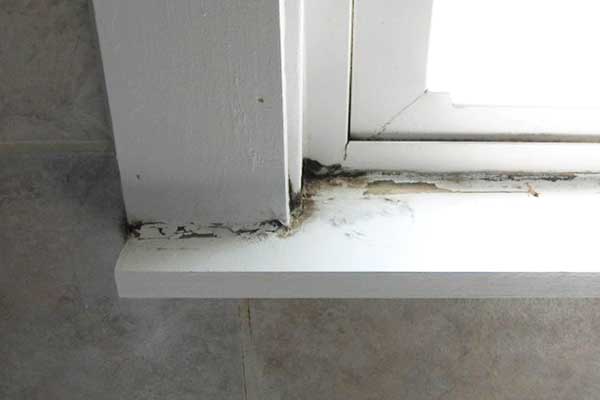
Hear from Our Customers
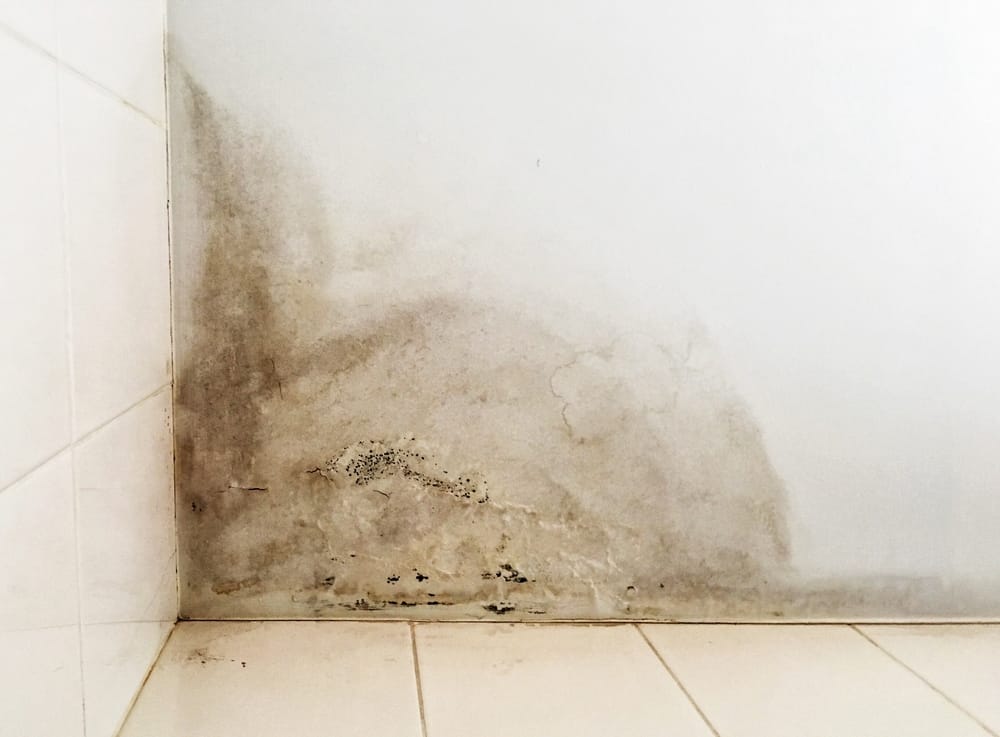
Mold doesn’t stay where you can see it. In Freeport’s older canal-adjacent homes — many built in the 1940s through 1960s on land that sits at or near sea level — moisture finds its way into wall cavities, under subfloors, and behind drywall long before you notice a smell or a stain. By the time it’s visible, it’s been growing for a while. In a community where water intrusion isn’t a rare event but a seasonal reality tied to nor’easters, moon tides, and storm surge off Hempstead Bay, that timing matters.
What changes after our professional mold removal isn’t just the absence of visible growth. It’s the air quality test that comes back clean. It’s the written documentation that satisfies your insurance adjuster or your buyer’s attorney. It’s knowing that the moisture source was actually identified — not just the mold on top of it. For Freeport homeowners who’ve dealt with flooding before, that distinction matters. Surface treatment without addressing what’s underneath is how mold comes back.
The goal isn’t to make your home look fixed. It’s to make it actually fixed — with third-party lab results and a clearance report to prove it.
We’ve been working on Long Island for over three decades — which means we were here before Sandy, during Sandy, and in every storm season since. We know what happens to a south Freeport home when Woodcleft Canal overflows. We know the difference between a basement that flooded once and one that deals with hydrostatic pressure from a high water table every single spring.
Every technician on our team holds individual IICRC certification — not just the company, not just the owner. Every single person who enters your home. Our owner also holds a personal New York State mold remediation license, which is a legal requirement in Nassau County that not every contractor bothers to maintain. That’s the baseline here — not a selling point, just the standard.
We handle both the mold and the water damage behind it. For Freeport homeowners, that full-service capability isn’t a convenience — it’s the difference between a problem that’s solved and one that comes back with the next high tide.
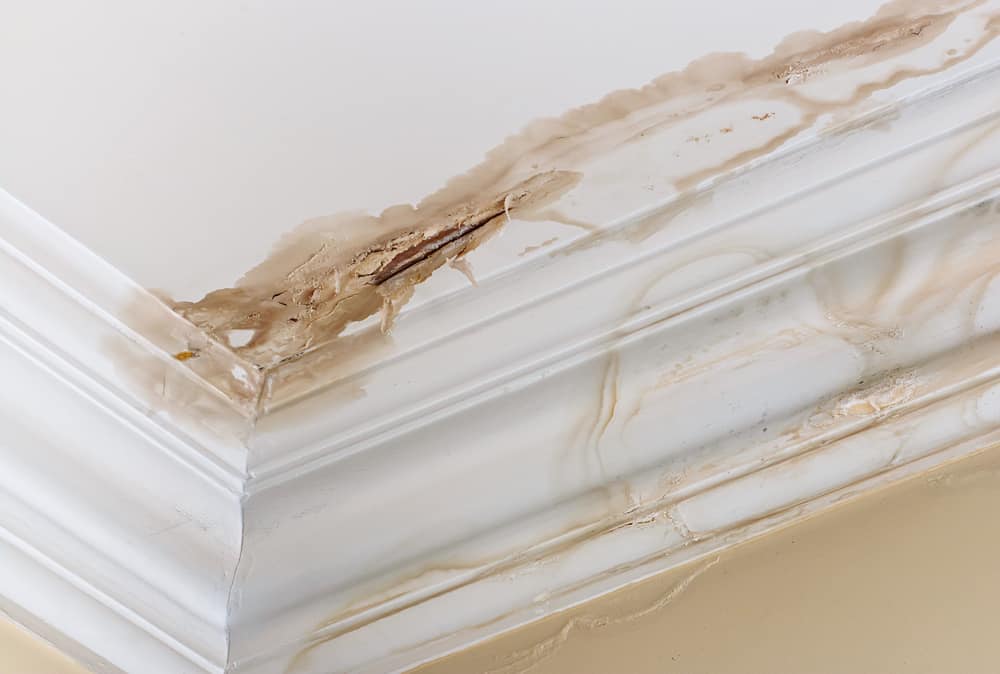
It starts with a thorough inspection — not a quick walk-through. Our 5-point protocol includes non-invasive moisture level readings, air sampling, surface swab collection, water intrusion point identification, and boroscopic wall cavity examination. That last one matters in Freeport’s older housing stock, where mold hiding inside a wall cavity won’t show up in a visual scan. Samples go to a third-party lab with a chain-of-custody document that meets legal and insurance standards. Results typically come back within 2 to 3 business days.
Once the scope is confirmed, remediation begins. Containment goes up to prevent cross-contamination. Affected materials are removed, treated, and properly disposed of according to New York State Department of Labor requirements. If there’s underlying water damage — saturated framing, compromised insulation, moisture in the subfloor — we address that in the same scope of work, not handed off to a separate contractor you have to coordinate yourself.
After the work is done, clearance testing confirms the remediation actually worked. Air and surface samples go back to the lab. If they don’t pass, the job isn’t closed. When they do, you receive documented proof — the kind that holds up with an insurance adjuster, a real estate attorney, or anyone else who needs to see it in writing.
Ready to get started?
Mold removal in Freeport, NY covers a wider range of scenarios than most people expect going in. Basement mold removal is the most common call — especially from properties south of Merrick Road where high water tables and tidal fluctuation put constant pressure on foundation walls. Attic mold removal is just as frequent, typically caused by inadequate ventilation during cold months when warm interior air meets a cold roof deck. Bathroom mold removal, crawl space mold removal, and black mold removal each come with their own conditions and containment requirements, and we scope the approach specifically to what’s actually there — not a one-size treatment applied across the board.
We also offer commercial mold removal for Freeport businesses. The Nautical Mile’s restaurants, seafood markets, and bars face a specific combination of commercial kitchen humidity, refrigeration condensation, and coastal flood exposure that creates real mold risk — and real health code consequences if it’s left unaddressed. We can work around your operating schedule to minimize downtime.
Every job — residential or commercial — includes the same standard: IICRC-certified technicians, NY State licensed remediation, third-party lab documentation, and post-remediation clearance testing. If you’re filing a claim under a National Flood Insurance Program policy or a standard homeowners policy, the chain-of-custody documentation we produce on every job is built to support that process. For qualifying jobs, we offer up to $500 in deductible assistance — something no other mold removal company in the Freeport area currently offers.
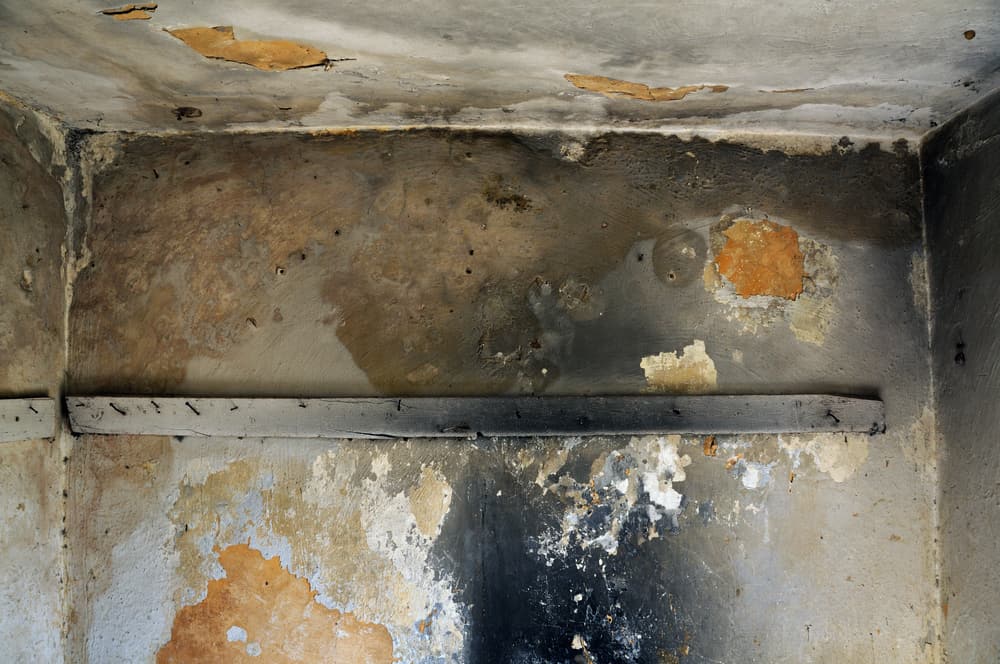
Mold can begin establishing itself within 24 to 48 hours of water intrusion — and in Freeport, that window is especially important to understand. The village’s flood zone properties, particularly those south of Atlantic Avenue along the canal network, can take on water from storm surge, high tide events, and even moon tides without a named storm ever making landfall. The Freeport Fire Department has publicly acknowledged that flooding occurs during some lunar tide cycles in the most exposed sections of the village. That means water intrusion for some homeowners isn’t a once-a-decade emergency — it’s a recurring condition.
If water entered your home and you dried out what you could see, that doesn’t mean the moisture is gone. Saturated wall cavities, wet insulation, and damp subfloor material can hold moisture for weeks without drying on their own. That’s the environment mold needs. The safest approach after any water event — storm-related or not — is to have moisture levels checked professionally before assuming everything is dry.
It depends on the cause and how well it’s documented. Many Freeport homeowners carry both a standard homeowners policy and a National Flood Insurance Program policy — which makes sense given the number of properties in designated Special Flood Hazard Areas throughout the village. Whether mold remediation is covered often comes down to whether the water damage that caused it is a covered peril under your specific policy, and whether the remediation work is properly documented.
This is where the chain-of-custody lab documentation matters. Insurance adjusters need more than a contractor’s word that mold was present and removed. They need air sample results, surface swab data, a written scope of work, and post-remediation clearance testing — all tied together in a format that holds up to review. We produce exactly that documentation on every job. If you’re filing a claim, you’ll have what your adjuster needs without having to chase it down after the fact.
Yes — and in Freeport’s canal-front neighborhoods, it’s one of the more common frustrations homeowners deal with. Mold comes back when the moisture source that caused it in the first place wasn’t fully addressed. If a contractor removes visible mold growth but doesn’t identify and correct the water intrusion point — a cracked foundation wall, a failed sump pump, inadequate drainage along a canal-adjacent property line — the conditions that fed the mold are still there. The next rain, the next high tide, the next nor’easter restarts the cycle.
This is exactly why our remediation scope includes water damage assessment alongside mold removal. If there’s an active moisture source, we identify and address it as part of the same job. For properties in south Freeport where hydrostatic pressure from a high water table is a near-constant condition, that moisture source identification step isn’t optional — it’s the only thing that makes the remediation actually last.
Black mold — typically Stachybotrys chartarum — does produce mycotoxins that can cause more serious health effects than many common mold species, particularly for people with respiratory conditions, allergies, or compromised immune systems. But any mold growth inside a living space is a problem worth taking seriously, regardless of color. Many mold species that aren’t black can still trigger symptoms — coughing, congestion, eye irritation, fatigue — especially with prolonged exposure.
What matters most isn’t identifying the color of the mold before calling someone. It’s getting accurate air and surface sampling done by a certified inspector so you know exactly what you’re dealing with. In Freeport’s older housing stock, where post-Sandy reconstruction sometimes sealed moisture inside walls before it fully dried, hidden mold colonies of multiple species aren’t unusual. A proper inspection tells you what’s there, where it is, and what level of remediation is actually needed.
Mold removal costs in Freeport, NY vary based on how much surface area is affected, where the mold is located, and whether water damage remediation is needed alongside it. Nationally, professional mold remediation typically runs between $10 and $25 per square foot, with average project costs landing around $2,300. Jobs involving basement mold removal, crawl space mold removal, or attic mold removal with significant structural involvement can run higher — particularly in older homes where affected materials require more careful removal and disposal.
For Freeport homeowners, the more relevant question is often what the cost looks like after insurance. If the mold resulted from a covered water event, your NFIP flood policy or homeowners policy may cover a portion of the remediation. The documentation we produce on every job is specifically structured to support insurance claims. Additionally, we offer up to $500 in deductible assistance for qualifying jobs — which can meaningfully reduce your out-of-pocket exposure on a job that’s already being partially covered by your policy.
Whether you need to temporarily vacate depends on the size of the affected area, where it’s located in the home, and the mold species identified in the lab results. For smaller, contained jobs — a bathroom wall, a section of basement drywall — many homeowners are able to stay in the home while work is being done, provided proper containment barriers are in place to prevent spores from spreading to unaffected areas. For larger remediation scopes, particularly those involving black mold removal or significant attic mold removal where the HVAC system could circulate airborne spores, temporary relocation is the safer call.
In Freeport specifically, homes that experienced flooding — whether from a storm event, tidal intrusion, or a plumbing failure — and then developed mold in multiple areas of the structure are more likely to require full displacement during remediation. The inspection report and lab results will give you a clear picture of what you’re dealing with before any work begins, so you’re not making that decision blind. We scope every job accurately upfront so there are no surprises mid-project about what needs to happen or how long it will take.
Useful Links
Other Services we provide in Freeport