
Hear from Our Customers
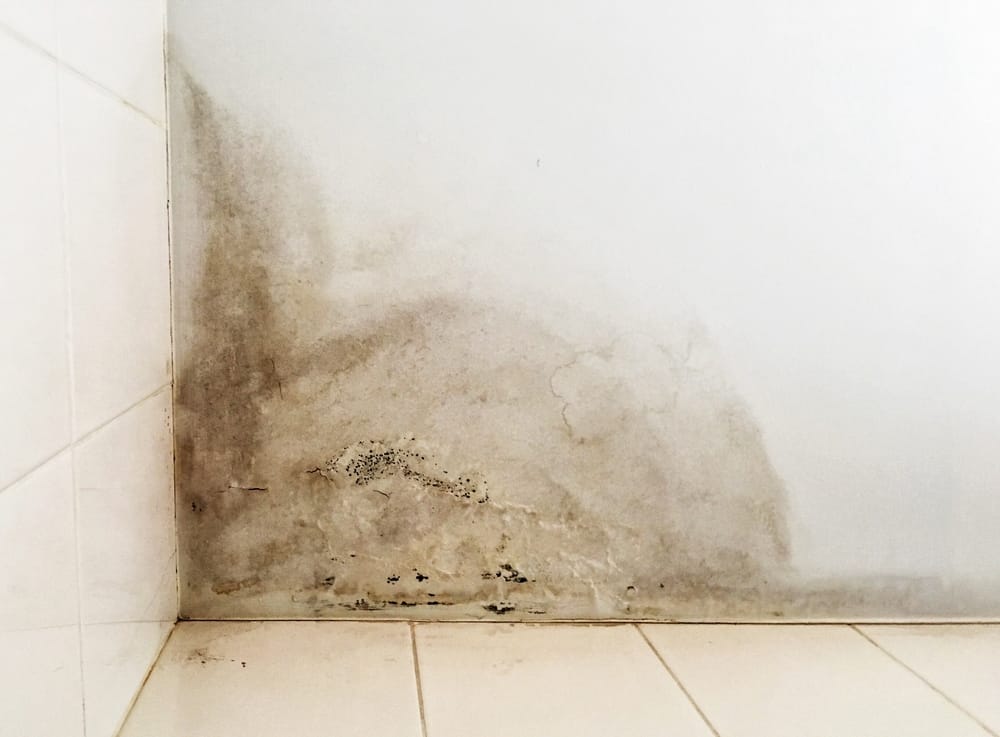
Mold doesn’t just look bad — it affects the air your family breathes every day, and in a home with a finished basement, it can spread through an entire level before you ever see it. Once it’s fully removed and cleared by a certified lab, you get your home back. No more musty smell coming up from the lower level. No more wondering if that cough is related to something in the walls.
For Garden City South homeowners specifically, this matters more than most people realize. Nassau County sits on a flat glacial plain with a naturally high water table. That means your basement doesn’t need a dramatic storm to take on moisture — a heavy rain event is enough to push groundwater through the walls of a 70-year-old foundation. When that moisture goes unaddressed, mold follows within 24 to 48 hours. The problem isn’t always visible, and it’s rarely isolated to one spot.
Beyond the health side, there’s the financial reality. Homes in Garden City South are listing in the $700,000 to $950,000 range. Documented mold can reduce that value by 20 to 37 percent — and since New York updated its Property Condition Disclosure Statement in June 2023, sellers are now legally required to disclose known mold. A clean bill of health, backed by lab-confirmed clearance testing, protects your asking price and keeps buyers at the table.
We’ve been working across Nassau and Suffolk Counties for over three decades. That’s not a number on a website — it’s the difference between a company that’s seen the inside of one 1950s Cape Cod and one that’s seen thousands of them. We know what aging basement walls look like in Garden City South. We know what happens to attic insulation in homes built during Long Island’s post-war boom. And we know how the water table behaves in a community sitting on the flat terrain between Hempstead Turnpike and the Meadowbrook corridor.
Every technician on our team is IICRC-certified — not just the owner, not just the project manager, but every person who walks through your door. That’s a standard we hold without exception, and it’s one most competitors in this market can’t honestly make the same claim about. When you call us, the person doing the work is the same caliber as the person who sold you the job.
It starts with a certified technician assessment — a real walkthrough of your home, not a five-minute glance. From there, air sampling and surface swab samples are collected and sent to a certified lab under chain-of-custody documentation. That matters because it means the results are legally defensible — useful for insurance claims, real estate transactions, or just your own peace of mind. Lab results come back within two to three business days.
If there’s any question about what’s hiding inside your walls — which is common in Garden City South’s mid-century construction — a boroscopic camera examination lets our team look inside wall cavities without tearing anything open. Moisture readings are also taken throughout the property using non-invasive equipment. The goal is to understand the full scope before any remediation begins, not discover surprises halfway through.
Once the assessment is complete, remediation follows a contained, documented process: HEPA air scrubbing, negative pressure containment to prevent spore spread, full removal of affected materials, and antimicrobial treatment. Under New York State Labor Law Article 32, mold assessment and remediation must be handled by separately licensed contractors — we operate in full compliance with that law, which protects you legally and keeps your insurance claim on solid ground. After the work is done, post-remediation clearance testing confirms the job is finished. You get the lab report. You get the proof.
Ready to get started?
Mold in Garden City South tends to show up in predictable places — and a few that catch homeowners completely off guard. Basement mold removal is the most common call, driven by Nassau County’s high water table and the chronic seepage that comes with it in homes built in the 1950s. Attic mold removal is a close second, because the ventilation design in post-war construction often traps moisture against cold roof decking all winter long. Crawl space mold removal, bathroom mold removal, and toxic mold cleanup from black mold situations are all part of what we handle — residential and commercial, any scope.
What separates us from a basic mold removal company is the full-service capability. We address the mold and the water damage behind it. If a slow pipe leak or chronic basement seepage created the conditions, that gets resolved too — not handed off to another contractor or left for you to figure out. One call covers the whole problem.
There’s also the deductible piece. We offer up to $500 toward your insurance deductible on qualifying jobs — a program no other mold removal company identified in the Garden City South market currently offers. For homeowners managing the financial weight of an unexpected remediation on top of a $700,000 to $950,000 property, that’s a real number that makes a real difference. Safe mold removal, documented results, and no surprise costs at the end.
No — and this is one of the most important things to understand before you hire anyone. New York State Labor Law Article 32 explicitly prohibits the same licensed company from performing both mold assessment and mold remediation on the same property. The law exists to protect homeowners from the obvious conflict of interest that comes when one company controls both the diagnosis and the treatment. If a contractor offers to test your home and then immediately remediate it themselves, they are operating outside of state law.
In Garden City South, as throughout Nassau County, you need two separately licensed professionals: a licensed mold assessor for the inspection and testing, and a licensed mold remediator for the actual removal work. We operate in full compliance with Article 32. Understanding this law before you start the process protects your insurance claim, protects you legally if you’re selling your home, and ensures the work you’re paying for will hold up to scrutiny.
The honest answer is that it depends on the scope — and scope in Garden City South’s mid-century housing stock can vary significantly. A straightforward bathroom mold situation might run a few hundred dollars. A basement remediation involving multiple wall cavities, structural drying, and post-remediation clearance testing can reach several thousand. Nationally, the average mold remediation cost sits around $2,300, with the range running from roughly $373 on the low end to $7,000 or more for extensive jobs.
What affects your specific cost most is how far the mold has spread, whether it’s reached inside wall cavities (common in 1950s construction throughout Garden City South), and whether the underlying moisture source — often chronic basement seepage in this area — also needs to be addressed. We provide written estimates upfront. There are no surprise charges at the end of the job. And for qualifying water, fire, and mold-related jobs, our deductible coverage program offers up to $500 toward your out-of-pocket deductible — which can meaningfully offset your actual cost.
Faster than most people expect. Mold can begin growing within 24 to 48 hours of water intrusion — which means the window between a basement flooding event and an active mold problem is less than two days. In Nassau County, where the water table is naturally high and heavy rain events regularly overwhelm the flat terrain’s drainage capacity, basement seepage is a routine occurrence in homes like the ones throughout Garden City South. A sump pump failure during a nor’easter, a slow foundation leak after a wet spring — either one can trigger mold growth before the floor is even fully dry.
This is why 24/7 emergency response matters. Every hour you wait after water intrusion is an hour closer to a mold problem that didn’t have to happen. If your basement took on water, the priority is professional drying and assessment — not waiting until Monday morning. We operate around the clock specifically because the timeline on water damage doesn’t follow business hours.
It depends on the size and location of the affected area. For smaller, contained jobs — a bathroom wall, a section of basement drywall — most families can remain in the home during remediation as long as the work area is properly contained. For larger infestations, particularly those involving significant square footage, multiple rooms, or HVAC system contamination, temporary relocation is often the safer and more practical choice.
During remediation, the affected area is sealed under negative pressure containment, which prevents spores from spreading to other parts of the house. HEPA air scrubbers run continuously throughout the process. Our technicians on every job are IICRC-certified, which means the containment protocols we follow are the same ones the industry considers best practice — not a shortcut version. Your technician will walk you through what to expect before work begins, including whether your specific situation warrants staying or leaving, so you can make that call with real information rather than a guess.
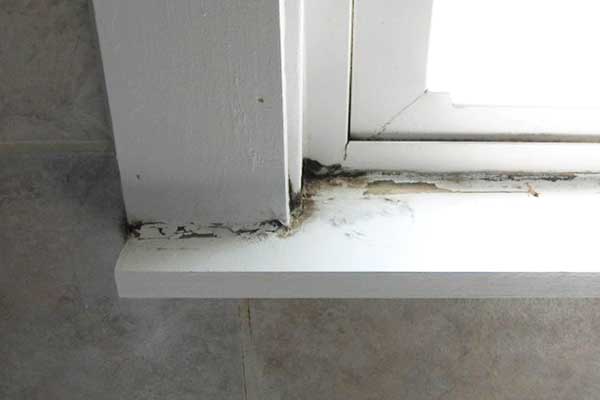
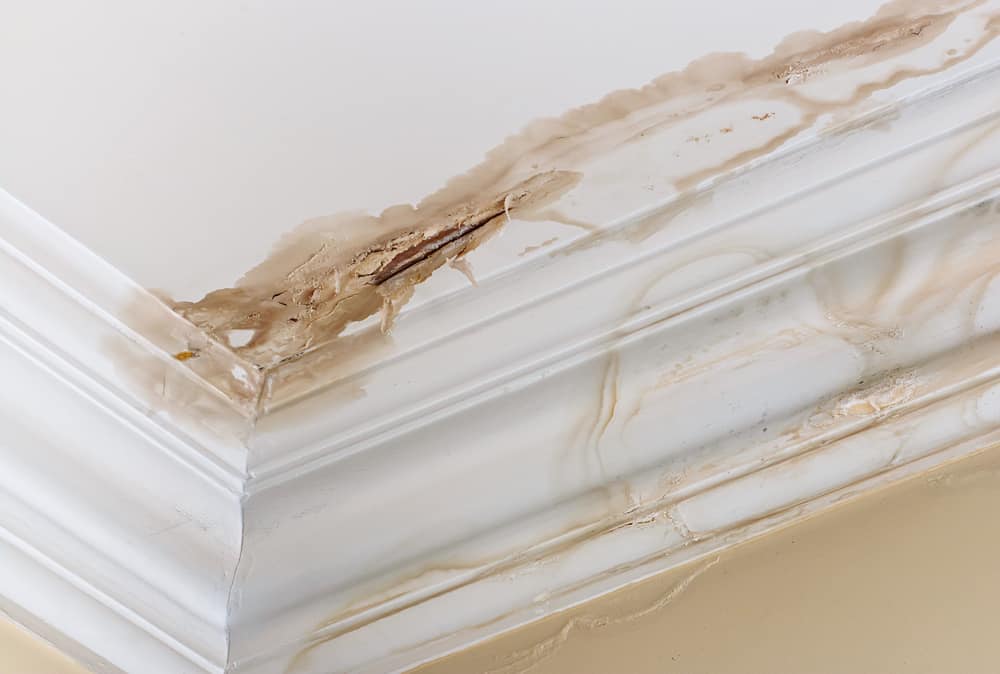
The most telling signs are often sensory before they’re visual. A persistent musty smell in the basement or on the lower level — especially one that gets stronger after rain — is a strong indicator. Unexplained allergy symptoms or respiratory irritation that improves when family members leave the house for extended periods is another. Discoloration on walls or ceilings, bubbling paint, or warped drywall in areas near plumbing or exterior walls all point toward moisture and potential mold behind the surface.
In Garden City South’s post-war homes, the most common hidden mold locations are inside basement wall cavities (where moisture migrates through aging masonry), in attic spaces where inadequate ventilation traps condensation against the roof decking, and in crawl spaces with limited vapor barriers. Standard visual inspection often misses these areas entirely. Our boroscopic wall cavity examination uses a camera to look inside walls without opening them up — which is how hidden mold in mid-century construction actually gets found, not assumed away.
It depends on what caused the mold. Most standard homeowners insurance policies in New York cover mold remediation when it’s a direct result of a covered water damage event — a burst pipe, a roof leak from storm damage, or a sump pump failure covered under your policy. What insurance typically does not cover is mold that resulted from long-term neglect, gradual seepage, or a maintenance issue that went unaddressed. The distinction matters, and insurers look closely at the documentation when evaluating a claim.
This is where proper documentation from the start protects you. We collect air and surface samples under chain-of-custody documentation that meets legal evidence standards — the kind of third-party verified lab results that insurance adjusters require to process a claim correctly. Showing up with a verbal summary of what was found doesn’t carry the same weight as a certified lab report. If your mold situation stems from a storm event or sudden water damage — both of which are common in Nassau County — the documentation we provide gives your claim the best possible foundation. And our $500 deductible assistance program means that even your out-of-pocket portion has some coverage built in.
Useful Links
Other Services we provide in Garden City South