
Hear from Our Customers
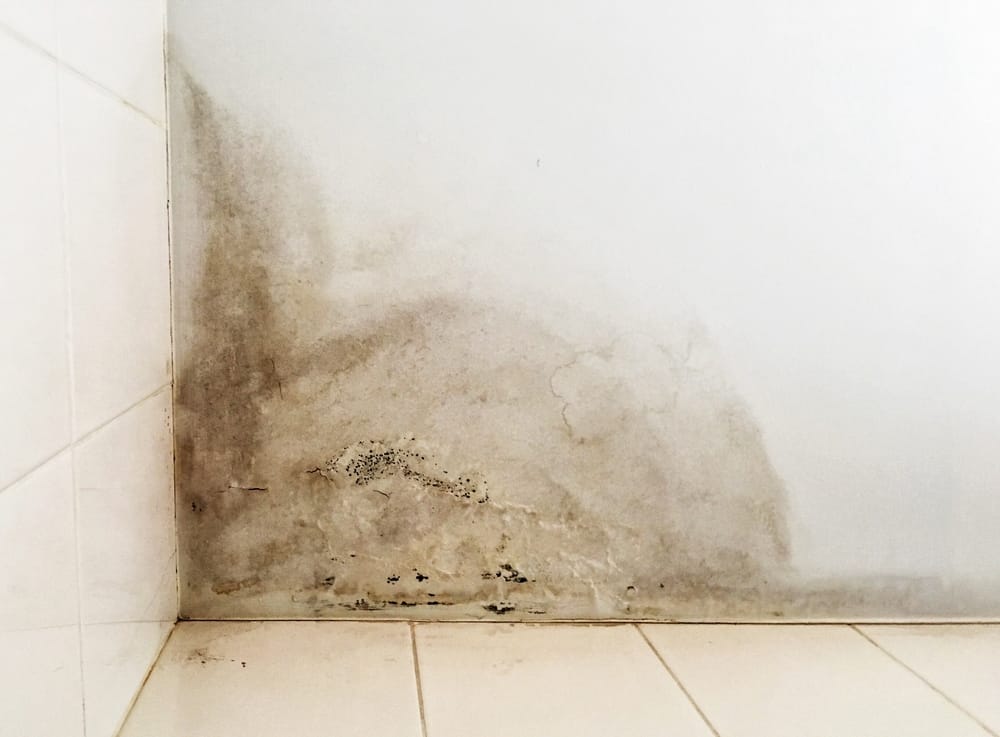
The air feels different. You stop second-guessing the smell in the basement. You stop wondering if the dark patch behind the bookcase is something serious. When mold is properly removed — not painted over, not masked — your home goes back to being what it’s supposed to be: a place you trust.
For Great Neck Gardens homeowners specifically, that trust matters in a very concrete way. Homes here carry real value — well above the Nassau County average — and mold doesn’t just affect how you live in a house. It affects what that house is worth. A documented mold problem can cut resale value by 20 to 37 percent, and half of interested buyers will walk away the moment they find out. Getting it resolved with lab-verified clearance testing isn’t just peace of mind — it’s protecting an asset.
The other thing that changes: you stop being exposed. The persistent maritime humidity that comes with living on the Great Neck Peninsula — caught between Little Neck Bay and Manhasset Bay — means mold pressure here doesn’t let up the way it does inland. Older homes on the peninsula weren’t built with today’s moisture controls. Once remediation is done correctly, with the moisture source addressed, you’re not just cleaning up what’s there. You’re cutting off what keeps coming back.
We’ve been doing this work on Long Island for over three decades. Not a franchise. Not a lead-generation platform routing your call to a subcontractor. A Long Island company that has been inside the basements, crawl spaces, and attics of North Shore homes long enough to know exactly where moisture hides — and what it does when it’s left alone.
Every technician who comes to your Great Neck Gardens home is IICRC-certified. Not just the supervisor. Every person on the job. That’s a standard we hold firm on, because the work only holds up as well as the people doing it.
We serve all of Nassau County, and the Great Neck Peninsula is well within our territory. Whether you’re off Middle Neck Road, tucked into one of the village’s quiet residential blocks, or dealing with the aftermath of a nor’easter that pushed water into a foundation that’s been standing since the 1950s — we’ve seen it, and we know how to handle it.
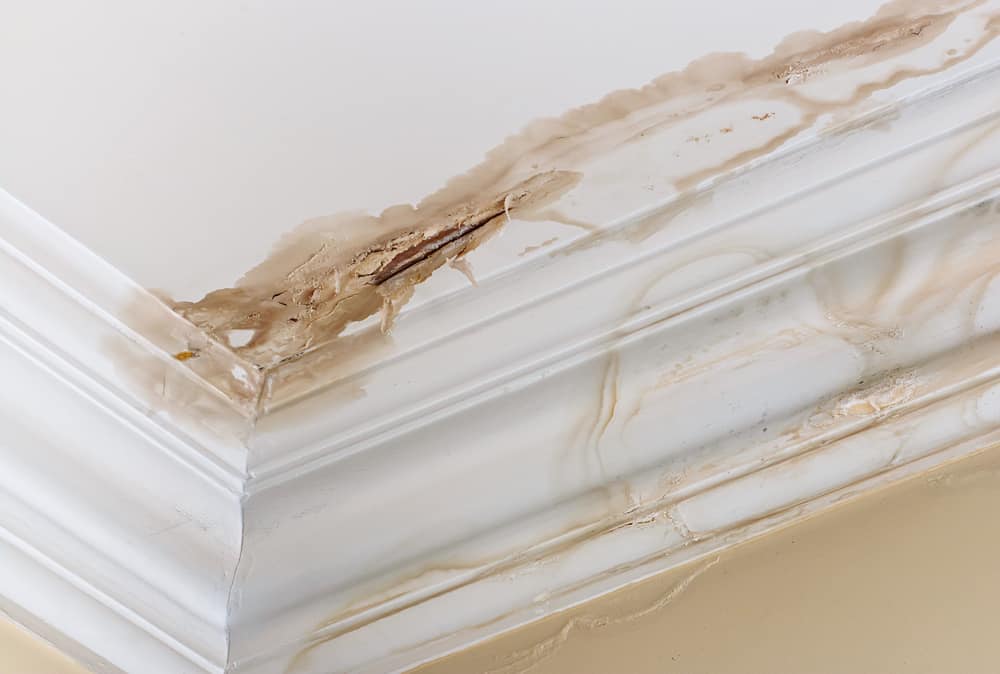
It starts with a thorough inspection — and we mean thorough. Our 5-point protocol includes air sampling, surface swab sampling, moisture level measurement, identification of water intrusion points, and boroscopic wall cavity examination. That last one matters in older Great Neck Gardens homes, where mold frequently grows inside wall cavities that look perfectly fine from the outside. We find what a basic visual walkthrough misses.
Samples go to an independent lab with chain-of-custody documentation — the same standard used for legal evidence. You get a written report back within 2 to 3 business days. That report tells you exactly what was found, where, and at what levels. From there, remediation is scoped to the actual problem — containment, removal, treatment, and structural drying if water damage is involved. We handle water damage restoration as well, so the moisture source gets addressed in the same process, not handed off to a second company.
One thing worth knowing upfront: under New York State law, the licensed company that performs your mold assessment cannot be the same company that performs the remediation on the same property. We operate in full compliance with this. It’s a consumer protection law, and understanding it helps you evaluate any company you’re considering. When the work is done, we conduct post-remediation clearance testing — air and surface sampling — so you have documented proof the problem is resolved, not just a technician’s word for it.
Ready to get started?
Great Neck Gardens is a purely residential village. Every home here is someone’s primary investment, and the mold removal work we do reflects that. Whether it’s black mold cleanup in a basement that’s been seeping through an aging foundation, attic mold that developed over a winter of poor ventilation and condensation on old roof decking, crawl space mold from years of unencapsulated ground moisture, or bathroom mold in a home with aging tile and grout — the approach is the same: find it all, document it, remove it properly, and verify it’s gone.
For jobs that involve insurance claims — and many do, especially after storm events that affect peninsula homes — we document everything in a way that supports your claim. We have 31 years of experience working alongside insurance adjusters, and we know what they need to see. We also offer up to $500 toward your out-of-pocket deductible through our deductible coverage program, which no other identified mold remediation company in this market currently offers.
Containment protocols, negative air pressure systems, and HEPA filtration are standard on every job. For residents who are older or have respiratory sensitivities — and with a median age of 58.5, Great Neck Gardens has many — we explain clearly what to expect during the process and whether temporary relocation is advisable based on the specific scope of work. You get a straight answer, not a sales pitch.
No — and this is one of the most important things to understand before you hire anyone. Under New York State Labor Law Article 32, the same licensed company and its employees cannot perform both the mold assessment and the mold remediation on the same property. It’s a consumer protection law specifically designed to prevent conflicts of interest, because a company that profits from the remediation has a financial incentive to find more mold than actually exists during the assessment.
This matters in Great Neck Gardens because some companies operating in the Nassau County market either don’t know this law or quietly ignore it. If a contractor offers to test your home and then immediately quote you for remediation as a single bundled service performed by the same licensed entity, that’s a red flag — and potentially illegal. We operate in full compliance with New York State mold licensing requirements. We’re transparent about how the process works, and we’ll walk you through it clearly before anything starts.
The honest answer is that it depends on scope, location within the home, and how long the mold has had to spread. Nationally, the average cost of professional mold remediation runs around $2,300, with a range of roughly $373 to $7,000. Attic, basement, and crawl space jobs — which are extremely common in Great Neck Gardens given the area’s older housing stock and coastal humidity — typically run $15 to $30 per square foot due to access difficulty and the extent of material involved.
For Great Neck Gardens specifically, a few factors tend to push jobs toward the higher end of that range: homes here are older (many built mid-century or earlier), moisture exposure from the peninsula’s bay-side position is persistent and year-round, and deferred maintenance in long-tenured homes often means a mold problem has been developing quietly for longer than the homeowner realized. Getting a proper inspection first gives you an accurate scope — and a written estimate you can actually plan around. If your job is insurance-related, we document everything in a format that supports your claim and can apply up to $500 toward your deductible.
Mold can begin colonizing within 24 to 48 hours of water intrusion. Spores are always present in the air. All they need is moisture and a surface, and they get to work quickly.
This is especially relevant for Great Neck Gardens homeowners after storm events. The peninsula’s exposure to nor’easters and coastal rain means water intrusion into basements, crawl spaces, and attics is a realistic seasonal risk — and the 24 to 48 hour window means that by the time you’ve dried out the visible water and assumed everything is fine, mold may already be establishing itself inside wall cavities or under flooring. That’s why we operate 24/7. Calling quickly after a water event gives you the best chance of containing the problem before it spreads significantly.
It’s more common than most homeowners realize, and it tends to go undetected for a long time because attics aren’t spaces people check regularly. In Great Neck Gardens, the combination of older home construction and the peninsula’s climate creates near-ideal conditions for attic mold. During winter months, warm moist air from the living space rises and meets cold roof decking — and when attic ventilation is inadequate, that moisture condenses and sits. Over time, that’s mold. Ice dams on older roofs compound the problem by forcing water back under shingles and into the attic structure.
The homes most at risk are those built before modern insulation and ventilation standards — which describes a significant portion of Great Neck Gardens’ housing stock. Many of these homes have never had their attic ventilation properly assessed. If you’ve noticed a musty smell on upper floors, seen staining on ceiling drywall, or had any roof-related water issues in the past few years, an attic inspection is worth doing. Our boroscopic inspection protocol can assess the attic without requiring full demolition of interior surfaces.
It depends on the severity of the mold, where it’s located, and the health profile of the people in your household. For smaller, contained jobs — a bathroom, a section of basement wall — most homeowners can stay in unaffected areas of the home while work is in progress, especially when proper containment and negative air pressure systems are in place. For larger jobs involving significant square footage or central HVAC systems where spores could spread through ductwork, temporary relocation is often the safer choice.
For Great Neck Gardens residents specifically, this question matters more than average. With a median age of 58.5, many homeowners here have respiratory sensitivities that make mold spore exposure during active remediation a real concern. We assess each job individually and give you a straight answer about what we recommend for your specific situation. We don’t have a blanket policy that sends everyone out or keeps everyone in — we look at what’s actually happening in your home and tell you what makes sense.
You know because you have documentation that proves it — not because someone told you it looked clean. Post-remediation clearance testing is the industry-standard way to verify that a mold remediation job was successful. It uses the same air sampling and surface swab sampling methods as the initial inspection, and the results go to an independent laboratory. When the lab confirms that mold levels are within acceptable parameters, you have a written, third-party-verified report that the problem has been resolved.
This matters in practical terms for Great Neck Gardens homeowners in a few specific situations. If you’re planning to sell your home — and in a market where properties regularly exceed $1 million, that’s a significant transaction — a clearance report is something a buyer’s attorney or inspector will ask about. If your remediation was part of an insurance claim, your insurer may require documented proof of completion. And if you simply want to know that your family is safe in the home, a lab report gives you that certainty in writing. We provide clearance testing with chain-of-custody documentation and deliver lab results within 2 to 3 business days of sample collection.
Useful Links
Other Services we provide in Great Neck Gardens