
Hear from Our Customers
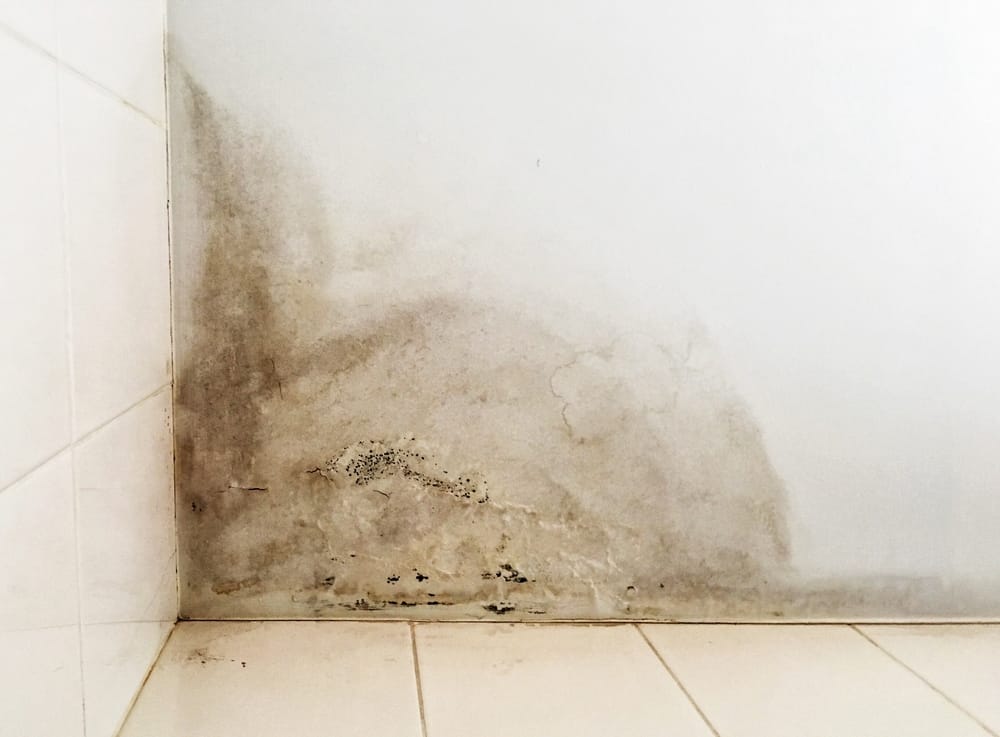
You stop second-guessing the air in your own home. That musty smell in the basement after a rainstorm, the dark patch creeping along the bathroom ceiling, the unexplained cough that gets worse indoors — those aren’t minor annoyances. They’re signals. And in Hempstead, where more than 23% of homes were built before 1939, those signals show up more often than most people expect.
Hempstead’s housing stock was built long before modern moisture barriers existed. Basements flood. Crawl spaces hold humidity. Attics trap condensation through every Long Island winter. When a water event hits — a burst pipe, a storm that backs up the drain on a low-lying street, a slow leak behind a wall that nobody noticed for six months — mold starts growing within 24 to 48 hours. By the time you smell it, it’s already spread further than the surface shows.
Getting it properly removed means your home is safer, your air is cleaner, and your property holds its value. Homes with known mold issues can lose 20 to 37 percent of their market value. In a community where the median property value sits around $459,500, that’s not a number you want to test. Professional mold removal in Hempstead isn’t a luxury — it’s damage control, and it’s almost always cheaper than the alternative.
We’ve been working in Hempstead homes and buildings for over three decades. That’s 31 years of Long Island weather, Long Island housing, and Hempstead homeowners who needed real answers — not a franchise playbook written somewhere else.
Every technician on our team holds IICRC certification. Not just the supervisor. Not just the owner. Every person who walks into your Hempstead home is certified to the industry’s gold standard. We’re also fully licensed under New York State’s mold remediation law, which matters more than most people realize — and more on that below.
Whether it’s a pre-war single-family home near the Hofstra corridor, a multi-unit rental building off Front Street, or a basement that’s flooded one too many times after a storm rolls through Nassau County — we’ve seen it, handled it, and documented it properly.
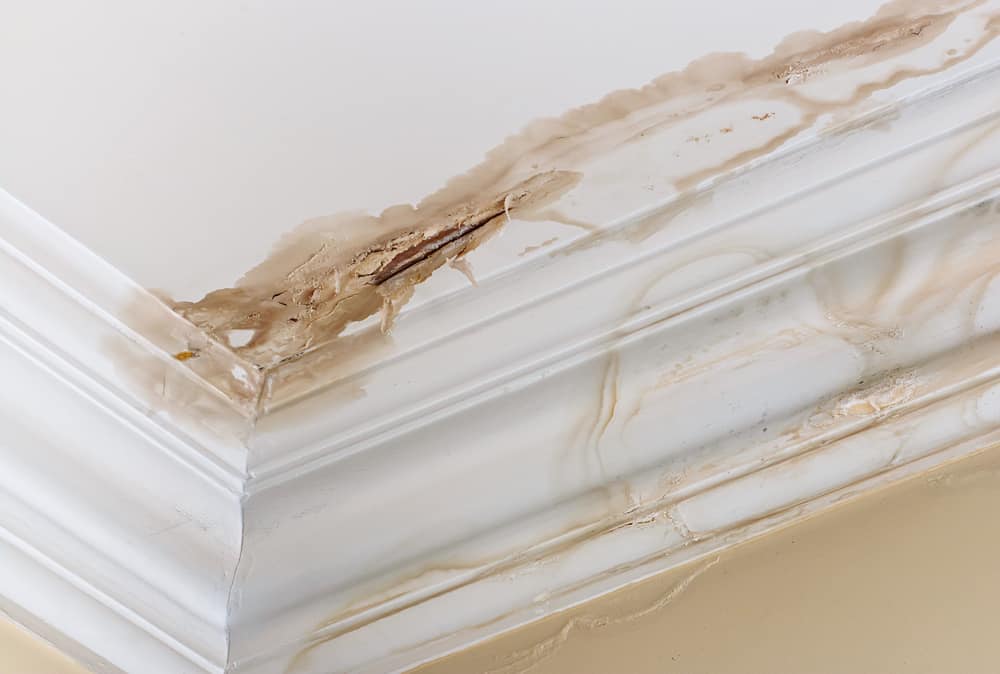
It starts with a thorough inspection — not just a visual walkthrough. The process includes air sampling, surface swab sampling, moisture level readings, and a boroscopic examination that looks inside wall cavities without tearing them apart. In older Hempstead homes with plaster walls and wood lath framing, that last step is often what reveals the real scope of the problem. Mold hides in places a flashlight can’t reach.
Once the inspection is complete, you get lab-confirmed results from a third-party lab, typically within two to three business days. Those results come with chain-of-custody documentation — the kind that holds up in a landlord-tenant dispute, an insurance claim, or a code compliance review under the Village of Hempstead’s Housing and Property Maintenance Code. If you’re a renter dealing with a landlord who’s dragging their feet, that documentation is your leverage.
Remediation follows a contained, methodical process — isolating the affected area, removing contaminated materials, treating surfaces, and verifying clearance with post-remediation testing before the job is called done. If there’s an underlying water intrusion issue driving the mold, we address that too. Mold without fixing the moisture source is just a temporary fix. We handle both sides of the problem, so you’re not calling someone else six months later for the same issue.
Ready to get started?
Mold removal in Hempstead looks different depending on where you’re dealing with it and what kind of building you’re in. Basement mold removal in a pre-war single-family home on the south side of the village is a different job than attic mold removal in a mid-century rental building near the Uniondale border. Crawl space mold removal in a home that’s flooded twice in the last three years requires a different approach than bathroom mold removal in a high-density apartment complex. We’re equipped for all of it.
For residential properties, our service covers the full scope: black mold removal, toxic mold cleanup, water damage restoration, drying, and post-remediation clearance testing. For landlords and property managers dealing with multi-unit buildings — and in a community that’s over 52% renter-occupied, that’s a significant portion of the calls — the process includes the documentation and multi-unit coordination that commercial mold removal requires. Everything is handled by IICRC-certified technicians, not subcontractors.
One thing worth knowing: New York State law prohibits the same company from performing both the mold assessment and the mold remediation on the same property. We’re fully licensed and compliant with that requirement. If a company in Hempstead offers to test and remediate in a single transaction without involving a separate assessor, that’s a red flag — and potentially a legal violation. You deserve a company that follows the rules, not one cutting corners to close a sale.
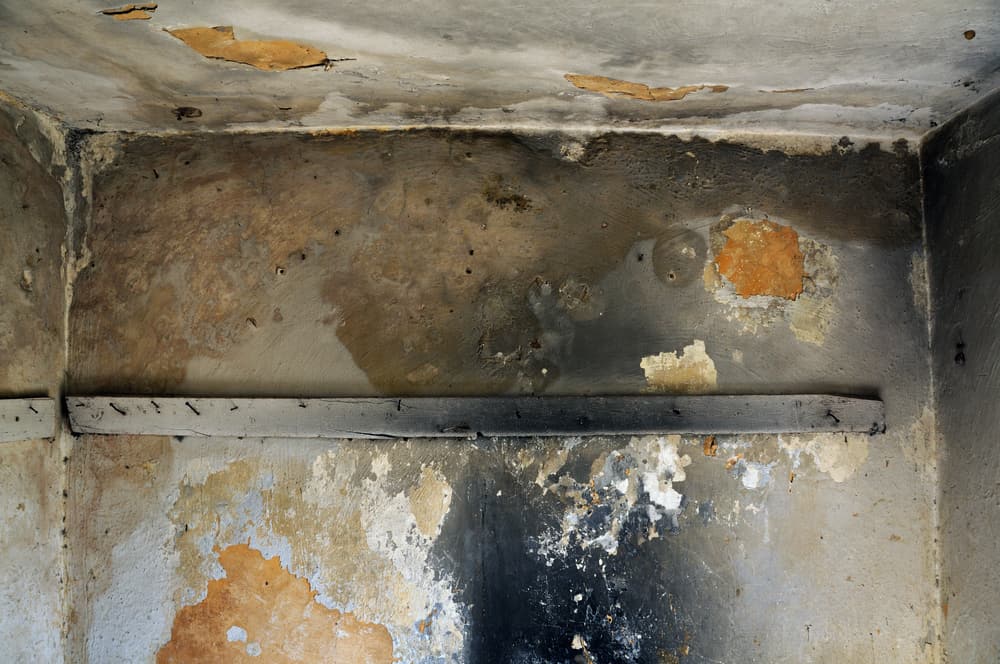
The honest answer is that it depends on where the mold is, how far it’s spread, and what caused it. Nationally, mold remediation costs range from around $373 on the low end to $7,000 or more for significant infestations, with most jobs landing somewhere around $2,300. In Hempstead, the range is consistent with that — but the older housing stock here tends to push jobs toward the higher end of the spectrum more often than in newer communities. Pre-war construction, unfinished basements, and plaster walls all add complexity.
What drives cost up most is delayed action. Mold that’s been growing for weeks or months behind a wall covers far more surface area than mold caught early. The inspection and lab testing phase exists precisely to give you an accurate picture before any remediation begins, so you’re not guessing at scope or cost. We also offer up to $500 toward your out-of-pocket deductible if the job is tied to an insurance claim — which is worth asking about before you assume the full cost falls on you.
The most common signs are a persistent musty odor, visible dark or greenish-black discoloration on walls or framing, and moisture or water staining that keeps coming back. In Hempstead basements — especially in homes built before 1960 — the problem often starts after a flooding event and goes unnoticed because the basement isn’t regularly used. By the time someone notices the smell, the growth is usually well beyond what’s visible on the surface.
Black mold, technically Stachybotrys chartarum, requires sustained moisture to grow and is commonly found in areas with chronic water intrusion — exactly the conditions that exist in many of Hempstead’s older homes. The only way to confirm what type of mold you’re dealing with is through lab analysis, not a visual guess. Air sampling and surface swabs sent to a certified third-party lab give you a definitive answer, not speculation. If you’ve had basement flooding after a storm or a plumbing failure, getting tested sooner rather than later is the smarter move.
It depends on the cause. Most standard homeowners insurance policies in Nassau County will cover mold removal if it’s the direct result of a covered peril — a burst pipe, an appliance leak, or storm-related water intrusion. What they typically won’t cover is mold that developed from long-term neglect, gradual leaks, or flooding from groundwater, which is a separate flood insurance issue. Given how often Hempstead streets and basements deal with stormwater accumulation after heavy rain, understanding that distinction matters.
The documentation piece is critical when filing a claim. Insurance adjusters need to see lab-confirmed results, a written scope of work, and evidence that the damage is tied to the covered event. We work with insurance adjusters directly, which takes a significant amount of the back-and-forth off your plate. The $500 deductible assistance program is also available for qualifying claims, which can make a real difference when you’re already dealing with the stress of a damage event.
No — and this is one of the most important things Hempstead homeowners need to know before hiring anyone. New York State law, which took effect in 2016, explicitly prohibits the same company from performing both the mold assessment and the mold remediation on the same property. The law exists to prevent conflicts of interest — specifically, a contractor inflating the scope of a problem they’re also getting paid to fix.
If a company offers to test your home and immediately schedule their own crew for remediation without involving a separate licensed assessor, they may be operating outside the law. We’re fully licensed under New York State’s mold remediation licensing requirements and operate in compliance with this separation rule. When you work with a properly licensed company, you get an independent assessment of what’s actually there — not a sales pitch disguised as a test result. Ask any company you’re considering whether they hold a valid NYS mold contractor license before you let them in the door.
Attic mold is extremely common in Hempstead, and it’s almost always caused by the same two things: inadequate insulation and poor ventilation. In older homes — and Hempstead has a significant share of homes built before 1939 — warm, humid air from the living space rises into the attic and meets cold roof decking during Long Island winters. That temperature difference creates condensation, and sustained condensation creates mold. It often goes undetected for months because nobody’s up there checking.
The problem tends to get worse after particularly cold winters or when HVAC systems are running heavily. Attic mold removal in Hempstead requires addressing both the mold itself and the ventilation or insulation issue driving the moisture. Removing the mold without fixing the airflow problem means it comes back, usually within a year. The inspection process includes identifying the moisture source so the remediation actually solves the problem rather than just treating the symptom.
This situation comes up regularly in Hempstead given how much of the housing stock is renter-occupied — over half the units in the village are rentals. The Village of Hempstead’s Housing and Property Maintenance Code, Chapter 78, requires landlords to maintain buildings in a clean and sanitary condition, free from water intrusion. Mold resulting from a roof leak, plumbing failure, or building envelope defect is generally the landlord’s legal responsibility to remediate.
The most important thing you can do as a renter is get the mold documented before anything else. Lab-confirmed air and surface samples with chain-of-custody documentation give you a legally defensible record of what’s in your unit and how severe it is. That documentation carries weight in housing court, with code enforcement, and with your landlord’s insurance company. We can conduct the inspection and testing independently, provide you with a written lab report, and if remediation is authorized, handle the cleanup with our certified team. Having a paper trail from a licensed, certified company is what separates a complaint your landlord ignores from one they can’t.
Useful Links
Other Services we provide in Hempstead