
Hear from Our Customers
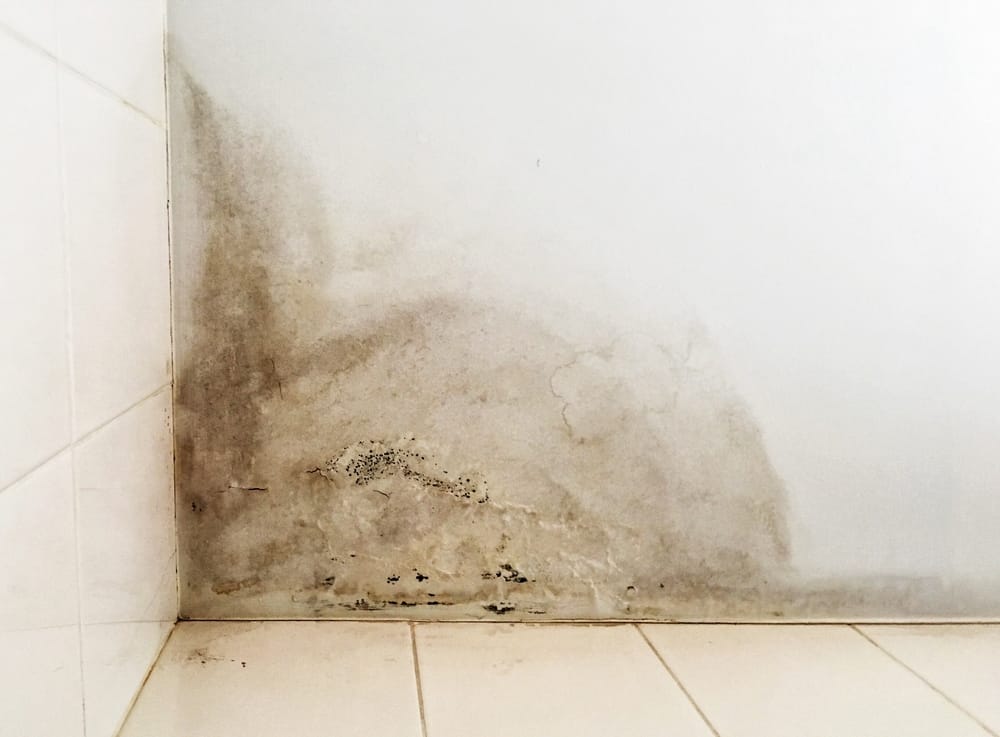
When mold is properly removed — not just painted over or masked with a spray — the air in your home changes. That musty smell that’s been in the basement since last spring’s flooding disappears. Your family stops waking up congested. You stop wondering whether the cough your kid has had for two months is something in the house.
For Inwood homeowners, that relief is harder to come by than it sounds. Most of the homes here were built before 1950, and they weren’t designed with modern moisture management in mind. Unfinished basements, old plumbing, and crawl spaces without vapor barriers are the norm — not the exception. Add Jamaica Bay humidity through the summer months and you have conditions where mold doesn’t need a flood to get started. It just needs time.
What you get after a proper remediation isn’t just a cleaner house. It’s documented proof — air samples, surface swabs, lab results — that the mold is gone. Not “probably gone.” Not “it looks clear.” Actually gone, with paperwork to back it up. Whether you’re protecting your family, managing a rental property, or getting ready to sell, that documentation matters in ways a contractor’s word never will.
We’ve been handling mold removal, water damage, and restoration work across Nassau County for over three decades — including the neighborhoods around Inwood. That’s not a corporate timeline — it’s a Long Island one. Our team has worked in Five Towns homes through nor’easters, post-Sandy remediation calls, and the slow-burn moisture damage that builds up in bay-adjacent neighborhoods like Inwood year after year.
What makes the difference here isn’t just experience — it’s that every technician who walks into your home holds IICRC certification. Not just the owner. Every person on the crew. In a market where plenty of companies send out whoever’s available, that blanket standard is rare and it’s worth asking about before you let anyone start work.
We’re also fully licensed under New York State’s mold inspection and remediation laws — a legal requirement that not every contractor in Nassau County bothers to meet. When you call First Response Restoration, you’re working with a company that operates by the book, documents everything, and doesn’t cut corners because no one’s watching.
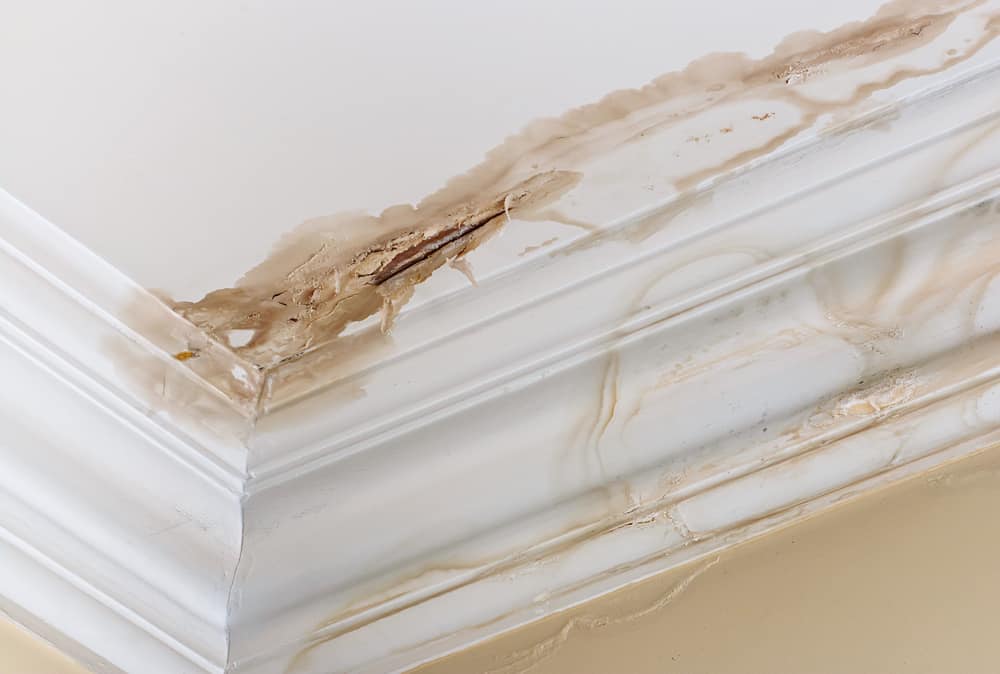
It starts with a thorough inspection — not a quick walkthrough, but a 5-point assessment that includes air sampling, surface swabs, moisture readings, and a boroscopic look inside wall cavities when needed. In Inwood’s older homes, the mold you can see is rarely the whole story. Pre-war construction with balloon-frame walls and aging plumbing means moisture travels through spaces that don’t get opened for years. The inspection finds what’s actually there before any work begins.
Once the scope is clear, you get a written estimate. Work doesn’t start until you understand what’s being done and why. The remediation itself follows IICRC-certified protocols — containment, removal, treatment of affected materials, and HEPA-filtered air scrubbing throughout. If the water damage that caused the mold hasn’t been addressed, we handle that too. We do both, which means you’re not left coordinating two separate contractors while the problem keeps spreading.
After the work is complete, post-remediation clearance testing is done using the same lab used for the initial samples. If the results don’t clear, the job isn’t finished. When they do, you receive a chain-of-custody document that meets legal evidence standards — useful for insurance claims, landlord-tenant situations, and real estate transactions, all of which are common scenarios in Inwood’s housing market.
Ready to get started?
Mold removal in Inwood isn’t a one-size-fits-all job. Our service covers the full range of what shows up in this area’s housing stock — basement mold removal for the older foundations along streets like Sheridan Boulevard and Bayview Avenue, attic mold removal in homes where poor ventilation has let bay humidity accumulate for years, crawl space mold removal where vapor barriers were never installed, and bathroom mold removal in the kind of older tile-and-plaster construction that holds moisture in ways modern bathrooms don’t.
Black mold removal and toxic mold cleanup are handled under full containment protocols — meaning the rest of your home stays protected while the affected area is being treated. For rental properties, which make up nearly half of Inwood’s occupied housing, the process is designed to work efficiently without unnecessarily displacing tenants or dragging out timelines.
We also cover commercial mold removal for small business owners and property managers in the area. And for homeowners dealing with insurance, we offer up to $500 toward your out-of-pocket deductible — a direct financial offset that no other identified local competitor provides. Nassau County property ownership is already expensive. When an emergency hits, that cushion is real.
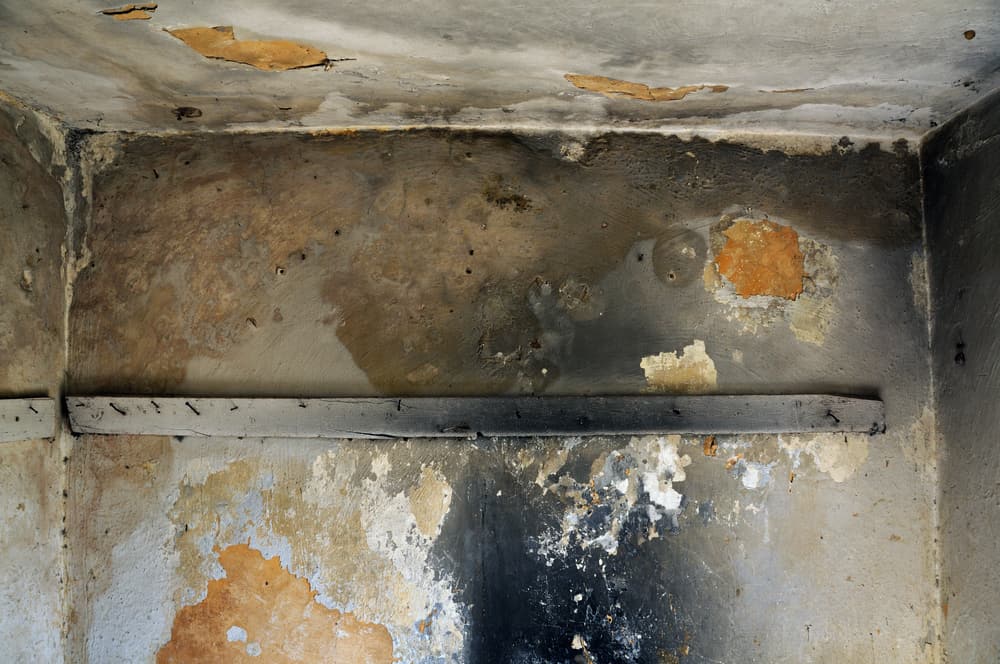
The most common signs are a persistent musty smell in the basement or crawl space, visible dark spotting on walls or ceilings — especially near plumbing or in corners — and unexplained respiratory symptoms like a chronic cough, congestion, or worsening asthma in family members. In Inwood specifically, basements in pre-1950 homes are the most common starting point. These older foundations weren’t built with waterproofing membranes, and after years of spring flooding, Jamaica Bay humidity, and aging plumbing, moisture works its way in quietly.
The tricky part is that significant mold growth often hides inside wall cavities, under flooring, or behind drywall — especially in homes that had any water intrusion after Hurricane Sandy that wasn’t fully remediated at the time. If your home flooded at any point in the last decade and you haven’t had a professional inspection since, that alone is reason enough to get eyes on it. A proper inspection will tell you exactly what you’re dealing with — and if nothing’s found, you’ll know that too.
Mold remediation costs vary based on the size of the affected area and how far the growth has spread into building materials. Generally speaking, professional mold removal runs between $10 and $25 per square foot, with basement, attic, and crawl space jobs typically falling in the $15 to $30 per square foot range. A contained bathroom job might run a few hundred dollars. A larger basement or multi-room situation can reach several thousand. Most jobs in Inwood’s older single-family homes fall somewhere in the $1,500 to $4,000 range depending on scope.
Whether insurance covers it depends on the cause. If the mold resulted from a sudden, covered event — like a burst pipe or storm flooding — most homeowner policies will contribute. Mold from long-term neglect or gradual moisture buildup is typically excluded. We work with insurance claims regularly and can help you document the damage properly from the start. We also offer up to $500 toward your deductible, which helps offset out-of-pocket costs when coverage applies but doesn’t cover everything.
It can — but only if the underlying moisture source wasn’t addressed. Mold removal without fixing what caused the moisture in the first place is just buying time. That’s why we handle both the mold remediation and the water damage restoration that preceded it. If a slow pipe leak, a failing foundation joint, or inadequate attic ventilation is feeding moisture into the space, that gets identified and addressed before the remediation is considered complete.
In Inwood’s coastal environment, ongoing humidity management matters too. Homes near Jamaica Bay deal with higher ambient moisture levels than inland Nassau County communities, particularly through the summer months. After remediation, a dehumidifier recommendation or ventilation improvement can make the difference between a one-time fix and a recurring problem. Post-remediation clearance testing is also done to confirm the job held — and that documentation gives you a baseline to reference if any future concerns come up.
It depends on the location and scale of the mold growth. For smaller, contained jobs — a bathroom wall, a section of basement ceiling — most families can remain in the home during remediation as long as proper containment is in place. The affected area is sealed off with plastic sheeting and negative air pressure to prevent spores from spreading to the rest of the house during the work.
For larger jobs involving black mold removal or toxic mold cleanup that covers significant square footage — or in cases where the HVAC system may have been affected — temporary relocation is the safer call, especially if anyone in the household has asthma, respiratory sensitivities, or a compromised immune system. Given Inwood’s large number of families with children and a significant elderly population, that conversation happens upfront so you can plan accordingly. We’ll tell you honestly what’s needed for your specific situation, not just what’s easiest for scheduling.
In New York State, mold inspection and mold remediation are legally separate services — and the same company cannot perform both on the same property. This is a consumer protection law, not just an industry preference. It exists to prevent contractors from inflating the scope of a problem they’re also being paid to fix. If a company offers to inspect your home and then immediately quotes you for remediation without involving a separate licensed assessor, that’s a red flag worth taking seriously.
First Response Restoration operates in full compliance with New York State’s mold licensing requirements. We hold the appropriate remediation license, and the inspection and assessment process follows the legally required separation. For Inwood homeowners navigating this for the first time — especially those dealing with a landlord-tenant situation or an insurance claim where documentation needs to hold up — understanding this distinction protects you from both legal exposure and from contractors who don’t play by the rules.
There’s no catch. The deductible coverage program exists because mold and water damage emergencies are already financially stressful, and in a community like Inwood — where many households are working-class families managing older homes on moderate incomes — an unexpected remediation bill on top of an insurance deductible can be a real burden. The $500 offset is a straightforward way of reducing that pressure for homeowners who qualify when filing an insurance claim.
It also reflects how we approach the work. We’re not built around upselling or manufacturing urgency — the business has operated on Long Island for 31 years on the strength of referrals and repeat clients, not one-time transactions. Offering something tangible like deductible assistance is consistent with how we operate: do the job right, document everything, and make the process as manageable as possible for the homeowner. If you’re filing a claim and want to understand how the program applies to your situation, ask when you call — it’s a straightforward conversation.
Useful Links
Other Services we provide in Inwood