
Hear from Our Customers
The air in your home feels different when the source is dealt with — not just the surface. You stop second-guessing that musty smell in the basement. You stop wondering what’s behind the walls in a house that’s been standing since 1938. That’s the difference between treating a symptom and solving the problem.
In Lattingtown, the housing stock is older than most of Nassau County. The median construction year is 1958, with nearly a third of homes predating 1940 — these are estate-era properties with stone foundations, original framing, and crawl spaces that haven’t had a real inspection in decades. That age creates real vulnerability: no vapor barriers, no modern waterproofing, plumbing systems that have been quietly leaking behind walls longer than anyone realized.
Add the coastal humidity from Long Island Sound, the woodland coverage that traps moisture around structures, and the seasonal nor’easters that push water into old foundations — and you’ve got conditions that make professional mold removal in Lattingtown genuinely different from what we handle in postwar subdivisions twenty miles south. When it’s handled right, you get your home back. You get documentation that holds up for insurance, for a real estate transaction, for your own peace of mind. And you don’t have to wonder if it’s coming back.
We’ve been serving Nassau County homeowners for over three decades — including the large, older, high-value properties that define Lattingtown, Locust Valley, and the surrounding North Shore villages. This isn’t a franchise routing your call to the nearest available crew. We’re a Long Island company that knows the building stock in Lattingtown, the climate, and what homeowners in this area actually expect.
Every technician who walks into your home holds IICRC certification — not just the project manager, not just the owner. Everyone on the job. We enforce this standard without exception, because anything less isn’t acceptable when you’re working inside a home worth over a million dollars.
We also carry a dedicated Nassau County service line (516-541-0500) and are fully licensed under New York State Article 32 for mold remediation. When you need lab-confirmed results and a written report you can stand behind, we’re the team that delivers it.
It starts with a thorough inspection — not a walkthrough with a flashlight, but a 5-point protocol that includes boroscopic wall cavity examination, air sampling, surface swab sampling, moisture measurement, and water intrusion point identification. In older Lattingtown homes, that last step matters more than most people expect. Finding where the moisture is entering is the only way to make sure the mold doesn’t come back six months later.
Samples go to a certified lab with full chain-of-custody documentation. You receive a written report within 2 to 3 business days — the kind of documentation that holds up for an insurance claim, a real estate transaction, or a legal proceeding if it ever comes to that. Under New York State law, the company that performs the assessment cannot also perform the remediation on the same property — so post-remediation clearance testing is handled through a separate licensed entity, which is exactly how it’s supposed to work.
From there, remediation follows a contained, systematic process: full containment of the affected area, HEPA air scrubbing, removal of compromised materials, antimicrobial treatment, and structural drying where water damage is involved. If the moisture source is a failing foundation, a roof leak, or aging plumbing — we handle that too, in the same engagement. The job isn’t done when the mold is gone. It’s done when the lab confirms it.
Ready to get started?
A 6,000-square-foot estate home in Lattingtown on a three-acre lot is not the same job as a cape in a postwar subdivision. The attic alone can span the entire footprint of the house. The crawl space may not have been properly sealed since the home was built. The basement may be a full stone-foundation level with no waterproofing membrane and a boiler that’s been running for forty years. Attic mold removal in Lattingtown and crawl space mold removal are two of the most common — and most overlooked — remediation needs in this village, precisely because these spaces are large, old, and rarely inspected.
Black mold removal in Lattingtown follows the same rigorous containment and clearance protocol as any other mold type — but the scale of these homes demands more equipment, more time, and more thorough post-remediation verification than a smaller property would require. We bring the capacity to handle that scale.
We also offer a deductible coverage program — up to $500 toward your out-of-pocket insurance deductible — which no other mold removal company currently serving this area matches. It’s not a promotional gimmick. It’s a reflection of confidence in the outcome. When the lab report comes back clean and the job is documented from start to finish, the investment makes sense — for a home, and for an asset worth protecting.
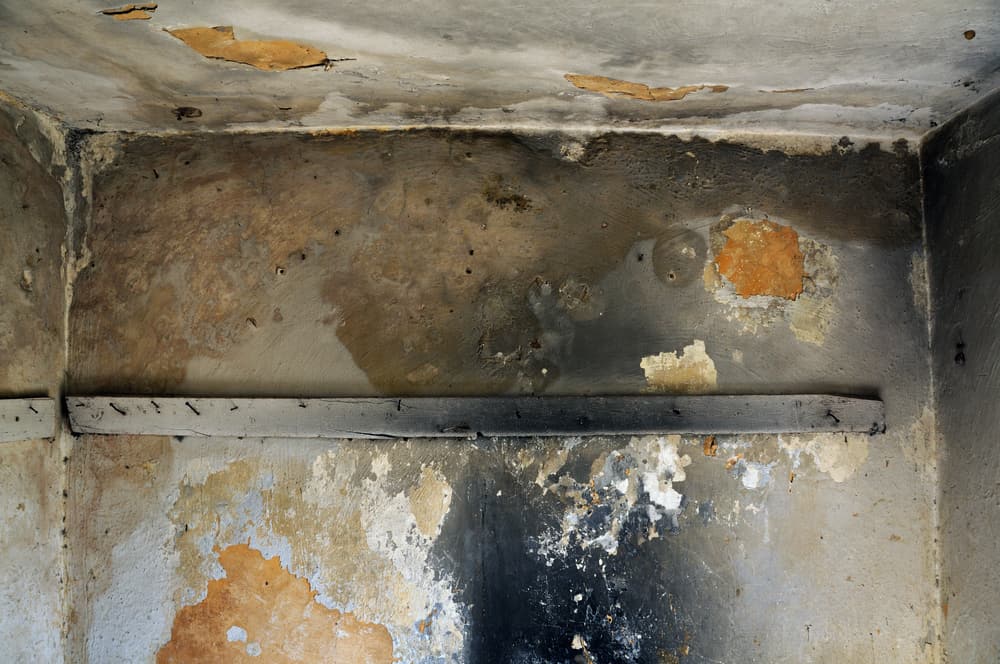
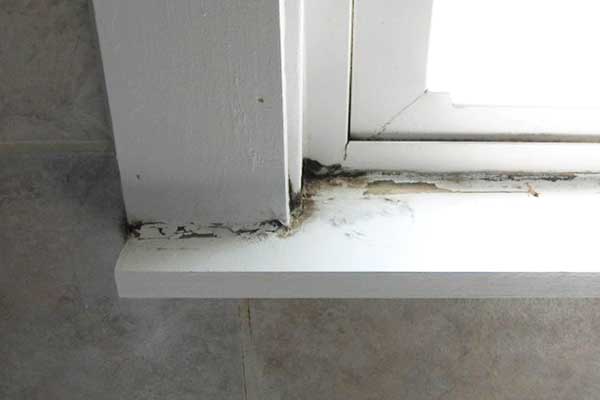
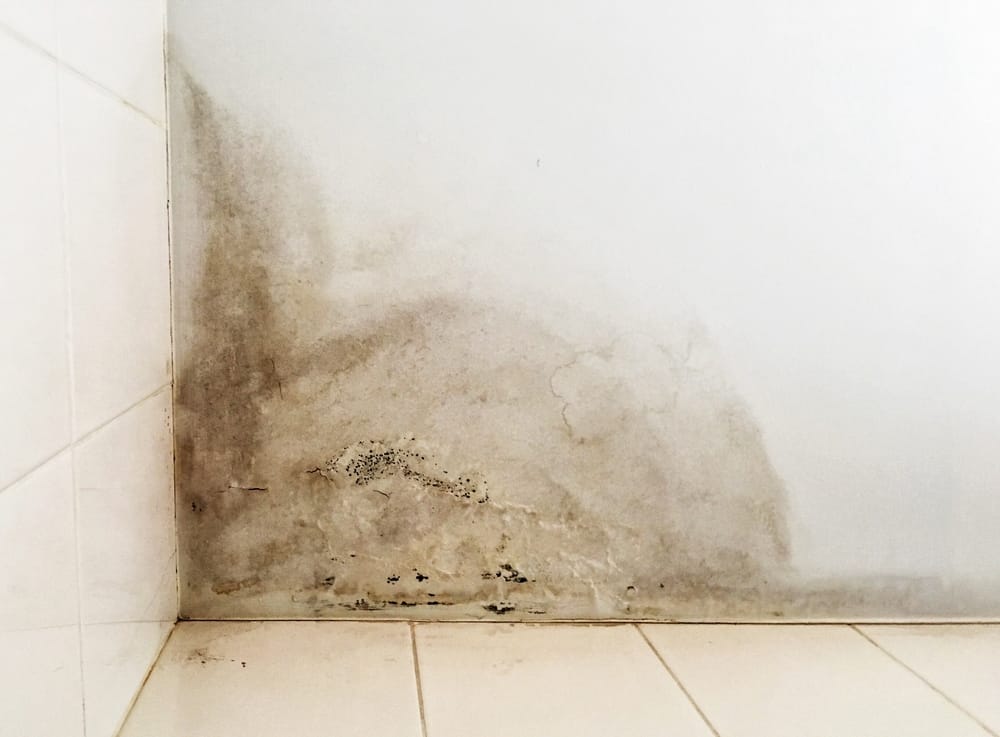
The honest answer is that you often don’t — not without a proper inspection. Mold in older Lattingtown homes tends to live inside wall cavities, beneath original hardwood subfloors, in attic framing, and in crawl spaces that haven’t been looked at in years. A musty smell is one signal. Unexplained allergy symptoms that improve when you leave the house are another. Visible discoloration on walls or ceilings — especially near windows, in bathrooms, or in basement corners — is a more obvious sign, but it’s rarely the full picture.
In a Lattingtown home built before 1940, the construction itself creates conditions that hide mold well. Original plaster-and-lath walls, stone foundations without waterproofing, and limited attic ventilation all create pockets where moisture accumulates without visible evidence. A professional inspection using air sampling, surface swabs, and boroscopic wall cavity examination gives you a real answer — not a guess based on what’s visible to the naked eye.
The national average for mold remediation runs around $2,300, with a typical range of roughly $373 to $7,000 depending on the size and severity of the problem. For Lattingtown specifically, expect that range to skew higher — not because of arbitrary pricing, but because the homes here are larger, older, and more complex than the typical suburban property. A large attic, a full basement, or a crawl space spanning several thousand square feet requires more containment, more equipment, and more time than a smaller job.
The more relevant number for most Lattingtown homeowners is the cost of not addressing it. Mold can reduce a home’s resale value by 20 to 37 percent, and roughly half of interested buyers walk away from a property with a known mold problem. On a home valued above a million dollars, that’s a significant exposure. A properly documented remediation — with lab-confirmed clearance — protects that value and gives you something concrete to show buyers, insurers, or anyone else who needs verification.
It can — but only if the moisture source wasn’t addressed. Mold removal without fixing the underlying water intrusion problem is like patching a roof leak with paint. The mold itself is treated, but the conditions that allowed it to grow are still there. Within months, sometimes weeks, it returns.
This is the most common failure point in mold remediation, and it’s especially relevant in Lattingtown’s older housing stock. A stone foundation without a waterproofing membrane, aging plumbing behind original plaster walls, an attic with inadequate ventilation — these aren’t just mold risks, they’re ongoing moisture sources. We handle both sides: the mold remediation and the water damage or intrusion issue that caused it. When both are addressed in the same engagement, and post-remediation clearance testing confirms the results, recurrence is not the expected outcome. That’s the difference between a complete job and a temporary fix.
No — and this is something every homeowner in Lattingtown should understand before hiring anyone. Under New York State Labor Law Article 32, the company that performs the mold assessment and testing on a property cannot be the same company that performs the remediation. These must be separate licensed entities. It’s a consumer protection law designed to prevent conflicts of interest — specifically, to prevent a company from inflating findings to generate more remediation work, or from clearing their own remediation without independent verification.
What this means practically: after remediation is complete, post-remediation clearance testing must be conducted by a separate NYS-licensed mold assessor. We’re fully compliant with this requirement and will walk you through how it works before the job begins. If any company tells you they can handle both the testing and the removal on the same property, that’s a red flag — and a potential legal violation.
Mold can begin colonizing wet surfaces within 24 to 48 hours of water intrusion. That’s not a worst-case scenario — that’s the standard timeline under typical indoor conditions. In a Lattingtown home after a nor’easter pushes water into a basement or attic, or after a pipe fails in a wall that hasn’t been accessed in decades, every hour between the water event and professional drying is an hour of active mold risk.
This is why we operate 24 hours a day, seven days a week. Not as a marketing claim — as an operational reality. When a storm damages your home at midnight on a Saturday, the same number reaches the same team. Rapid response in the first 24 to 48 hours can be the difference between a contained remediation and a full-scale mold infestation that has spread through structural framing, insulation, and wall cavities across an entire floor of the house.
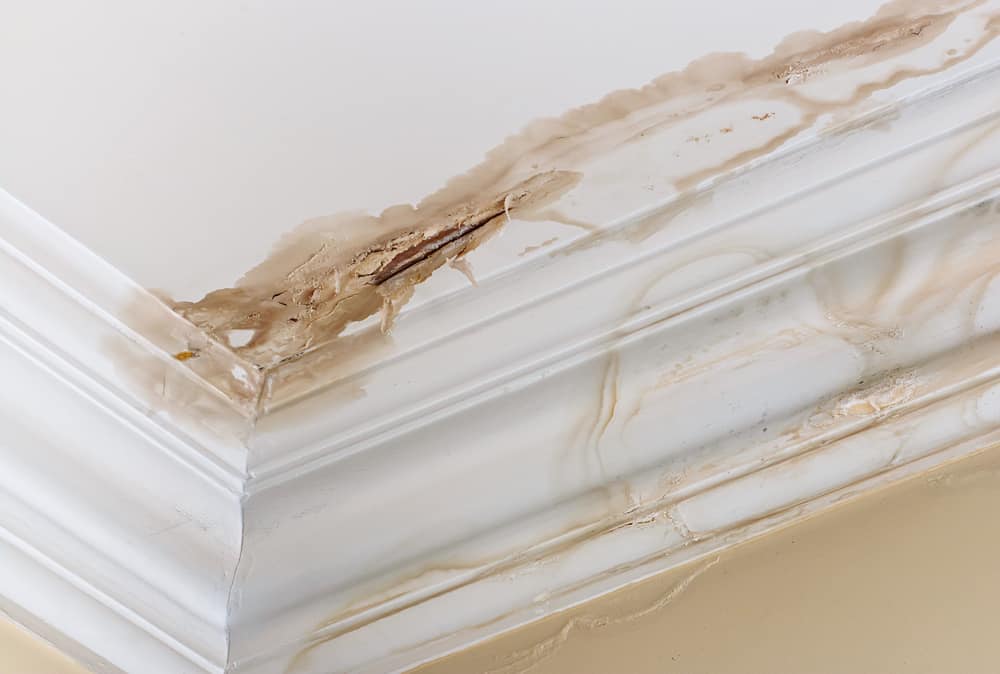
It depends on the cause. Most standard homeowners insurance policies cover mold remediation when it results directly from a covered peril — a sudden pipe burst, storm-related water intrusion, or an appliance failure. What they typically don’t cover is mold that developed from long-term neglect, gradual leaking, or maintenance issues that were never addressed. The line between those two categories isn’t always clear, which is exactly why proper documentation matters.
In Lattingtown, where homes are older and moisture issues can develop slowly over years inside walls and foundations, the documentation from a professional inspection — air samples, surface swabs, lab reports with chain-of-custody records — is often what determines whether a claim gets approved or denied. We work directly with insurance adjusters and provide the written documentation your insurer needs to process the claim. We also offer up to $500 toward your out-of-pocket deductible, which no other mold remediation company currently serving this area provides. If you’re unsure whether your situation qualifies, call the Nassau County line at 516-541-0500 and ask — it’s a straightforward conversation.
Useful Links
Other Services we provide in Lattingtown