
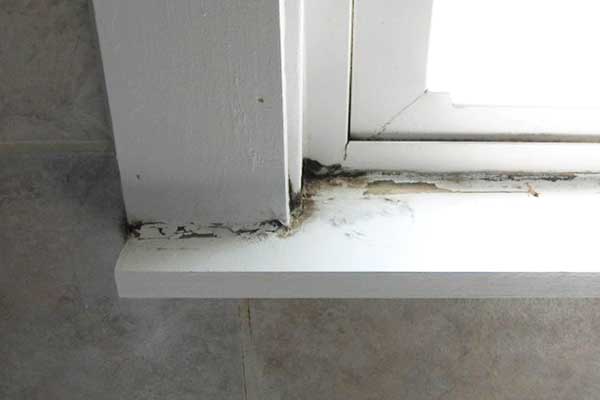
Hear from Our Customers
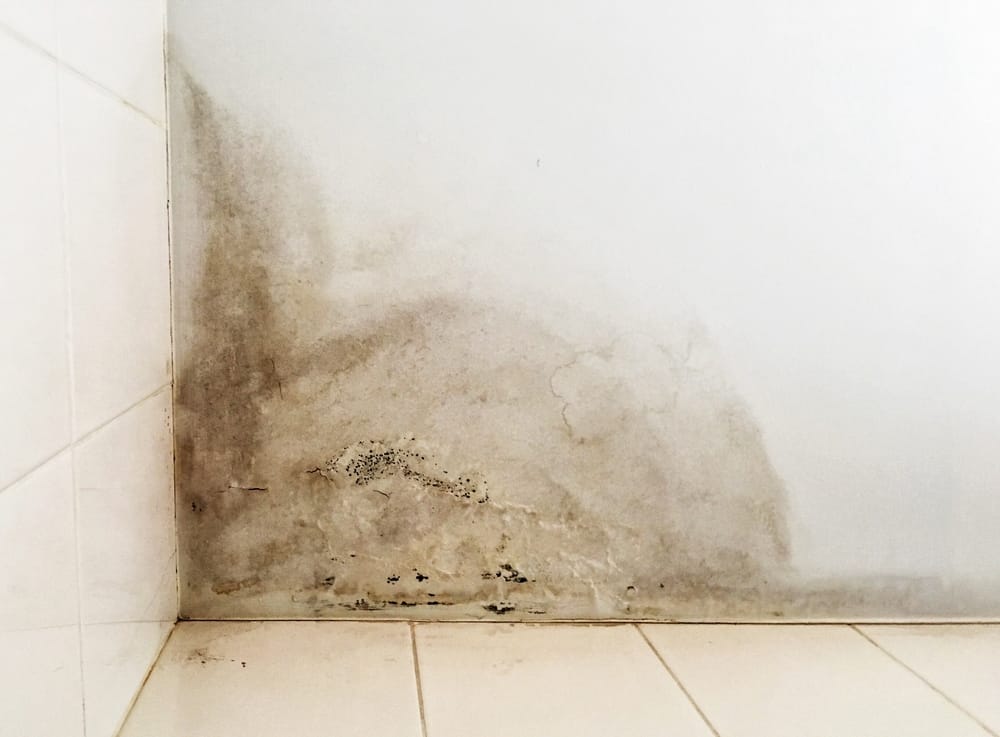
When mold gets handled the right way, you stop second-guessing every musty corner. You stop wondering if the smell in the basement is something serious. You stop worrying about what a buyer’s inspector is going to find before closing. That’s what a properly completed mold removal job actually gives you — not just a treated surface, but confidence that the problem is behind you.
For homes in Laurel Hollow, that confidence matters more than most people realize. The hilly, heavily wooded terrain along the North Shore creates groundwater complexity that pushes moisture into foundations and crawl spaces in ways that flat suburban lots simply don’t. Properties near the Cold Spring Harbor harbor side of the village carry additional ambient humidity year-round. Those aren’t abstract risks — they’re the specific conditions that send mold through wall cavities and attic decking in large estate homes before anyone notices a visible sign.
Once the work is done correctly — moisture source addressed, contaminated material removed, air cleared and tested — you get your home back. Not a painted-over version of the problem. The actual solution, with lab results to back it up.
We’ve been doing this work on Long Island since before most of today’s competitors were in business. That’s 31 years of North Shore properties, Nassau County regulations, and the specific moisture challenges that come with Laurel Hollow and the surrounding area — the coastal humidity, the hilly wooded terrain, the estate-scale homes with basements and attic systems that demand real expertise, not guesswork.
Every technician on our team is IICRC-certified. Not just leadership — every person who sets foot in your home. We’re also New York State licensed for both mold inspection and remediation, which matters more than most homeowners realize. NYS law actually prohibits the same company from doing both testing and remediation on the same property — a consumer protection built into state code that unlicensed operators routinely ignore.
Serving communities across Nassau and Suffolk Counties, including properties throughout the Oyster Bay area and along the Route 25A corridor, we bring documented, verifiable results — not assurances — to every job.
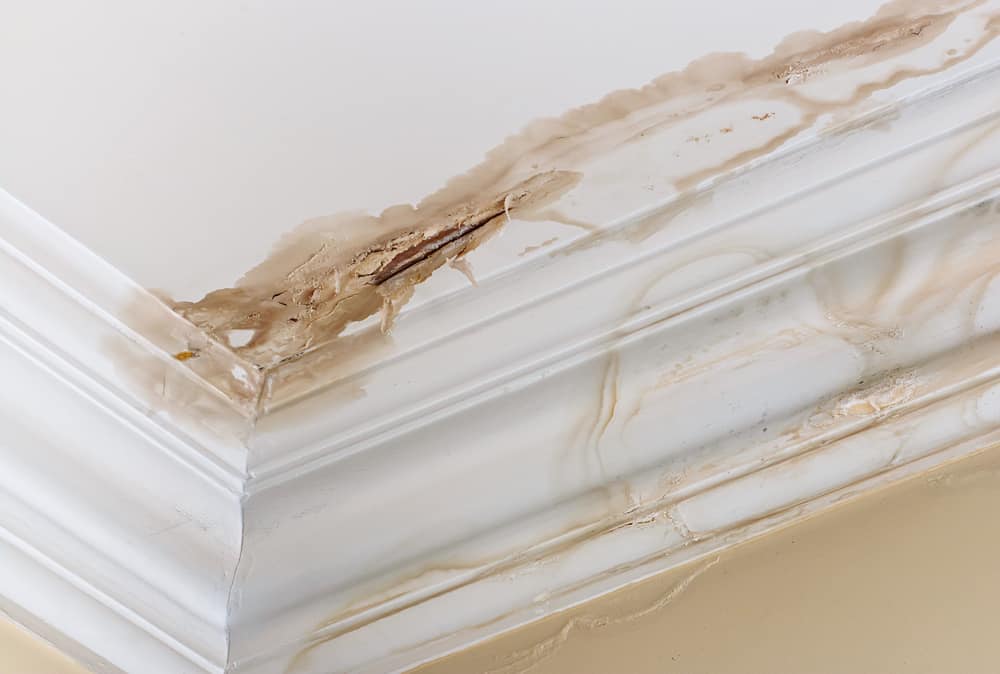
It starts with a thorough inspection — and not the kind where someone walks around with a flashlight. We use a five-point protocol that includes certified visual assessment, air sampling, surface swab sampling, boroscopic wall cavity examination, and non-invasive moisture measurement. That last two are what most companies skip. In Laurel Hollow’s large estate homes, mold growing inside wall cavities or beneath attic insulation won’t show up on a surface check — and a moisture reading tells you whether the source has been properly controlled before any remediation begins.
Once the scope is confirmed, remediation is contained and methodical. Affected materials are removed, treated, or encapsulated depending on what the assessment shows. The underlying moisture source — whether it’s hydrostatic pressure against a foundation wall, a ventilation issue in a complex roofline, or a slow plumbing leak — gets addressed at the same time. Mold that comes back almost always comes back because the moisture wasn’t fixed. That’s not a result you’ll get here.
After the work is complete, we conduct post-remediation clearance testing. Air and surface samples go to an independent lab, and you receive chain-of-custody documentation with results typically within two to three business days. That paperwork meets legal evidence standards — which is exactly what you need if you’re heading into a real estate closing or filing an insurance claim on a property in this market.
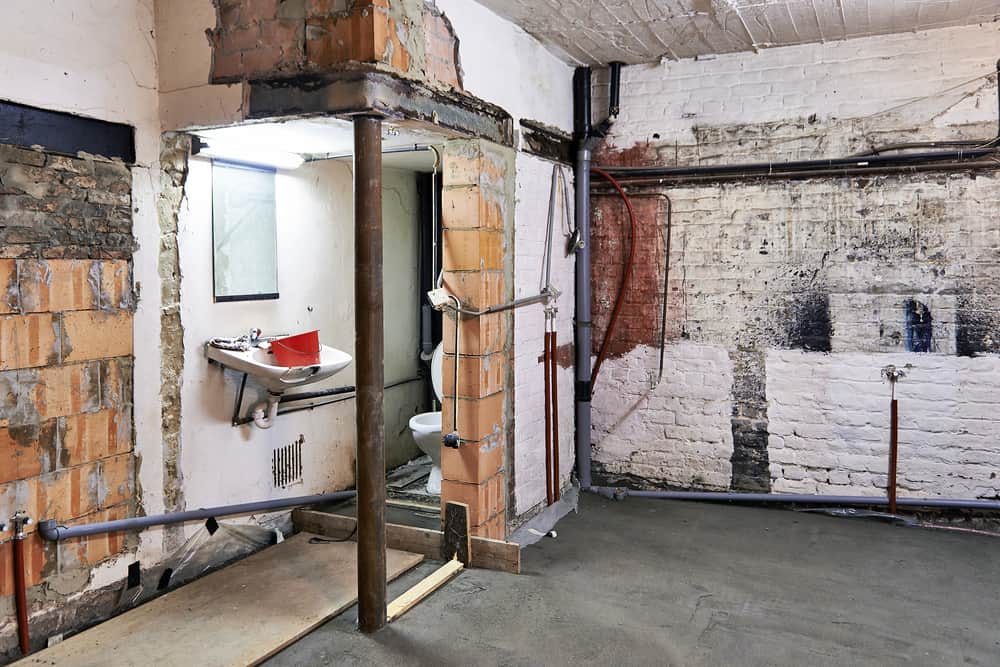
Ready to get started?
Mold removal in Laurel Hollow isn’t a one-size-fits-all job. A 6,000-square-foot home on a two-acre wooded lot with a full basement, a complex roofline, and a crawl space under a rear addition is a fundamentally different project than a mid-island Cape Cod. We handle the full scope — basement mold removal, attic mold removal, crawl space mold removal, bathroom mold removal, and HVAC-related mold — under one roof, with the same certified team on every job.
Our service includes everything from initial inspection and air quality testing through full remediation and post-clearance lab documentation. If the mold is connected to water damage — which it almost always is — we handle that restoration work too. One call covers the inspection, the remediation, the drying, and the documentation. You’re not managing four contractors and hoping they coordinate.
For Laurel Hollow homeowners navigating a real estate transaction, the lab-confirmed clearance report is the deliverable that matters most. A home in this village listed at $2 million or more with an unresolved mold disclosure is a serious problem. Documented, professional remediation with independent clearance testing is what moves that transaction forward. We also offer up to $500 toward your insurance deductible — a straightforward financial commitment that no other mold removal company serving this area currently provides.
It’s not that mold is more common here — it’s that the conditions in Laurel Hollow create more opportunities for it to develop undetected. The hilly, heavily forested terrain means groundwater moves in complex patterns, and hydrostatic pressure against foundation walls is a documented issue for properties on sloped lots. Add the shading effect of a dense deciduous canopy — which keeps soil and exterior surfaces damp longer after rain — and you have a moisture load that flat, sun-exposed suburban neighborhoods simply don’t face.
The harbor proximity on the eastern side of the village also keeps ambient humidity elevated through the warmer months. Large estate homes with expansive basements, crawl spaces, and complex attic systems have more surface area where that moisture can accumulate and sit. The result is that mold in Laurel Hollow often grows inside wall cavities, beneath insulation, or in attic decking long before it becomes visible — which is exactly why a proper inspection protocol matters more here than in most other parts of Nassau County.
Mold removal cost varies significantly based on the size of the affected area, where the mold is located, and whether water damage remediation is also required. For a contained bathroom or small basement area, you’re typically looking at $1,500 to $3,500. A larger remediation involving attic mold, crawl space mold, or mold inside wall cavities in a home of the scale common to Laurel Hollow can range from $5,000 to $15,000 or more, depending on scope.
What drives cost up isn’t the labor — it’s the complexity. Large estate homes with multiple affected zones, structural penetration, or mold that has spread into HVAC systems require more time, more containment, and more material removal. The other factor homeowners often overlook is the cost of not addressing it properly. A mold problem that reduces a home’s resale value by 20 to 37 percent on a $2 million Laurel Hollow property is a $400,000 to $740,000 problem. The remediation cost is not the expensive part — leaving it unresolved is.
Yes — and this is one area where homeowners get caught off guard. New York State Article 32 requires that mold contractors be licensed by the state to perform inspection and remediation work. It also includes a consumer protection provision that prohibits the same company from performing both mold testing and mold remediation on the same property. That separation exists to prevent contractors from inflating the scope of a problem they’re also being paid to fix.
Beyond state licensing, Nassau County has its own compliance requirements for remediation contractors operating in the county, including Environmental Health Review Program licensing. Any contractor you hire for mold removal in Laurel Hollow should be able to show you their NYS mold remediation license and demonstrate that they’re operating within county requirements. Laurel Hollow’s Village Building Department also administers permits for construction-related work under the New York State Uniform Fire Prevention and Building Code — so if remediation involves structural repairs, that’s an additional layer to account for. A properly licensed contractor will know how to navigate all of it.
Mold inspection is the process of identifying whether mold is present, where it is, and how extensive it is. It typically involves visual assessment, air sampling, surface swab testing, and — in a thorough inspection — tools like boroscopes to look inside wall cavities and moisture meters to measure humidity levels in building materials. The inspection tells you what you’re dealing with before any work begins.
Mold remediation is the physical removal and treatment of the mold, along with addressing the moisture source that caused it. In New York State, the same company legally cannot perform both on the same property — the inspection must be conducted independently of the remediation. This is actually a meaningful consumer protection, because it prevents the contractor doing the work from also being the one who defines the scope of that work. In most cases, yes — you need both. The inspection tells you what needs to be done, and the remediation does it. Post-remediation clearance testing then confirms the job is complete.
Attic mold is one of the most common and least visible mold problems in North Shore Long Island homes — and Laurel Hollow properties are particularly susceptible. The combination of large, complex rooflines, dense tree cover that reduces solar drying, and the seasonal temperature swings that Long Island’s North Shore experiences creates ideal conditions for condensation to build up on attic decking. When warm, moist interior air meets cold roof sheathing in winter, moisture accumulates. If ventilation is inadequate — which it often is in older estate homes — mold follows.
Most homeowners discover attic mold during a renovation, a home inspection, or when they notice staining on ceiling surfaces below the attic floor. By that point, it’s often been growing for months. The only reliable way to know if your attic has a mold problem before it becomes visible is a proper inspection that includes the attic space — including air sampling and a physical assessment of the decking and insulation. If you haven’t had your attic inspected and your home has a complex roofline or limited ridge ventilation, it’s worth checking.
In a real estate market where homes sell for $1.4 million to over $3.7 million, a mold disclosure is not a minor footnote. Research consistently shows that mold problems can reduce a home’s resale value by 20 to 37 percent — and that roughly half of interested buyers walk away entirely once they learn a property has a mold history. On a $2 million home in Laurel Hollow, that’s potentially $400,000 to $740,000 in lost value, not counting the deals that fall apart before closing.
The Cold Spring Harbor Central School District is a major driver of property values in this village — it’s consistently ranked among the best in New York State, and buyers pay a premium to be in it. That premium disappears quickly when a buyer’s inspector flags unresolved mold. The good news is that properly documented, professionally remediated mold — with independent lab clearance — does not have to kill a transaction. What matters to buyers and their attorneys is the paper trail: a licensed contractor, a documented process, and a lab-confirmed clearance report. That’s exactly what a professional mold removal company operating under NYS Article 32 is required to provide, and it’s what makes the difference between a deal that closes and one that doesn’t.
Useful Links
Other Services we provide in Laurel Hollow