
Hear from Our Customers
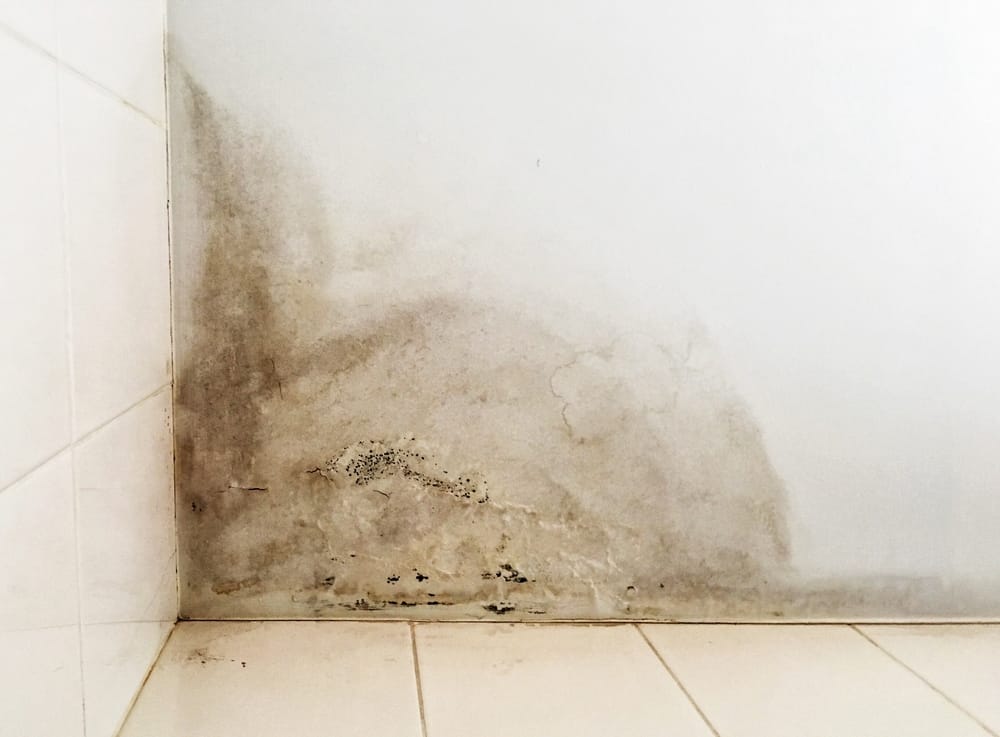
Most homeowners in Levittown don’t find mold because they were looking for it. They find it during a dormer renovation, after a pipe fails, or when a home inspector flags it two days before closing. By that point, it’s already been growing behind the drywall for months — sometimes years.
What you actually want isn’t just mold removed. You want to know it won’t come back in six months. That means whoever handles it needs to find the moisture source — the roof penetration from an old addition, the inadequate vapor barrier in a converted attic, the slow leak under the kitchen floor — and address that too. Treating visible mold without fixing what caused it is a temporary fix at best.
Levittown’s original Cape Cod homes were built on concrete slabs with no basement. When water gets in, it spreads across the entire main level instead of draining down. That’s a different problem than a flooded basement, and it needs a different approach. With median home values near $577,000 in this community, getting the remediation right the first time isn’t just about health — it protects the investment you’ve been building for years.
We’ve been serving Nassau and Suffolk County homeowners for over three decades. That means our team has worked in Levitt-built Cape Cods throughout Levittown, finished attics with no vapor barrier, slab-on-grade homes that flooded after a nor’easter, and every variation of renovation layered on top of 1940s construction you can imagine. This isn’t general restoration experience — it’s specific to the housing stock in Levittown and communities like it.
Every technician on our team holds IICRC certification — not just the owner, not just the project manager, every person who enters your home. We’re licensed under New York State Article 32 for mold remediation and compliant with Nassau County’s EHRP requirements. When your home is on the line, that matters.
We’re based in West Babylon, minutes from Levittown, and we operate 24/7. When something goes wrong at 11 p.m. on a Saturday, you’re not reaching a call center — you’re reaching us.
It starts with a 5-point inspection. We measure moisture levels throughout the affected area, collect air samples and surface swab samples, use a boroscope to look inside wall cavities without tearing them open, and identify where water is getting in. Everything goes through a certified lab with chain-of-custody documentation — the kind that holds up with an insurance adjuster or a real estate attorney. Results come back within 2 to 3 business days.
Once we know what we’re dealing with, we contain the affected area and begin remediation. That means physically removing mold-contaminated materials — not painting over them, not sealing them. Depending on what we find, that could involve drywall, insulation, roof sheathing in an attic, or subfloor material in a slab-on-grade home. We handle structural drying and dehumidification alongside removal, so the environment that allowed mold to grow in the first place is corrected, not just cleaned.
Under New York State Article 32, the company that performs your mold assessment cannot legally be the same company that does your remediation — it’s a consumer protection law, and we follow it. Nassau County also requires EHRP credentials on top of the state license. We hold both. After remediation is complete, post-clearance testing confirms the job is done — documented, lab-verified, and ready to share with whoever needs to see it.
Ready to get started?
Attic mold is one of the most common calls we get from Levittown homeowners, and it makes sense given the history of this community. The original Levitt Cape Cod design had an unfinished attic meant for future expansion. Thousands of those attics were converted into bedrooms and living space over the decades — often without proper insulation upgrades or mechanical ventilation. The result is warm, moist air from the living area below condensing on cold roof sheathing above, season after season, until mold takes hold on the rafters and decking. If you’ve added a dormer or finished your attic, a professional inspection isn’t a precaution — it’s overdue.
For homes where basements have been added to the original slab-on-grade structure, or where crawl spaces exist, we handle those environments too. Crawl space mold removal in Levittown requires different containment and drying protocols than above-grade work, and our team is equipped for both. Bathroom mold removal is another frequent starting point — aging grout, inadequate exhaust ventilation, and 70-year-old tile work create the exact conditions mold needs.
Every job includes moisture source identification, containment setup, physical removal of affected materials, structural drying, and post-remediation clearance testing. If you’re filing an insurance claim, we offer up to $500 toward your deductible — a program no other mold removal company in Levittown currently offers. We also work directly with your insurer and provide the lab documentation they need to process the claim.
The honest answer is that cost depends heavily on where the mold is, how far it’s spread, and what materials need to come out. In Nassau County, standard mold remediation typically runs $10 to $25 per square foot for accessible areas. Attic work — which is one of the most common scenarios in Levittown given the widespread dormer additions and converted attics — tends to run $15 to $30 per square foot because of the access challenges and the extent of material removal often required. A small, isolated bathroom situation might come in around $1,500. A larger attic or multi-area job involving drywall and subfloor removal can reach $7,000 or more.
What affects the final number most is whether the moisture source has been addressed. If water is still getting in — through a roof penetration, a failed pipe, or inadequate attic ventilation — the remediation cost is only part of what you’re looking at. We identify and document the source as part of every inspection so you have a complete picture before any work begins. If you’re filing a homeowners insurance claim, our deductible coverage program offsets up to $500 of your out-of-pocket cost.
In most cases, you can stay in your home during mold remediation — but it depends on the size of the affected area, where it’s located, and how extensive the removal needs to be. For a contained bathroom or small bedroom situation, proper containment barriers and negative air pressure systems allow the rest of the home to remain livable. For larger jobs involving multiple rooms, a full attic, or significant material removal across the main living level, temporary relocation during active remediation is sometimes the safer and more practical choice.
This is especially relevant in Levittown’s slab-on-grade homes, where a water event affecting the main level can spread contamination across a large area quickly. If the job involves heavy dust and debris from removing drywall or subfloor material, keeping family members — especially children or anyone with respiratory sensitivities — out of the home during that phase is the right call. We’ll give you a straight answer about what’s realistic for your specific situation during the inspection, not a blanket policy that doesn’t account for your home’s layout.
This is one of the most common mold scenarios we see in Levittown, and the cause is almost always the same. The original Levitt Cape Cod design included an unfinished attic with natural ventilation. When dormers were added and those attics were converted to living space — often without upgrading insulation or adding mechanical ventilation — the thermal and moisture dynamics of the space changed completely. Warm, humid air from the living area below rises into the attic. When it hits the cold roof sheathing in winter, it condenses. Over time, that repeated condensation cycle creates exactly the conditions mold needs on rafters, decking, and insulation.
The mold itself is often invisible from below — you won’t see it until a contractor opens up the ceiling or a home inspector finds it. That’s why we use a boroscope during inspections to look inside wall cavities and attic spaces without tearing anything apart. If you’ve done a dormer addition or finished your attic at any point in Levittown, and you haven’t had a professional mold inspection, it’s worth having one — especially before listing the home for sale, since a mold finding during a buyer’s inspection can kill a deal or force a significant price reduction in a market where your home may be worth close to $577,000.
It depends on what caused the mold. Homeowners insurance in Nassau County typically covers mold remediation when it results from a sudden, accidental event — a burst pipe, an appliance failure, storm-related water intrusion. What most policies exclude is mold that developed gradually over time due to ongoing moisture issues, poor ventilation, or deferred maintenance. The distinction matters, and insurance adjusters will look closely at the timeline and cause when evaluating your claim.
Documentation is everything in these situations. The chain-of-custody lab reports, moisture readings, and source identification we provide as part of every inspection are exactly what an adjuster needs to process a mold claim. We work directly with insurance companies and can help you navigate the claims process — including providing the written documentation your insurer will require. And if your policy comes with a deductible, our deductible coverage program applies up to $500 toward that out-of-pocket cost for qualifying water, fire, or mold-related claims. It won’t eliminate the deductible entirely, but it’s a real reduction in what you’re paying out of pocket during an already stressful situation.
The term “black mold” gets used loosely, and it causes a lot of unnecessary panic. Not all black-colored mold is Stachybotrys chartarum — the species most commonly associated with serious health effects — and not all mold that looks black is even the same species. The only way to know what type of mold you’re dealing with is through lab testing. Visual identification alone, by any contractor or homeowner, is not reliable.
That said, any mold growth in a home should be taken seriously regardless of species. Mold exposure can aggravate asthma, trigger allergic reactions, and cause respiratory symptoms — particularly in children, the elderly, and anyone with a compromised immune system. In Levittown, where families have lived in the same homes for decades and where older construction means mold can hide in wall cavities and attic spaces for years before becoming visible, getting a professional air sample and surface swab test is the only way to know what’s actually in your home’s air. Our lab results identify the species present and the concentration levels, so you’re making decisions based on real data — not a guess based on color.
For a contained, single-area job — a bathroom, a small section of a finished basement, or an isolated wall cavity — remediation can often be completed in one to two days. Larger jobs, particularly attic mold removal in Levittown homes where significant roof decking or rafter material needs to come out, typically take three to five days depending on the extent of the damage and how much structural drying time is needed before the space can be closed back up.
The timeline is also affected by the construction characteristics of the home. Levittown’s slab-on-grade homes, and those where basements or dormers have been added over the original structure, sometimes have access limitations or layered renovation materials that add time to both the removal and drying phases. We give you a realistic timeline during the inspection — not an optimistic estimate designed to get you to sign a contract. Post-remediation clearance testing adds another two to three business days for lab results to come back, but that step is what gives you documented proof that the remediation worked. If you’re selling your home or dealing with an insurance claim, that documentation is what closes the loop.
Useful Links
Other Services we provide in Levittown