
Hear from Our Customers
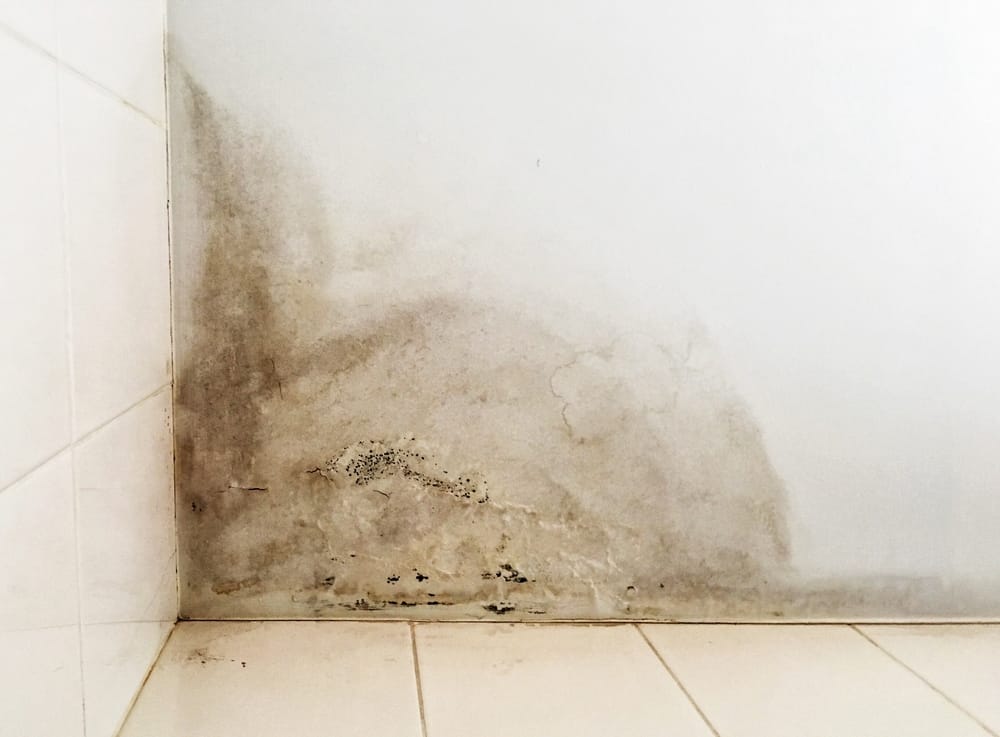
When mold is handled correctly, you stop chasing the same problem every season. No more musty smell greeting you when you open the house in May. No more guests mentioning something “off” in the bathroom. No more wondering what’s growing behind the walls of a cottage that’s been closed since October.
Napeague’s housing stock skews older — median construction year of 1985 — and a lot of it sits unoccupied through the fall and winter. That combination of age, coastal humidity, and months without ventilation creates exactly the conditions mold needs to establish itself quietly and spread. By the time you notice it, it’s rarely just surface-level.
The barrier strip environment here is genuinely different from what you’d find inland. Salt-laden air off both the ocean and the bay accelerates the breakdown of building materials — drywall, wood framing, insulation — making them more porous and more vulnerable over time. Professional mold removal in Napeague addresses what’s actually happening inside your walls and crawl spaces, not just what’s visible to the eye. When the job is done right, you get documented clearance, a property that’s safe for guests or family, and the kind of confidence that doesn’t come from a bleach bottle.
First Response Restoration and Cleaning Inc. has been working across Suffolk County for over three decades. That includes the East End — the coastal communities, the barrier strips, the seasonal properties along Napeague Harbor Road and the Lazy Point area that see a completely different kind of moisture problem than anything you’d find in a suburban neighborhood further west.
Every technician is IICRC-certified under the ANSI/IICRC S520 standard — the actual industry benchmark for professional mold remediation, not a marketing credential. We’re also fully licensed under New York State Article 32, which has required mandatory licensing for all mold remediation contractors in the state since 2016. That matters in Napeague because unlicensed work can void your insurance claim and leave you legally exposed on a property worth well over a million dollars.
When you call 631-587-5300, you’re reaching a local company that knows what Route 27 flooding looks like after a nor’easter and what that means for the homes on either side of it.
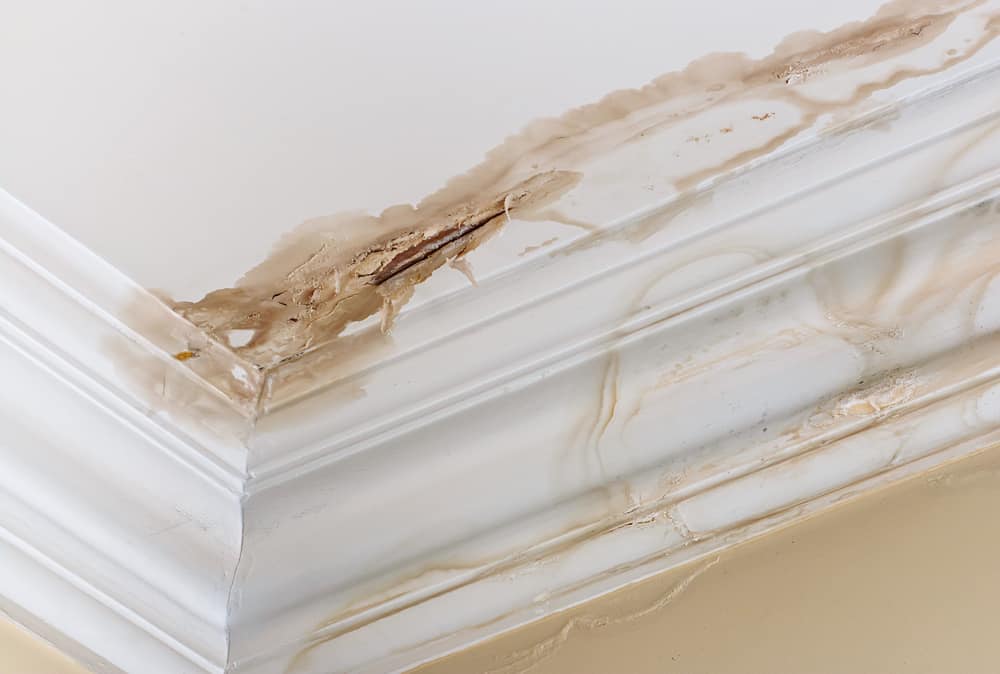
It starts with a thorough inspection — not a quick walkthrough, but a real assessment using moisture meters and air quality tools to find mold where it’s actually living, including inside wall cavities, under flooring, and in crawl spaces. In Napeague’s older cottages and bungalows, the problem is frequently hidden well behind where it’s visible on the surface.
Once the scope is clear, we prepare a written mold remediation plan before any work begins — this is required under New York State Article 32, and it’s also just good practice. Containment goes up using negative air pressure and physical barriers to prevent spores from spreading to unaffected areas of the property. Contaminated materials are physically removed, not painted over or encapsulated when removal is the right call. HEPA filtration runs throughout the job to capture airborne particles.
After remediation is complete, post-clearance testing confirms the work held. For vacation rental operators in Napeague managing properties on Airbnb or VRBO, that clearance documentation is something you can actually show future guests or a property management platform — it’s not just peace of mind, it’s a record. If the mold followed water damage, we handle drying, dehumidification, and restoration as part of the same job so you’re not coordinating between multiple contractors during an already stressful situation.
Ready to get started?
Mold removal in Napeague, NY covers the full range of problem areas that coastal barrier strip homes deal with — black mold removal in bathrooms and kitchens, attic mold removal in older structures with poor ridge ventilation, basement and crawl space mold removal in homes that sit low relative to bay water levels, and toxic mold cleanup following storm flooding or chronic moisture intrusion. Every job includes proper containment, physical removal of contaminated materials, HEPA air scrubbing, and post-remediation verification.
For seasonal homeowners and vacation rental operators — which describes a significant portion of Napeague’s property base — we coordinate directly with your insurance carrier when the mold event follows covered water damage. You don’t have to manage that process yourself while also managing a rental calendar and a property that needs to be guest-ready. The documentation we produce at the end of every job is thorough enough to satisfy an insurer, a real estate attorney, or a future buyer doing due diligence on a Napeague property.
Safe mold removal here also means understanding what you’re dealing with structurally. Homes near Lazy Point and along Napeague Harbor Road have been through storms, seasonal flooding, and decades of salt-air exposure. We approach each job with that context — not as a standard suburban mold call, but as the specific, layered problem that coastal mold removal in Napeague actually is.
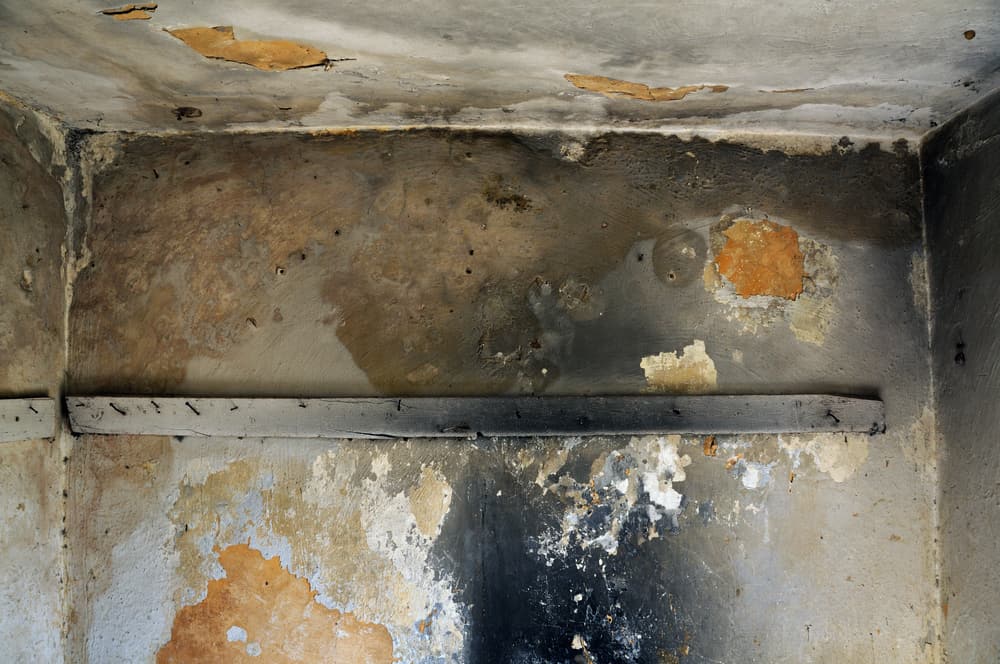
That musty smell is almost always mold — or at minimum, the conditions that produce it. When a property sits closed through fall and winter without active heating, ventilation, or dehumidification, the interior humidity climbs steadily. In Napeague, where the ambient air off Gardiners Bay and the Atlantic carries significantly more moisture than inland areas, that process accelerates. By the time you’re back in May, mold colonies may have been growing for months in bathrooms, crawl spaces, behind exterior-facing walls, and under flooring — all without anyone there to notice.
The important thing to understand is that the smell alone doesn’t tell you how far it’s spread. Surface mold you can see is often the smaller part of the problem. A professional inspection with moisture meters and air sampling will give you an accurate picture of what you’re actually dealing with before you decide on next steps. Opening the house and airing it out won’t resolve an established mold problem — it just moves the spores around.
Most residential mold remediation jobs fall somewhere between $1,200 and $6,000 depending on the size of the affected area, the materials involved, and whether water damage remediation is also required. Smaller bathroom or under-sink jobs sit at the lower end. Crawl space mold removal, attic mold removal, or remediation following storm flooding in a larger property will run higher — and in the Hamptons market where Napeague sits, reconstruction costs after material removal reflect local labor and finish quality, which is a real factor on properties where the original build was high-end.
The most important thing is getting an accurate scope before any work begins. A written estimate based on a real inspection — not a phone quote — protects you from surprises. If your mold event followed a covered water damage loss, your homeowners insurance may cover a portion of the remediation cost. We work directly with insurance carriers and can help you understand what your policy is likely to cover before you’re committed to anything.
It depends on the cause. If mold developed as a direct result of a covered water damage event — a storm surge, a burst pipe during a winter freeze in an unoccupied seasonal home, or a roof leak following a nor’easter — your policy will often cover at least part of the remediation. What insurance typically does not cover is mold that resulted from long-term neglect, chronic humidity, or deferred maintenance. The distinction matters, and how the claim is documented from the start affects the outcome significantly.
In Napeague, where many properties sit unoccupied for months and storm events are a documented, recurring reality, the line between “sudden covered event” and “gradual condition” can be genuinely complicated. We handle insurance coordination directly, document damage in a way that supports your claim, and communicate with the carrier on your behalf. Getting the documentation right from the first inspection is what makes the difference between a paid claim and a denied one.
Cleaning visible mold off a surface — with bleach, vinegar, or a commercial spray — removes what you can see. It does not address the root moisture source, does not reach mold growing inside porous materials like drywall or wood framing, and does not prevent regrowth. In most cases, surface cleaning is a temporary fix that buys a few weeks before the problem reappears, often worse than before because the underlying conditions haven’t changed.
Professional mold remediation under the IICRC S520 standard means physically removing contaminated materials when necessary, containing the work area to prevent spore spread, running HEPA filtration throughout the job, identifying and correcting the moisture source, and verifying successful remediation through post-clearance testing. In a coastal environment like Napeague — where building materials have been exposed to salt air and humidity for decades — surface cleaning is especially inadequate because the materials themselves are often already compromised and hold moisture readily. Remediation addresses the actual problem.
Mold spores can establish visible colonies within 24 to 72 hours of water intrusion under the right conditions — and Napeague’s coastal humidity creates those conditions faster than almost anywhere else on Long Island. When a storm pushes water into a crawl space or through a foundation wall, the clock starts immediately. If the property is unoccupied at the time, which is common for seasonal homes here, that window closes before anyone even knows there’s a problem.
This is why response time matters so much after any flooding event in Napeague. The longer water sits in contact with wood framing, insulation, and drywall, the deeper the contamination goes and the more material ultimately needs to be removed. We operate 24 hours a day, every day of the year, specifically because mold emergencies don’t follow business hours — and in a seasonal rental market where the next guest might be arriving Friday, getting someone on-site fast is not optional.
Yes — and this is not a minor technicality. New York State has required mandatory licensing for all mold assessment and remediation contractors under Article 32 of the NY Labor Law since January 1, 2016. Any contractor performing mold remediation in Napeague without a valid NY State mold license is operating illegally. Beyond the legal issue, unlicensed work can directly affect your insurance claim — carriers have denied mold remediation claims on the basis that the work was performed by an unlicensed contractor and therefore does not meet the required standard of care.
Article 32 also requires that the same entity cannot perform both mold assessment and mold remediation on the same project — a separation of roles designed to prevent conflicts of interest. A written remediation plan must be prepared before work begins, and the license must be displayed at the worksite. On a property in the Town of East Hampton where values routinely exceed a million dollars, verifying your contractor’s NY State mold license before work starts is a straightforward step that protects your investment, your insurance coverage, and the people who spend time in the property.
Useful Links
Other Services we provide in Napeague