
Hear from Our Customers
You stop second-guessing the air quality in your own home. That’s not a small thing — especially when your kids are doing homework twenty feet from a basement that flooded twice last winter. Mold that gets properly removed doesn’t come back the way surface-treated mold does. When the contaminated material is gone and the moisture source is addressed, you’re not just clearing a test result. You’re removing the problem.
For North Bellmore homeowners, that matters on two levels. First, the housing stock here — mostly ranches, colonials, and split-levels built between the 1940s and 1960s — wasn’t designed with modern moisture management in mind. Original block foundations, unlined crawl spaces, and attic spaces with minimal ventilation are everywhere in this neighborhood. These aren’t rare edge cases. They’re the standard. And the South Shore’s summer humidity doesn’t help — dew points in the 60s and 70s from June through September give mold exactly the conditions it needs to spread fast once moisture gets in.
Second, your home is likely worth somewhere between $678,000 and $886,000. A mold disclosure during a sale can cut that value by 20 to 37 percent and send buyers walking. Getting it handled properly — with lab-confirmed clearance — protects what you’ve built here, not just the air you’re breathing today.
First Response Restoration and Cleaning Inc. has been working in Nassau and Suffolk Counties for over three decades. That’s not a marketing number — it means the technicians who show up at your door have been inside hundreds of homes just like yours. Ranch homes off Newbridge Road. Split-levels near Jerusalem Avenue. Colonials with original block basements that have been quietly taking on water for years. We know what we’re walking into before we open the door.
Every technician on every job is IICRC-certified. Not just the owner, not just the senior staff — every single person. New York State also requires that mold remediation companies be licensed under Article 32 of the Labor Law, and we are. That licensing matters because it’s the law, and because it’s the baseline you should demand from anyone you let into a home worth nearly $900,000.
When water damage is the cause — and it usually is — we handle that too, so you’re not coordinating two separate contractors to solve one problem.
It starts with a thorough inspection — and we mean thorough. Our 5-point protocol includes boroscopic examination of wall cavities, air sampling, surface swab sampling, moisture level readings, and identification of the water intrusion point that’s feeding the mold. In a North Bellmore home built in the 1950s or 1960s, that intrusion point could be a foundation crack, a failing roof section above a ranch-style addition, or a crawl space with no vapor barrier that’s been accumulating moisture for years without anyone noticing. We find it.
Samples go to an independent lab with chain-of-custody documentation. Results come back within 2 to 3 business days. You get a real report — not a technician’s opinion, but lab-confirmed data that holds up in a real estate transaction, an insurance claim, or a conversation with your attorney.
From there, remediation means physically removing contaminated materials, treating affected surfaces with EPA-registered antimicrobials, and running HEPA air scrubbers to clear the airborne spore load. We don’t spray bleach and call it done. Once the work is complete, post-remediation clearance testing confirms the space is clean — in writing, with documentation you can keep. New York State law also prohibits the same company from doing both the assessment and the remediation on the same property, which is why our inspection and remediation are structured to keep you protected under that rule.
Ready to get started?
Mold doesn’t stay in one place, and neither does our process. In North Bellmore, the most common locations we’re called for are basements, attics, crawl spaces, and bathrooms — each with its own set of conditions that affect how remediation gets done.
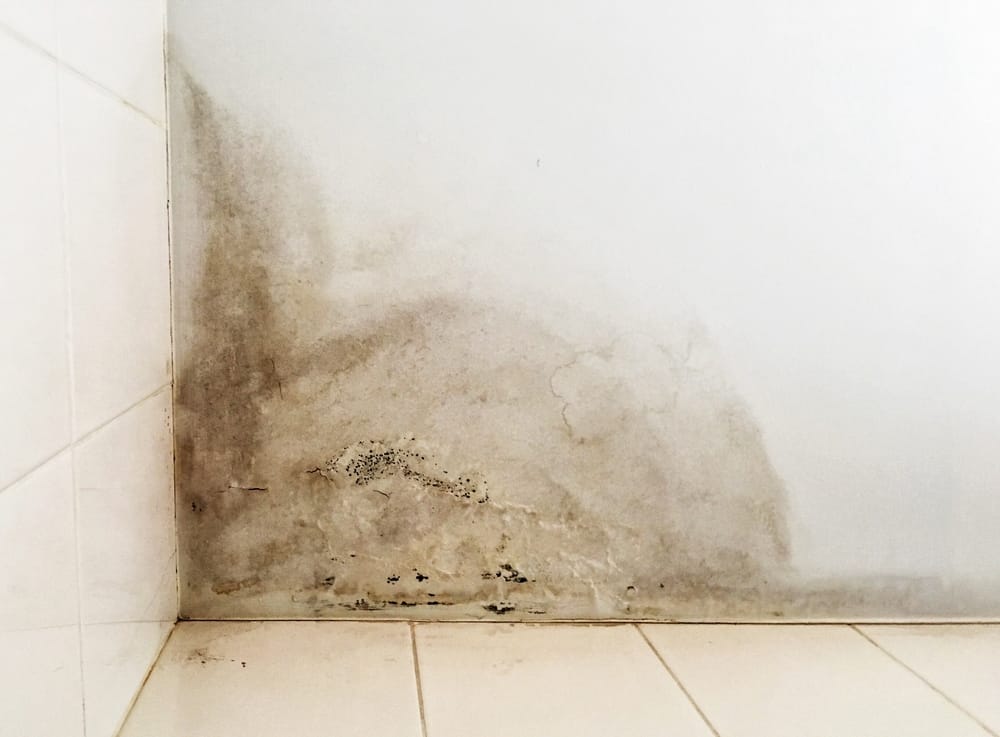
Basement mold removal in North Bellmore typically involves aging block foundation walls that have been absorbing groundwater for decades. Attic mold in ranch-style homes usually traces back to poor ridge ventilation and the condensation cycle that builds up during Long Island’s humid summers. Crawl space mold removal in split-level and hi-ranch homes is some of the most overlooked work we do — these spaces are rarely inspected and often have no vapor barrier at all. Bathroom mold is usually the most visible, but it’s also the most likely to indicate a deeper moisture problem behind the tile or inside the wall cavity.
Across all of these, the process includes containment to prevent cross-contamination, physical removal of affected materials, antimicrobial treatment, HEPA air scrubbing, and post-clearance lab testing. We also carry up to $500 toward your insurance deductible for water, fire, or mold-related claims — which is meaningful in a county where unexpected repair bills stack on top of some of the highest property taxes in the state. Whether it’s residential mold removal or a commercial property in the area, the documentation standard and the scope of work don’t change.
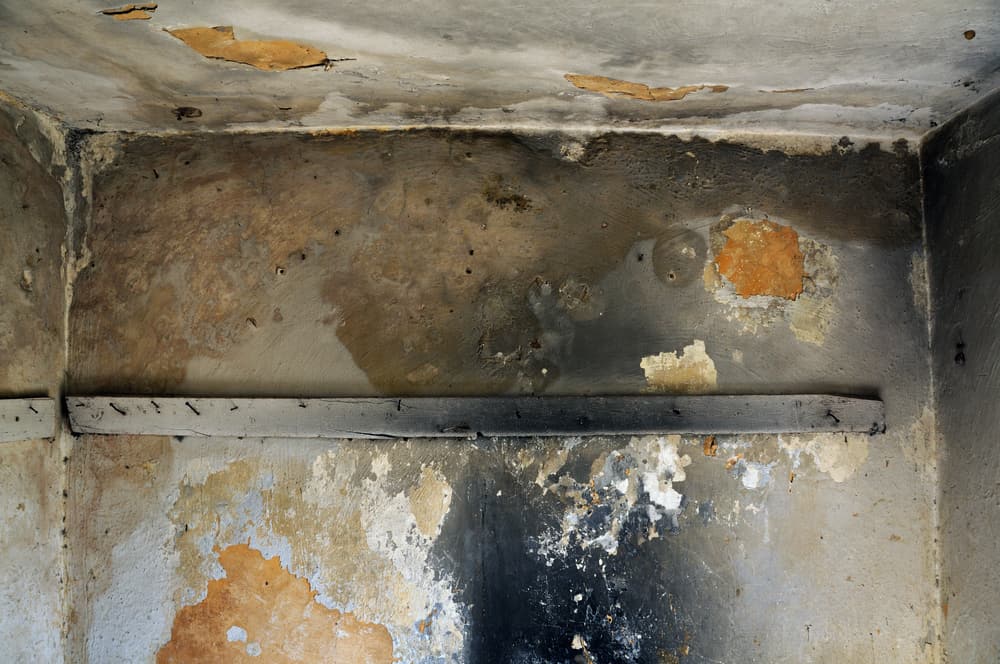
Mold can begin colonizing within 24 to 48 hours of water intrusion — sometimes faster in warm, humid conditions. In North Bellmore, where summer dew points regularly sit in the 60s and 70s, that window gets even shorter during the warmer months. If your basement took on water during a storm or from a failed sump pump, the clock starts the moment the water stops moving.
This is why we operate 24 hours a day, seven days a week. Getting a certified team in quickly — to extract standing water, run structural drying equipment, and assess for mold risk before it takes hold — is the difference between a water damage job and a full mold remediation project. The longer it sits, the deeper the problem goes, and the more material typically has to be removed. Speed is not optional here.
No — and this is important to understand before you hire anyone. New York State law under Article 32 of the Labor Law explicitly prohibits a licensed mold company from performing both the mold assessment and the mold remediation on the same property. The law exists to prevent a conflict of interest: a company that profits from remediation has a financial incentive to find mold, whether it’s there or not.
What this means practically is that your inspection and your remediation need to be handled in a way that keeps those functions separate. We structure our process to comply with this requirement, and we’ll walk you through how that works when you call. If any company in the North Bellmore area offers to do both the testing and the remediation without any separation, that’s a red flag — and potentially a violation of state law.
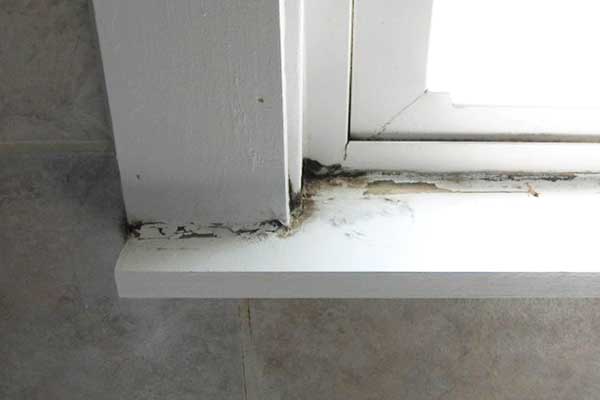
The most common signs are a persistent musty odor that doesn’t go away when you clean, unexplained allergy symptoms that improve when you leave the house, visible staining or discoloration on drywall or baseboards, and peeling paint or wallpaper that isn’t explained by humidity alone. In homes built in the 1950s and 1960s — which describes most of the housing stock in North Bellmore — these signs often appear near basement walls, around window frames, and in bathrooms with original tile and grout.
The challenge with older homes is that mold inside wall cavities can be extensive before it becomes visible. Original plumbing systems from this era are prone to slow, hidden leaks that feed mold for months without any obvious water event. Our boroscopic inspection process allows us to look inside wall cavities without destructive access, which is often how we find the problem before it becomes a gut-the-wall situation. If something feels off in your home, don’t wait for it to become visible.
It depends on the cause. Most standard homeowners insurance policies in New York will cover mold remediation if it results directly from a covered water damage event — a burst pipe, an appliance failure, or storm-related water intrusion that was sudden and accidental. What they typically won’t cover is mold that resulted from long-term neglect, gradual leaks, or flooding from external groundwater, which is considered a separate flood insurance issue.
Nassau County homeowners should review their policies carefully, because the language around mold coverage varies significantly between carriers and policy tiers. When you work with us, we document everything from day one — photos, moisture readings, lab results, chain-of-custody records — in a format that supports an insurance claim. We also offer up to $500 toward your deductible for mold-related claims, which helps offset the out-of-pocket cost while your claim is being processed. If you’re unsure whether your situation is covered, call us first and we’ll help you understand what documentation you’ll need.
Ranch homes have low-pitch rooflines and attic spaces that were designed for storage, not airflow. Without adequate ridge venting and soffit ventilation — which most of the original ranch construction in North Bellmore lacks — heat and moisture get trapped. During Long Island’s summers, attic temperatures in these spaces can exceed 130 degrees. When the air cools at night, that moisture condenses on the cooler surfaces: roof decking, rafters, and insulation. Do that cycle enough times over enough years, and you have mold growing on structural wood without a single visible water event.
Most North Bellmore homeowners discover attic mold when a roofer, insulation contractor, or HVAC technician opens the hatch for an unrelated reason. By that point, the growth is often well-established. Attic mold removal in these homes involves treating the roof decking and framing, improving the ventilation to prevent recurrence, and verifying clearance with post-remediation air testing. The remediation is only half the fix — if the ventilation doesn’t get corrected, the mold comes back.
The only way to know for certain is post-remediation clearance testing — air sampling and surface swabs collected after the work is complete, sent to an independent lab, and compared against pre-remediation baseline levels. A technician telling you “it looks clean” is not documentation. It’s an opinion. For a North Bellmore homeowner with a home worth close to $900,000, that distinction matters — especially if you’re preparing for a sale, dealing with an insurance claim, or simply trying to make sure your family isn’t still breathing elevated spore counts.
We provide full chain-of-custody lab documentation for every remediation job. That means the sample collection, handling, and lab analysis are tracked in a format that holds up legally — in a real estate transaction, in an insurance dispute, or if a question ever comes up down the road. Results come back within 2 to 3 business days, and you receive the full report. That’s the standard we hold ourselves to on every job, and it’s the standard you should expect from any mold removal company you hire in Nassau County.
Useful Links
Other Services we provide in North Bellmore