
Mold Removal in North Great River, NY
When the Connetquot Keeps Your Home Damp, Mold Doesn't Wait
Hear from Our Customers
Basement Mold Removal in North Great River
Mold doesn’t always announce itself. Sometimes it’s a smell in the basement you’ve been ignoring, a dark patch on the attic sheathing you spotted during a repair, or a recurring respiratory issue that no one’s been able to explain. By the time most North Great River homeowners call us, the problem has been there longer than they realized.
What changes after professional mold removal isn’t just what you can see it’s what you can verify. You get post-remediation air quality testing that confirms the job is done. Not a visual check. Not a promise. Documented results you can hold onto, share with a future buyer, or file with your insurance carrier.
Homes near the Connetquot River and Nicoll’s Bay deal with higher ambient humidity year-round than most inland communities. That sustained moisture works quietly on basements, crawl spaces, and attic sheathing especially in the post-WWII housing stock that makes up most of North Great River. Solving the visible mold without addressing the moisture source just means the same call in two years. We address both.
Mold Removal Companies in North Great River, NY
We’ve been operating out of West Babylon since the early 1990s, about 10 miles west of North Great River along the same South Shore corridor. That proximity means we’ve been inside the same housing stock, dealing with the same coastal humidity, and responding to the same storm damage that North Great River residents face every season. We understand this area’s specific challenges because we’ve lived them.
We are IICRC-certified and fully licensed under New York State Article 32 of the Labor Law, which governs all mold remediation work in the state. We’re also licensed, bonded, and insured not because it’s required, though it is, but because a home valued near $660,000 deserves that level of accountability.
Three decades on Long Island means we’ve seen what happens when Sandy-era mold gets left behind, what river proximity does to a crawl space over time, and what a proper remediation actually looks like from start to finish. That experience isn’t something a newer company can replicate.
Professional Mold Removal Services in North Great River
The process starts with a thorough inspection not just a visual walkthrough, but moisture readings, air sampling, and thermal imaging where needed. In North Great River, that means paying close attention to basements near the water table, attic sheathing in older ranch and colonial homes, and crawl spaces that sit close to the Connetquot River’s moisture influence. We find what a surface check misses.
Once we know the full scope, we contain the affected area before any physical removal begins. This step matters more than most people realize disturbing mold without proper containment spreads spores to areas of your home that were previously unaffected. We use negative air pressure and HEPA filtration throughout the remediation to make sure that doesn’t happen.
After the mold is removed, affected materials are properly disposed of and the area is treated and dried down to safe moisture levels. Then comes post-remediation testing an independent air quality verification that confirms your home is clear. If your situation involves an insurance claim, we coordinate directly with your carrier throughout the process. Under New York State Article 32, all of this work is performed by licensed professionals that’s non-negotiable on every job we take.
Ready to get started?
Residential Mold Removal in North Great River, NY
Attic mold removal in North Great River is one of our most frequent calls from this area. Older homes with inadequate attic ventilation trap warm, humid air against cold roof sheathing every fall and winter and mold colonizes that sheathing fast. We remove the growth, address the ventilation issue causing it, and treat the wood so it doesn’t come back the same way.
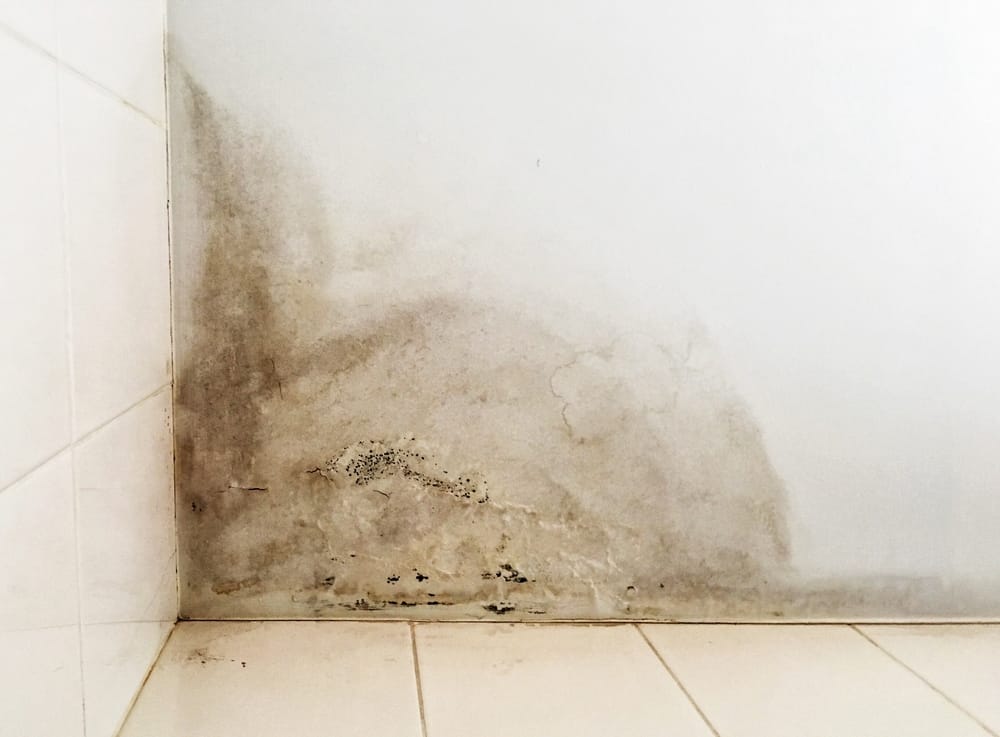
Basement mold removal in North Great River is the other major call we get, particularly after heavy rainfall, nor’easters, or sump pump failures. Homes near the Great South Bay and the Connetquot River sit in an environment where the water table is never far below grade. That means basement moisture isn’t always coming through a visible crack sometimes it’s vapor migration through the foundation itself. We identify the source before we start removing anything.
We also handle crawl space mold removal, bathroom mold removal, and commercial mold removal for businesses in the Town of Islip area. If the mold came with water damage which it usually does we handle the full restoration from drying and structural drying through final cleaning and reconstruction. Toxic mold cleanup, black mold removal, and mold mitigation services are all part of what we do under one roof, with one team, and one point of contact from start to finish. Pricing is transparent and provided in writing before any work begins the estimate you get is the number you pay.
How do I know if the mold in my North Great River home is actually dangerous?
The honest answer is that you can’t know from a visual inspection alone and neither can a contractor who hasn’t tested the air. The species of mold matters, but so does the concentration of spores in your indoor air. Black mold removal gets a lot of attention because Stachybotrys (what most people call “black mold”) is genuinely harmful but other mold species at high concentrations can cause respiratory issues, headaches, and allergy-like symptoms too.
The only way to know what you’re dealing with is proper air sampling and lab analysis. We collect samples, send them to an accredited lab, and get you a clear picture of what’s in your home’s air before we recommend a scope of work. For North Great River homeowners especially those with kids in the East Islip school district who are home more hours of the day that clarity matters. Don’t guess. Test.
What does mold removal cost in North Great River, NY for a typical home?
Most residential mold removal in North Great River falls somewhere between $1,200 and $6,000 depending on the scope, the location in the home, and how far the growth has spread. Attic mold removal typically runs $1,000 to $4,000. Basement mold removal tends to run $1,500 to $6,000, particularly in cases where water intrusion has affected framing, insulation, or drywall in addition to visible surfaces.
The range is wide because every job is different. A small bathroom mold situation is a very different scope than a crawl space that’s been holding moisture since a storm flooded it two seasons ago. What we can tell you is that the estimate we give you before the job starts is the number you’ll see on the invoice no additions mid-job, no pressure to expand scope without a clear reason. With homes in this area valued near $660,000, protecting that investment with a properly documented remediation is worth doing right the first time.
Can mold come back after professional removal in North Great River, NY?
It can but only if the moisture source that caused it wasn’t addressed. Mold removal without moisture control is just a temporary fix. In North Great River specifically, that moisture source could be anything from inadequate attic ventilation creating condensation on roof sheathing, to a crawl space vapor barrier that’s deteriorated, to a basement wall that’s been slowly wicking groundwater for years near the Connetquot River corridor.
Our process includes identifying and documenting the moisture source as part of every job. If it’s something we can correct ventilation improvements, drainage adjustments, vapor barrier installation we handle it. If it requires a separate contractor (like a foundation specialist), we tell you exactly what needs to happen and why, so you’re not left with a remediated space that’s going to grow mold again in 18 months. Post-remediation testing gives you a verified clean baseline. From there, keeping indoor humidity below 50% year-round is the single most effective thing you can do to keep mold from returning.
Does homeowners insurance cover mold removal in New York?
It depends on what caused the mold and the documentation behind it. New York homeowners insurance policies typically cover mold remediation when the mold is a direct result of a covered peril: a burst pipe, a roof leak after a storm, or sudden water intrusion from an appliance failure. What’s usually excluded is mold that developed from long-term moisture neglect or flooding from an outside water source, which requires separate flood insurance.
For North Great River homeowners, this distinction matters because many of the moisture events in this area storm surge from Nicoll’s Bay, sump pump failure during a nor’easter, water intrusion after heavy rainfall may or may not be covered depending on your specific policy. We work directly with insurance carriers and document the damage in the way adjusters need to see it. We can’t guarantee what your policy covers, but we can make sure the claim is presented correctly and completely so you’re not leaving money on the table.
How long does mold spread if I wait to call after finding it in my home?
Mold spores can begin colonizing new surfaces within 24 to 48 hours of a moisture event, and active mold colonies can spread meaningfully within 72 hours. That 72-hour window is the industry benchmark after that, what might have been a contained basement problem can start affecting wall cavities, subfloor material, and HVAC systems that then distribute spores throughout the rest of the home.
In North Great River, this urgency is amplified by the local environment. Homes near the Connetquot River and the Great South Bay already sit in a higher-humidity baseline than inland communities. That ambient moisture gives mold a head start. If you’ve had any water intrusion a sump pump failure, a backed-up drain, a roof leak after a storm and it’s been more than a day or two, don’t wait to find out if mold has started. A professional inspection now is significantly less expensive than a full remediation after mold has moved into your walls.
Is mold from Hurricane Sandy still being found in Islip-area homes today?
Yes and it’s more common than most people expect. Hurricane Sandy hit the South Shore of Long Island in October 2012, and the flooding it caused in communities throughout the Town of Islip was severe. Many homeowners in the Great South Bay corridor dried out their basements and moved on, not realizing that mold had already started growing inside wall cavities, beneath flooring, and within insulation that looked dry on the surface.
More than a decade later, that mold gets discovered during renovations, home sales, or when symptoms in the household prompt someone to finally investigate. We’ve found Sandy-era mold in Islip-area homes that had been lived in normally for years the growth was hidden behind drywall that was never opened after the storm. If your home took on water in 2012 and was never professionally inspected for mold afterward, it’s worth having an assessment done especially before you list the property or begin any renovation work that opens up wall cavities.
Useful Links
Other Services we provide in North Great River