
Hear from Our Customers
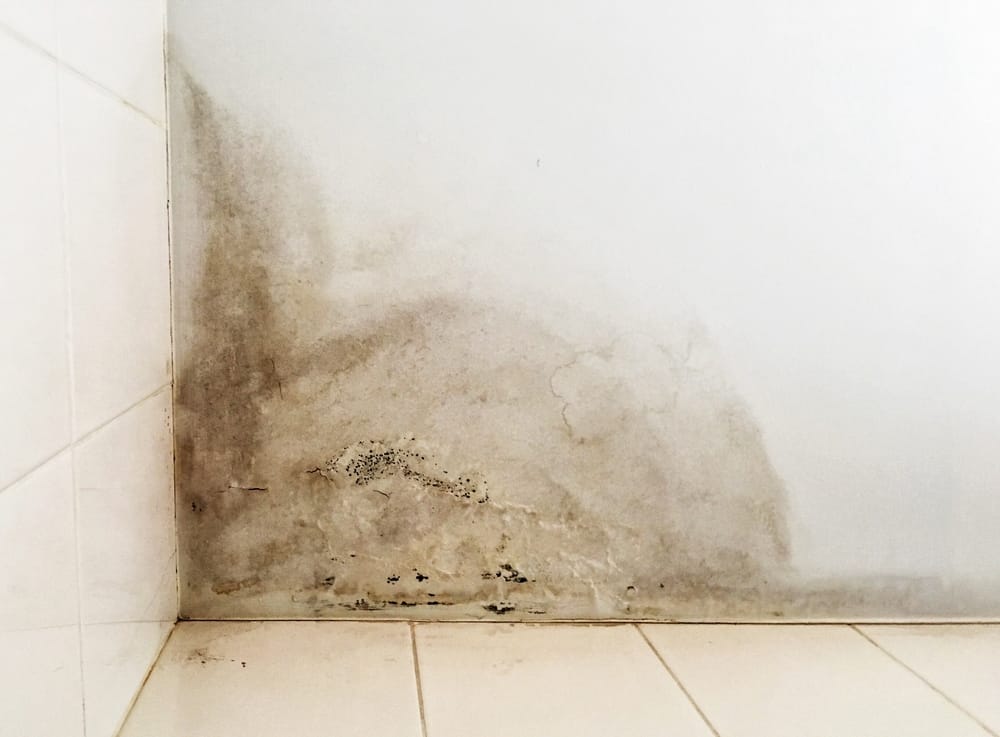
You stop second-guessing the air your family is breathing. That musty smell in the basement disappears — not because someone sprayed something over it, but because the source was found and removed. You get a lab report confirming it, not just a verbal assurance and a final invoice.
In North Lynbrook, where the majority of homes were built before 1939 or between 1940 and 1969, mold rarely lives in just one place. It follows moisture — through plaster walls, into wood framing, up into attics that were never designed with modern ventilation in mind. When the remediation is done right, you’re not just clearing visible growth. You’re cutting off the path it traveled.
The South Shore’s coastal humidity keeps ambient moisture elevated well into the fall. That matters because it means mold doesn’t need a dramatic flood event to get started — a slow pipe drip, a compromised roof flashing, or a summer with no attic airflow is enough. Getting it removed completely, with clearance testing to back it up, is what protects your home’s value and keeps it from coming back in six months.
We’ve been handling mold remediation and water damage restoration across Nassau and Suffolk Counties for 31 years. That’s not a marketing number — it means we’ve worked through Hurricane Sandy’s aftermath on the Nassau South Shore, cleared mold from pre-war basements throughout North Lynbrook, and dealt with the specific ways these older homes hold and hide moisture.
Every technician who comes to your North Lynbrook home is IICRC-certified. Not just the project lead — every person on the team. We’re also properly licensed under New York State’s mold remediation requirements, which matters more than most homeowners realize when they’re comparing quotes.
When you call the Nassau County line at 516-541-0500, you’re reaching a local Long Island team that knows the housing stock between Lynbrook and Malverne, understands what aging South Shore construction looks like from the inside, and has the documentation process to back up every job we complete.
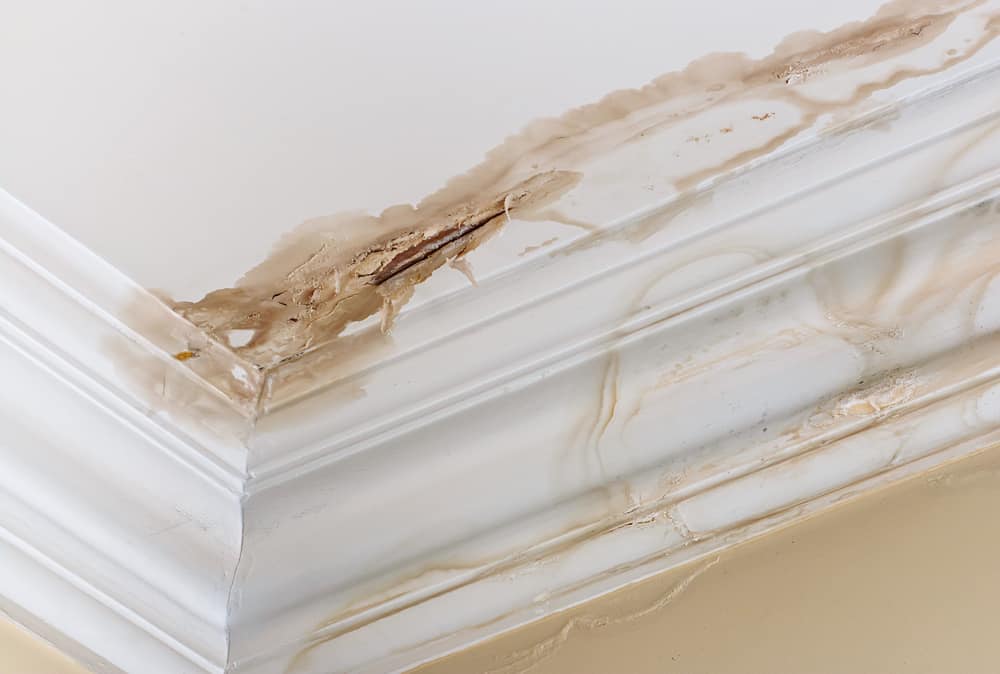
It starts with a thorough inspection — not a visual scan, but a 5-point protocol that includes boroscopic wall cavity examination. That means looking inside your walls without tearing them open. In a pre-war North Lynbrook home, that’s not optional — it’s where mold hides after years of slow moisture movement through plaster and wood framing.
From there, we collect air samples and surface swabs and send them to a certified lab under chain-of-custody documentation. You’ll have a detailed lab report within 2–3 business days. That report is legally compliant — usable for insurance claims, real estate transactions, or your own records. New York State law prohibits the same company from performing both the mold assessment and the remediation on the same property, so if testing reveals a remediation scope, we handle that process on the licensed remediation side of our operation — clearly, transparently, and within the law.
Remediation itself involves containment, removal of affected materials, treatment of surfaces, and full drying of any residual moisture. Because most mold problems in this area trace back to a water damage source — a failed sump pump, a cracked foundation wall, a slow roof leak — we handle both sides. After the work is complete, post-remediation clearance testing confirms that mold levels have returned to normal. You don’t take anyone’s word for it. The lab does.
Ready to get started?
The most common mold calls we handle in North Lynbrook involve basements, attics, and crawl spaces — the three areas where older South Shore homes accumulate moisture the fastest. Basements in pre-war construction often lack modern waterproofing and seep after heavy rain or snowmelt in the spring. Attics in Cape Cods and colonials throughout the Lynbrook corridor trap condensation through winter when ventilation is poor. Crawl spaces hold ground moisture year-round. We address all of it — residential and commercial — with industrial-grade equipment and certified technicians, not subcontractors.
The service includes the full inspection protocol, lab testing, containment setup, physical removal of mold-affected materials, antimicrobial surface treatment, drying, and post-remediation clearance testing. If the water damage that caused the mold is still present, we address that too — because mold removal without fixing the source is a temporary fix at best.
One detail worth knowing: we offer up to $500 toward your insurance deductible for qualifying mold, water, or fire-related claims. For a hamlet where the median household income sits around $88,710 and a remediation job can run anywhere from $2,300 to $7,000 depending on scope, that’s a real number that makes a real difference. We also work directly with insurance adjusters and document damage in the format that supports your claim — so you’re not navigating that process alone.
Yes — and the licensing requirement in New York is more specific than most people realize. New York State law requires that mold remediation contractors hold a separate state-issued license, and it also prohibits the same company from performing both the mold assessment and the mold remediation on the same property. That separation exists to protect you from inflated scopes of work driven by a conflict of interest.
What this means practically: if a company offers to test your home and then immediately quotes you a remediation job, that’s a red flag — and potentially a violation of state law. We hold proper New York State licensing for mold remediation and operate within these rules. For North Lynbrook homeowners governed by the Town of Hempstead rather than a village-level authority, it’s worth confirming that any contractor you hire is licensed at the state level, not just locally registered.
The national average for mold remediation runs around $2,300, but the actual cost depends heavily on where the mold is, how far it’s spread, and what’s behind your walls. In North Lynbrook, where most homes were built before 1970, mold often travels further than it appears on the surface — through plaster, into wood framing, and across wall cavities that were never designed to be moisture-resistant. That can push a job that looks minor into a more involved remediation scope once the walls are properly inspected.
Basement mold removal typically runs $15–$30 per square foot. Attic and crawl space jobs fall in a similar range. A small bathroom mold issue might resolve in the lower hundreds. A basement or attic with significant spread can reach $5,000–$7,000 or more. We provide transparent, documented scoping before any work begins — and for qualifying insurance claims, our $500 deductible coverage program reduces your out-of-pocket cost from day one.
Recurring mold almost always means the moisture source was never fully addressed. In the pre-war and mid-century homes that make up most of North Lynbrook’s housing stock, that source is usually structural: a foundation wall that seeps after heavy rain, a plumbing line with a slow drip behind the wall, an attic with inadequate ventilation that traps condensation through the winter, or a crawl space with no vapor barrier against ground moisture.
If a previous company removed visible mold but didn’t dry out the affected area completely, treat the underlying moisture problem, or conduct post-remediation clearance testing, the conditions that caused it are still there. Mold can begin colonizing new surfaces within 24–48 hours of water exposure — and on Long Island’s South Shore, where coastal humidity stays elevated through the summer, that window is even shorter. We address both the mold and the water damage source in the same job, which is the only way to stop the cycle.
It depends on the location and scope of the mold, not a blanket rule. For a small, contained bathroom mold issue, staying in your home is generally fine as long as the work area is properly sealed off. For larger jobs — a basement with significant black mold growth, an attic remediation, or any situation involving toxic mold species — temporary relocation is often the safer and more practical choice, especially if you have children, elderly family members, or anyone with respiratory sensitivities in the household.
During remediation, the work area is contained using negative air pressure and physical barriers to prevent spores from spreading to other parts of your home. In North Lynbrook’s dense residential setting, where homes sit close together, proper containment also matters for limiting any exterior spore dispersal. We’ll give you a clear recommendation based on the specific scope of your job — not a one-size-fits-all answer.
It depends on what caused the mold. Most standard homeowners insurance policies in Nassau County will cover mold removal if it resulted directly from a covered water damage event — a burst pipe, a storm-related roof leak, or an appliance failure, for example. What they typically won’t cover is mold that developed from long-term neglect, gradual seepage, or a maintenance issue that went unaddressed.
The documentation you provide to your insurer matters significantly. Chain-of-custody lab reports, photographic evidence of the damage, and a clear written scope of work all support a stronger claim. We have 31 years of experience working alongside insurance adjusters throughout Nassau County and document every job in a format that supports the claims process. Our $500 deductible coverage program is also available for qualifying mold-related claims — reducing what comes out of your pocket while the claim is processed.
A persistent musty odor in a basement is one of the most reliable early indicators of mold — but it’s not proof on its own. The smell comes from microbial volatile organic compounds (MVOCs) released as mold colonies metabolize organic material. In older North Lynbrook homes with unfinished or partially finished basements, original concrete foundations, and limited ventilation, those conditions exist almost by default. The smell doesn’t always mean visible mold is present — it can mean mold is growing inside a wall cavity, behind paneling, or under flooring where you can’t see it.
The only way to know for certain is air sampling and surface testing by a licensed inspector. A visual inspection alone — even a thorough one — can miss hidden growth in a pre-war home’s wall cavities. Our inspection protocol includes boroscopic examination of wall interiors specifically because of how often mold in older South Shore homes hides behind the surface. If you’re smelling something and can’t find the source, that’s exactly the situation a proper inspection is designed for.
Useful Links
Other Services we provide in North Lynbrook