
Hear from Our Customers
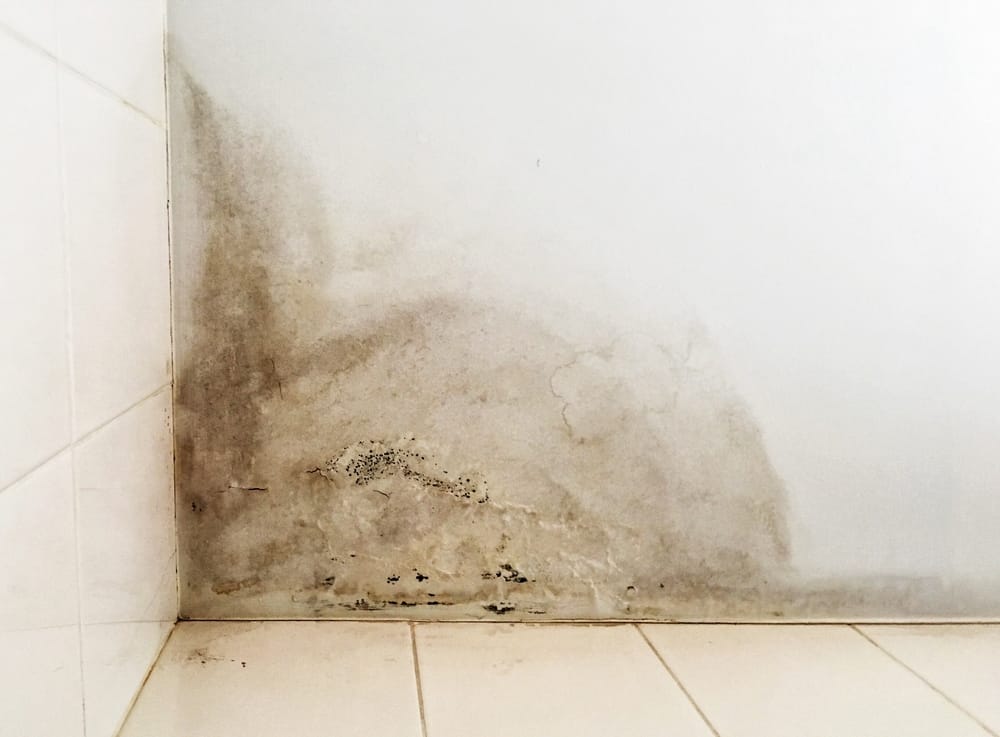
The musty smell in your basement isn’t just an inconvenience. In North Wantagh, where most homes were built around 1956 and sit on Nassau County’s naturally high water table, that smell is usually a sign that moisture has been working its way through your foundation for a long time — and mold has been growing where you can’t see it. Once it’s properly removed and the moisture source is addressed, that smell disappears. The air in your home changes. If anyone in your household has been dealing with persistent allergy symptoms, congestion, or unexplained respiratory issues, those often improve too.
There’s also the financial side. North Wantagh homes are selling in the $800,000-plus range right now. A mold problem found during a buyer’s inspection doesn’t just create a negotiation headache — it can cost you $150,000 or more in value, or kill the deal entirely. Getting ahead of it with professional mold removal in North Wantagh, NY and documented clearance testing protects what is likely your most significant financial asset.
And because we handle both the mold and the water damage behind it, you’re not left managing two contractors or wondering whether the root cause was actually fixed. One company, complete resolution, documented results.
First Response Restoration and Cleaning Inc. has been working inside Long Island homes since before most of today’s restoration franchises existed. Based in West Babylon and serving all of Nassau and Suffolk County, we’ve spent three decades in the exact type of post-war housing stock that defines North Wantagh — the colonials, Cape Cods, and split-levels built in the 1950s that have their own specific moisture patterns and hidden problem areas.
Every technician who enters your home is IICRC-certified. Not just the project lead — every person on the crew. Our owner holds a New York State Department of Labor mold license for both inspection and remediation, which is a legal requirement in this state and something worth asking any company you’re considering. We operate 24 hours a day, 7 days a week, because water damage and mold don’t wait for business hours — and neither should your response.
It starts with a thorough inspection — and not just a visual walkthrough. Our 5-point protocol includes boroscopic wall cavity examination, which means we can look inside your walls without tearing them open. In a North Wantagh home built in the 1950s, that matters. Mold in older construction often lives behind plaster walls, under finished basement floors, and in attic rafter bays that no one has looked at in decades. We also take air samples and surface swabs, measure moisture levels throughout the affected areas, and identify exactly where water is getting in.
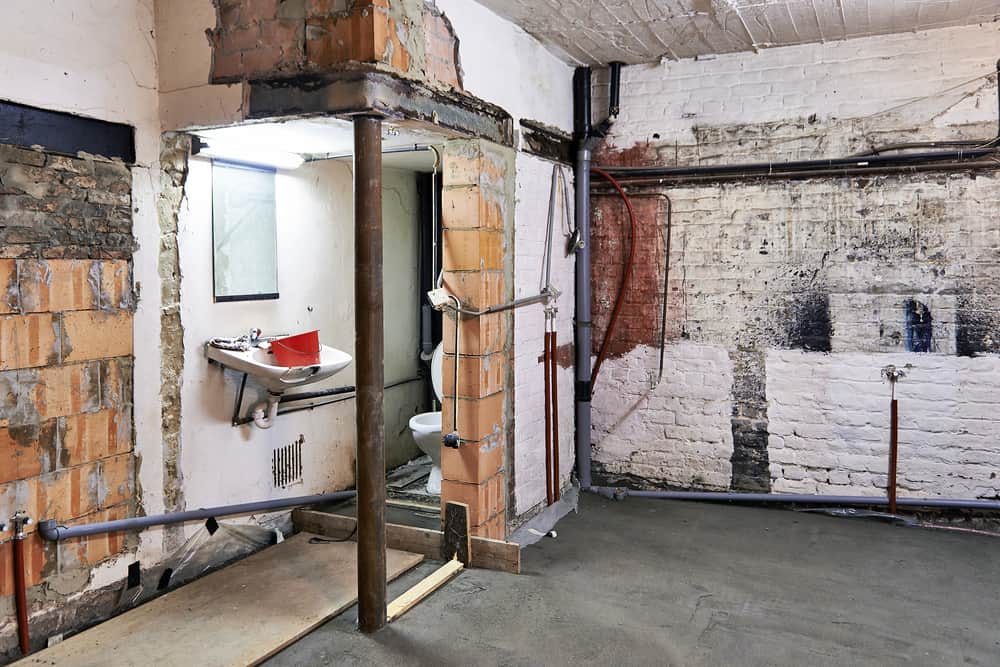
From there, the remediation work begins. Containment goes up to prevent cross-contamination. Affected materials are removed and properly disposed of according to Nassau County environmental requirements. The area is treated, dried, and dehumidified — because if the moisture source isn’t resolved, the mold comes back. Once the work is complete, post-remediation clearance testing is conducted. Samples go to a certified lab, and you receive a documented report within 2 to 3 business days. That report isn’t just peace of mind — it’s legally compliant chain-of-custody documentation that holds up for insurance claims, real estate transactions, and anything else that requires proof.
Ready to get started?
Mold removal in North Wantagh, NY covers more ground than most people expect. Beyond the visible surface mold in bathrooms and basements, we handle attic mold removal for the condensation buildup common in Long Island’s older Cape Cod rooflines, crawl space mold removal in homes where moisture has been collecting for years, and toxic and black mold cleanup in situations where the infestation has gone undetected long enough to become a serious health concern.
We also handle the water damage side — extraction, structural drying, and dehumidification — because residential mold removal without addressing the moisture source is a short-term fix. In a coastal environment like North Wantagh, where ambient humidity stays elevated through the summer months and storm events push water into basements and wall cavities, that full-service approach isn’t optional. It’s what actually works.
One thing worth knowing: New York State law prohibits the same licensed company from performing both mold assessment and mold remediation on the same property. It’s a consumer protection regulation, and it’s one reason why our inspection and remediation process is structured the way it is. We also offer up to $500 toward your insurance deductible for qualifying water, fire, or mold-related claims — a direct offset on out-of-pocket costs that no other mold removal company in this area currently offers.
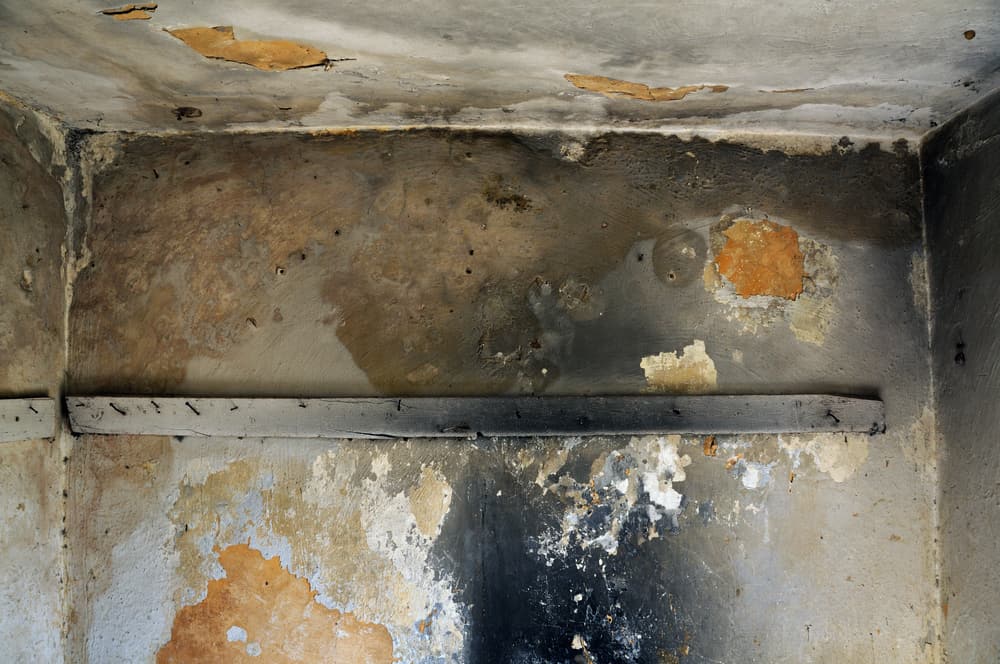
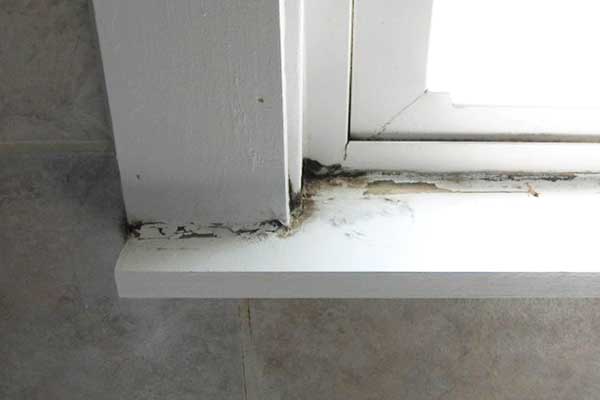
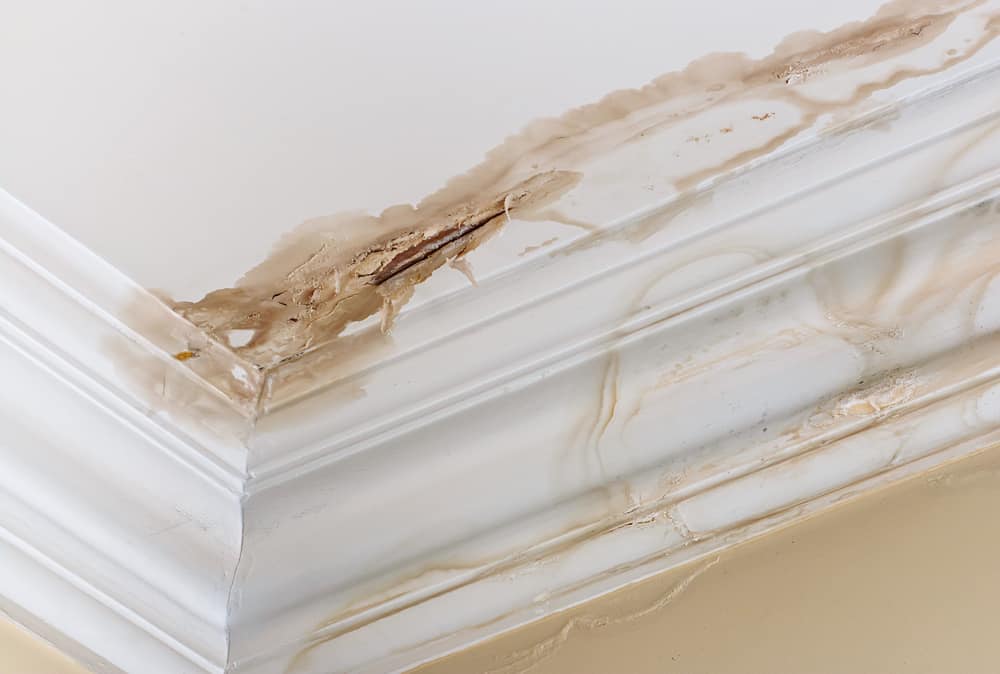
The most common signs are a persistent musty odor — especially in the basement or after it rains — unexplained allergy or respiratory symptoms in your household, and visible water staining on walls or ceilings even if the stain looks old and dry. In North Wantagh, where the majority of homes were built in the 1950s and sit close to Nassau County’s water table, hidden mold is more common than most homeowners realize. Older construction didn’t include modern vapor barriers or moisture-resistant materials, which means moisture travels further into the structure and settles in places that are difficult to access.
The only way to know for certain is a professional inspection that goes beyond a visual check. Our process includes boroscopic wall cavity examination, air sampling, and surface swab analysis sent to a certified lab. If mold is present inside your walls or under your floors, those tools find it. A visual inspection alone won’t.
Mold removal cost in North Wantagh, NY depends on where the mold is, how much surface area is affected, and whether structural materials need to be removed. For a contained bathroom or small basement section, you might be looking at $500 to $1,500. A larger basement remediation or attic mold removal job in a typical North Wantagh colonial or Cape Cod can run $2,000 to $5,000 or more, depending on scope. Whole-home situations involving multiple areas or significant structural material removal can go higher.
What affects the cost most is whether the moisture source has been identified and addressed. If it hasn’t, you’ll pay for remediation twice. That’s why our process always includes moisture mapping and water intrusion identification — not as an add-on, but as part of how the job gets done correctly the first time. We also offer up to $500 toward your insurance deductible on qualifying claims, which can meaningfully offset your out-of-pocket cost.
Yes — and in Nassau County homes, it happens more often than people expect. Mold reproduces by releasing spores into the air, and those spores travel through HVAC systems, up stairwells, and through any gap in the building envelope. A basement mold problem that goes untreated doesn’t stay in the basement. In older homes with forced-air heating systems — which are common throughout North Wantagh’s post-war housing stock — the HVAC can distribute spores to every room in the house before anyone realizes the problem has spread.
This is one reason why containment is the first step in any professional remediation job. Negative air pressure and physical barriers prevent cross-contamination during the removal process. And post-remediation air sampling isn’t just about confirming the treated area is clean — it also checks whether spore levels in other parts of the home are within acceptable limits. If they’re not, that gets addressed before the job is considered complete.
It depends on the cause. Most standard homeowners insurance policies in New York will cover mold removal if the mold resulted directly from a covered peril — a burst pipe, a storm that forced water into your home, or another sudden and accidental water event. What most policies won’t cover is mold that developed from long-term neglect, gradual leaks, or ongoing moisture issues that weren’t reported or addressed.
In North Wantagh, where nor’easters and summer storms regularly push water into basements and attics, post-storm mold claims are common. The key is acting quickly and documenting everything from the start. Our chain-of-custody lab reports and inspection documentation are specifically formatted to support insurance claims — and our deductible coverage program offers up to $500 toward your out-of-pocket deductible on qualifying mold, water, or fire claims. If you’re unsure whether your situation qualifies, call us before you call your insurance company. We can help you understand what you’re dealing with first.
For a contained area like a single bathroom or a small section of a finished basement, remediation can often be completed in one to two days. A larger basement job or attic mold removal in a full-size North Wantagh colonial typically takes two to four days, depending on the extent of the infestation and whether structural materials need to be removed and replaced. More significant situations — where mold has spread across multiple areas or has been growing undetected for an extended period — can take longer.
After the physical remediation work is done, post-remediation clearance testing adds two to three business days for lab results to come back. You shouldn’t consider the job finished until you have that documentation in hand. It’s the only objective confirmation that the mold levels in your home are within safe limits — and in a real estate market where North Wantagh homes are selling above $800,000, that documented clearance report carries real weight.
Attic mold is one of the most common mold problems we find in North Wantagh, and it’s almost always caused by the same two things: inadequate attic ventilation and warm, humid interior air rising into a cold attic space during winter months. When that warm air hits the cold underside of the roof deck, it condenses. Over time, that condensation saturates the wood and creates exactly the conditions mold needs to grow. Most homeowners don’t discover it until a roofer or HVAC contractor spots it during unrelated work.
The 1950s-era Cape Cods and colonials that make up most of North Wantagh’s housing stock were built with attic ventilation designs that don’t meet today’s standards — and in many cases, insulation added over the years has inadvertently blocked what little ventilation existed. Fixing attic mold isn’t just about removing what’s there. It requires addressing the ventilation problem that caused it, or the mold will return within a season or two. Our inspection process identifies both the mold and the underlying cause, so the remediation actually holds.
Useful Links
Other Services we provide in North Wantagh