
Hear from Our Customers
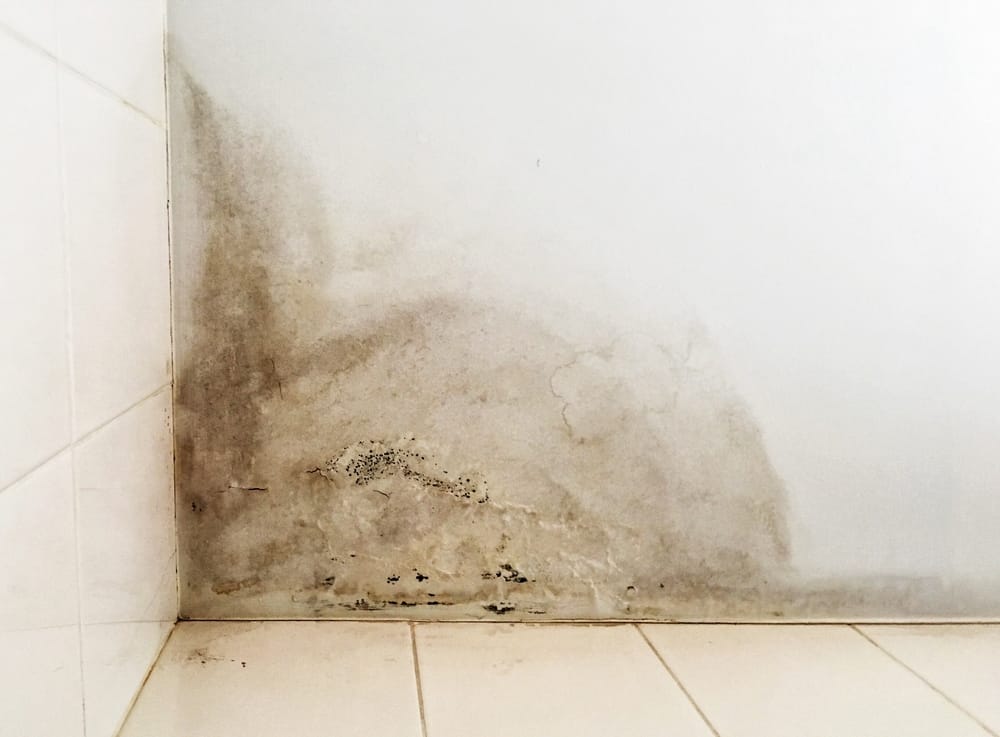
You stop second-guessing every cough, every musty smell, every corner of the basement you’ve been avoiding. That’s what proper mold remediation actually delivers — not just a cleaned surface, but a home you can breathe in again without wondering what’s still hiding behind the drywall.
For Oceanside homeowners specifically, that peace of mind is harder to come by than it sounds. Most of the housing stock here was built in the 1940s through 1960s — an era of construction with minimal vapor barriers, wood-lath plaster walls that absorb moisture like a sponge, and crawl spaces that were never designed to handle the kind of humidity that rolls in off Reynolds Channel. When water intrudes, it doesn’t just wet a surface. It soaks into framing and insulation and sits there, invisible, until mold has already established itself well beyond what you can see.
There’s also the property value side of this. With median home values in Oceanside sitting near $700,000, an untreated mold problem isn’t just a health issue — it’s a financial one. Mold disclosure drops resale value by 20 to 37 percent, and half of buyers walk away entirely when mold is on the table. Getting it handled correctly, with lab documentation to back it up, protects both your family and what you’ve built here.
We’ve been serving Nassau and Suffolk County homeowners since the early 1990s — long before Hurricane Sandy put Oceanside’s flood vulnerability on the map for the rest of the country. We’ve worked in the crawl spaces and flooded basements of South Shore homes through multiple storm cycles, and we understand what Oceanside’s housing stock actually looks like once you get inside the walls.
Every technician who enters your home holds IICRC certification. Not just our supervisors — every person on the crew. That’s a standard we hold without exception because we’ve seen what happens when it slips. We’re also fully licensed by the New York State Department of Labor for both mold inspection and mold remediation, which matters more than most homeowners realize when they’re comparing companies online.
We’re a real Long Island company with a 516 area code and three decades of jobs completed in Oceanside and communities just like it — not a franchise routing your call to a subcontractor, and not a lead-generation site with an out-of-state number.
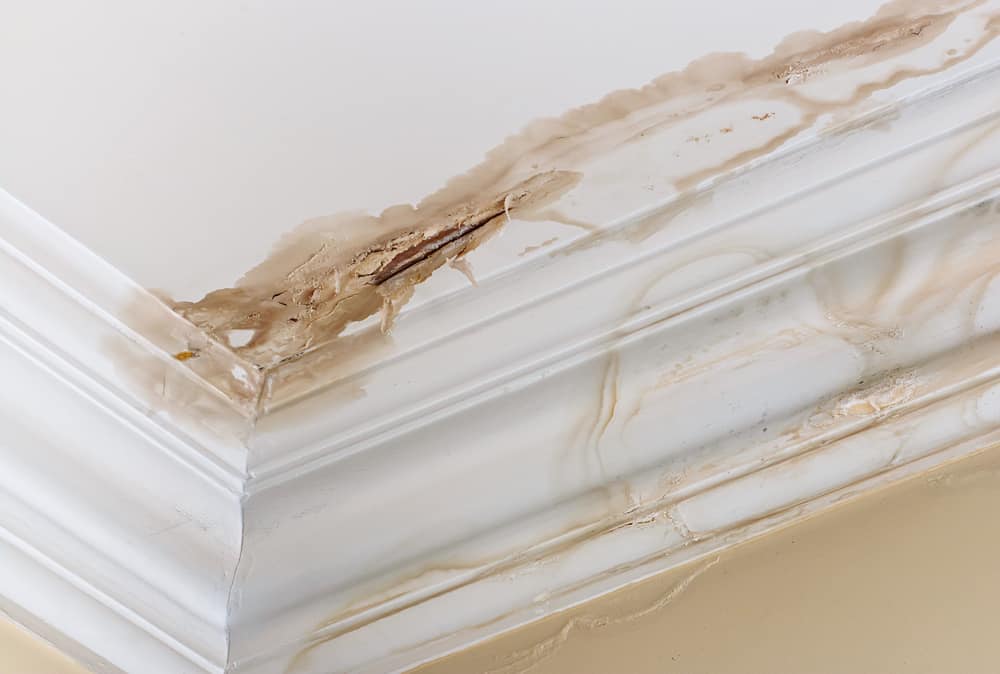
It starts with a thorough inspection. Our certified technicians conduct a 5-point assessment that includes air sampling, surface swab collection, boroscopic examination of wall cavities, and non-invasive moisture measurement. We’re not looking at what’s visible on the surface — we’re finding what’s hiding behind it. In Oceanside’s older homes, that’s usually where the real problem is.
Once we know the full scope, we build a remediation plan around what’s actually there. Under New York State law, the company that performs mold assessment cannot be the same company performing remediation on the same property — a consumer protection rule that’s worth understanding before you hire anyone. We operate in full compliance with NYS Department of Labor licensing requirements, and we’ll walk you through how that process works for your specific job.
Remediation itself means containment, removal, treatment, and drying — not surface cleaning and a coat of paint. When the work is done, we conduct post-remediation clearance testing using the same independent laboratory used in the initial inspection. You receive a detailed lab report within 2 to 3 business days. If it doesn’t confirm clearance, we’re not finished. That documentation holds up in insurance claims, real estate transactions, and anywhere else you might need proof that the job was done right.
Ready to get started?
Mold doesn’t pick one spot and stay there. In Oceanside’s coastal environment — where ambient humidity is consistently elevated and storm-related water intrusion is a recurring reality — it shows up in attics with inadequate ventilation, in basements that absorbed Sandy’s floodwaters, in bathroom walls where old tile grout has been failing for years, and in crawl spaces that have been collecting ground moisture since the Eisenhower administration.
Professional mold removal in Oceanside, NY means addressing all of it. We handle attic mold removal, basement mold removal, crawl space mold removal, bathroom mold removal — each environment requires a different approach, and our technicians are trained and equipped for all of them. We also handle the water damage restoration side of the equation, because removing mold without addressing the moisture source is how mold comes back in six months.
We work directly with insurance companies, which matters in a community where many mold jobs stem from documented storm damage or flooding events. We cover up to $500 toward your out-of-pocket deductible costs — something no other mold remediation company in this market currently offers. Whether you’re dealing with toxic mold cleanup after a flood, residential mold removal during a home sale, or commercial mold remediation at a business property in Nassau County, the process is the same: find it completely, remove it correctly, and prove it with documentation.
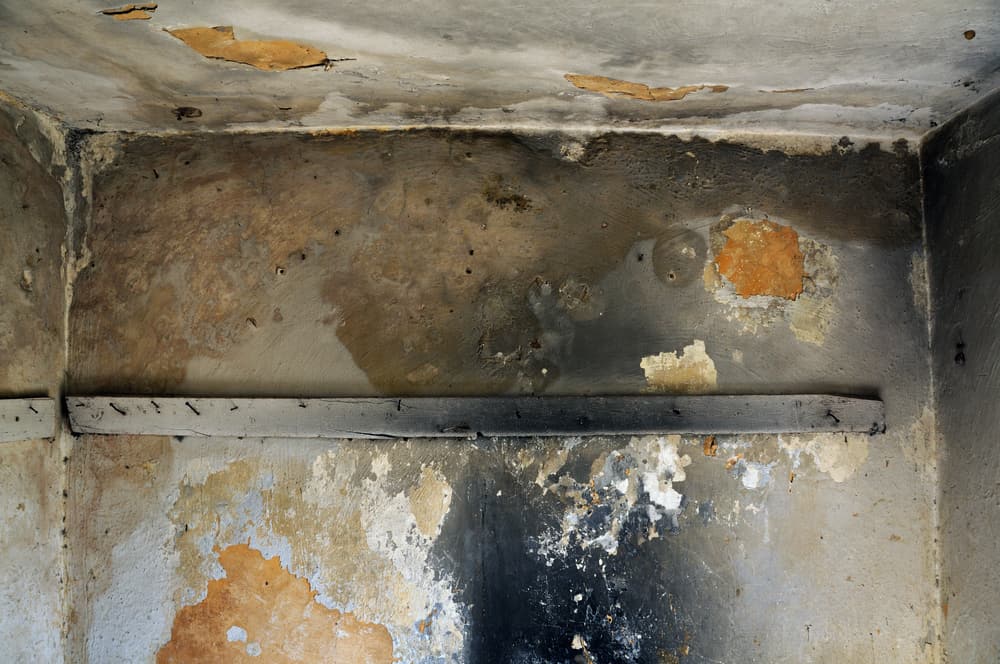
Mold begins establishing itself within 24 to 48 hours of water intrusion — which means that by the time a nor’easter passes through and the water in your Oceanside basement recedes, mold may already be taking hold in your wall cavities and subfloor. Response time matters enormously in a community that deals with recurring coastal flooding.
The bigger issue in Oceanside specifically is that many homes were flooded with salt water during Hurricane Sandy and subsequent storm events. Saltwater-saturated building materials — wood framing, drywall, insulation — retain moisture and provide organic material for mold to feed on for months or even years after the initial event. Homes that received surface-level remediation after Sandy have, in many cases, seen mold return because the source was never fully addressed. If your home flooded — even years ago — and you’re noticing musty odors or discoloration, it’s worth having a proper inspection done.
The honest answer is that mold removal cost varies depending on the size of the affected area, the type of mold present, how many surfaces are involved, and whether structural materials need to be removed and replaced. A small bathroom mold situation is a very different job from a flooded crawl space or a post-storm basement remediation. Most residential mold remediation jobs fall somewhere between $1,500 and $6,000, though larger or more complex jobs can run higher.
What affects cost most is scope — and scope is something you can only know after a proper inspection. Be cautious of any company that gives you a firm price over the phone without seeing the property first. In Oceanside’s older housing stock, what looks like a surface issue on a 1950s basement wall is frequently a deeper problem once the drywall comes down. We also offer up to $500 toward your deductible if the job is going through insurance, which can meaningfully reduce your out-of-pocket cost on storm-related claims.
No — and this is something every Oceanside homeowner should understand before hiring anyone. Under New York State law, the licensed company or individual performing mold assessment cannot be the same entity performing mold remediation on the same property. This separation requirement exists specifically to protect consumers from conflicts of interest — a company that both tests and remediates has a financial incentive to find more mold than is actually there.
What this means practically is that if a company offers to test your home and immediately schedule their own crew for remediation without disclosing this legal separation, they’re either operating outside NYS Department of Labor requirements or they’re not being transparent with you. We’re fully licensed under both categories and operate in compliance with the state’s framework. We’ll explain clearly how the assessment and remediation process works for your specific situation before any work begins.
It depends on the cause. Most homeowners insurance policies in Nassau County will cover mold remediation when it results directly from a covered peril — a burst pipe, a roof leak from storm damage, or documented flooding from a named storm event. What they typically won’t cover is mold that developed from long-term neglect, chronic moisture, or a slow leak that went unaddressed for an extended period.
For Oceanside homeowners, storm-related mold claims are relatively common given the community’s flood history, and navigating those claims requires documentation that holds up to adjuster scrutiny. Our lab-based chain-of-custody documentation provides the kind of evidence that supports a claim, not just a contractor’s written summary. We’ve worked alongside Nassau County insurance adjusters on hundreds of jobs over the past 31 years and know how to document damage in a way that gives your claim the best possible foundation.
In Oceanside’s housing stock — most of it built between the 1940s and 1960s — the highest-risk areas are crawl spaces, unfinished basements, attics, and the wall cavities of exterior-facing rooms. Crawl space mold is particularly common in this area because many of these homes were built with minimal or no vapor barriers, and the ground moisture in a coastal, low-lying community like Oceanside is significantly higher than in inland Nassau County towns.
Attic mold is another frequent finding in older South Shore homes. Inadequate attic ventilation combined with the temperature differential between a heated living space below and a cold attic above creates condensation that accumulates on roof sheathing over years — often without any visible signs until the problem is well established. Bathrooms with original 1950s or 1960s tile work are also common problem areas, as grout and caulking from that era has long since failed and allowed moisture to penetrate into wall framing. If your home is near Lawson Boulevard or any of the low-lying streets in the southern part of Oceanside, the flood history of those areas adds additional risk.
It depends on the size and location of the affected area. For smaller, contained jobs — a bathroom wall or a section of a basement — most families can remain in the home during remediation as long as the work area is properly sealed and contained. For larger jobs involving significant square footage, multiple rooms, or HVAC systems that could distribute mold spores throughout the house, temporary relocation is the safer and more practical choice.
Our technicians use containment barriers and negative air pressure during remediation to prevent cross-contamination to unaffected areas of your home. We’ll give you a straightforward assessment of whether staying is realistic for your specific job before work begins. For Oceanside homeowners dealing with post-storm remediation that involves multiple affected areas, we’ll also help coordinate the documentation your insurance company may require if temporary housing costs are part of your claim.
Useful Links
Other Services we provide in Oceanside