
Mold Removal in Peconic, NY
When You Open the Door and Smell It, You Already Know
Hear from Our Customers
Residential Mold Removal, Peconic NY
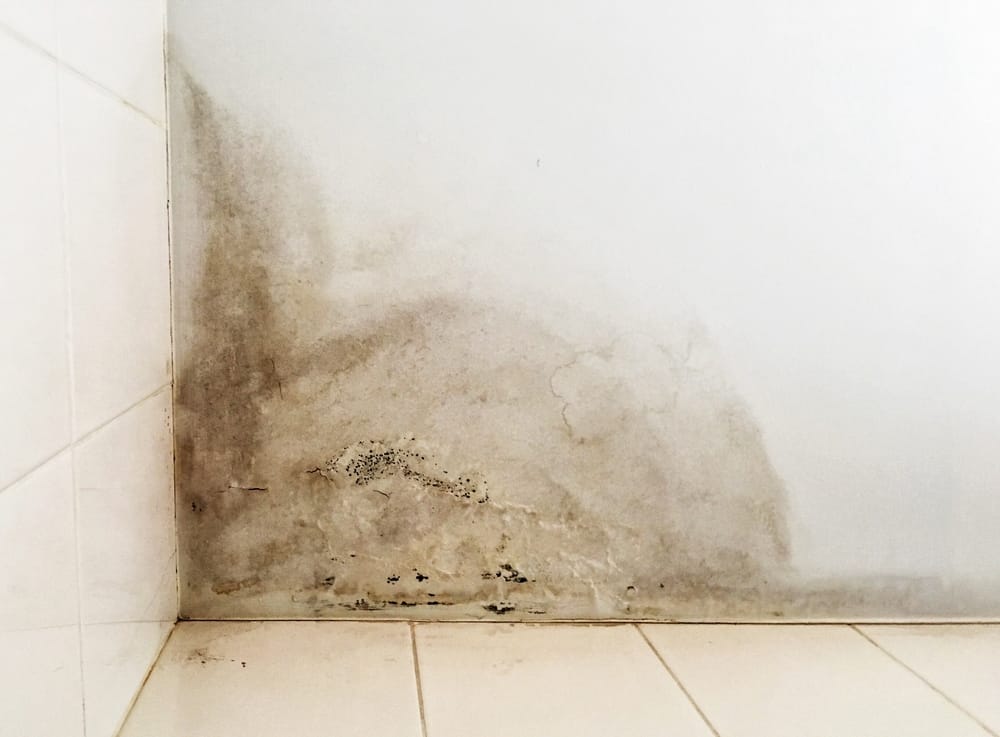
Most Peconic homeowners don’t discover mold when it starts. They discover it when they arrive in late May, unlock the door they haven’t opened since October, and find dark staining along the basement walls or black growth creeping across the crawl space joists. By then, it’s been growing for months quietly, in the dark, behind surfaces that looked fine when you left.
Getting it handled correctly means more than cleaning what you can see. It means finding what’s hidden in wall cavities, under flooring, and in attic insulation especially in homes along this stretch of the North Fork where the air carries moisture from both Peconic Bay to the south and Long Island Sound to the north simultaneously. That dual-water exposure keeps ambient humidity elevated in ways that most of Long Island simply doesn’t experience.
When the job is done right, you’re not just clearing a smell. You’re walking back into a home that’s genuinely safe for you, for your family, and for the guests or renters who depend on it being that way. You’ll have documentation proving the remediation was completed to New York State standards, and the moisture conditions that allowed the mold to grow in the first place will have been addressed, not just covered up.
Mold Removal Company in Peconic, NY
We’ve been serving Suffolk County homeowners since before most of Peconic’s current residents moved in. That’s not a throwaway line it means the team responding to your call has seen what happens to North Fork homes after a Nor’easter rolls through, what seasonal vacancy does to a crawl space over a Long Island winter, and what the persistent ground moisture around the vineyards on Route 25 does to the foundations of nearby homes over time.
We’re IICRC-certified, fully licensed under New York State’s Article 32 mold remediation law, and bonded and insured. Those credentials aren’t just paperwork in New York, hiring an unlicensed mold contractor can void your insurance claim entirely. You call our Suffolk County line at 631-587-5300 and you reach a team that actually knows Southold Town and Peconic, not a national dispatch center routing a crew that’s never driven Route 25.
Professional Mold Remediation Process, Peconic NY
It starts with detection. Not a visual scan actual detection, using moisture sensors and particle counters to measure what’s happening inside your walls, under your floors, and in your attic. In Peconic’s older homes, many built before 1940 or during the 1980s, mold rarely stays where you can see it. It follows moisture into insulation, into wood framing, into the spaces between things. Finding the full extent of the problem before anything gets touched is what separates a real remediation from a temporary fix.
Once the scope is confirmed, the affected area gets contained using negative air pressure and plastic sheeting this keeps spores from spreading to the rest of the property while work is underway. HEPA vacuuming pulls airborne particles out of the environment. Mold-affected materials are physically removed, not sprayed over. Air scrubbers run throughout the process. Because many Peconic properties are seasonal homes, we work with the understanding that you may not be on-site communication is clear, timelines are realistic, and nothing is left ambiguous.
After remediation, clearance testing confirms the job is done. You get written documentation which matters if you’re filing an insurance claim, preparing a property for summer rental, or simply want proof that the work was completed to New York State standards under Article 32. The process ends when the numbers confirm it’s clean, not when the crew decides it looks fine.
Ready to get started?
Mold Removal Services in Peconic, NY
Mold removal in Peconic isn’t a one-size situation. A crawl space under a Sound-front cottage has a different problem profile than a basement in a farmhouse near Osprey’s Dominion Vineyards, and an attic in a home that’s been closed since Columbus Day is a different job than a bathroom wall in a year-round residence. We handle all of it basement mold removal, attic mold removal, crawl space mold removal, bathroom mold removal, and full structural remediation when water damage has gone deeper than the surface.
Every job includes the full protocol: containment setup, HEPA vacuuming, physical removal of affected materials, air scrubbing, and post-remediation clearance testing. We also coordinate directly with your insurance carrier, which matters more than most homeowners realize especially for second-home policies, where coverage terms for mold can differ from a primary residence policy. If your claim is legitimate and documented correctly, that paperwork can significantly offset the cost of remediation.
For Peconic homeowners managing properties from a distance, our service is designed to minimize the burden on you. Costs for most residential mold remediation projects fall between $1,223 and $3,754, with attic mold typically ranging from $1,000 to $4,000 and basement mold from $1,500 to $6,000 depending on scope. You’ll receive a clear estimate before any work begins what’s quoted is what you pay.
Why does my Peconic vacation home smell musty every time I open it?
This is one of the most common calls we get from North Fork homeowners, and the answer is almost always the same: mold has been growing in your absence. Peconic’s position between Peconic Bay and Long Island Sound keeps humidity levels elevated year-round, and a home that’s been closed without active dehumidification since fall gives mold exactly what it needs moisture, warmth during the summer months, and zero disturbance. Crawl spaces and basements are usually the first places it takes hold, followed by attic cavities where warm air rises and condenses against cold roof decking during winter.
The musty smell is mold releasing spores into your air. It’s not a cosmetic issue and it won’t resolve on its own. The longer the home sits between visits, the more established the growth becomes which is why opening the house in May and catching it early is always better than waiting until August when the problem has had another two months to spread.
How do you find mold that's hidden in a Peconic home?
Mold in a closed-up home is almost never limited to one spot. When we inspect a seasonal property in Peconic that’s been shut down for months, we routinely find growth in multiple areas a basement corner, a crawl space joist, an attic ridge because the moisture that fed it wasn’t isolated to one location. Our inspection uses moisture sensors and particle counters to map the full extent of the problem before anything is touched, so you’re not paying to remediate one area while another quietly continues to grow.
The remediation process follows the IICRC S520 standard: containment, HEPA vacuuming, physical removal of affected materials, and post-clearance testing to confirm the job is complete. For seasonal homeowners who need the property ready before summer rental season or family arrival, we work with your timeline and communicate clearly throughout including if you’re managing the property remotely from off the island.
Does homeowners insurance cover mold removal in a second home in New York?
It depends on what caused the mold, and the distinction matters significantly. Most homeowners insurance policies including second-home policies will cover mold remediation if it resulted directly from a sudden, covered event: a burst pipe, a storm surge event, or a roof failure after a Nor’easter. What they typically won’t cover is mold that developed gradually from long-term moisture, deferred maintenance, or inadequate ventilation which is a common scenario in Peconic’s seasonal homes that sit closed for months without climate control.
The documentation you provide to the insurer is critical. We handle insurance coordination directly we photograph the damage, document the scope, and submit the information in a format that gives your claim the strongest possible foundation. We’ve worked with insurers on Long Island long enough to know what they’re looking for and how to present a legitimate claim clearly. If coverage is available, we’ll help you access it. If it’s not, you’ll know that upfront too not after the work is done.
Is mold remediation in New York required to be done by a licensed contractor?
Yes and this is one of the most important things to verify before hiring anyone. New York State’s Article 32 of the Labor Law has required all mold remediation contractors to hold a state license since January 1, 2016. That applies to every project in Peconic, regardless of size. Hiring an unlicensed contractor isn’t just a risk to the quality of the work it can void your homeowners insurance claim entirely, and it leaves you with no legal recourse if the job is done incorrectly.
Always ask to see a contractor’s Article 32 license before any work begins. We’re fully licensed, bonded, and insured under New York State requirements. If a company can’t produce that license, walk away regardless of how low their quote is. An incomplete or improperly contained remediation can spread mold spores to unaffected areas of your home, turning a manageable problem into a significantly larger and more expensive one.
How quickly can mold spread if I leave it untreated in my North Fork home?
Mold can begin colonizing a surface within 24 to 48 hours of it becoming wet, and active colonies can spread throughout a property within 72 hours under the right conditions. In a Peconic home that’s been closed since fall with no dehumidification running, no airflow, and persistent coastal humidity seeping in through crawl space vents and foundation gaps those conditions exist for months at a time.
The practical implication is that a small patch of mold you noticed in October and planned to “deal with in the spring” can be a significantly larger problem by Memorial Day weekend. Mold doesn’t pause because the house is empty. It grows more aggressively in undisturbed, humid environments exactly the conditions that define a closed seasonal home on the North Fork in winter. Early intervention is always less expensive and less disruptive than delayed response, and the 72-hour window for water-related mold growth is why we operate 24 hours a day, seven days a week.
What areas in and around Peconic does First Response Restoration serve?
We serve Peconic and the surrounding communities throughout Southold Town and the broader North Fork, including Southold, Cutchogue, Mattituck, and Greenport, as well as the wider Suffolk County service area. If your property is in the 11958 ZIP code or anywhere along the Route 25 corridor on the North Fork, you’re well within our service area and you’re reached by our Suffolk County team at 631-587-5300, not a regional dispatch center.
Our team is familiar with the specific conditions that drive mold problems across this stretch of Long Island: the dual waterfront exposure from Peconic Bay and Long Island Sound, the older housing stock throughout Southold Town, the seasonal vacancy patterns that leave properties unmonitored for months, and the moisture conditions that come with living adjacent to some of the most active vineyard land on the East End. That familiarity shapes how we approach the inspection, what areas we prioritize, and how we build the remediation plan for your specific property.
Useful Links
Other Services we provide in Peconic