
Hear from Our Customers
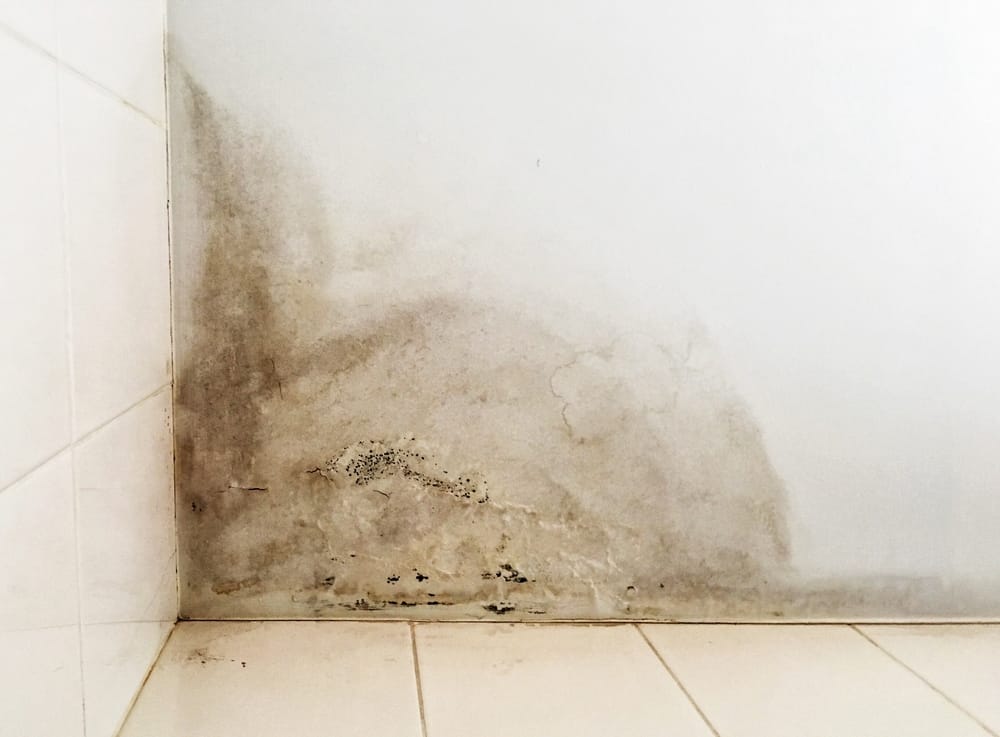
The air in your home feels different. That low-grade mustiness you’ve been calling “old house smell” disappears. If someone in your household has been dealing with unexplained congestion, headaches, or worsening allergies, those symptoms often ease once the source is removed. That’s what happens when a real problem gets a real fix.
For Plainview homeowners specifically, the stakes go beyond comfort. With median home values approaching $1 million in this community, a mold problem that surfaces during a home inspection can send buyers walking. It can delay a closing, reduce your offer price, or kill a deal entirely. Getting ahead of it — with lab-confirmed clearance documentation in hand — puts you back in control of the transaction.
Plainview’s housing stock is one of the oldest in Nassau County, with most homes built during the postwar boom of the 1950s. Those foundations, crawl spaces, and attic ventilation systems weren’t designed to the standards we use today. Moisture gets in, and once it does, mold follows within 24 to 48 hours. Fixing the surface without addressing what’s underneath just means the problem comes back — and it usually comes back worse.
First Response Restoration and Cleaning Inc. has been serving Nassau and Suffolk Counties for 31 years. That’s not a number we throw around for effect — it means we’ve been inside the postwar Capes, split-levels, and colonials that make up the majority of Plainview’s neighborhoods long enough to know exactly how they fail and where mold hides in them.
Every technician on our team holds IICRC certification. Not just leadership — every person who walks into your home. New York State also requires separate licensing for mold assessment and remediation, and we’re fully licensed and compliant. That matters more than most homeowners realize, because the law actually prohibits the same company from doing both the testing and the remediation on the same job — a consumer protection rule that not every competitor follows.
We operate out of Long Island and serve all of Nassau County, including Plainview and the surrounding communities of Old Bethpage, Hicksville, Syosset, and Bethpage. When you call 516-541-0500, you’re reaching us directly — not a national call center routing your job to a subcontractor.
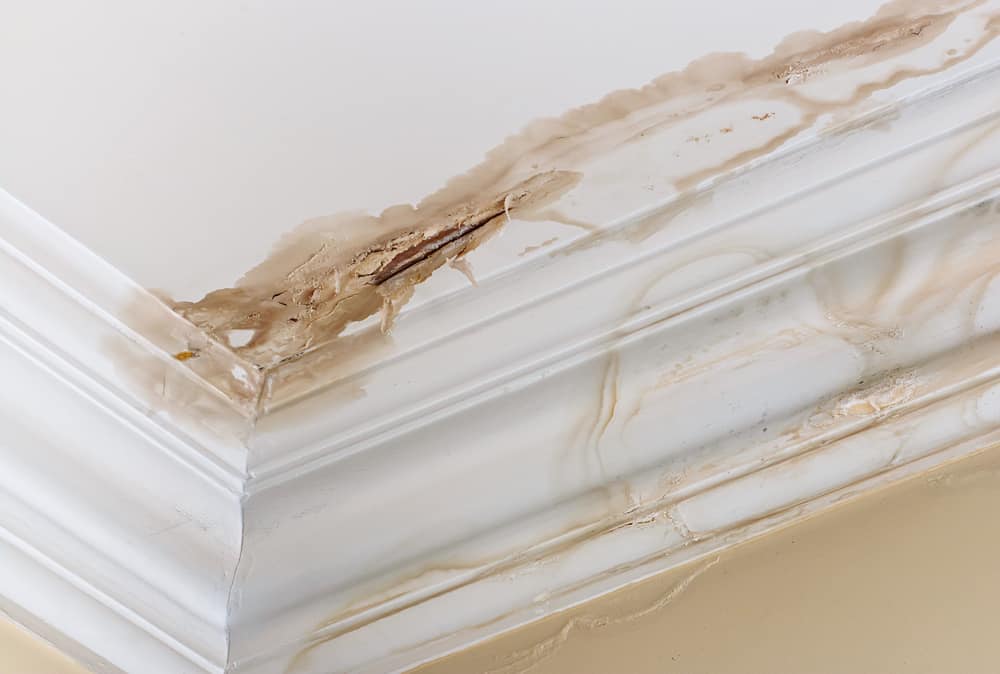
It starts with a thorough inspection — and not just the surfaces you can see. We use a 5-point protocol that includes boroscopic wall cavity examination, which lets us look inside your walls without tearing them open. In a Plainview home built in the 1950s, that matters. Mold routinely lives inside wall cavities, under floor joists, and in attic sheathing long before it shows up anywhere visible. Air samples and surface swabs are collected and sent to an independent lab with chain-of-custody documentation that meets legal evidence standards. Results come back within 2 to 3 business days.
Once we know what we’re dealing with, we contain the affected area to prevent spores from spreading to other parts of your home during the removal process. Then we remediate — removing mold-damaged materials, treating structural surfaces, and addressing the moisture source that caused the growth in the first place. Removing mold without fixing the moisture problem is a short-term answer to a long-term problem, and we don’t do half jobs.
After remediation, we conduct post-clearance testing to confirm the mold is gone. You receive documented, lab-confirmed proof — the kind of paperwork that satisfies insurance adjusters, real estate attorneys, and home buyers. If your job involves structural modifications like drywall removal, we’re familiar with Town of Oyster Bay permit requirements and can walk you through what applies to your situation.
Ready to get started?
Basement mold in Plainview almost always traces back to foundation moisture. The cinder block and early poured concrete foundations common in this area weren’t built with the damp-proof membranes used in modern construction. Over time, they develop micro-cracks and porous surfaces that let groundwater in — especially during heavy rain events when drainage systems get overwhelmed. We’ve seen Plainview basements that leak every time it rains. That moisture feeds mold, and that mold doesn’t stay in the basement.
Attic mold is the other major issue in this community, and it’s largely invisible until it’s severe. Homes from the 1950s frequently have inadequate ridge and soffit ventilation by today’s standards. Warm, moist air from your living space rises into a poorly ventilated attic, condenses on the wood roof decking, and feeds mold growth that can spread across the entire attic without a single visible leak. We handle the mold removal and address the ventilation deficiency — because treating one without the other means you’re back in the same situation within a year.
We also handle crawl space mold removal, bathroom mold removal, and full toxic mold cleanup for more severe infestations. For homeowners navigating an insurance claim, we offer up to $500 toward your deductible — a program no other mold removal company identified in the Plainview market currently offers. Whether you’re in one of the postwar subdivisions near Old Country Road or in a newer development like The Seasons at Plainview, the process and the standard are the same.
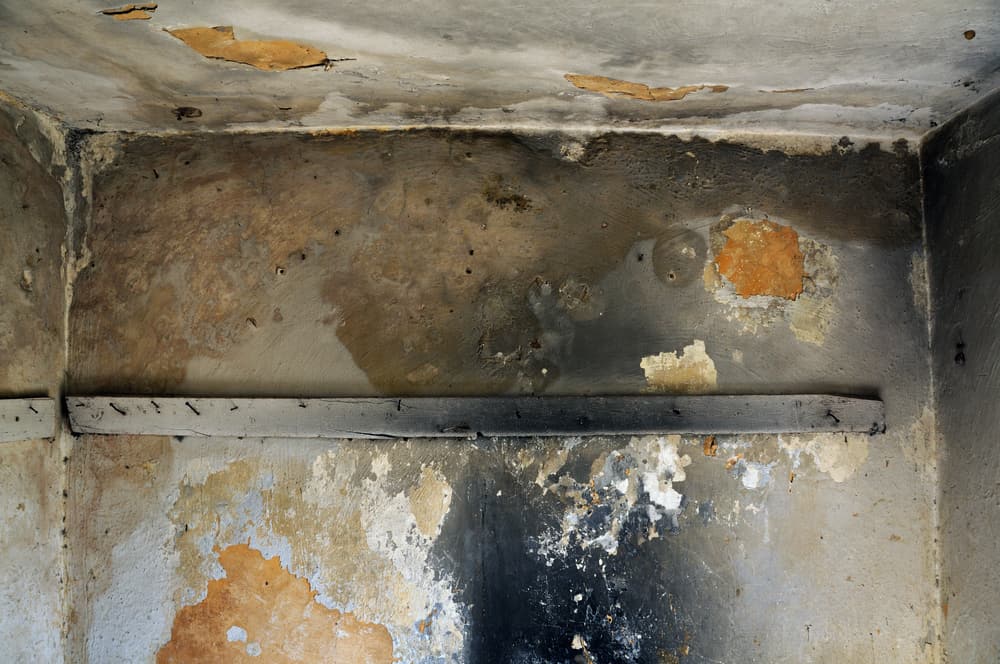
The honest answer is that you often can’t tell from the surface alone — especially in a home built in the 1950s, which describes most of Plainview’s housing stock. Mold inside wall cavities doesn’t always produce visible discoloration. What you’re more likely to notice is a persistent musty odor that doesn’t go away with cleaning, or unexplained respiratory symptoms in family members that improve when they leave the house and return when they come back. Those are signs worth taking seriously.
The only reliable way to know for certain is a professional inspection that goes beyond what you can see. We use boroscopic wall cavity examination — a tool that lets us look inside your walls through a small access point without opening them up. Combined with air sampling and surface swabs sent to an independent lab, you get an accurate picture of what’s actually there, not just what’s visible. In Plainview’s older homes, that distinction makes all the difference.
The range is wide because the scope varies significantly from job to job. For attic, basement, and crawl space work — the most common situations in Plainview’s postwar homes — cost generally runs $15 to $25 per square foot depending on severity, materials involved, and how far the growth has spread.
What drives cost up in this area is usually one of two things: mold that’s been growing undetected for a long time inside wall cavities or structural framing, or a moisture problem that requires addressing alongside the mold itself. A job that looks small on the surface can be more involved once we get inside the walls. That’s why we don’t give flat quotes before an inspection — it wouldn’t be accurate, and it wouldn’t serve you. We also offer up to $500 toward your insurance deductible for covered claims, which helps offset out-of-pocket costs for many Plainview homeowners.
For very small, isolated surface mold on non-porous materials — think a tile grout line or a glass surface — limited DIY cleaning is possible. But black mold in a Plainview basement is almost never that simple. The foundations in this area are predominantly cinder block and early poured concrete, both of which are porous. Mold doesn’t just sit on the surface of porous materials — it grows into them. Bleach, which is the most common DIY recommendation, cannot penetrate porous surfaces. It kills what’s on top and leaves the root structure intact. The mold comes back, usually within weeks.
Beyond that, disturbing a mold colony without proper containment sends spores airborne throughout your home. New York State requires licensed contractors for mold remediation projects involving more than 10 square feet — and most basement mold situations in Plainview exceed that threshold quickly. The liability and health risk of a DIY approach on a real mold problem almost always outweigh the cost savings. A professional inspection at minimum will tell you what you’re actually dealing with before you decide how to proceed.
It depends on the cause. Most homeowner’s insurance policies cover mold remediation when it results directly from a covered peril — a burst pipe, a sudden roof leak, or water damage from an appliance failure, for example. What most policies don’t cover is mold that developed from long-term moisture intrusion, deferred maintenance, or gradual seepage through an aging foundation — which, in Plainview’s older housing stock, is actually a common scenario.
The practical advice is to document everything before you start any work and contact your insurance company early. We work with insurance companies regularly and can help you understand what your claim might cover. We also offer up to $500 toward your deductible on covered claims, which reduces your out-of-pocket exposure regardless of how the rest of the claim resolves. If your situation falls outside coverage, we’ll be straightforward about that too — you’ll know what you’re looking at before any work begins.
For a contained area — a single bathroom, a section of basement wall, or a localized attic section — remediation typically takes one to three days. Larger or more complex jobs, particularly in homes where mold has spread through multiple areas or into structural framing, can run five to seven days or longer. The honest answer is that timeline depends heavily on what the inspection reveals, and that’s something we can only tell you accurately after we’ve assessed the scope.
One thing that affects timing in Plainview specifically is the nature of the housing stock. In a home built in the 1950s, mold in one visible location frequently signals a moisture pathway that has affected adjacent areas — inside wall cavities, in floor joists, or under insulation. We don’t cut corners to hit a faster timeline. What we do is give you a realistic schedule after the inspection so you can plan accordingly. Post-remediation clearance testing adds two to three business days for lab results, but that documentation is what gives you actual proof the job is done.
Yes — significantly. Research consistently shows that mold findings cause roughly half of interested buyers to walk away, and homes with known mold issues can see resale value drop anywhere from 20 to 37 percent. In a community where median home values are approaching $1 million, that’s a direct financial consequence that plays out in Plainview’s real estate market regularly, particularly given how many homes here are 60 to 70 years old and have the moisture history that comes with that age.
The good news is that remediated mold — properly documented — doesn’t have to kill a deal. What buyers and their attorneys want to see is proof: lab-confirmed clearance testing, chain-of-custody documentation, and a licensed contractor’s remediation record. We provide all of that as a standard part of every job, with lab results returned within two to three business days of post-remediation testing. If you’re listing a home in Plainview and mold came up during inspection, getting it professionally remediated and documented is almost always the faster, less costly path to closing than renegotiating price or losing the buyer entirely.
Useful Links
Other Services we provide in Plainview