
Hear from Our Customers
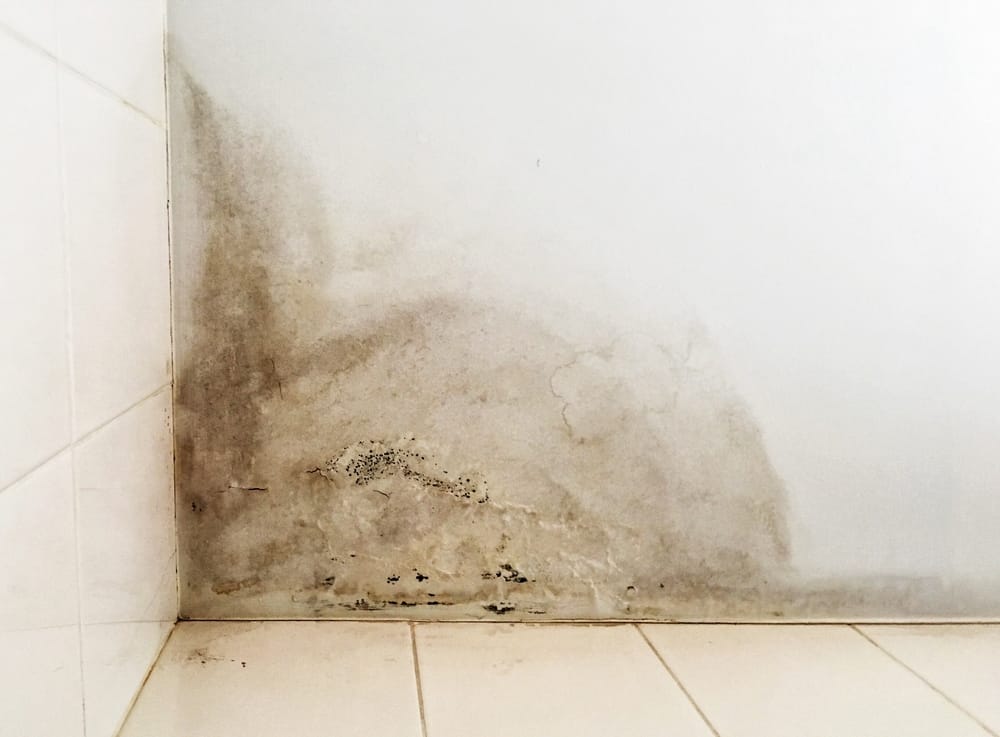
The air in your home feels different when it’s clean. Not a placebo — a measurable difference that shows up in post-remediation lab results and in how your family breathes day to day. That’s what proper mold removal delivers, and it’s what separates a real fix from someone spraying bleach and calling it done.
For Plandome Heights homeowners specifically, the stakes are higher than most. Your home sits in one of Nassau County’s most moisture-exposed corridors. The bay humidity doesn’t stop at your property line, and if your home was built before 1970 — which many in Plandome Heights were — your attic ventilation, basement waterproofing, and wall cavities weren’t designed with today’s moisture loads in mind. Mold finds those gaps fast.
Getting this resolved completely means your home value stays intact, your kids aren’t breathing compromised air on school nights before a full day at Manhasset, and you’re not managing a problem that keeps coming back. Done right, with the source addressed and clearance testing confirmed, mold removal is a one-time fix — not a recurring expense.
We’ve been doing this work across Nassau County for over three decades, with deep roots in the Plandome Heights area specifically. That’s not a marketing number — it means we’ve been inside the older homes along the Plandome Road corridor, we understand the moisture patterns that come with bay-adjacent construction, and we know what mold looks like in a 1950s crawl space versus a finished basement that flooded twice.
Every technician who comes to your Plandome Heights home holds IICRC certification. Not just the project lead — every person on the crew. We’re also fully licensed under New York State law for mold remediation, which matters more than most homeowners realize when they’re vetting contractors.
We run 24/7, we work directly with your insurance company, and we offer up to $500 toward your deductible on covered claims. No other mold removal company serving this area offers that.
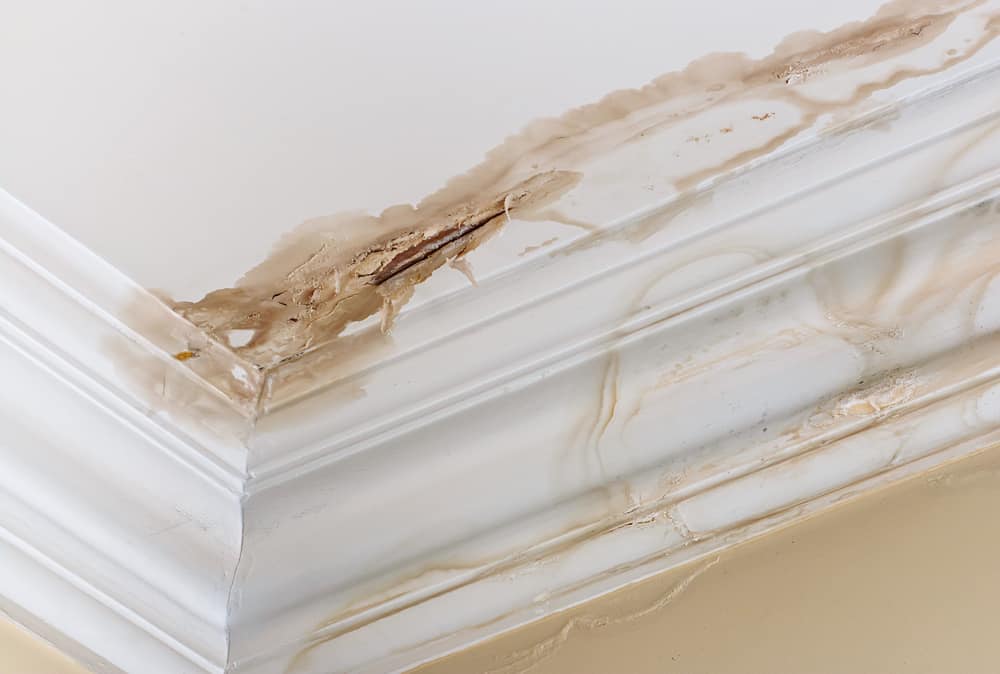
It starts with a thorough inspection — not a quick walk-through. Our certified technicians use air sampling, surface swabs, moisture meters, and boroscopic equipment to look inside wall cavities without tearing anything apart unnecessarily. In Plandome Heights, where older construction means mold often hides behind plaster walls or inside attic framing near the eaves, that level of inspection isn’t optional — it’s how you find the actual problem instead of just the visible part of it.
Once we know what we’re dealing with, we contain the affected area, establish negative air pressure using HEPA-filtered equipment, and begin the removal process. Any materials that can’t be cleaned — compromised drywall, insulation, wood framing with deep colonization — get removed and properly disposed of. We then treat the remaining surfaces and address the moisture source that allowed growth in the first place. That last part is where a lot of companies fall short. Removing mold without fixing the underlying moisture problem just means it comes back.
Before we close anything up, post-remediation air and surface samples go to the lab. You get the results in writing. If the clearance test doesn’t pass, we’re not done. That’s the standard — not an upsell.
Ready to get started?
Mold removal in Plandome Heights covers a range of situations — attic mold from inadequate ventilation in older homes, basement mold following a wet spring or storm surge event near the bay, bathroom mold that’s gone deeper than the tile surface, and crawl space mold that’s been sitting undetected for years. We handle all of it, and we handle the water damage restoration side as well, which matters when the two problems are connected — and they almost always are.
Every job includes the full inspection, containment setup, HEPA air filtration throughout the work area, removal of compromised materials, antimicrobial treatment, and post-remediation clearance testing with lab documentation. You receive a written report with chain-of-custody records — the same documentation standard used in insurance claims and real estate transactions. For a home in Plandome Heights worth well over a million dollars, that paper trail is part of protecting your investment.
New York State law requires that mold assessment and mold remediation be performed by separate licensed entities — the same company cannot legally do both on the same property. We operate in full compliance with that law, and we’ll tell you upfront what that means for how your project gets structured. If a contractor in Nassau County offers to test and remediate under the same contract without explanation, that’s a red flag worth acting on.
It depends on the cause. Most standard homeowners insurance policies in New York will cover mold remediation when it results directly from a covered water damage event — a burst pipe, an appliance failure, or storm-related water intrusion. What they typically won’t cover is mold that developed slowly over time due to a maintenance issue or a leak that was left unaddressed.
For Plandome Heights homeowners, this distinction matters because the area sees real weather events — nor’easters, bay flooding, heavy spring rains — that can drive water into basements and crawl spaces quickly and without warning. If mold follows a storm event, that’s often a covered scenario. The key is documenting the timeline and the damage correctly from the start. We work directly with insurance companies and provide the chain-of-custody lab documentation and written reports that adjusters require to process a claim. We also offer up to $500 toward your deductible on covered mold claims — something worth asking about when you call.
The honest answer is that it depends on where the mold is, how far it’s spread, and what materials are affected. For a contained bathroom situation or a small section of basement wall, you’re typically looking at $1,500 to $3,000. Attic mold removal — which is common in older Plandome Heights homes where ventilation doesn’t meet modern standards — often runs $2,500 to $5,000 or more depending on the square footage and how deeply the framing is affected. Larger or more complex jobs involving crawl spaces, multiple rooms, or significant structural material removal will be priced accordingly.
What drives cost up is almost always the same thing: the moisture source wasn’t addressed early, so the mold spread further than it needed to. The sooner you call, the more contained the job tends to be. Clearance testing and lab documentation are included in our pricing — they’re not add-ons. You’ll know exactly what you’re paying for before any work begins.
In most cases, yes — but it depends on the size of the affected area and where it’s located. If mold is isolated to an attic, a crawl space, or a single basement room, the rest of your home can remain occupied while we work. We establish full containment barriers and run HEPA air scrubbers continuously throughout the job, which keeps spores from migrating into living areas.
Where temporary relocation becomes a real conversation is when mold has spread through a significant portion of your home’s HVAC system, or when large sections of living space are involved. In those situations, the safest choice for your family — especially children — is to stay elsewhere until clearance testing confirms the air is clean. We’ll give you a straight answer about this during the inspection, not after you’ve already committed. Families in Plandome Heights with kids in the Manhasset schools understandably take this seriously, and we don’t minimize it.
Attic mold in this area almost always comes down to two things: inadequate ventilation and moisture that has nowhere to escape. Many homes in Plandome Heights were built in the mid-20th century, when attic ventilation standards were far less stringent than they are today. When warm, humid air from the living space rises into an underventilated attic and hits the cold roof sheathing in winter, it condenses. Do that repeatedly over a Long Island winter and you have the moisture conditions mold needs to colonize wood framing and sheathing.
The bay proximity makes this worse. Ambient humidity in Plandome Heights runs higher year-round than in inland Nassau County communities — and that elevated baseline means attics never fully dry out between events the way they might elsewhere. Black mold on roof sheathing is one of the most common findings we see in North Shore homes, and it’s frequently discovered during a real estate inspection rather than by the homeowner. Addressing ventilation as part of the remediation is the only way to prevent it from returning.
Faster than most people expect. Under the right conditions — and a wet basement in summer on Long Island qualifies — mold can begin colonizing porous surfaces within 24 to 48 hours of water intrusion. It doesn’t need a lot of time. What it needs is moisture, a food source like wood or drywall, and a temperature above roughly 40 degrees. Your basement checks all three boxes after a flooding event.
This is why the 48-hour window matters so much. If your Plandome Heights home takes on water during a nor’easter or a heavy spring rain event and you wait a week to address it, you’re not just dealing with water damage anymore — you’re dealing with an active mold situation that’s had time to spread into wall cavities and subfloor materials. We run 24/7 emergency response specifically because water damage restoration and mold prevention are the same job when the clock is ticking. Calling immediately is always the right call.
No — and this is one of the most important things to understand before you hire anyone. New York State law explicitly prohibits the same company from performing both mold assessment and mold remediation on the same property. The law exists to prevent a conflict of interest: a company that profits from remediation work has a financial incentive to find more mold than is actually there during the assessment phase.
In practice, this means your mold inspection and testing should be conducted by a licensed mold assessor who is separate from the company doing the remediation. We are licensed for remediation and operate in full compliance with this law. When you call us, we’ll walk you through how the process works and what the independent assessment step looks like so there are no surprises. If you encounter a contractor in Nassau County who offers to handle both the testing and the cleanup under one contract without flagging this legal requirement, that’s worth pausing on before you sign anything.
Useful Links
Other Services we provide in Plandome Heights