
Hear from Our Customers
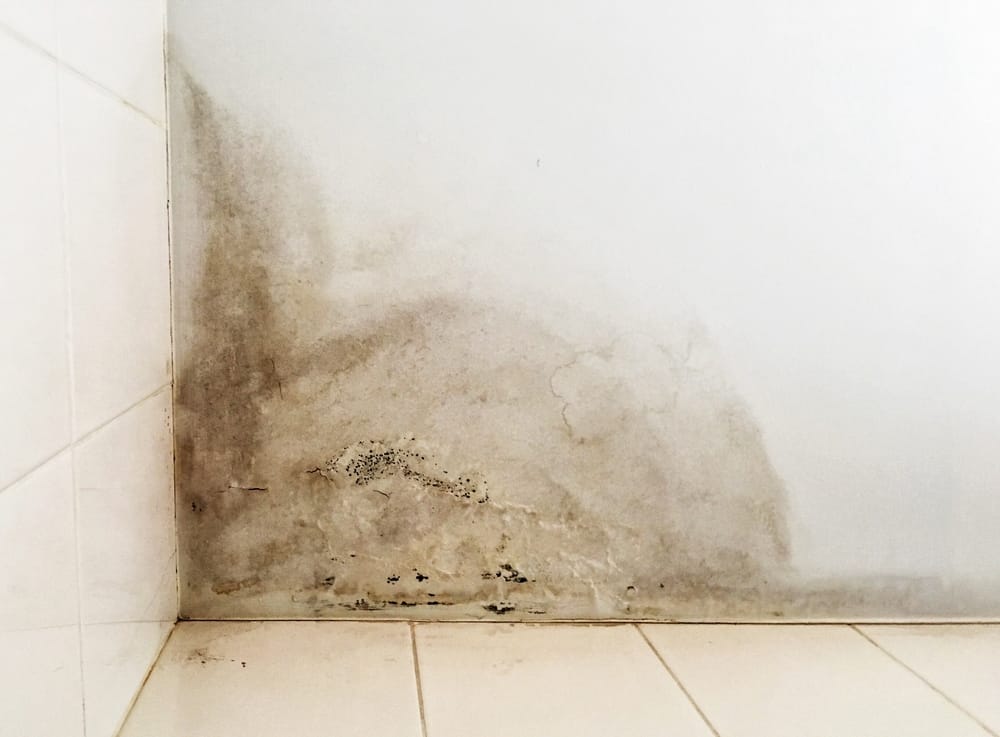
The smell disappears. The dark patches stop spreading. You stop wondering if what’s behind your basement wall is worse than what you can see. That’s what professional mold removal in Riverhead actually delivers — not a temporary fix, but a real resolution.
Riverhead’s geography makes this more complicated than most people expect. The Peconic River runs right through the heart of town. Long Island Sound sits at the northern edge. Properties in Baiting Hollow, Wading River, South Jamesport, and along the river waterfront deal with ambient moisture levels that keep basement walls damp, crawl spaces humid, and attic condensation active through most of the year. That kind of chronic moisture exposure means mold isn’t just a one-time event in Riverhead — it’s a recurring risk if the underlying conditions aren’t addressed properly.
Homes in Riverhead also tend to be older. The median home in ZIP code 11901 was built around 1971, and a lot of the housing stock in Calverton, Polishtown, and the downtown corridor is older than that. Original plaster walls, minimal vapor barriers, concrete block foundations — these materials hold moisture and give mold exactly the environment it needs. When we do remediation right, we’re not just cleaning a surface. We’re removing the affected material, eliminating the moisture source, and making sure the air in your home is actually safe to breathe again.
We’ve been serving Suffolk County homeowners since before most of the mold removal companies you’ll find online today even existed. That kind of longevity doesn’t happen by accident. It happens because the work is done thoroughly, the pricing is honest, and people call back — or send their neighbors.
We’re IICRC-certified and fully licensed under New York State Article 32 of the Labor Law, which is the legal standard governing all mold remediation work in Riverhead and throughout Suffolk County. That license isn’t optional — it’s required by state law for any project covering 10 square feet or more. We’re happy to provide our license number before a single piece of equipment enters your home.
From the Route 58 commercial corridor to the older residential blocks near Peconic Bay Medical Center, from ranch homes in Calverton to waterfront properties in Jamesport — we’ve seen what Long Island’s East End does to a building over time. That experience shows in how we approach every job.
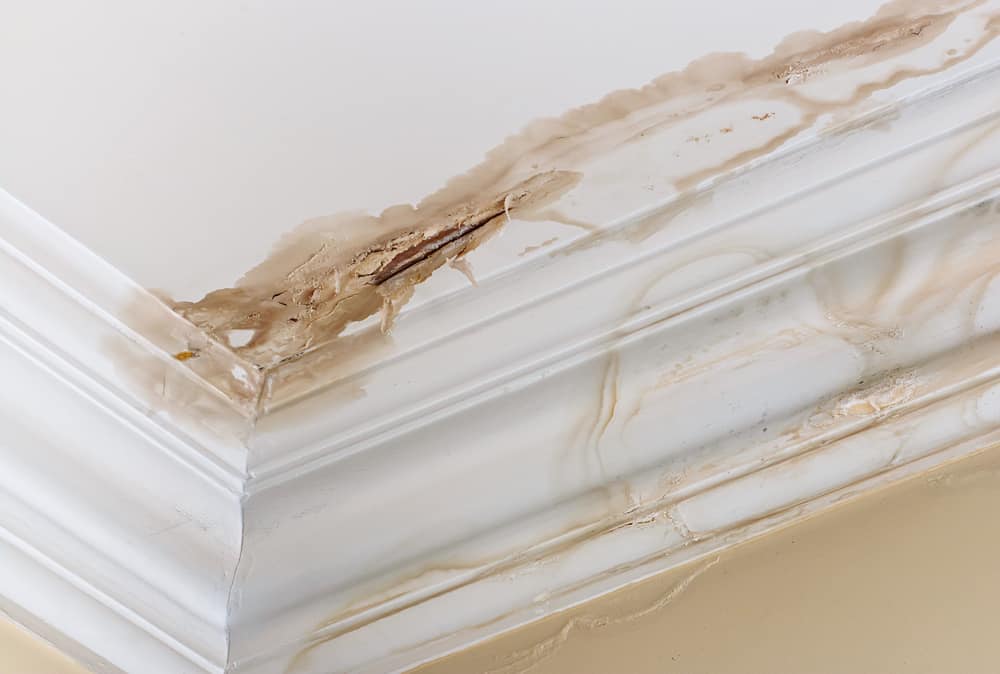
It starts with a thorough assessment. Before any work begins, the scope of the problem needs to be clearly defined — where the mold is, how far it’s spread, and what’s driving the moisture. Under New York State Article 32, the assessment and remediation must be handled by separate licensed entities, which is actually a consumer protection built into state law. That means you get an independent evaluation of the problem before anyone starts billing you for the fix.
Once the remediation plan is in place, containment comes first. We establish negative air pressure in the affected area to prevent spores from spreading to clean parts of your home during the removal process. Mold-affected materials — drywall, insulation, wood framing, whatever has been compromised — are physically removed, not just treated. This is where a lot of cheaper operators cut corners, and it’s exactly why mold comes back after those jobs.
After removal, HEPA air scrubbers run to capture airborne spores, and the area is treated and dried to the correct moisture levels before any reconstruction begins. In Riverhead, where seasonal humidity from Long Island Sound can slow drying times in summer and where older homes often have inadequate ventilation, this drying phase matters more than most homeowners realize. A post-remediation clearance test by an independent assessor confirms the job is complete before the space is closed back up.
Ready to get started?
Mold doesn’t limit itself to one room, and neither do we. Basement mold removal in Riverhead is one of our most common calls — block foundation walls in older Calverton and downtown homes absorb groundwater and stay damp long after a rain event. Attic mold removal in Riverhead is a close second, driven by the condensation that builds up when warm air from your living space meets a cold, poorly ventilated attic through the winter. Crawl space mold removal, bathroom mold removal, and post-flood cleanup after Peconic River events are all part of what we handle.
For homeowners dealing with water damage and mold together — which is common after the kind of storm events that hit Riverhead’s waterfront hamlets — we handle both. Water extraction, structural drying, dehumidification, and mold remediation all under one roof means you’re not coordinating three different contractors while your home is still wet.
We also provide commercial mold removal in Riverhead for property owners along the Route 58 corridor, at EPCAL in Calverton, or in any of the downtown commercial buildings currently going through renovation as part of the Downtown Revitalization Initiative. Commercial jobs require tighter timelines, proper documentation for insurance and compliance, and a crew that can work without turning your operation upside down. We handle that too. If insurance is involved — and with 510 FEMA flood claims on record in the 11901 ZIP code, it often is — we document everything needed to support your claim.
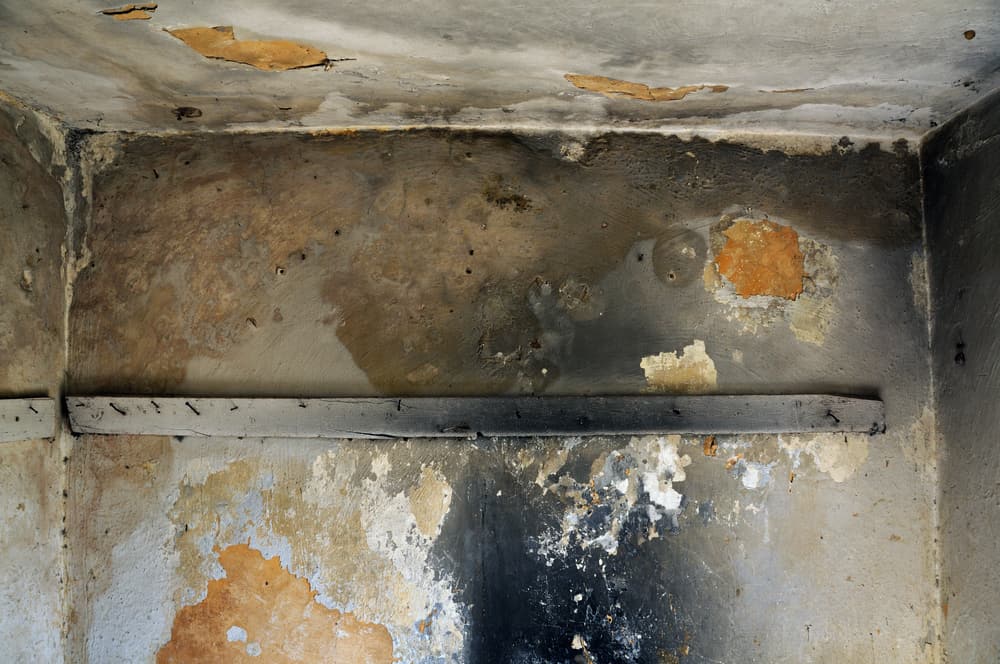
Not all mold is the same, but the honest answer is that any mold growing inside your home is worth taking seriously — especially in Riverhead where moisture conditions make it easy for small problems to become large ones fast. Black mold, which is often associated with toxic mold cleanup, gets the most attention, but other species can cause respiratory irritation, sinus problems, and allergy symptoms even when they look less alarming.
The only way to know what you’re dealing with is a proper assessment by a licensed mold assessor — not a guess based on color. Under New York State Article 32, that assessment has to be conducted by a licensed professional who is separate from whoever does the remediation. That separation exists specifically to protect you. If a company offers to assess and remediate your Riverhead property themselves without involving a separate assessor, that’s a red flag and a legal violation. A real assessment tells you what species are present, how far the growth has spread, and what level of remediation is actually needed.
Most residential mold removal projects in the Riverhead area fall somewhere between $1,500 and $6,000, depending on the size of the affected area, how many surfaces are involved, and whether structural materials like drywall or insulation need to be removed and replaced. Smaller bathroom or isolated basement jobs can come in below that range. Larger projects — whole-basement remediation, attic mold removal across a full roof deck, or post-flood cleanup in a Jamesport or Baiting Hollow waterfront property — can run higher.
What affects cost most is scope, not geography. A concrete block basement wall with surface mold is a different job than mold that has grown behind finished drywall for two seasons. The honest thing to say is that the estimate you get before the job starts should be the number you pay when it’s done. Our customers have specifically noted that our pricing is transparent and there’s no upsell once the crew is on-site. That’s not the norm across the industry, so it’s worth asking any company you call how they handle scope changes and whether the initial estimate is binding.
It depends on what caused the mold. Homeowners insurance typically covers mold remediation when it results directly from a covered peril — a burst pipe, an appliance leak, or storm damage that allowed water into the structure. What it usually does not cover is mold that developed because of long-term moisture issues, deferred maintenance, or flooding — and this is where Riverhead homeowners run into complications.
Riverhead has 510 FEMA flood claims on record in the 11901 ZIP code. Flood damage is covered by flood insurance, not standard homeowners policies. If your basement flooded after a Peconic River event or a storm surge in Wading River and mold followed, you’re likely looking at a flood insurance claim — which has its own documentation requirements and timeline. We coordinate directly with insurance carriers and document the damage in the format adjusters actually need. That documentation step matters more than most people realize, because incomplete records are one of the most common reasons mold claims get underpaid or denied.
Bleach will kill surface mold on non-porous materials like tile or glass. On porous surfaces — wood framing, drywall, insulation, concrete block — it doesn’t penetrate deep enough to reach the root structure of the mold colony. You’ll clean what you can see, and within a few weeks the growth returns, often in the same spot or spreading further because the moisture source was never addressed.
In Riverhead’s older housing stock, where basement walls are frequently concrete block and crawl spaces often have no vapor barrier, surface cleaning is almost never enough. The mold has usually grown into the material itself, not just on top of it. Beyond effectiveness, there’s also the containment issue — disturbing mold without proper containment spreads spores through your HVAC system and into rooms that weren’t affected. Professional remediation uses negative air pressure and HEPA filtration specifically to prevent that from happening. For anything beyond a very small, isolated spot on a hard surface, professional mold removal in Riverhead is the approach that actually solves the problem rather than postponing it.
A straightforward bathroom or small basement job typically takes one to three days from start to finish, including containment setup, removal, and air scrubbing. Larger projects — a full attic remediation, a post-flood basement cleanup in a Calverton ranch, or mold removal across multiple rooms in an older downtown Riverhead property — can take five to seven days or more, depending on drying conditions and the extent of material removal required.
One thing that adds time in Riverhead specifically is the humidity. During summer months, when ambient moisture from Long Island Sound is high, structural drying takes longer than it would in a drier climate or season. Proper drying to IICRC-standard moisture levels before any reconstruction begins is non-negotiable — closing up a wall or ceiling before the framing is fully dry is how mold comes back. The post-remediation clearance test, which is required under New York State Article 32 and conducted by an independent assessor, also adds a step at the end. That test is a good thing — it’s your confirmation that the job was actually completed, not just a verbal assurance.
It’s more common than most people expect, and the geography is a big part of why. The Peconic River runs directly through downtown Riverhead, and properties near the waterfront — in Reeves Park, along the river corridor, and in South Jamesport — deal with elevated groundwater and persistent humidity that keeps foundation walls and crawl spaces damp year-round. On the north shore, homes in Baiting Hollow and Wading River face marine-grade humidity from Long Island Sound that accelerates mold growth on wood framing, insulation, and interior finishes, especially in properties that are closed up for part of the year.
Seasonal properties on the East End are a specific concern. A house that sits vacant from October through April in a high-humidity environment near the water can develop significant mold growth without anyone noticing until the owners return in spring. By that point, what started as a small patch behind a wall has often spread across insulation bays, subfloor sections, or attic decking. If you own a seasonal or part-time property near the water in Riverhead Town — whether in Jamesport, Aquebogue, or along the Sound — a professional mold inspection at the start of each season is genuinely worth the cost. Catching it early is always a smaller job than dealing with it after a full winter of growth.
Useful Links
Other Services we provide in Riverhead