
Hear from Our Customers
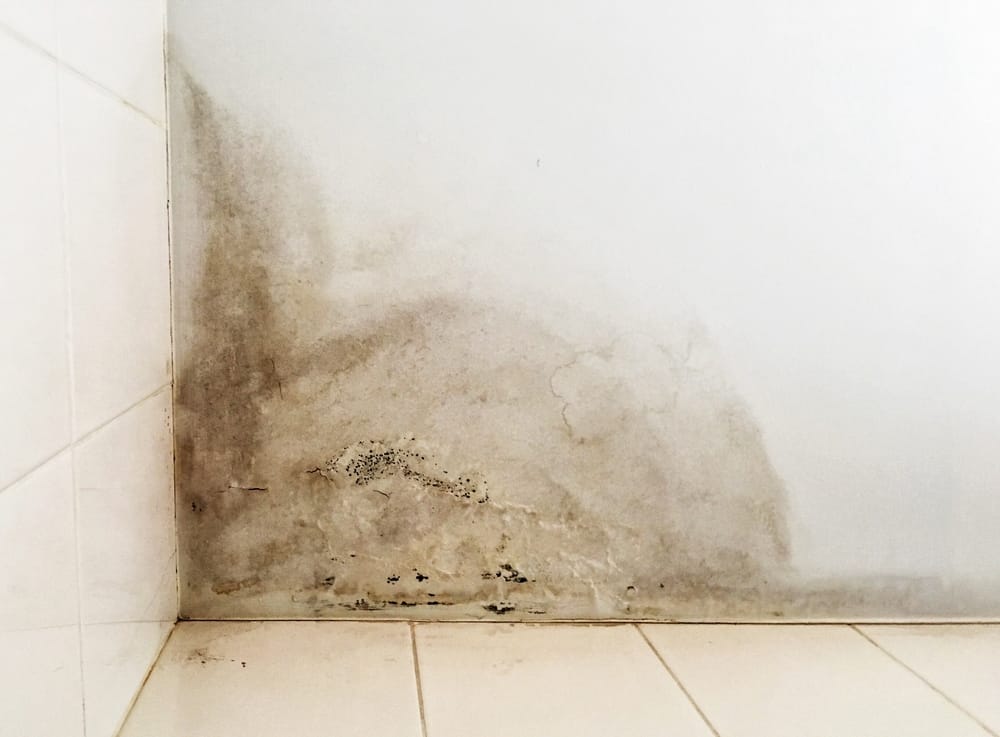
Mold doesn’t just look bad. It moves through your air, settles into your walls, and keeps spreading as long as the moisture feeding it stays put. In Russell Gardens, that moisture problem is real and ongoing. The Great Neck Peninsula sits between Little Neck Bay and Manhasset Bay, and that coastal position keeps ambient humidity elevated year-round — especially in the basements and attic spaces of older homes that weren’t built with modern vapor barriers or ventilation standards.
When professional mold removal in Russell Gardens, NY is done right, the difference is immediate and documented. The air in your home is cleaner. The musty smell is gone. The wall cavity that had been quietly growing a colony behind your plaster is clear, confirmed by lab results — not just someone’s word. Your family isn’t breathing in what was there before.
There’s also the financial side of this. Homes in Russell Gardens carry a median value above $1.5 million. An unresolved mold issue can cut that value by 20 to 37 percent — and half of interested buyers walk away the moment they hear the word mold. Getting ahead of this with certified, documented remediation isn’t just a health decision. It’s a property protection decision that matters enormously in a market like this one.
First Response Restoration and Cleaning Inc. has been handling water damage, mold, and restoration work across Nassau County since before most of today’s competitors opened their doors. That’s not a marketing angle — it’s just the timeline. Thirty-one years of working in North Shore homes, navigating Nassau County regulations, and building a reputation that doesn’t depend on a franchise name behind it.
Every technician who walks into your Russell Gardens home is IICRC-certified. Not just the project manager. Not just the owner. Every single person on the crew. Our standard is unambiguous on this point, and it shows in how the work gets done.
We already have an established history serving the Great Neck Peninsula area, including documented water damage and mold work in Russell Gardens specifically. We understand the housing stock here — the plaster walls, the aging attic ventilation, the older foundations that let coastal moisture in — and we bring that context to every job. That’s the difference between a company that knows this area and one that’s just added your zip code to a service list.
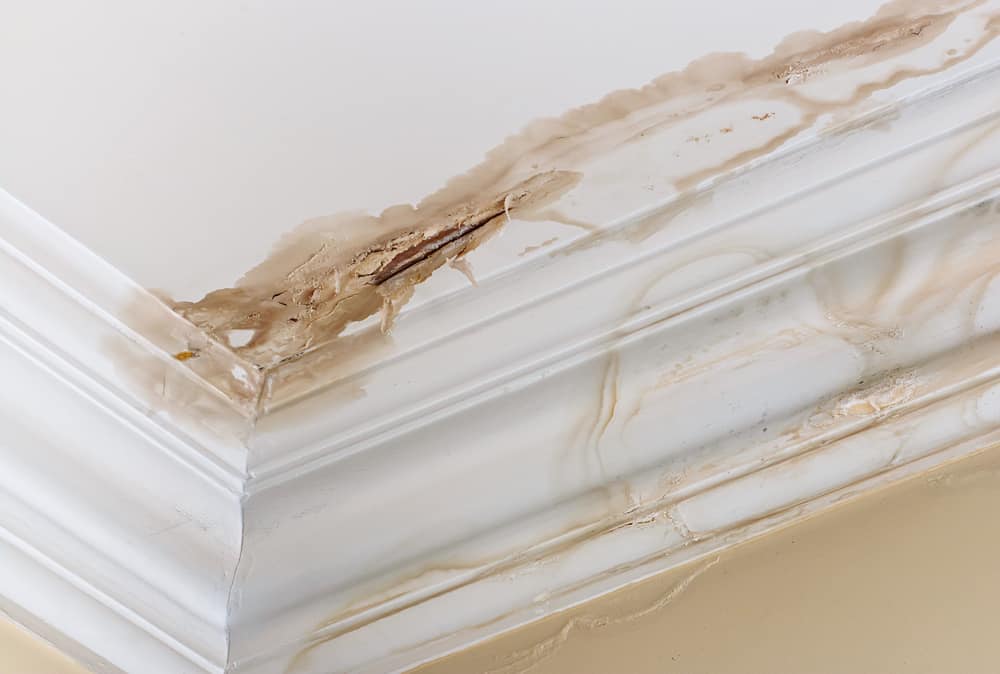
It starts with a five-point inspection. A certified technician does a visual assessment, collects air samples and surface swabs, uses a boroscope to check inside wall cavities without opening your walls, and measures moisture levels throughout the affected areas. For a Russell Gardens home with plaster walls and original millwork, that last part matters — nobody should be swinging a hammer through irreplaceable material before they know exactly what they’re dealing with.
All samples go to an independent lab with chain-of-custody documentation. Results come back within two to three business days. From there, the remediation scope is clearly defined and explained before any work begins. New York State law requires that the company performing mold testing and the company performing remediation be separate licensed entities — we operate in full compliance with this, and we’ll walk you through what that means for your specific situation so there are no surprises.
Once remediation is complete, post-remediation clearance testing confirms the job is done — with lab results to prove it. If the mold event was triggered by water intrusion, which is common in the older foundations and basements throughout Russell Gardens, we handle the water damage restoration side as well. You’re not left with a dry wall and a wet problem waiting to come back.
Ready to get started?
Mold removal in Russell Gardens, NY covers more ground than most homeowners expect going in. Basement mold removal in Russell Gardens is one of the most common calls — older stone and concrete foundations on the Great Neck Peninsula are especially vulnerable to hydrostatic pressure during wet springs and nor’easters, and once water gets in, mold follows within 24 to 48 hours. Attic mold removal in Russell Gardens is equally common, driven by the inadequate ventilation typical of Tudor and Colonial homes built in the 1920s through 1960s, where warm, stagnant air creates the exact conditions mold needs.
We also handle crawl space mold removal in Russell Gardens, bathroom mold removal, and toxic mold cleanup for more serious infestations including black mold removal in Russell Gardens, NY. Every job includes the full inspection protocol, third-party lab analysis, and post-remediation clearance testing. There’s no version of this where you’re handed a bill and told to trust the result.
One practical detail worth knowing: we offer up to $500 toward your insurance deductible — a program no other identified competitor in this market currently offers. If your mold event is tied to a covered water loss, that’s a real offset on your out-of-pocket cost, and our 31 years of working alongside insurance adjusters means your claim documentation will hold up.
Yes, and it’s not a minor factor. Russell Gardens sits on the Great Neck Peninsula, flanked by Little Neck Bay and Manhasset Bay. That geography keeps ambient humidity levels consistently higher than you’d find in inland Nassau County towns like Hicksville or Plainview — and mold thrives in humid environments. When you combine that with the housing stock in Russell Gardens, which skews heavily toward pre-war and mid-century Tudors and Colonials with older foundations and limited attic ventilation, you get a home that’s working against you on multiple fronts.
The practical result is that mold can establish itself faster here than in newer, better-sealed construction. Basements that see seasonal moisture intrusion, attic spaces with inadequate airflow, and crawl spaces without modern vapor barriers are all common in Russell Gardens — and all of them are environments where mold can take hold and spread before you notice it. That’s why early inspection matters, and why the inspection process needs to look inside wall cavities and measure moisture levels throughout the home, not just check the visible surfaces.
The honest answer is that it depends on what’s actually there. Nationally, mold remediation averages around $2,300, with a range from a few hundred dollars for a contained bathroom situation up to $7,000 or more for a larger, more complex job. In Nassau County’s North Shore market — where the cost of living index in Russell Gardens runs about 50 percent above the national average — you should expect costs to trend toward the higher end of that range, particularly for the larger, older homes typical of Russell Gardens.
What drives the cost up is usually scope: how much surface area is affected, whether the mold has penetrated wall cavities or structural framing, and whether there’s associated water damage that needs to be addressed at the same time. A job that looks like a bathroom ceiling issue can sometimes reveal a larger attic or wall cavity problem once the inspection goes deeper. That’s why the five-point inspection process matters — it gives you an accurate picture before anyone commits to a scope of work or a price. We also offer up to $500 toward your insurance deductible if the mold event is tied to a covered loss, which can meaningfully reduce your out-of-pocket cost.
It can, and it does — though the dynamics are a little different than with modern drywall. Plaster itself is not as mold-friendly as the paper facing on drywall, but the wood lath behind the plaster absolutely is. If moisture gets into a wall cavity — from a slow pipe leak, from condensation cycling in an inadequately ventilated wall, or from water intrusion through an aging foundation — the wood lath and any organic debris in that cavity can sustain mold growth without any visible sign on the surface.
This is one of the reasons the boroscopic wall cavity examination is so important in homes like those found in Russell Gardens. Rather than opening the wall to find out what’s inside, a small camera is used to look into the cavity and assess what’s there. Combined with air sampling — which can detect elevated mold spore counts even when there’s no visible growth — this approach gives you a real picture of what’s happening inside the wall without unnecessary damage to the architectural character of your home. In a village where the plaster walls and original millwork are part of what makes these homes worth $1.5 million or more, that matters.
New York State has one of the strongest consumer protection frameworks for mold work in the country, and it’s worth understanding before you hire anyone. State law requires that the company performing mold assessment and testing be a separately licensed entity from the company performing the actual remediation. The same contractor cannot do both on the same property. This rule exists to prevent a conflict of interest — you don’t want the person telling you how bad the problem is to also be the one who profits from a larger remediation scope.
In practice, this means your process will involve two licensed parties: one to inspect and test, one to remediate. We operate in full compliance with this framework and will explain how it applies to your specific situation. If you’ve already had an independent assessment done, we can work from that documentation. If you’re starting from scratch, we’ll walk you through how to structure the process correctly so your results hold up — whether you’re filing an insurance claim, disclosing to a buyer, or simply documenting that your home is clean.
It depends on what caused the mold, and insurers in New York are fairly specific about this. If the mold resulted from a sudden, covered water event — a burst pipe, a storm that drove water through your roof, a failed sump pump during a nor’easter — there’s a reasonable chance your policy covers at least part of the remediation. If the mold is the result of long-term moisture buildup from inadequate attic ventilation or gradual foundation seepage, most policies will not cover it, classifying it as a maintenance issue rather than a covered loss.
Attic mold in older Russell Gardens homes often falls into a gray area, because the underlying cause — poor ventilation in a Tudor or Colonial built decades before modern building codes — is chronic rather than acute. The key is documentation. A properly documented inspection with chain-of-custody lab results gives your insurance adjuster the evidence they need to evaluate the claim accurately. We have 31 years of experience working alongside adjusters and know how to present mold damage documentation in a way that supports your claim rather than complicating it. The $500 deductible assistance program is also available for qualifying jobs, which helps regardless of how the insurance conversation goes.
You shouldn’t have to take anyone’s word for it — and with us, you don’t have to. Post-remediation clearance testing is a standard part of the process. After the remediation work is complete, air samples and surface swabs are collected from the treated areas and submitted to the same independent lab used during the initial inspection. The results either confirm that mold levels are within acceptable limits, or they don’t — and if they don’t, the job isn’t finished.
This matters especially in Russell Gardens, where many homes have complex wall assemblies, older attic spaces with multiple framing layers, and crawl spaces that are difficult to access and inspect visually. A surface-level clean can look complete without actually addressing what’s in the wall cavity or behind the insulation. The lab results give you a documented, third-party confirmation that the air quality in your home meets safe standards — not a handshake and an invoice. That documentation also has real value if you’re selling your home, filing an insurance claim, or simply want a record that the problem was resolved correctly the first time.
Useful Links
Other Services we provide in Russell Gardens