
Hear from Our Customers
The air in your home feels different. You stop second-guessing what’s behind the walls. Your family stops dealing with the headaches, the congestion, the symptoms that never quite made sense until now. That’s what a proper mold removal in South Floral Park, NY actually delivers — not just a clean surface, but a home you can breathe in again.
Most homes in the 11001 ZIP code were built between the 1920s and 1960s. That era of construction didn’t include vapor barriers, modern ventilation standards, or moisture-resistant materials. What it did include were concrete block foundations that let groundwater in slowly, attics without proper ridge and soffit ventilation, and crawl spaces that were never designed to stay dry. When those structural realities meet South Floral Park’s position in the Hook Creek Watershed — a drainage basin that pushes groundwater levels up during nor’easters and heavy rain events — moisture intrusion becomes less of a surprise and more of an inevitability.
Getting the mold out means your property value stops being at risk. Homes with known mold issues can lose 20% to 37% of their resale value, and half of all buyers walk away the moment mold comes up in an inspection. Addressing it now, with lab-confirmed clearance documentation, protects what you’ve built — and gives you paperwork that holds up with your insurance company, your real estate attorney, and any future buyer who asks.
We’ve been serving Nassau and Suffolk Counties since the early 1990s. That’s over three decades of mold remediation, water damage restoration, and emergency response work on Long Island — long before most of the companies showing up in your search results existed.
South Floral Park is already part of our service area. We know the housing stock in western Nassau. We know what happens to older foundations when groundwater rises in the Floral Park and Elmont area after a major storm. We know how mold hides in the attic framing of homes that were built before anyone thought about ridge ventilation. That kind of local familiarity doesn’t come from a franchise manual — it comes from doing this work here, for this long.
Every technician on our team holds IICRC certification. Not just the owner. Not just the crew leads. Every single person who walks into your South Floral Park home. That’s a standard we set for ourselves because anything less isn’t acceptable — and because you deserve to know exactly who’s doing the work.
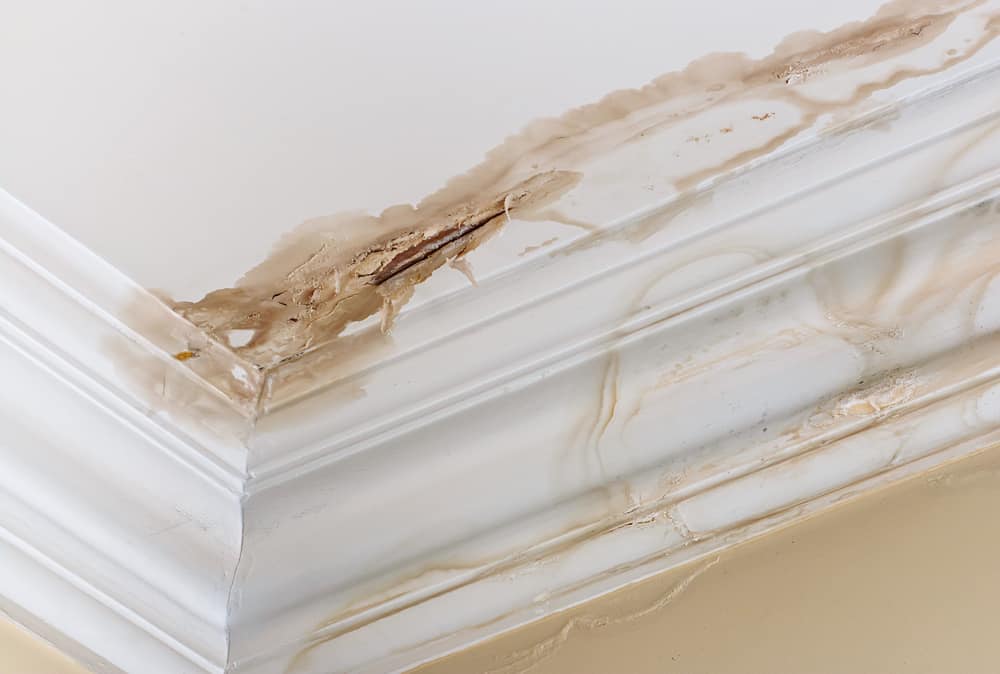
It starts with a thorough inspection — not a flashlight walk-through, but a five-point protocol that includes air sampling, surface swab sampling, moisture level measurement, boroscopic examination inside wall cavities, and identification of the water intrusion point. In South Floral Park’s older homes, that last step is critical. Removing mold without finding where the moisture is coming from means it comes back. We don’t let that happen.
Once we know what we’re dealing with, we contain the affected area to prevent spores from spreading through the rest of your home during remediation. New York State law requires that mold assessment and mold remediation be handled by separately licensed parties — the same company cannot legally do both on the same job. We operate in full compliance with NYS Department of Labor licensing requirements, so your remediation is protected under state law and your insurance claim documentation will hold up.
After the work is done, post-remediation clearance testing confirms that mold levels have returned to safe levels — with the same lab analysis used during the initial inspection. You get a chain-of-custody document that meets legal evidence standards. Results come back within two to three business days. That’s not a verbal assurance — it’s paperwork you can use.
Ready to get started?
Mold removal in South Floral Park, NY isn’t a single-step service — it’s a complete process that addresses the mold you can see, the mold you can’t, and the moisture condition that made both possible. Basement mold removal, attic mold removal, crawl space mold removal, bathroom mold removal — these aren’t separate specialties. They’re all part of what we handle, and they’re all common in the older residential housing stock that makes up this entire village.
Because South Floral Park is entirely residential — there’s no commercial zoning anywhere within the village — every job we do here is in someone’s home. We treat it accordingly. Equipment is cleaned and sanitized between jobs. Technicians work in appropriate protective gear. The scope of work is explained before anything starts, and you get a written contract before we touch a thing.
We also work directly with homeowners navigating insurance claims. Mold events in Nassau County frequently follow water damage — a sump pump failure during a power outage, a pipe burst, a basement flood after a storm. We document everything in a way that supports your claim, and we offer up to $500 toward your out-of-pocket deductible for qualifying water, mold, or fire-related losses. If you’re dealing with both water damage and mold at the same time, one call handles both. That’s the full-service model — and it’s what 31 years of doing this looks like.
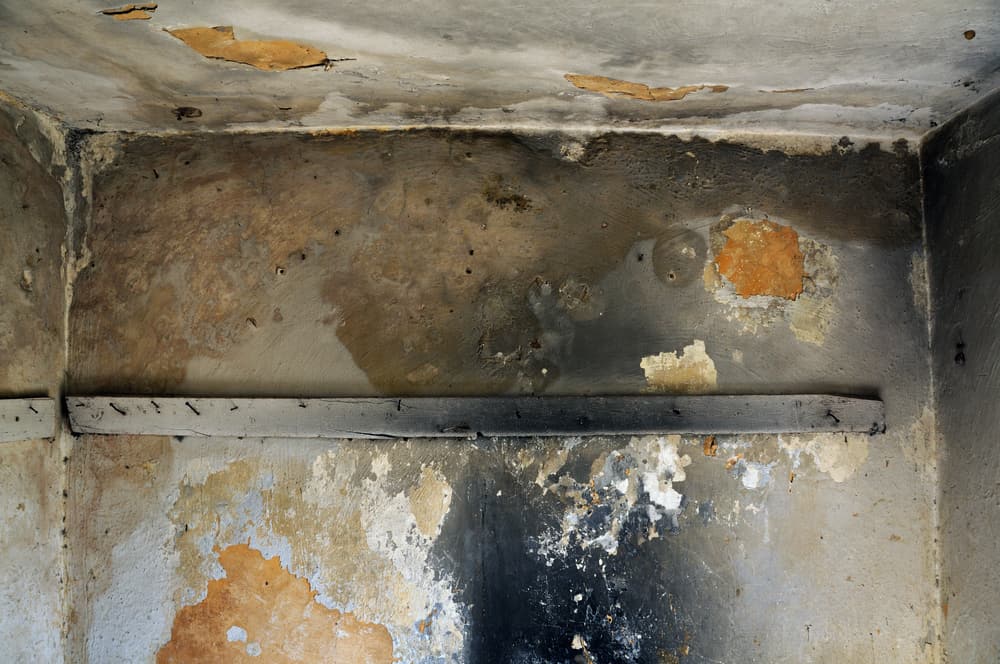
Faster than most people expect. Mold can begin colonizing wet materials within 24 to 48 hours of water intrusion — which means a basement flood on a Friday night can have active mold growth by Sunday morning if nothing is done. In South Floral Park, where homes sit within the Hook Creek Watershed and many basements are built with older concrete block foundations that absorb groundwater slowly, that window matters enormously.
The materials most at risk are the ones that absorb moisture and hold it: drywall, wood framing, carpet, insulation, and stored belongings. Once mold establishes itself in porous material, surface cleaning won’t eliminate it. The roots go deeper than what you can see. That’s why response time is the single biggest factor in how extensive — and how expensive — a mold remediation job ends up being. If you’ve had water in your home, don’t wait to see if mold develops. Call while you still have a smaller problem.
The actual cost depends on the size of the affected area, where the mold is located, and how far it’s spread into structural materials. Standard areas typically run $10 to $25 per square foot. Attics, crawl spaces, and basements — the most common problem zones in South Floral Park’s older housing stock — tend to run $15 to $30 per square foot because of access difficulty and the extent of contamination that often develops in those spaces over time.
The most important cost factor is how long the mold has been there. A small, recently discovered moisture issue is significantly less expensive to address than mold that’s been growing inside a wall cavity for two or three seasons. In a community with homes built 60 to 100 years ago where moisture intrusion is a recurring reality, early detection is the most effective cost-control tool available to you. We also offer up to $500 toward your deductible for qualifying insurance claims, which can meaningfully offset your out-of-pocket cost when the damage follows a covered water event.
It depends on what caused the mold. Most standard homeowners insurance policies in New York will cover mold remediation when it results directly from a covered peril — a burst pipe, a sump pump failure, or storm-related flooding that was sudden and accidental. What they typically won’t cover is mold that developed gradually due to long-term moisture intrusion or deferred maintenance. The distinction matters, and insurance adjusters look closely at the timeline.
In Nassau County, where many mold events follow storm damage or sump pump failures during power outages, the covered-peril scenario is actually quite common. The key is documentation. Your insurance company needs to see a clear record of when the water damage occurred, what it affected, and how the mold developed as a direct result. That’s exactly what our inspection and remediation process produces — chain-of-custody lab documentation, air and surface sample results, and a written scope of work that gives your adjuster what they need to process the claim. We work with homeowners through that process, not around it.
No — and this is one of the most important things to understand before you hire anyone for mold work in South Floral Park or anywhere else in New York State. Under NYS Department of Labor regulations, mold assessment (testing and inspection) and mold remediation must be performed by separately licensed entities. The same company cannot legally do both on the same property under the same contract. This rule exists specifically to protect homeowners from conflicts of interest — a company that both diagnoses and treats the problem has a financial incentive to find more mold than is actually there.
If a company offers to test your home and remediate it in the same scope of work under one license, they are operating outside New York State law. That matters not just legally but practically: if your insurance company or a future buyer’s attorney reviews the work, unlicensed or improperly structured remediation can create serious complications. Make sure any company you hire for mold work in Nassau County can show you their separate mold assessment and mold remediation licenses before the job starts.
Yes, and it’s one of the most frequently missed mold problems in western Nassau County’s older housing stock. Attic mold in homes built before the 1970s typically develops because of inadequate ventilation — specifically, the absence of proper ridge and soffit venting that modern construction requires. Without that airflow, warm moist air from the living space below rises into the attic and condenses on cold roof sheathing and rafters during fall and winter. That condensation creates exactly the damp, organic surface mold needs to grow.
The problem is that attic mold is often invisible from inside the home. There’s no musty smell in the living room, no visible discoloration on the ceiling — just a slow-building infestation on the underside of the roof deck that goes undetected until a home inspection or a roof repair uncovers it. In South Floral Park, where the majority of homes were built between the 1920s and 1960s, attic mold is a legitimate and common risk. Our inspection protocol includes attic assessment as a standard component — not an add-on — because in this housing stock, skipping it means missing one of the most likely places mold is actually hiding.
You shouldn’t have to take anyone’s word for it. Post-remediation clearance testing is the only way to confirm that mold levels in your home have returned to safe, normal background levels — and it’s a standard part of how we close out every job. After remediation is complete, we conduct air sampling and surface sampling in the treated areas using the same laboratory analysis used during the initial inspection. Results come back within two to three business days, and the documentation follows a chain-of-custody standard that holds up in legal, insurance, and real estate contexts.
This matters in South Floral Park specifically because the moisture conditions that caused the mold in the first place — older foundations, watershed drainage patterns, aging ventilation systems — don’t disappear after a single remediation job. Clearance documentation gives you a verified baseline. If moisture intrusion happens again in the future, you have a documented record of what the home looked like after a confirmed clean remediation. That’s useful for insurance purposes, for real estate disclosure, and for your own peace of mind in a home where you and your family are living every day.
Useful Links
Other Services we provide in South Floral Park