
Hear from Our Customers
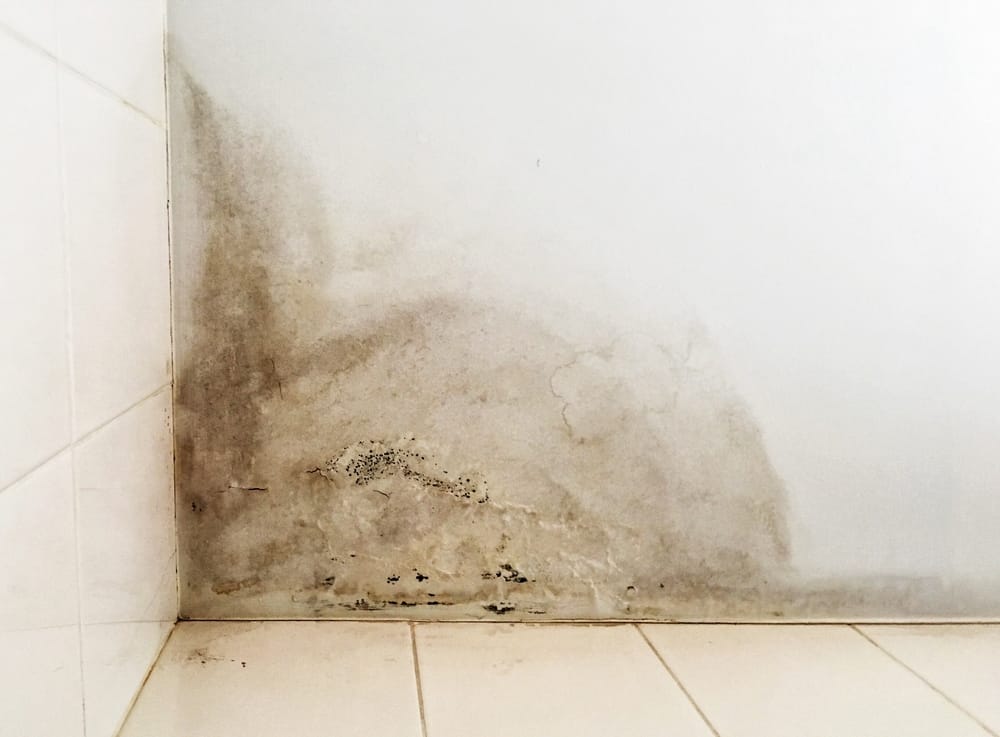
Mold doesn’t announce itself. It hides behind drywall, under flooring, inside the walls of pre-war apartment buildings that were never designed to handle today’s storm intensity. By the time you smell it — or someone in your household starts coughing more than usual — it’s already been growing for a while.
What changes after professional mold removal in Tuckahoe, NY isn’t just the smell. It’s the air quality. It’s knowing your kids aren’t breathing in spores every night. It’s not watching a problem you tried to bleach away come back two months later because the source was never actually addressed.
Tuckahoe’s location along the Bronx River creates real, recurring flood risk — and the village’s dense stock of older buildings means moisture has more places to hide. Basements that flooded during a nor’easter, attics with inadequate ventilation, bathroom walls shared across multiple units — these aren’t hypothetical scenarios here. They’re the calls we get. When the remediation is done correctly, with containment, source elimination, and post-clearance testing, you get a result that holds.
First Response Restoration and Cleaning Inc. has been handling mold remediation across the New York metropolitan area for over three decades. That’s not a number we throw around lightly — it means we’ve worked through every type of water intrusion, every kind of building, and every variation of mold problem that Westchester County weather can create.
We’re IICRC-certified and fully licensed under New York State Article 32 — the law that’s required all mold remediation contractors to be licensed since 2016. That matters because unlicensed work in New York isn’t just risky, it’s illegal, and it can void your insurance claim before you even file it.
Tuckahoe’s mix of pre-war apartment buildings, high-density housing, and Bronx River-adjacent terrain is something we understand intimately. We’ve seen what happens when a building floods and the moisture isn’t fully extracted. We know how to find it, contain it, and clear it — with documentation that protects you whether you’re a homeowner, a renter pushing a landlord to act, or a property manager with legal obligations to meet.
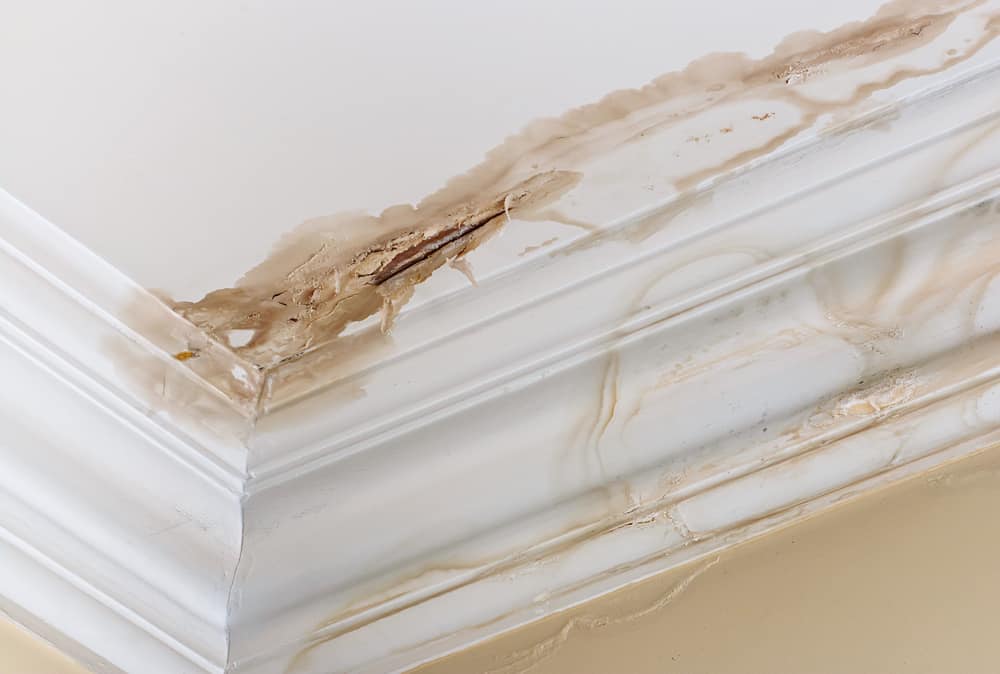
It starts with a thorough inspection — not a glance around the room, but a real assessment using moisture sensors and air testing equipment to find where the problem actually is. In Tuckahoe’s older building stock, that often means checking inside walls, under flooring, and in attic spaces where condensation builds up over a winter season without anyone noticing.
Once we know the full scope, we build a remediation plan as required under New York State Article 32. Containment goes up before any physical removal begins — negative air pressure keeps spores from spreading into unaffected areas of your home or building. Then we remove the affected materials, treat the surfaces, and run HEPA air scrubbers to capture what’s airborne. This isn’t a spray-and-wipe situation. It’s a methodical process because mold in a multifamily building, or a basement that’s flooded more than once, requires more than a surface fix.
After the work is done, a licensed mold assessor — separate from our remediation team, as New York law requires — conducts post-clearance testing to confirm the space is clean. You get documentation. You get results you can verify. And if you’re working through an insurance claim, we coordinate directly with your carrier so that piece doesn’t fall entirely on you.
Ready to get started?
Mold removal in Tuckahoe, NY covers more ground than most people expect going in. Basement mold removal is the most common call we get here — Tuckahoe’s low-lying terrain near the Bronx River means groundwater and storm intrusion hit basements first and hardest. But attic mold removal is just as common in the village’s older single-family homes, where inadequate ventilation lets winter condensation accumulate on roof decking and rafters until the problem becomes visible — usually long after it should have been caught.
Bathroom mold removal comes up frequently in Tuckahoe’s multifamily buildings, where shared plumbing stacks and poor ventilation create persistent moisture conditions across multiple units. Crawl space mold removal, toxic mold cleanup, and full residential mold removal are all part of what we handle — and for property managers overseeing rental buildings in the village, commercial mold removal with proper documentation is something we’re set up to deliver.
Every job is covered under our NY State Article 32 license, performed by IICRC-certified technicians, and closed with independent post-remediation clearance testing. Pricing is given upfront, in writing, before work begins — and what we quote is what you pay. No add-ons discovered mid-job, no pressure to expand the scope beyond what’s actually needed.
Faster than most people expect. Mold can begin colonizing wet materials within 24 to 72 hours of a water intrusion event — which means if your basement took on water during a Bronx River flood event or a heavy nor’easter, the window to act before mold establishes itself is very short.
The problem with waiting is that what starts as a moisture issue in a Tuckahoe basement becomes a mold issue inside the walls, under the flooring, and in the framing before you can see it from the surface. By the time there’s a visible colony or a noticeable smell, the growth has usually already spread beyond what’s visible. Calling for professional assessment immediately after any water intrusion — not after the floor dries — is the single most effective thing you can do to keep the scope and the cost manageable.
It depends on the cause, and the documentation you have to support the claim. Most homeowners insurance policies in New York will cover mold remediation when it results directly from a covered peril — a burst pipe, a roof leak from storm damage, or water intrusion tied to a specific weather event. What they typically won’t cover is mold that developed from long-term neglect or a slow leak that went unaddressed.
In Tuckahoe, where flooding from the Bronx River corridor and storm-driven water intrusion are documented recurring events, having a clear paper trail matters. That means a licensed mold assessor’s report, a remediation plan, and post-clearance documentation — all of which are required under New York State Article 32 anyway. We work directly with insurance carriers on documentation and communication, which takes a significant burden off your plate during an already stressful situation.
These terms get used interchangeably, but there’s a real distinction worth understanding. “Mold removal” technically implies physically taking mold out — which is accurate for non-porous surfaces. But mold remediation is the broader, more complete process: it includes containment to prevent spread, physical removal of affected materials, treatment of surfaces, air filtration to capture airborne spores, and post-clearance testing to confirm the space is clean. Remediation addresses the problem. Simple removal often just addresses what’s visible.
In Tuckahoe’s older housing stock — pre-war apartment buildings, mid-century homes with limited vapor barriers — mold rarely stays on the surface. It gets into plaster, wood framing, and insulation. A surface-level cleaning doesn’t solve that. Full remediation, done to IICRC standards and documented under New York’s Article 32 requirements, is what actually resolves the problem and keeps it from returning in the same spot.
Yes — and this is one of the most important things to verify before you hire anyone. New York State Article 32 of the Labor Law has required all mold remediation contractors to hold a valid state license since January 1, 2016. Any contractor performing mold remediation work on a project covering 10 square feet or more without that license is operating illegally in New York.
Beyond the legal issue, hiring an unlicensed contractor puts you at real risk. Insurance carriers can deny claims for remediation work performed by unlicensed contractors. Without a licensed mold assessor producing the required remediation plan before work begins — and conducting independent post-clearance testing after — you have no verified proof that the mold was actually eliminated. For Tuckahoe property managers dealing with tenant complaints or housing code scrutiny, that documentation gap can become a serious liability. Always ask for the contractor’s NY State mold remediation license number before any work starts.
The honest answer is that it varies based on scope, location within the building, and how far the mold has spread before it’s caught. In general, residential mold remediation in the Westchester County area runs anywhere from $1,500 to $6,000 for basement mold removal, $1,000 to $4,000 for attic mold removal, and smaller contained areas like bathrooms can fall in the $500 to $1,500 range. Larger or more complex projects — whole-building remediation in a multifamily structure, for example — can go higher.
What affects cost most in Tuckahoe specifically is the age and construction type of the building. Pre-war buildings with plaster walls, older framing, and limited access points often require more careful, labor-intensive removal than newer construction. Getting a thorough inspection before any work begins is the only way to get an accurate number — and any contractor quoting you a firm price without first assessing the full extent of the moisture and mold is guessing. We provide written estimates before work starts, and we don’t adjust that number mid-job without a clear conversation first.
In most cases, yes. New York’s housing maintenance code requires landlords to maintain rental units in a habitable condition, and mold that affects air quality or results from building-related water intrusion — a leaking roof, a plumbing failure, inadequate ventilation — generally falls under that obligation. Tenants in Tuckahoe who report mold conditions to their landlord and don’t see action taken have recourse through housing court and local code enforcement.
For landlords and property managers, the smarter path is documentation and prompt remediation. A mold complaint that’s ignored can escalate into housing court proceedings, regulatory inspections, and real legal exposure. Working with a licensed mold remediation contractor who produces the required Article 32 documentation — remediation plan, licensed contractor, post-clearance testing — creates a defensible record that the problem was identified and properly resolved. That paper trail protects both sides, and it’s the standard we hold every job to regardless of whether it’s a single-family home or a Tuckahoe multifamily building with a dozen units.
Useful Links
Other Services we provide in Tuckahoe