
Hear from Our Customers
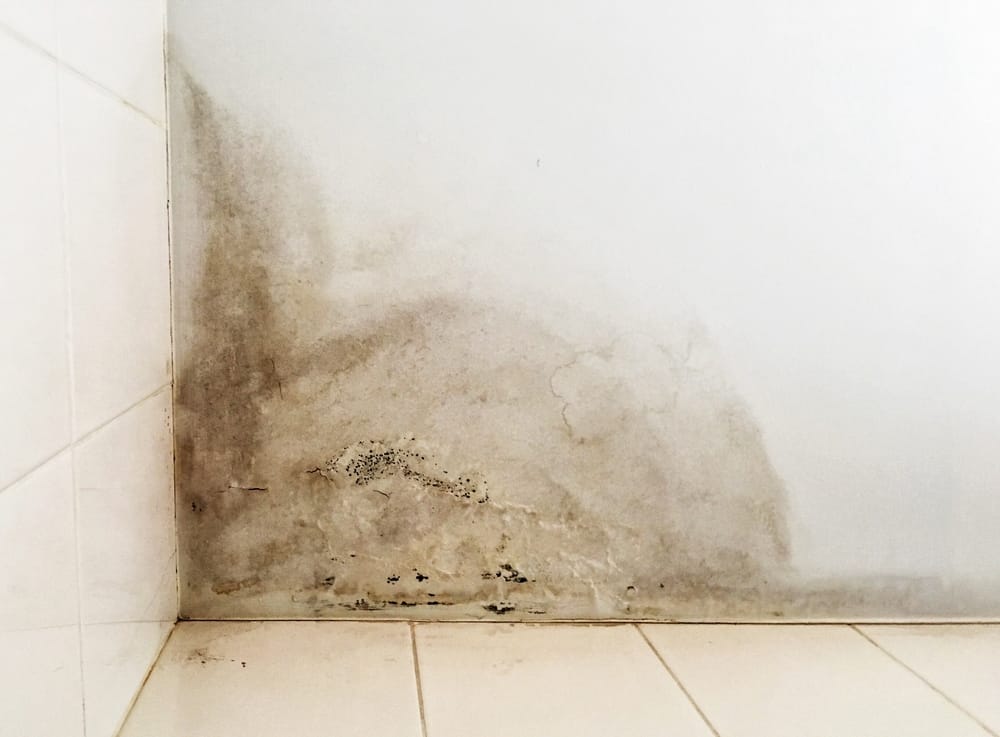
The air feels different. Not in a vague, hard-to-describe way — in a real, measurable way. No more musty smell coming up from the basement. No more mystery headaches. No more finding dark spots creeping along the corner of a bathroom wall and wondering how far back it goes.
That matters more in West Sayville than people outside this community might realize. The Great South Bay keeps this hamlet humid across all four seasons. Summer bay air pushes indoor moisture levels into the range where mold thrives. Winter brings condensation into attic spaces — especially in Cape Cods, where warm interior air rises into cold, under-ventilated attic cavities and quietly colonizes roof sheathing before anyone notices. These aren’t abstract risks. They’re what happens in homes on this stretch of the South Shore.
When mold removal is done right — not sprayed over, not painted around, but fully remediated to the source — you get your home back. You stop worrying about what’s behind the drywall. You stop second-guessing the air your kids are breathing. And if you’re thinking about selling, you’re not walking into a home inspection with a problem you’ve been hoping no one finds.
We’ve been serving Suffolk County homeowners since the early 1990s. That’s not a marketing number — it’s the kind of track record that only survives in a word-of-mouth community like West Sayville if the work is actually done right.
We’re IICRC-certified and fully licensed under New York State’s Article 32 mold remediation law — the same law that makes it illegal for unlicensed contractors to perform paid mold work in this state. That distinction matters, because when you search for mold removal near West Sayville or Oakdale, you’ll find pages that look local but carry Arizona or Texas phone numbers. We’re a real Long Island company with a dedicated Suffolk County line and technicians who know this area.
From the waterfront blocks near the Long Island Maritime Museum to the neighborhoods north of Montauk Highway, this is the community we’ve been working in for three decades. We know the housing stock, the seasonal conditions, and what it takes to do this job correctly in a coastal South Shore environment.
It starts with a thorough inspection. Before anything is touched, we use moisture sensors and air sampling equipment to find where the mold is — including where it isn’t visible. In West Sayville’s older homes, that often means checking attic sheathing, crawl space framing, and basement walls where ground moisture has been migrating for years without anyone realizing it.
Once the scope is clear, we establish containment. Negative air machines and plastic barriers keep spores from spreading to unaffected areas of your home while work is underway. Then the actual remediation begins — physically removing mold-affected materials, treating structural surfaces, and using HEPA filtration to capture airborne spores. This is not a bleach-and-wipe job. Mold has a root system that lives inside porous materials, and surface cleaning leaves it intact.
After remediation, we dry the space completely and address the moisture source — because without fixing what caused the mold, it will come back. If your job involves structural material removal, such as drywall or roof sheathing, the Town of Islip may require building permits for that portion of the work, and we’ll walk you through what applies to your situation. From start to finish, you’ll know what’s happening and why.
Ready to get started?
West Sayville isn’t an inland community with a generic mold problem. It’s a waterfront hamlet on the Great South Bay where tidal humidity, seasonal flooding, and decades-old housing construction all work against you at the same time. The mold removal work we do here reflects that reality.
Basement mold removal in West Sayville typically involves ground moisture intrusion — especially in the spring when the water table rises and older slab or crawl space foundations let moisture in. Attic mold removal is one of the most common calls we get from Cape Cod homeowners in this area, where condensation builds on roof sheathing through the winter months and goes undetected until it’s covered a significant portion of the attic. Bathroom mold removal, crawl space mold cleanup, and post-flooding mold remediation after nor’easters or storm surge events round out the bulk of what we handle here.
Every job includes a written estimate before work begins, direct insurance coordination if your damage is covered, and a final walkthrough so you can see exactly what we did. The price we quote is the price you pay — no additions discovered mid-job, no pressure to expand the scope beyond what’s needed. For a community where neighbors talk, that consistency is what keeps us getting called back.
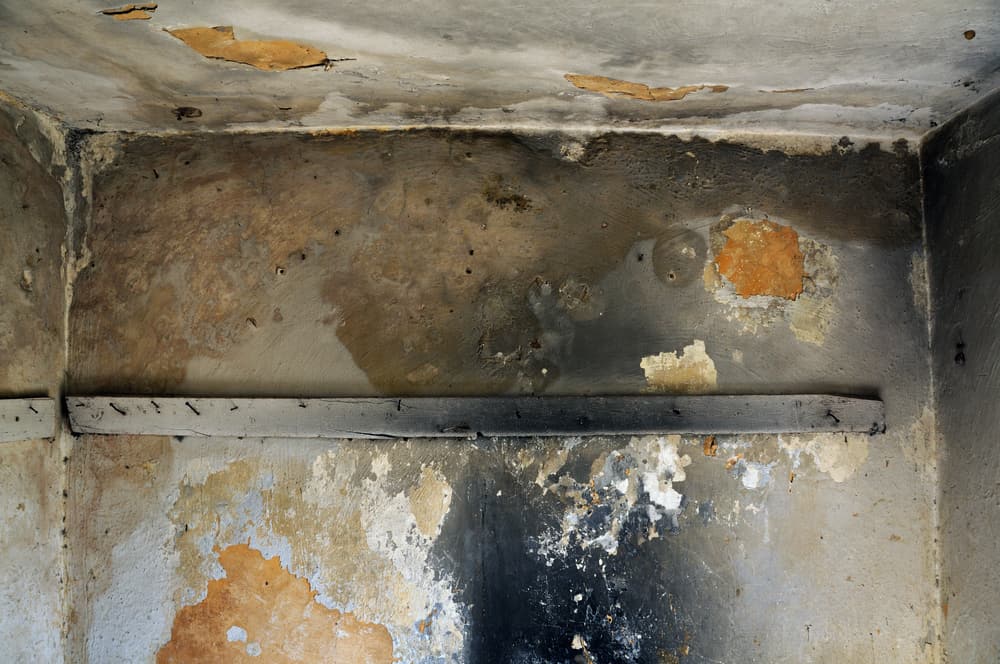
You’re not overreacting — and yes, it’s genuinely common here. West Sayville sits directly on the Great South Bay, which means the community deals with coastal humidity at a level that most inland Long Island towns don’t. That persistent moisture, combined with a housing stock that’s largely made up of Cape Cods and ranch-style homes built in the 1940s through 1960s, creates conditions where mold can develop quietly for years before it becomes visible.
These older homes were built before modern vapor barriers and current ventilation standards existed. That means moisture has been migrating through wall cavities, attic spaces, and crawl space framing for decades in many cases. Add in the occasional storm surge from the bay, the spring groundwater rise, and the summer humidity cycle — and mold isn’t a fringe concern in West Sayville. It’s a realistic risk for most homeowners in this hamlet. Getting a professional assessment is the right call, not an overreaction.
The range is wide because the scope varies significantly depending on where the mold is and how far it’s spread. For most residential mold removal jobs, you’re generally looking at somewhere between $1,200 and $6,000. Attic mold removal in West Sayville — which is one of the more common jobs in this area due to the Cape Cod housing stock — typically runs $1,000 to $4,000. Basement or crawl space mold removal tends to fall in the $1,500 to $6,000 range depending on the extent of the moisture damage and how much structural material needs to come out.
What affects the final number most is whether the moisture source has been addressed, how much affected material needs to be physically removed, and whether any structural repairs are required afterward. We provide a written estimate before any work begins, and that number doesn’t change mid-job without your explicit approval. If your situation involves a covered water damage event — a burst pipe, storm surge, or roof leak — we’ll coordinate directly with your insurance carrier to document the damage properly from the start.
Cleaning mold off a surface — wiping it with bleach, painting over it, or spraying a store-bought product on it — addresses what you can see. It does not address what’s underneath. Mold grows into porous materials like wood framing, drywall, and insulation using a root system called hyphae. If you clean the surface without removing the affected material, the mold is still alive and will continue growing. In most cases, it will reappear within weeks or months.
Professional mold remediation means physically removing the mold-affected materials, treating the underlying structure, and using HEPA filtration to capture airborne spores during the process. It also means identifying and correcting the moisture source — because mold is always a symptom of a water problem, and without fixing that, remediation is temporary at best. In West Sayville’s older homes, where moisture has often been present for years inside wall cavities and attic spaces, this distinction is especially important. Surface cleaning is not a solution for a structural mold problem.
It depends on what caused the mold. Most standard homeowners insurance policies in New York will cover mold remediation if it’s a direct result of a covered water damage event — a burst pipe, a roof leak from a storm, or water intrusion from a nor’easter. What policies typically don’t cover is mold that resulted from long-term neglect, gradual moisture buildup, or flooding from an external water source like the Great South Bay, which generally requires separate flood insurance coverage.
Given West Sayville’s history with storm surge events — including the significant flooding that affected South Shore communities during Hurricane Sandy in 2012 — many homeowners here carry both homeowners and flood insurance. If you experienced flooding during a storm event and developed mold afterward, the coverage question depends on which policy applies to the water source. We document the damage thoroughly from the start of every job and work directly with insurance carriers to give you the best chance of a successful claim. It’s worth making that call before you assume you’re paying out of pocket.
Faster than most people expect. Under the right conditions — and in West Sayville’s humid coastal environment, the conditions are often right — mold can begin colonizing a wet surface within 24 to 48 hours of water intrusion. Within 72 hours, it can spread significantly through porous materials. By the time a week has passed without professional drying and remediation, what started as a localized water damage event can become a mold problem affecting multiple rooms, structural framing, and HVAC systems.
This is why the response window matters so much in a coastal community like West Sayville. When a nor’easter pushes bay water into a basement, or a pipe fails during a freeze-thaw cycle in late winter, the clock starts immediately. Waiting a few days to call — or calling a company that can’t dispatch quickly — can be the difference between a manageable remediation job and a significantly larger, more expensive problem. We operate 24 hours a day, seven days a week, specifically because water damage and the mold that follows it don’t wait for business hours.
This is worth asking carefully, because not every company that appears in a West Sayville search result is actually a local operator. During research into this area, several results turned out to be out-of-state lead generation websites — pages with West Sayville in the title but phone numbers with Arizona and Texas area codes, and in at least one case, the wrong ZIP code listed for the town entirely. These are not companies that will send a technician to your home. They collect your information and sell it.
A legitimate mold remediation company serving West Sayville should be able to show you a New York State mold remediation license issued under Article 32 of the NY Labor Law — a requirement that’s been in effect since 2016. They should also carry IICRC certification, full liability insurance, and bonding. Ask for all of it before anyone starts work. We hold every one of these credentials and will provide documentation without hesitation. We’ve been operating as a real Long Island company with a Suffolk County phone line for over 31 years — that’s not something a lead farm can replicate.
Useful Links
Other Services we provide in West Sayville