
Hear from Our Customers
The air in your home feels different. Not stuffy, not musty — just clean. That might sound like a small thing, but when you’ve been living with mold in your basement or attic, even without realizing it, the difference is immediate. Your family stops dealing with the sinus issues and the lingering headaches. You stop wondering what’s behind the walls.
For Westhampton homeowners specifically, that relief comes with an extra layer of peace of mind. A lot of homes here were built in the 1950s and 60s — before moisture barriers were standard — and they’ve been breathing in coastal humidity for decades. Combine that with Moriches Bay to the north and the Atlantic to the south, and you’ve got ambient moisture levels that most inland homes never deal with. Mold doesn’t need much to get started in that environment, and once it does, it spreads faster than most people expect.
Getting it properly removed — not just surface-treated — means you’re not dealing with it again in six months. It also means you have the documentation you need for insurance, for a real estate transaction, or just for your own confidence that the job was done right. That’s what a complete mold removal in Westhampton, NY actually delivers.
We’ve been serving Suffolk County homeowners since the early 1990s. That’s not a marketing number — it’s a track record built on showing up, doing the work correctly, and standing behind it. Companies that cut corners don’t last three decades in a market where reputation travels fast.
Westhampton is part of the area we know well. The South Shore’s older housing stock, the seasonal property cycles along Dune Road and the surrounding neighborhoods, the post-storm calls that come in after a nor’easter pushes water into crawl spaces and basements — we’ve handled all of it. Our technicians are IICRC-certified and fully licensed under New York State’s Article 32 mold remediation requirements, which have been mandatory since 2016.
You get one company that handles mold removal, water damage, drying, and full restoration — so you’re not coordinating three different contractors while your home sits in limbo.
It starts with a thorough assessment. Before anything gets removed or treated, we use moisture sensors, particle counters, and HEPA air sampling to map out exactly where the mold is — including areas that have no visible surface signs. In Westhampton’s older homes, that often means checking inside wall cavities, beneath flooring, and throughout attic sheathing where condensation builds up over the winter months.
Once we know the full scope, we contain the affected areas using negative air pressure and physical barriers so that mold spores don’t migrate to clean parts of your home during the remediation process. Then we physically remove all mold-affected materials — not just spray them. Anything that can’t be cleaned to a safe standard gets removed and properly disposed of. Structural surfaces are treated with EPA-registered antimicrobials.
Under New York State Article 32, a written remediation plan is required before work begins, and post-remediation clearance testing by an independent assessor is required to verify the job is complete. We walk you through both. For seasonal properties in Westhampton that have been closed since fall, we also document everything in a format that supports insurance claims — because that’s often the next conversation after the remediation is done.
Ready to get started?
Mold removal in Westhampton, NY covers a lot of ground depending on where the problem is and how long it’s been developing. Basement mold removal is one of the most common calls we get — older South Shore homes with unfinished or partially finished basements are constantly fighting ground moisture, especially after sump pump failures or spring flooding. Attic mold removal is just as common, and often more surprising to homeowners. When warm interior air rises and hits cold roof sheathing during a Westhampton winter, condensation builds on the rafters and plywood — and mold follows. Most homeowners don’t find it until they’re selling the house or doing a renovation.
We also handle crawl space mold removal, bathroom mold removal, and black mold removal throughout the home. If the mold followed water damage — which it usually does — we handle the water damage side of it too. Drying, dehumidification, and structural restoration are all part of what we do, so you’re not left managing multiple contractors.
For second-home owners along Dune Road or in the surrounding Westhampton Beach area who open their property in the spring and find a winter’s worth of mold growth, we move quickly. Toxic mold cleanup in a seasonal property requires containment, documentation, and speed — and we’ve done it enough times in this specific community to know exactly what that looks like.
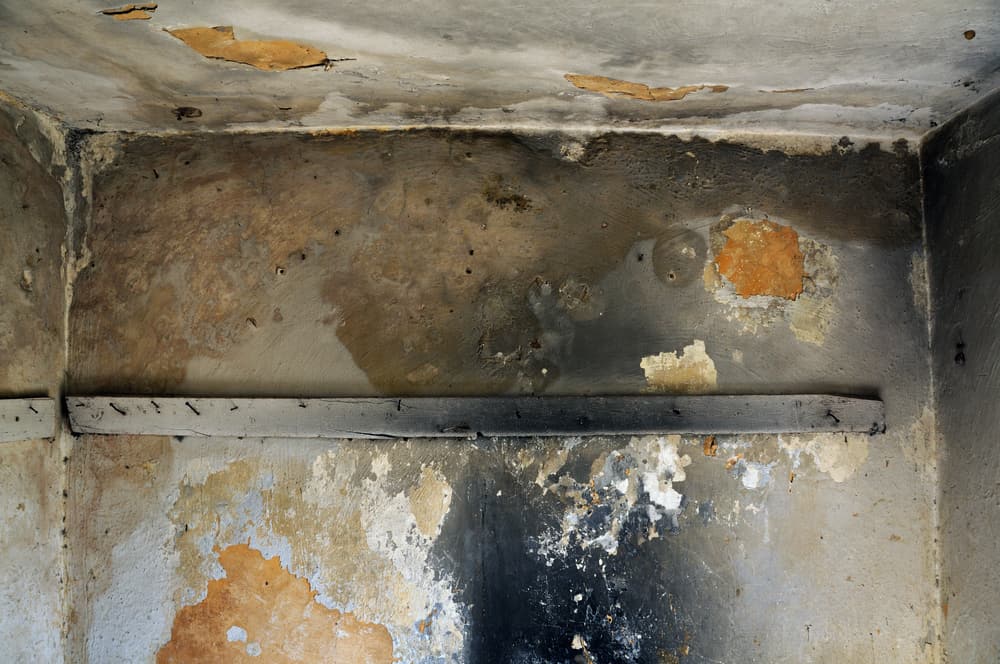
Visible mold is actually the easier problem to catch. What’s harder to detect is the mold growing inside wall cavities, beneath flooring, or in attic spaces after a water intrusion event — and Westhampton has had its share of those. Hurricane Sandy’s storm surge breached the barrier beach just east of Moriches Inlet in 2012, and nor’easters continue to push water into basements and crawl spaces across the area every fall and winter.
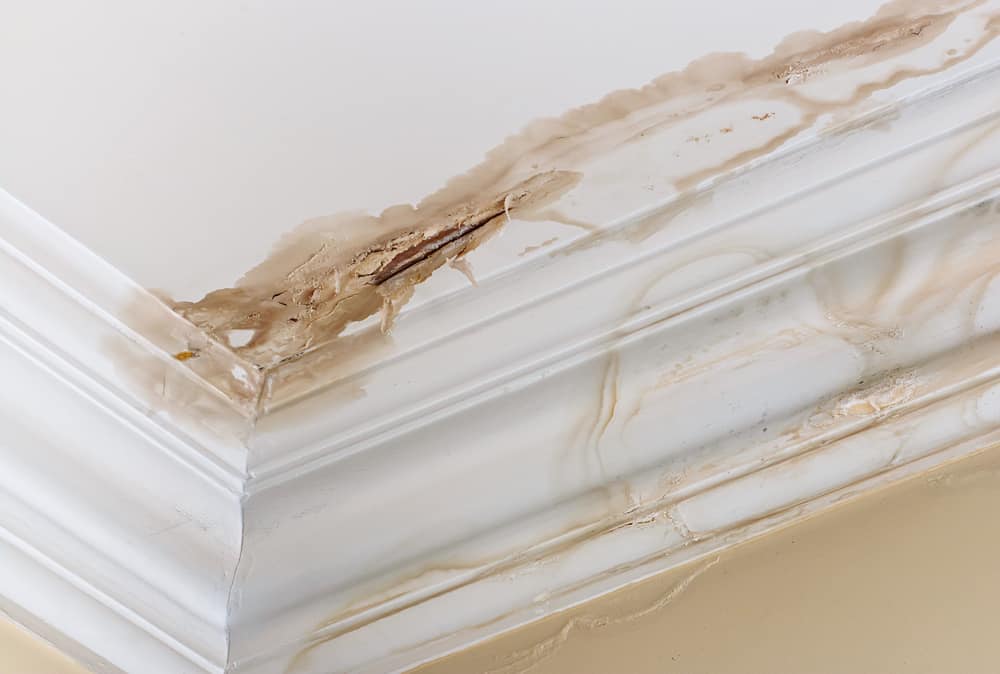
The signs that something is wrong often show up before you see any mold directly: a persistent musty smell, increased allergy or sinus symptoms, or visible water staining on walls and ceilings. If your home experienced any flooding or water intrusion — even a slow roof leak or a sump pump failure — and more than 48 hours passed before it was fully dried out, there’s a real chance mold has already started colonizing somewhere in the structure.
The only way to know for certain is professional air sampling and moisture mapping. We use particle counters and moisture sensors to detect mold presence and moisture levels in areas that have no visible surface signs. If it’s there, we find it.
The range is wide because the scope varies significantly depending on where the mold is and how far it’s spread. Nationally, most residential mold remediation projects fall somewhere between $1,200 and $3,800. Basement mold removal typically runs $1,500 to $6,000, and attic mold removal — which is one of the most common issues in Westhampton’s older housing stock — generally lands between $1,000 and $4,000.
For Westhampton homeowners, the more relevant question is usually what happens if you don’t address it. In a market where home values routinely exceed $1 million, the cost of professional remediation is a fraction of what deferred mold damage can do to a property’s value or what a failed inspection can do to a real estate transaction. The estimate you get from us before we start is the number you pay — no scope inflation once we’re on-site, no upsells.
Bleach treats the surface, not the source. It can remove the visible staining and even kill surface mold on non-porous materials like tile, but it doesn’t penetrate porous materials — drywall, wood framing, insulation, grout — where mold actually roots itself. What you end up with is a surface that looks clean while the mold continues to grow beneath it. Within a few weeks or months, it’s back, and sometimes it’s spread further.
In a coastal environment like Westhampton, where ambient humidity stays elevated much of the year and older homes have building materials that have been absorbing moisture for decades, bleach treatment is particularly ineffective as a long-term solution. The underlying moisture problem that allowed mold to grow in the first place is still there. We address both the mold itself and the moisture conditions driving it — which is the only way to stop it from coming back. For anything beyond a very small, isolated patch on a hard surface, professional remediation is the right call.
It depends on the cause. In New York, most standard homeowners insurance policies will cover mold removal if it resulted directly from a covered event — a burst pipe, storm damage, or a sudden water intrusion. What they typically won’t cover is mold that developed from long-term neglect, gradual leaks, or deferred maintenance. The distinction matters a lot, and how the damage is documented from the start can affect whether your claim is approved or denied.
For Westhampton homeowners who experienced storm-related flooding — whether from a nor’easter, a heavy rain event, or something more significant — proper documentation of the water intrusion and the resulting mold is critical. We document everything in a format that insurance adjusters can work with, and we’ve coordinated with carriers enough times to know what they need to process a claim. If you’re unsure whether your situation qualifies, we can walk you through what we see on-site and what the likely coverage conversation looks like before you file.
Attics and basements are the first places to look. During the winter months, warm interior air rises and meets the cold underside of your roof deck — and if ventilation isn’t adequate, that temperature difference creates condensation that accumulates on rafters and plywood sheathing over weeks and months. By the time you open the house in spring, attic mold can be well-established without a single visible sign from inside the living space.
In the basement, the concern is usually a failed or overwhelmed sump pump. If the pump struggled during a winter storm or spring snowmelt and the basement held water for more than 48 hours, mold has almost certainly started. Check for musty odors, water staining at the base of walls, and any soft or discolored drywall. In crawl spaces, look for visible growth on floor joists and insulation. If you’re opening a seasonal property in Westhampton Beach or along Dune Road and something doesn’t smell right, don’t wait to investigate — mold spreads quickly once it’s established, and catching it early keeps the remediation scope and cost manageable.
Yes — and this is one of the most important questions you can ask before hiring anyone. New York State’s Article 32 of the Labor Law, which took effect January 1, 2016, requires all mold assessment and mold remediation contractors operating in New York to hold a valid state license. It’s not optional, and it’s not a formality. Unlicensed mold work can void your insurance claim, expose you to legal liability, and — more practically — leave you with a job that wasn’t done to any enforceable standard.
Article 32 also requires that the same individual or company cannot perform both the mold assessment and the mold remediation on the same project. That separation exists specifically to protect homeowners from conflicts of interest. A written remediation plan must be prepared before work begins, and post-remediation clearance testing by an independent assessor is required to confirm the job is complete. We operate in full compliance with all of these requirements. Our technicians are IICRC-certified, we’re licensed under Article 32, and we’re fully bonded and insured. Before you hire anyone for mold removal in Westhampton, NY, ask to see their state license — a legitimate contractor will have no hesitation showing it.
Useful Links
Other Services we provide in Westhampton