
Hear from Our Customers

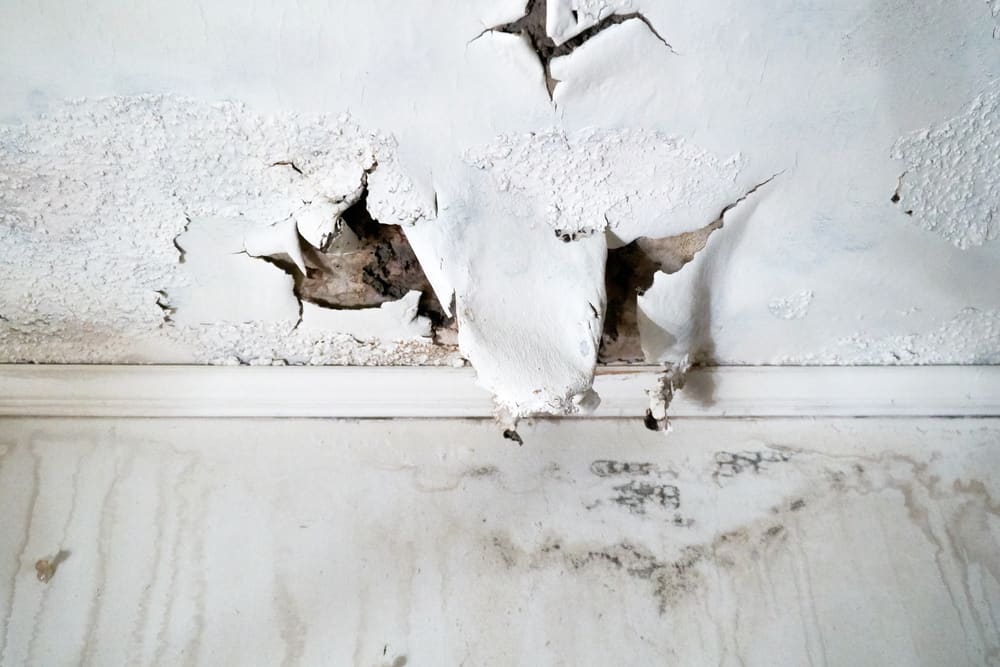
The real problem with water damage isn’t always what you can see. It’s what’s sitting inside your walls, underneath your floors, and behind the baseboards — moisture that looks gone but isn’t. Left alone, that hidden moisture turns into a mold problem within 24 to 48 hours, and by then you’re dealing with a much bigger job than you started with.
For Harbor Hills homeowners, that risk is compounded by the peninsula’s geography. Little Neck Bay to the west, Manhasset Bay to the east, Long Island Sound to the north — the Great Neck Peninsula has a naturally elevated water table and limited drainage capacity. Heavy rainfall, a nor’easter pushing Sound water toward the shoreline, or a sump pump failure during a storm can send water into a basement faster than most people expect. If you’re commuting into the city and don’t catch it until evening, those hours matter.
What you get when you call us is a team that goes beyond surface-level cleanup. We use industrial moisture mapping, structural drying, documented readings, and full clearance — not just fans running in a wet room. Our goal is a home that’s genuinely dry, not one that looks dry until mold shows up six weeks later.
We’ve been serving Nassau County homeowners for nearly three decades. That means we’ve worked in the kinds of homes that make up Harbor Hills and the broader Great Neck Peninsula: pre-war Tudors, early Colonials, homes with plaster-on-lath walls and original hardwood floors that a standard rip-and-replace approach would destroy.
We’re based in West Babylon and cover all of Nassau County with a dedicated 516 team — not a national call center routing your call to whoever’s available. When you reach us, you’re reaching people who know North Hempstead, know the Sound-shore flooding patterns, and know what the housing stock in Harbor Hills actually requires. Our technicians are IICRC-certified, and we’re fully licensed, bonded, and insured. That matters when you’re protecting a home worth well over a million dollars.
We work directly with your insurance company from the first assessment through final billing. You don’t have to manage that process on top of everything else.
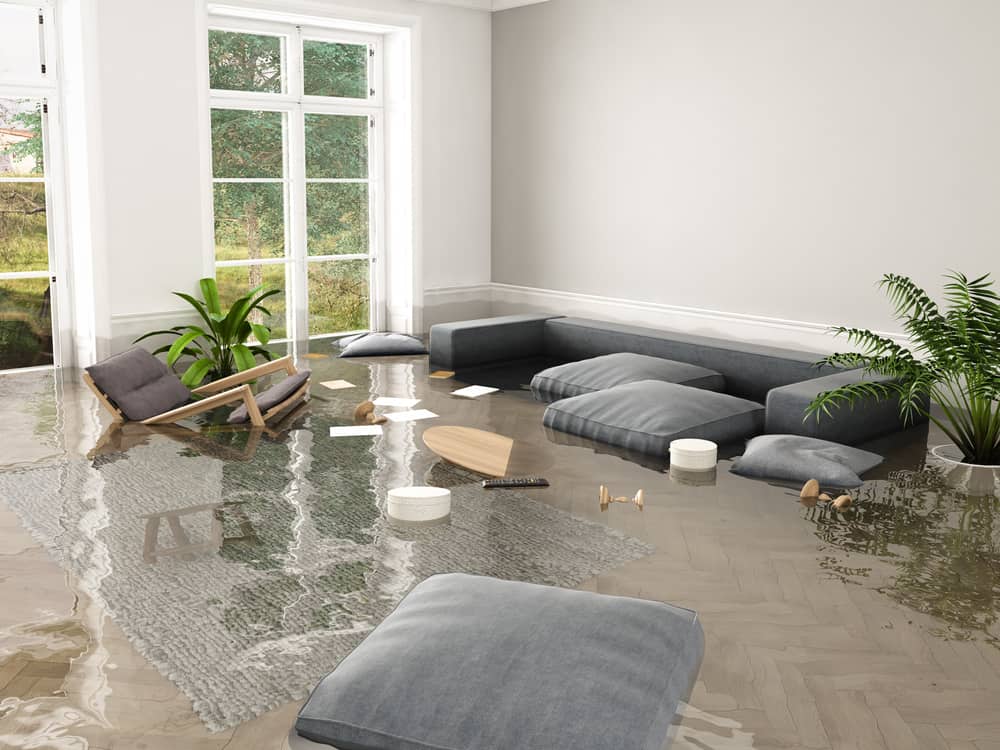
When you call, we move quickly. A certified technician is dispatched to your Harbor Hills home — day or night — to assess the full scope of what you’re dealing with. That first visit isn’t a sales call. It’s a real assessment using professional moisture meters and thermal imaging to find water that’s already migrated into walls, subfloors, and structural cavities, including the ones you can’t see from the surface.
Once we understand the full picture, extraction starts immediately. Industrial-grade pumps and wet vacuums pull standing water out fast, followed by commercial air movers and dehumidifiers positioned to dry the structure from the inside out. In Harbor Hills homes — many of which were built in the early-to-mid 20th century with plaster walls, original wood framing, and older mechanical systems — we adapt the drying approach to the actual materials we’re working with. Plaster can often be dried in place rather than demolished, which preserves the historic character of your home and reduces the overall scope of reconstruction.
If the damage requires structural repairs, we handle the permit process through the Town of North Hempstead Building Department. Any restoration work that touches structure goes through proper channels — no shortcuts that could complicate your insurance claim or create problems down the road. We document everything as we go, which is exactly what your insurance adjuster will need.

Ready to get started?
Water damage in a Harbor Hills home rarely fits a simple template. You might be dealing with a burst pipe in an older supply line, a basement that took on water during a nor’easter, a sump pump that failed while you were at work, or storm damage from a flash flood event. Each scenario is different, and the restoration scope has to match.
We handle the full range — emergency water extraction, structural drying and dehumidification, mold prevention treatment, and reconstruction when it’s needed. For homes with pre-1980 construction, which is common throughout the Great Neck Peninsula, we factor in asbestos and lead assessment before any demolition work begins. New York State’s Article 32 mold law also applies here: any mold remediation project covering 10 square feet or more requires a licensed assessor and a licensed remediator, and we coordinate that process so you’re not chasing down separate contractors.
For Harbor Hills homeowners filing insurance claims, documentation is everything. We photograph, measure, and record moisture readings at every stage — giving your adjuster a clear, complete record of the damage and the work performed. Whether your claim involves a sudden pipe failure or tidal flooding from a Sound-shore storm, we know how to build the documentation that supports a clean, defensible claim.

Standard homeowners insurance typically covers sudden, accidental water damage — a burst pipe, a washing machine supply line that gives out, an appliance overflow. What it does not cover is flooding. If water enters your Harbor Hills home from the outside — tidal surge from Little Neck Bay or Manhasset Bay during a nor’easter, or groundwater seeping in through the foundation — that’s flood damage, and it requires a separate flood insurance policy through the National Flood Insurance Program or a private flood carrier.
The distinction matters because Harbor Hills sits on the Great Neck Peninsula, which is flanked by water on three sides and falls within North Hempstead’s Sound-shore flood exposure zone. If you’re not sure whether you have flood coverage, check your declarations page or call your agent before a storm season. Regardless of coverage type, the documentation you provide after a loss makes a significant difference in how your claim is handled — which is exactly why we photograph and record every step of the restoration process.
Mold spores can begin germinating within 24 hours of water intrusion under the right conditions. Visible growth typically appears within 48 to 72 hours, but microscopic growth starts earlier than that — which is why the window between when water enters your home and when you call for professional help is so important.
In Harbor Hills, the peninsula’s naturally elevated water table and coastal humidity create an environment where moisture lingers longer than it would in a drier inland location. A basement that floods during a nor’easter isn’t just wet from the storm — it’s sitting in an ambient environment that slows natural evaporation and accelerates mold colonization. Consumer-grade fans and box dehumidifiers help at the margins, but they don’t reach moisture inside wall cavities or beneath original hardwood floors. Professional structural drying equipment and moisture mapping are what actually get the job done before mold establishes itself.
Often, yes — and in a Harbor Hills home, that matters. Plaster-on-lath construction, which is common in the pre-war and early post-war homes throughout the Great Neck Peninsula, can frequently be dried in place rather than demolished. The key is getting moisture meters and drying equipment on the job quickly, before the plaster has been saturated long enough to lose its bond with the lath.
The process involves positioning air movers and dehumidifiers to draw moisture out of the wall assembly from both sides, monitoring readings daily until the structure reaches acceptable dryness levels. When plaster can be saved, it preserves the historic character of the home and significantly reduces the scope — and cost — of reconstruction. Not every contractor takes this approach; some default to demolition because it’s faster. We assess what’s actually salvageable and make the call based on the material, the moisture levels, and what’s genuinely in your best interest.
For most water damage situations — a burst pipe, a failed sump pump, an appliance overflow — the drying phase takes three to five days using professional equipment. Water extraction itself typically wraps up within the first one to three days depending on the volume. After the structure is confirmed dry through moisture readings, reconstruction can begin, and the full timeline from initial loss to completed repairs averages around two to three weeks for moderate damage.
For more extensive situations — significant flooding, widespread mold, or structural damage in an older home with complex assemblies — the timeline extends. Harbor Hills homes with plaster walls, original subfloor systems, and older framing sometimes require longer drying periods because the materials hold moisture differently than modern construction. We give you a realistic timeline after the initial assessment, not a number pulled from a brochure. The goal is to do it right, not just fast.
The first thing to do is stop the source if you can — shut off the water supply valve if it’s a pipe or appliance failure. If the flooding is from an external source like storm surge or groundwater, focus on getting out of standing water safely and avoiding any contact with water that may have mixed with sewage or contaminants, which elevates it to a more serious contamination category under IICRC standards.
Call a restoration company before you call your insurance company. That might feel counterintuitive, but getting a professional on-site first means the damage is properly documented before anything is moved or disturbed — which strengthens your claim. Take photos of everything you can safely access. Do not run standard household fans and assume the problem is handled; they don’t reach moisture inside walls or beneath floors, and in Harbor Hills’ coastal humidity environment, surface drying without structural drying leaves hidden moisture that becomes a mold problem within days.
We work directly with your insurance company from start to finish. That means we handle the documentation — moisture readings, photographs, scope of work, material assessments — and communicate with your adjuster so you’re not stuck in the middle trying to translate between a restoration contractor and an insurance representative while also managing your regular life.
For Harbor Hills homeowners who commute into Manhattan, this matters in a practical way. You shouldn’t have to take a day off work to sit on the phone with an adjuster or coordinate between multiple vendors. We act as the single point of contact for the restoration process, from the initial emergency response through the final billing. We’ve been doing this for nearly 30 years across Nassau County, which means we understand how Long Island adjusters work, what documentation they need, and how to present a claim in a way that avoids unnecessary delays or disputes. Whether your loss is a straightforward pipe failure or a more complex Sound-shore flooding event, the process is the same — thorough documentation, direct communication, and a clear record from day one.
Useful Links
Other Services we provide in Harbor Hills