
Hear from Our Customers

When water gets into a Harbor Isle home, the visible damage is rarely the whole story. These are older homes — most built between the 1940s and 1960s — with crawl spaces, wood framing, and original plumbing that absorb moisture in ways a mop and a box fan will never fix. What you need is a complete dry-out, not just a cleanup crew that wipes the floor and leaves.
The EPA is clear: water-damaged areas need to be dried within 24 to 48 hours to stop mold from taking hold. In a waterfront community like Harbor Isle, where ambient humidity is already elevated year-round, that window closes faster than it does inland. Getting the right equipment on-site quickly — industrial dehumidifiers, air movers, and moisture meters that read behind your walls — is what separates a finished job from a mold problem you’ll be dealing with six months from now.
When we’re done, you’ll have documentation of what was found, what was dried, and what was done — the kind of record that matters when your insurance adjuster shows up. Because in Harbor Isle, many homeowners are navigating both a standard homeowners policy and an NFIP flood insurance policy at the same time. Getting that paperwork right is part of the job.
We’ve been serving Nassau and Suffolk County homeowners for nearly three decades. That means we’ve worked on the exact type of homes that line the streets of Harbor Isle — post-war construction, aging plumbing, slab foundations, crawl spaces that were never designed for the kind of tidal flooding Reynolds Channel can push through during a nor’easter. We’ve seen it before.
We’re headquartered in West Babylon and cover Nassau County with a dedicated local team — not a national call center dispatching crews from out of state. When you call the 516 number, you’re reaching people who know this area, know the South Shore, and understand what it means to serve a community where the only way in is over one of two bridges. All our technicians are IICRC-certified, and we’re licensed, bonded, and insured. That’s the baseline. What sets us apart is that we’ve been doing this long enough to know what corners not to cut.
When you call, the first thing that happens is a real conversation — not a form, not a chatbot. You describe what’s going on, and we figure out the fastest way to get someone to you. In Harbor Isle, that means accounting for access. If a storm event has already compromised road conditions near the Island Park area, we move accordingly. Our goal is always to get eyes on the damage before conditions make it harder to respond.
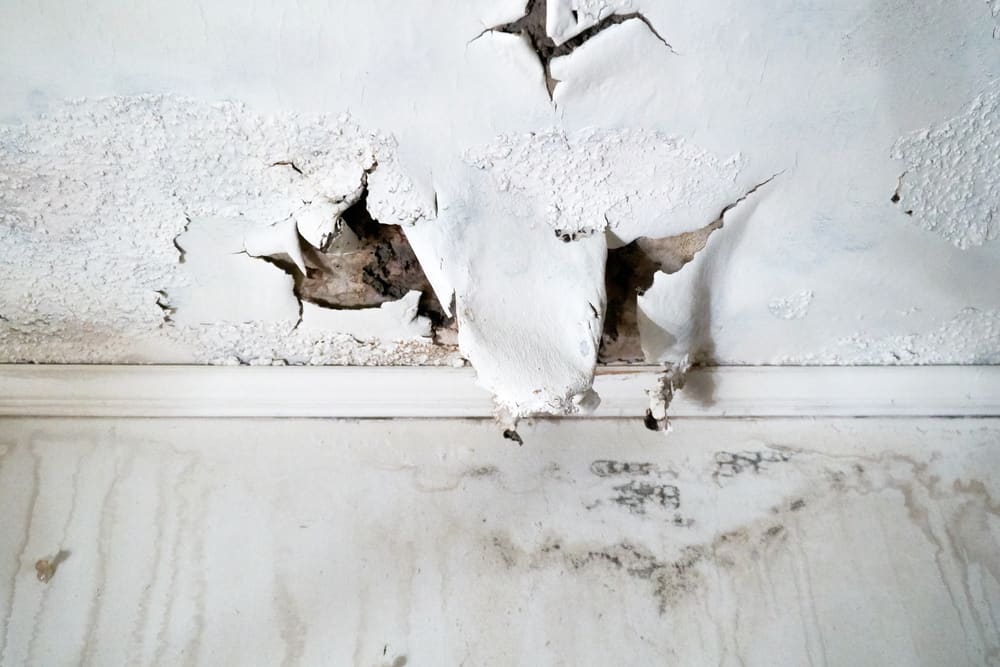
Once on-site, our technicians do a full assessment using moisture meters and thermal tools to map where the water has traveled — not just where it’s visible. Water in a 1950s Harbor Isle home doesn’t stay where you can see it. It wicks into baseboards, sits under flooring, and gets into wall cavities. That assessment determines the scope of the job and generates the documentation your insurance adjuster will need.
From there, extraction comes first — removing standing water with industrial equipment before the drying phase begins. Drying typically runs three to five days depending on the extent of the damage, with daily monitoring to confirm moisture levels are dropping. Because Harbor Isle properties in the flood zone fall under Town of Hempstead building codes and FEMA floodplain regulations, any structural repairs that follow are handled with the permits and documentation those requirements demand. We walk you through every stage — you won’t be left guessing about what’s next.

Ready to get started?
Water damage in Harbor Isle doesn’t come from one source. It comes from Reynolds Channel surge during nor’easters. It comes from chronic tidal flooding that the state funded a $1.3 million drainage project to address — and that project, while meaningful, doesn’t protect the inside of your home. It comes from burst pipes in aging plumbing systems that were installed decades before modern materials were available. And it comes from appliance failures and water heater breakdowns that have nothing to do with the weather at all.
We handle all of it. Water extraction and basement water removal, structural drying, dehumidification, mold prevention, sewage backup cleanup, and full reconstruction when structural repairs are needed. Whether the source is Category 1 clean water from a burst pipe or Category 3 floodwater that came in through the foundation, the response protocol changes accordingly — and we know the difference.
For Harbor Isle homeowners carrying both standard homeowners insurance and an NFIP flood policy, we work directly with both carriers. We handle the documentation, the billing, and the back-and-forth with adjusters so you don’t have to manage two separate claims processes on your own. The assessment is free, and there’s no pressure to commit before you understand the full scope of what you’re dealing with.

Standard homeowners insurance does not cover flooding — and this distinction matters a great deal in Harbor Isle. If water enters your home because Reynolds Channel surged during a storm, or because a nor’easter pushed tidal water into your street, that is classified as flood damage, and your standard policy will not pay for it. Flood coverage requires a separate NFIP policy or a private flood insurance policy.
What standard homeowners insurance typically does cover is sudden, accidental water damage from internal sources — a burst pipe, a failed water heater, an appliance that overflowed. The key word is “sudden.” If an adjuster determines the damage resulted from a slow leak or deferred maintenance, that claim is likely to be denied regardless of your policy type.
Many Harbor Isle homeowners carry both types of coverage, which creates its own complexity. Each policy has different documentation requirements, different exclusions, and different claim processes. We work directly with both carriers and handle the paperwork on your behalf — which significantly reduces the risk of a claim being denied due to incomplete or improperly formatted documentation.
The EPA’s guidance is 24 to 48 hours from the time water-damaged areas are left undried. In practice, that window can be shorter in a waterfront community like Harbor Isle, where ambient humidity is already elevated compared to inland neighborhoods. Mold spores don’t need much — warmth, moisture, and a surface to colonize. The wood framing and original drywall in many of Harbor Isle’s older homes provide exactly that.
What makes this particularly tricky is that visible mold growth — the kind you can actually see — typically appears 48 to 72 hours after water intrusion. But microscopic growth starts earlier, and by the time you see it, the remediation scope has already expanded. That’s why the response timeline matters so much.
Getting industrial drying equipment on-site within that first 24-hour window is the difference between a restoration job and a mold remediation job on top of a restoration job. Those are two very different scopes and two very different costs. We’re available 24/7 for emergencies specifically because the biology of mold growth doesn’t wait for business hours.
For most residential water damage situations, the full process runs about two weeks from initial dry-out through final repairs. That said, the range is wide. Minor damage from a contained appliance leak might be resolved in 24 to 48 hours. Extensive flooding that reaches structural components or leads to mold growth can stretch to six weeks or longer.
For a typical flooded basement in Harbor Isle — which often means water that came in through foundation walls or floor drains during a storm event — the extraction phase takes one to three days, and the structural drying phase runs another three to five days with daily moisture monitoring. After drying is confirmed complete, any repairs to drywall, flooring, or structural components begin.
One factor specific to Harbor Isle is that properties in the FEMA flood zone are subject to the Town of Hempstead’s floodplain regulations, including the substantial improvement rule. If repairs exceed 50% of the structure’s assessed market value, the entire structure may need to be brought up to current flood zone building codes. This doesn’t apply to most standard restoration jobs, but it’s worth knowing upfront — and we’ll flag it during the initial assessment if it’s a factor for your property.
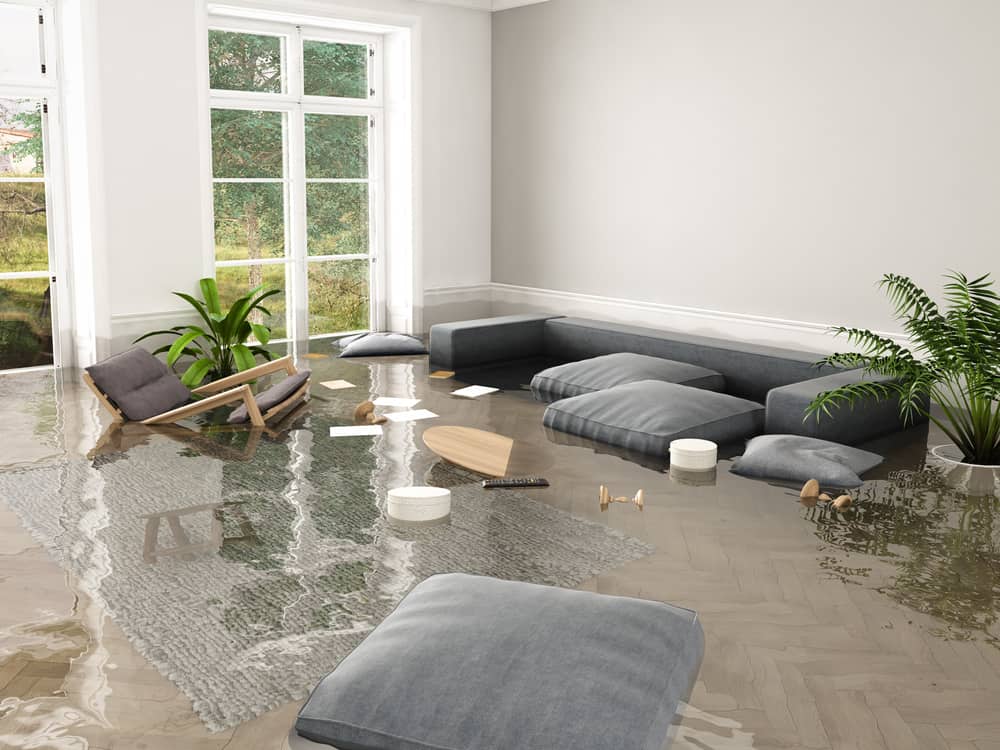
The first priority is safety. Do not enter a flooded area if there’s any possibility of electrical hazards — water and live circuits are a serious risk. If you can safely reach your electrical panel, shut off power to the affected areas before doing anything else.
Once it’s safe, document everything before you touch it. Take photos and video of the standing water, the affected rooms, your belongings, and any visible structural damage. This documentation is critical for your insurance claim — both your homeowners policy and your NFIP flood policy if you carry one. The more thorough your documentation before cleanup begins, the stronger your claim.
Then call for professional help immediately. In Harbor Isle, where many homes sit in or near the FEMA flood zone and the housing stock is older, the risk of hidden moisture causing long-term structural damage or mold growth is real. Consumer-grade fans and wet-vacs are not sufficient for a proper dry-out. We can dispatch to Harbor Isle around the clock — and the sooner the industrial drying equipment is on-site, the better your outcome.
Yes. We work directly with insurance carriers, including NFIP flood policies, and handle the documentation and billing coordination on your behalf. This matters more in Harbor Isle than in many other communities because a significant portion of homeowners here carry both a standard homeowners policy and a separate NFIP flood policy — and those two policies cover different things, have different claim processes, and require different documentation.
The most common mistake homeowners make is assuming one policy covers everything, or submitting documentation to the wrong carrier for the wrong type of damage. A burst pipe claim goes to your homeowners insurer. A storm surge claim goes to your flood insurer. If the damage involves both — which it sometimes does in a home that flooded from outside while also sustaining a pipe failure — the documentation needs to be clear about what caused what.
Our technicians document the damage in a way that satisfies both types of adjusters. We know what photos, moisture readings, and written reports each carrier expects, and we handle the direct billing so you’re not managing two separate claims processes during an already stressful situation.
Harbor Isle is accessible by only two bridges. During a significant storm or tidal flooding event — the kind that the Island Park area has experienced repeatedly, and that prompted a $1.3 million state-funded drainage project specifically for this community — road conditions can deteriorate quickly. The longer it takes to get a restoration crew on-site, the greater the risk that water continues spreading into structural cavities that become harder and more expensive to dry out.
Beyond the access issue, Harbor Isle’s housing stock amplifies the urgency. Homes built in the 1940s through 1960s — which describes most of the hamlet — have construction materials that absorb moisture differently than newer builds. Original wood framing, older insulation, and plumbing systems that have been in service for 60 or more years all respond to water intrusion in ways that make early intervention more impactful and delayed response more costly.
We’re based in Nassau County, cover the South Shore with a dedicated local team, and are available 24 hours a day. That combination — local proximity, around-the-clock availability, and familiarity with the specific conditions of this part of Long Island — is what makes response time a practical advantage here, not just a talking point.
Useful Links
Other Services we provide in Harbor Isle