
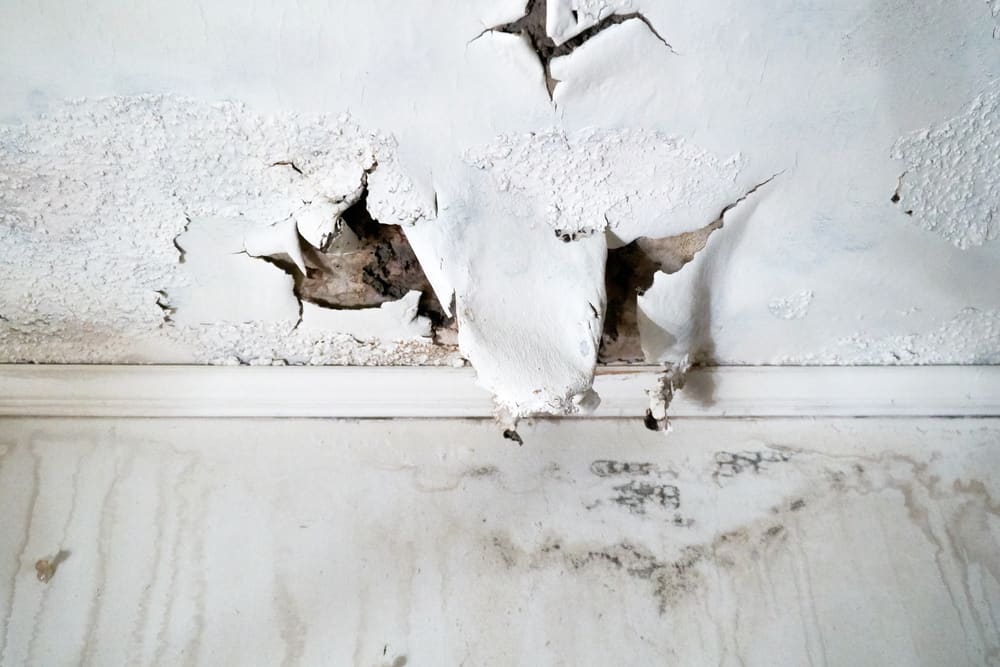
Hear from Our Customers

Most of the homes along Herricks Road, Denton Avenue, and Old Courthouse Road were built between 1940 and 1969. That’s not a knock on the neighborhood — it’s just the reality of what you’re working with. At 55 to 85 years old, original plumbing is reaching the end of its lifespan, and the foundation waterproofing applied during original construction has long since degraded. When those two things fail at the same time — and they often do — water finds its way in from multiple directions at once.
What you get when the job is done right isn’t just a dry basement. It’s the confidence that the moisture inside your walls, under your floors, and behind your baseboards has actually been found and removed — not just the surface water you could see. That matters enormously in Herricks homes, where plaster walls and older subfloor construction hold moisture in ways that modern drywall simply doesn’t.
Nassau County’s shallow water table adds another layer to this. Your sump pump is the one thing standing between your finished basement and a Category 2 water event every time a nor’easter rolls through. When that pump fails — whether from a power outage or a mechanical issue — the water table rises and groundwater infiltrates through foundation cracks and slab seams faster than most homeowners expect. Getting the right company in quickly means the difference between a manageable restoration and a mold remediation project that drags on for weeks.
We’ve been serving Long Island homeowners for nearly three decades. That tenure means something specific in Herricks — a community where the homes are older, the water table is high, and the stakes of getting the restoration wrong are significant. We’ve worked in homes throughout Nassau County that look exactly like yours: the ranch-style builds, the Cape Cods with galvanized plumbing still in the walls, the split-levels with finished basements that took years to renovate.
Every technician on our team is IICRC-certified, and we’re fully licensed, bonded, and insured. That matters when it comes time to file your insurance claim — IICRC certification is the standard that insurance adjusters recognize, and documentation produced by a certified team holds up in ways that a DIY cleanup simply doesn’t.
We also work directly with your insurance company. That means we handle the paperwork, coordinate with the adjuster, and bill directly — so you’re not stuck in the middle trying to manage a restoration project on top of an insurance dispute.
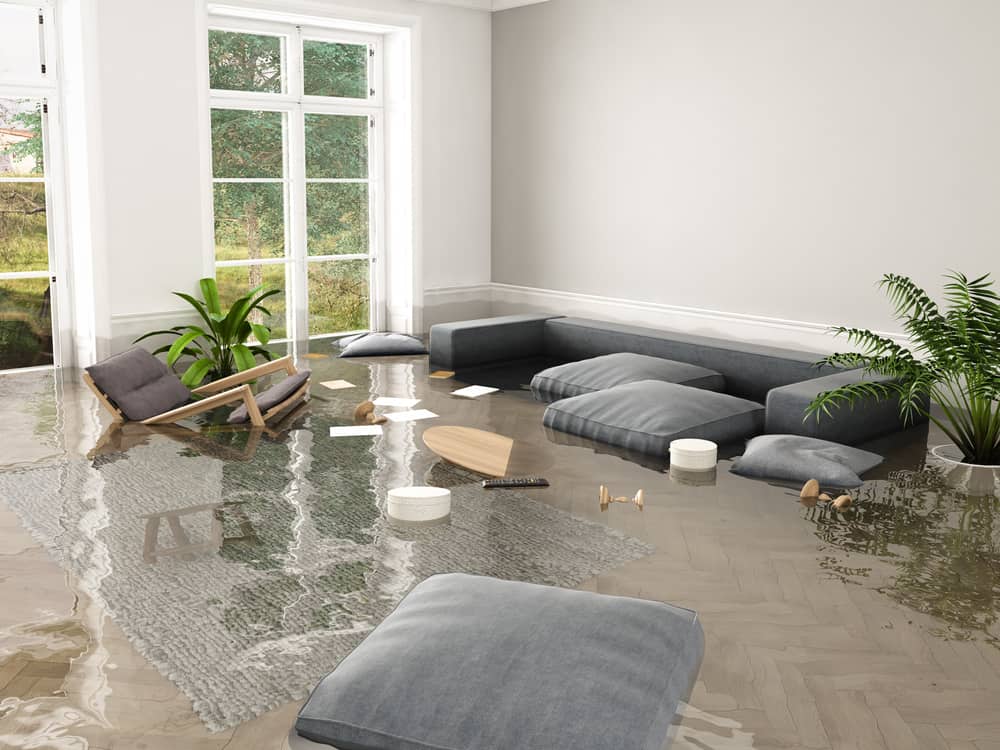
When you call, our first priority is getting someone to your home quickly. Water damage doesn’t pause while you wait, and in Nassau County’s housing stock — where moisture travels fast through plaster walls and older insulation — every hour matters. The EPA is clear that water-damaged areas need to be dried within 24 to 48 hours to prevent mold growth, and that clock starts the moment water makes contact with your structure.
Once on-site, we do a full assessment before any equipment gets deployed. That means moisture mapping with professional meters, not just a visual inspection. In Herricks homes, this step is especially important because the damage you can see is rarely the full picture. Water wicks into wall cavities, travels under hardwood floors, and saturates structural framing in ways that a surface-level look will miss entirely. The assessment also documents the damage thoroughly — which is exactly what your insurance company needs to process your claim.
From there, water extraction and structural drying begin using industrial-grade equipment. Commercial dehumidifiers and air movers work on a completely different level than anything you can rent or buy at a hardware store. After drying is confirmed with follow-up moisture readings, we move into any needed repairs and reconstruction — all under one roof, without you having to coordinate separate contractors. Because restoration work in the Town of North Hempstead may require building permits for structural repairs, we handle that coordination as part of the full-service process.

Ready to get started?
Water damage restoration in Herricks isn’t a single service — it’s a sequence of connected steps that have to happen in the right order to actually work. We handle the full scope: water extraction, structural drying, dehumidification, moisture mapping, antimicrobial treatment to stop mold before it starts, and full reconstruction when walls, floors, or ceilings need to be rebuilt.
Burst pipe water damage, flooded basement cleanup, storm damage restoration after a heavy nor’easter, sewage backup remediation — we handle all of it. Herricks is fully connected to Nassau County’s sanitary sewer system, which means a sewage backup event is a real possibility and requires Category 3 water damage protocols: full containment, antimicrobial treatment, and documented disposal. That’s not a job for a general contractor — it requires certified remediation.
For homeowners with finished basements — home offices, playrooms, guest suites — the stakes of a sump pump failure are particularly high. The documented flooding at the intersection of Hillside Avenue and Herricks Road during heavy rain events is a reminder that water pooling in this area isn’t theoretical. We’re available 24/7, which means you have a certified, licensed team ready to respond the moment something goes wrong, not just during business hours. And because we work directly with insurance companies, the process of filing a claim for water damage or flood restoration in Herricks is managed for you from start to finish.

It depends on what caused the flooding. Standard homeowners insurance typically covers sudden, accidental water damage from internal sources — a burst pipe, a failed water heater, an appliance overflow. What it does not cover is flooding from external sources like groundwater, storm surge, or overflowing bodies of water. For that, you’d need a separate flood insurance policy through the National Flood Insurance Program.
This distinction matters a lot in Herricks, where the shallow Nassau County water table means that basement water intrusion often involves groundwater seeping through foundation cracks or slab seams — not just a broken pipe. If the water entered your home from below grade during a heavy rain event, your standard policy may not cover it, even if it looks like a straightforward basement flood. The key is documentation: what the water source was, when it entered, and how quickly you responded. We document the damage thoroughly from the first visit, which gives your insurance company the information it needs to process your claim accurately — and protects you from a denial based on inadequate documentation.
Faster than most people expect. The EPA states that mold can begin developing in water-damaged areas within 24 to 48 hours. Mold spores can actually start germinating within the first 24 hours under the right conditions — visible growth typically appears between 48 and 72 hours, but the process starts well before you can see anything.
In Herricks homes, this timeline is compressed by the age of the construction. Older plaster walls, original wood framing, and decades-old insulation absorb moisture quickly and hold it longer than modern building materials. That means mold has more to work with and more places to establish itself before it becomes visible. If you’ve had standing water in your basement — even for a few hours — and you’re relying on a box fan and a wet-vac to dry it out, you’re likely leaving moisture behind in areas that consumer-grade equipment simply can’t reach. A professional drying process with industrial dehumidifiers and follow-up moisture readings is the only way to confirm that the structure is actually dry, not just dry on the surface.
Call a certified restoration company before you do anything else. It’s tempting to start cleaning up yourself, but there are a few reasons to hold off. First, if the water has been sitting for more than a few hours, it may already be classified as Category 2 (gray water) due to groundwater contamination — meaning it contains bacteria and other contaminants that aren’t safe to handle without protective equipment. Second, starting cleanup before the damage is professionally documented can complicate your insurance claim.
Once you’ve made the call, if it’s safe to do so, turn off the power to the affected area and avoid contact with standing water until the team arrives. Don’t run fans or open windows yet — without knowing where the moisture has traveled inside your walls and subfloor, circulating air can actually spread mold spores to unaffected areas. In Nassau County, sump pump failures during power outages are one of the most common causes of basement flooding, and we’ve handled this exact scenario throughout the Herricks area. The faster you call, the more of the restoration falls within what your homeowners insurance is likely to cover.
For most water damage situations — a burst pipe, a sump pump failure, a localized appliance leak — the drying phase typically takes three to five days using industrial equipment. Water extraction itself usually wraps up within one to three days. From start to finish, including any needed repairs and reconstruction, a typical basement flood restoration in a Nassau County home takes around two to three weeks.
That said, the timeline in a Herricks home can be affected by the age of the construction. Homes built between 1940 and 1969 often have plaster walls, original hardwood floors, and older structural framing that hold moisture differently than modern drywall and engineered lumber. Those materials require more careful drying to avoid warping, cracking, or secondary damage. More extensive situations — widespread flooding, significant mold growth, or structural damage — can extend the timeline considerably. The only way to get an accurate estimate for your specific home is a professional on-site assessment, which we provide at no charge. That assessment will also give you the documentation you need before your insurance adjuster visits.
Drying things out is one step in a multi-phase process — it’s not the whole job. Professional water damage restoration involves moisture mapping to find water that’s traveled into hidden areas, controlled structural drying with calibrated industrial equipment, antimicrobial treatment to prevent mold growth, documentation for insurance purposes, and often repairs or reconstruction once the structure is confirmed dry. Skipping any of those steps creates problems that show up later — usually as mold, structural damage, or a denied insurance claim.
The “just dry it out” approach fails most often in older homes, and Herricks has a lot of them. In a home built in the 1950s or 1960s, water from a flooded basement doesn’t stay in the basement. It wicks into the framing, travels up interior walls, and saturates insulation inside wall cavities that you’d never see without a moisture meter. A fan running for three days might dry the floor surface, but the wall cavity behind the baseboard could still be at 40% moisture content — which is well within the range where mold establishes itself. The difference between a real restoration and a surface cleanup is the difference between a problem that’s solved and one that’s just postponed.
Yes — storm damage restoration is a core part of what we handle throughout Nassau County, including Herricks. Heavy rain events in this area create a specific combination of problems: surface water pooling at low points along Hillside Avenue and Herricks Road, the water table rising and pushing groundwater through foundation cracks, and sump pumps overwhelmed or knocked offline by power outages. That combination can produce significant basement flooding even in homes that have never had a water problem before.
Storm-related water damage in Herricks often involves groundwater and storm runoff, which can elevate the contamination classification of the water — requiring more thorough remediation than a clean-water pipe burst. Our IICRC-certified technicians assess the water source and contamination level as part of the initial inspection, which determines the correct remediation protocol and the documentation your insurance company needs. Because storm damage claims can be more complicated to navigate than straightforward pipe-burst claims — particularly when the source involves both surface water and groundwater — having a restoration team that works directly with your insurer from day one makes a real difference in how the claim gets resolved.
Useful Links
Other Services we provide in Herricks