
Hear from Our Customers

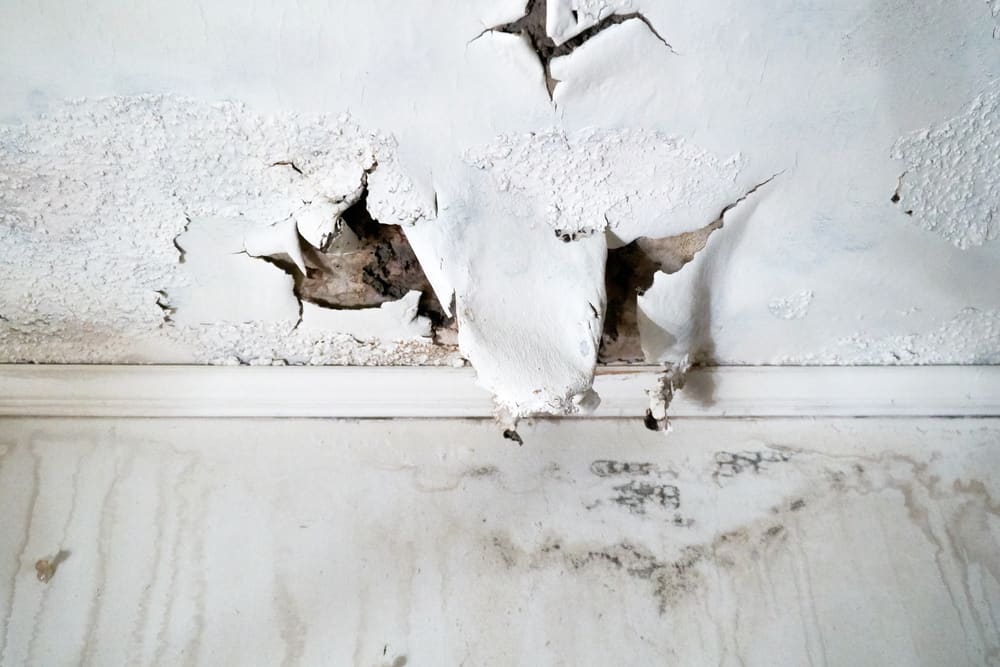
The real problem with water damage in Hicksville isn’t always the puddle on the floor — it’s what’s happening inside the wall cavity, under the subfloor, and behind the drywall of a home built in 1955. Most of Hicksville’s housing stock was constructed during the postwar boom, when galvanized steel pipes were standard and concrete block foundations were the norm. Those materials age. They corrode from the inside out, they absorb moisture, and they hold it long after the surface looks dry.
When the job is done right, you get more than a dry floor. You get a home where the moisture has been fully extracted from the structural cavities, the air quality is back to normal, and there’s no mold developing in a wall you can’t see. For a Hicksville home worth $650,000 or more, that outcome isn’t optional — it’s the whole point.
The split-level homes north of Old Country Road present a specific challenge we see regularly. That below-grade family room isn’t a storage basement — it’s finished living space, and when exterior soil moisture migrates through a concrete block wall after a heavy summer storm, it saturates carpet, drywall, and insulation simultaneously. Getting that space fully dry requires industrial equipment and a crew that understands how these homes were built, not just how to run a wet-vac.
We’re based in West Babylon and have been serving Hicksville, Nassau County, and Suffolk County homeowners for close to three decades. That means we were working on Hicksville homes long before the LIRR station renovation, long before the Third Track project, and through every hurricane season, nor’easter, and burst pipe winter the island has had since the mid-1990s.
Our technicians are IICRC-certified, which matters more than it might sound. The IICRC S500 standard is what insurance adjusters and carriers recognize when they review a claim. When the documentation comes from a certified crew, the claim process moves more smoothly — and on a Hicksville home in Nassau County, that’s worth a lot.
We’re licensed, bonded, and insured, and we work directly with your insurance company so you’re not stuck playing middleman between your insurer and your contractor after a long commute home. You call one number — the Nassau County 516 line — and we handle the rest.
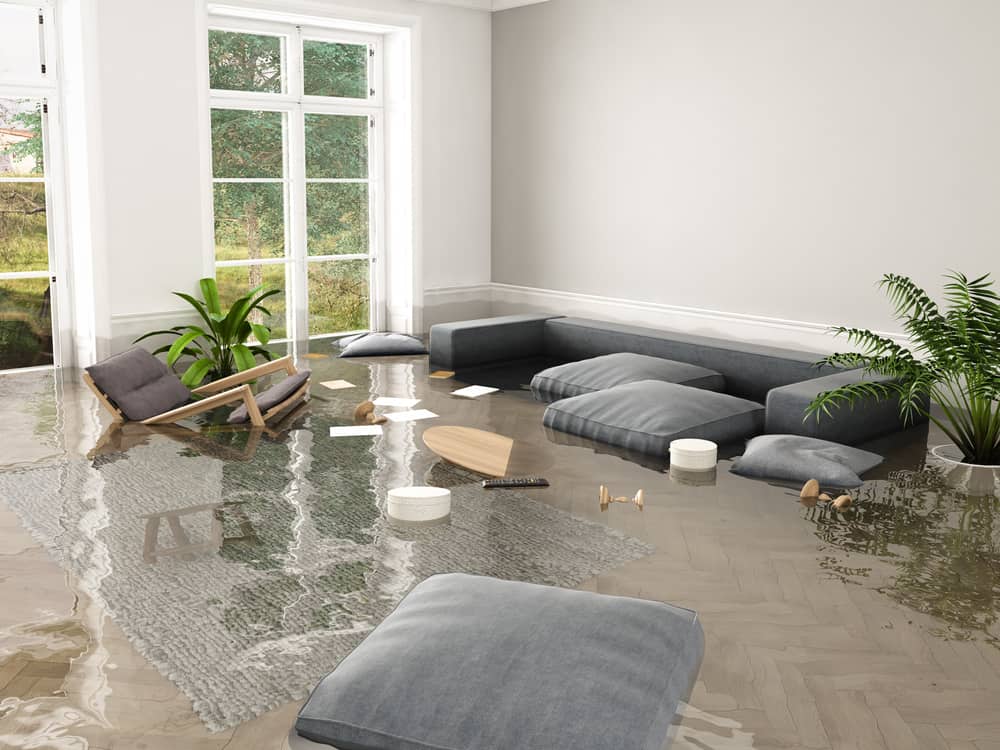
The first step is getting someone to your home fast. The EPA is clear that water-damaged areas need to be dried within 24 to 48 hours to prevent mold growth — so the clock matters from the moment the damage starts, not from when you get around to calling. Whether it’s a burst pipe discovered at 8 PM after your LIRR commute or a basement flood on a Saturday morning, we respond around the clock.
Once on site, we do a full moisture assessment — not just a visual check, but a reading of the wall assemblies, subfloors, and structural cavities using professional moisture meters. In Hicksville’s older homes, this step is critical. A galvanized pipe that’s been weeping inside a wall for days will saturate structural framing that looks completely dry from the outside. You need the data, not a guess.
From there, we extract standing water, set industrial-grade air movers and dehumidifiers, and begin the structural drying process. This typically runs three to five days for most homes, depending on the extent of saturation. Throughout the process, we document everything — photos, moisture readings, drying logs — because that documentation is what your insurance company needs to process the claim.
If mold remediation is required, that work is handled in compliance with New York State Article 32, which requires licensed mold assessors and remediators. Once everything is dry and clear, the rebuild phase begins — drywall, flooring, whatever the scope requires — all under one roof, without you having to find a separate contractor.
Ready to get started?
Water damage restoration in Hicksville covers a wider scope than most homeowners expect when they first call. It’s not just water removal — it’s the full sequence from emergency extraction through structural drying, mold prevention, and reconstruction. We handle all of it, which matters when you’re dealing with a finished below-grade family room in a split-level or a Cape Cod with a saturated crawl space.
For Hicksville homeowners specifically, the services most commonly needed include emergency water removal, basement water extraction, structural drying of wall cavities and subfloors, dehumidification, antimicrobial treatment to prevent mold, and full reconstruction of damaged drywall, flooring, and insulation. Storm damage restoration after the kind of slow-moving summer downpours that regularly trigger flash flood advisories in Hicksville — where flat terrain and dense impervious surfaces overwhelm the drainage system — is a frequent call. Burst pipe water damage during the January and February cold snaps that freeze supply lines in the exterior walls of homes built before modern insulation standards is equally common in our area.
Any structural work requires a permit from the Town of Oyster Bay Building Division, which handles permitting for Hicksville. Mold remediation is governed by New York State Article 32. We operate in full compliance with both, which protects your claim, your home, and your peace of mind. We also work directly with your insurance company — handling the documentation, the billing, and the back-and-forth — so you’re not navigating that process alone.

It depends on what caused the flooding, and the distinction matters a lot. Standard homeowners insurance typically covers sudden, accidental water damage from internal sources — a burst pipe, a washing machine hose failure, a water heater that gives out. What it does not cover is flooding from external sources like groundwater, storm surge, or overland water flow. That type of damage requires a separate flood insurance policy, typically through the National Flood Insurance Program.
For Hicksville homeowners, this distinction is especially relevant. The flat terrain and aging drainage infrastructure in parts of Hicksville mean that heavy rain events can push water against and through foundations in ways that blur the line between “internal plumbing failure” and “surface water intrusion.” How the damage is documented at the outset — what caused it, when it started, and what the source was — directly affects how the claim is categorized and whether it’s covered. We document the damage thoroughly from the first visit, which gives your insurance adjuster the clearest possible picture and reduces the risk of a denial based on incomplete information.
For most water damage scenarios in a typical Hicksville Cape Cod or split-level, the drying phase takes three to five days once extraction is complete. The full restoration process — from initial water removal through final reconstruction — averages around two weeks for moderate damage, though more extensive situations involving structural repairs or mold remediation can run longer.
The timeline in Hicksville’s older homes can be affected by the construction type. Concrete block foundation walls, common in the postwar homes that dominate the south side of Hicksville, absorb moisture differently than poured concrete and can take longer to dry fully. Finished below-grade spaces in split-levels add complexity because the wall assembly — drywall, insulation, framing, and block — all need to reach acceptable moisture levels before reconstruction begins. Rushing that process is how you end up with mold in a wall six months later. We monitor moisture readings daily and move to reconstruction only when the numbers confirm the structure is genuinely dry.
Mold spores can begin germinating within 24 hours under the right conditions. Visible growth typically appears within 48 to 72 hours, but by that point, microscopic growth has already been underway. The EPA recommends drying water-damaged areas within 24 to 48 hours specifically because of this window — once mold establishes itself in a wall cavity or under a subfloor, you’re no longer dealing with a drying job, you’re dealing with a remediation job, which is more involved and more expensive.
This is why the timing of your call matters. In Hicksville, where many homeowners are away commuting to the city for 10 or more hours on weekdays, a pipe that starts leaking at 8 AM can easily hit that 24-hour threshold before anyone discovers it. If you come home to water damage, the right move is to call immediately — not to run fans overnight and see how it looks in the morning. Consumer-grade fans cannot extract moisture from inside wall cavities, and by the time the surface feels dry, the hidden moisture may already be feeding mold growth you can’t see yet.
First, make sure it’s safe to enter. If there’s any chance the water has reached electrical outlets, panels, or appliances, stay out and cut power at the breaker before going in. Once it’s safe, stop the source if you can — shut off the main water supply if it’s a pipe failure, or close any openings if it’s surface water intrusion.
After that, call a restoration company before you call your insurance company. This isn’t because the insurance call doesn’t matter — it does — but because getting a professional on site to document the damage while it’s fresh gives your adjuster the clearest possible picture of what happened and when. Insurance claims for water damage can be denied or reduced when documentation is incomplete or when the cause is ambiguous. In Hicksville’s older homes, where a single event can involve both a plumbing failure and foundation moisture intrusion simultaneously, having a certified crew document the scene from the start protects your claim. Don’t move furniture, pull up carpet, or start drying on your own before the damage has been assessed — you may inadvertently make the source harder to identify.
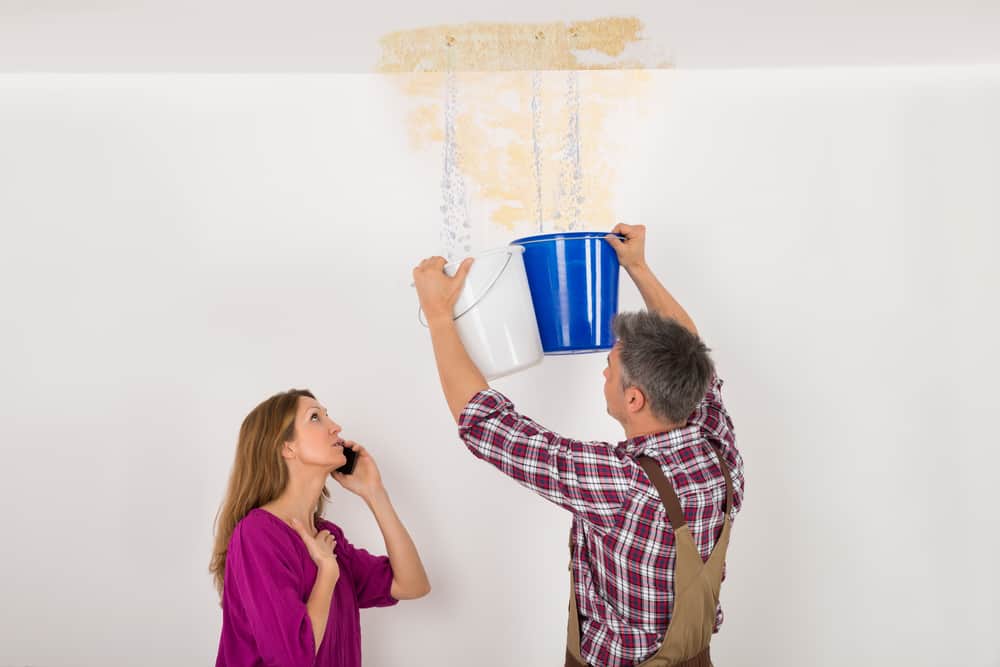
Yes, and it’s one of the most common scenarios we encounter in Hicksville’s postwar housing stock. Galvanized steel supply pipes — standard in homes built through the late 1950s and into the 1960s — corrode from the inside out over time. They don’t always fail all at once. They develop pinhole leaks that can run inside a wall cavity for days or weeks before any visible sign appears on the surface. By the time you notice a water stain on the ceiling or a soft spot in the floor, the framing and insulation inside that wall may have been wet long enough for mold to establish itself.
The fix isn’t just patching the pipe. It’s opening the wall, extracting the moisture from the structural assembly, treating for mold if it’s present, and drying everything to confirmed moisture levels before closing the wall back up. Skipping any of those steps — or doing them out of sequence — is how you end up with a mold problem that surfaces months later and costs significantly more to address than the original pipe repair would have. If your Hicksville home was built before 1970 and you’ve had any unexplained drop in water pressure, that’s worth investigating before it becomes a water damage call.
Yes, and it’s a core part of how we operate. We work directly with insurance companies — handling the documentation, the moisture logs, the photo records, and the direct billing — so you’re not left trying to translate restoration terminology into insurance language after an already stressful event.
For Nassau County homeowners, this matters in a practical way. The documentation standards that Nassau County insurers and adjusters expect align with the IICRC S500 protocol, which is exactly what our certified technicians follow. That means the paperwork your adjuster receives is formatted and detailed in the way they’re trained to evaluate — not a handwritten estimate from an uncertified crew. On a Hicksville home with a current market value in the range of $650,000 to $775,000, the difference between a well-documented claim and a poorly documented one can be significant. Our nearly 30 years of working with Long Island insurers also means we understand the common points of friction in the claims process and how to keep things moving without unnecessary delays.
Useful Links
Other Services we provide in Hicksville