
Hear from Our Customers

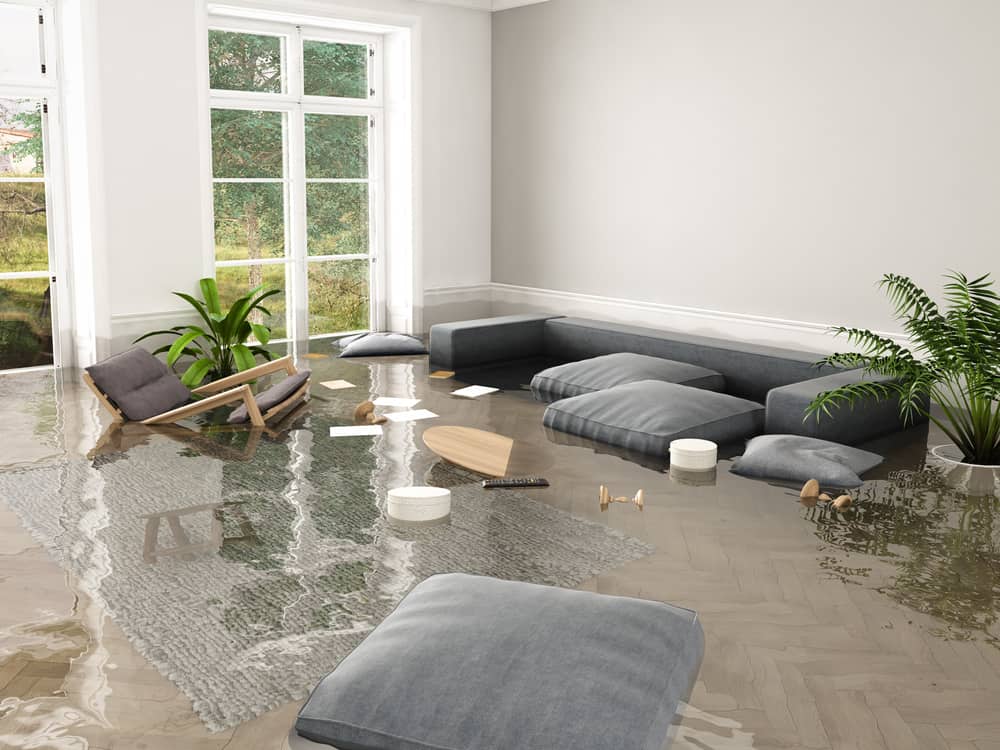
If you live south of Montauk Highway in American Venice, Venetian Shores, or along Lindenhurst’s residential canals, you already know that flooding isn’t a rare disaster — it’s a seasonal reality. Two to three tidal flooding events per year is the documented norm for those neighborhoods, and that changes what “done right” actually means when it comes to water damage restoration.
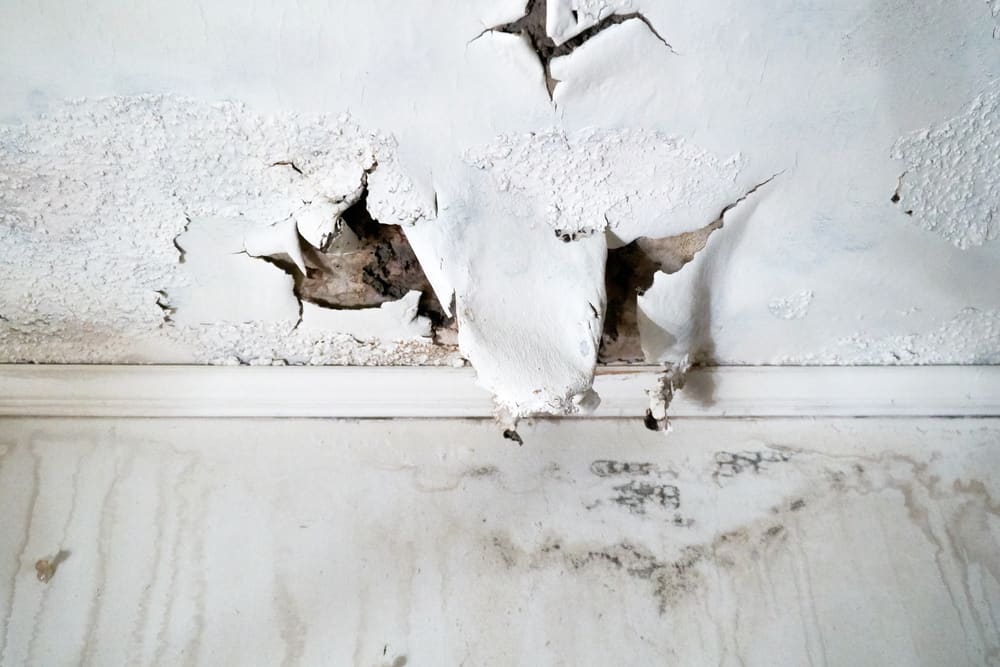
Getting the water out is step one. The part that matters more is what happens after — whether the moisture inside your walls, under your subfloor, and behind your baseboards gets fully eliminated or just covered up. When moisture gets covered up, you find out six months later when mold shows up. When we fully eliminate it using industrial drying equipment and moisture meters, your home stays dry and your air stays clean.
For Lindenhurst homeowners north of Sunrise Highway, the risk is different but just as real. Aging combined sewer systems back up during heavy storms. Sump pumps fail during power outages. Pipes in post-World War II ranch homes and split-levels — many of them 60 to 70 years old — freeze and burst every winter. The source of the water changes, but the need for thorough, professional restoration stays the same. You get one shot to do this right. We make sure it actually is.
We’ve been operating on Long Island since the mid-1990s, headquartered in West Babylon — the community that shares a border with Lindenhurst to the east. When Hurricane Sandy hit in October 2012 and pushed four to six feet of water into the canal neighborhoods along Venetian Boulevard and Bay Place, we were already here. Not a franchise that dispatched crews from out of state. Not a company that showed up after the storm to chase work. A local team that knows this specific coastline, these specific neighborhoods, and what South Shore flooding actually looks like from the inside of a flooded Lindenhurst home.
Our technicians are fully certified by the IICRC — the industry’s recognized standard — and we are licensed, bonded, and insured. That matters for your insurance claim as much as it matters for the quality of the work. We work directly with insurance companies, handle the documentation, and deal with the adjusters so you don’t have to figure out which policy covers what while your basement is still wet.
When you call, the first thing that happens is a free on-site assessment. Not a visual walk-through — an actual moisture inspection using professional detection equipment that finds water inside walls, beneath flooring, and in structural cavities that you can’t see from the surface. In Lindenhurst’s older housing stock, where most homes were built between 1945 and 1970, moisture hides in places that look completely dry to the naked eye. The assessment tells you exactly what you’re dealing with before any financial commitment is made.
From there, the extraction phase begins — industrial-grade pumps and water extraction equipment that remove standing water far faster and more completely than anything available at a hardware store. Once the bulk of the water is out, the structural drying phase starts. High-velocity air movers and commercial dehumidifiers run continuously, pulling moisture out of wall cavities, subfloors, and framing. Moisture readings are taken throughout the process to confirm that drying is actually progressing, not just assumed.
If your property is in one of Lindenhurst’s FEMA-designated flood zones — which covers much of the area south of Montauk Highway — structural repairs following water damage may require permits through the Village of Lindenhurst Building Department or the Town of Babylon Building Division. We navigate that process as part of our full-service restoration scope, which runs from initial extraction all the way through reconstruction when needed. You shouldn’t have to coordinate multiple contractors across multiple phases of the same problem.

Ready to get started?
Water damage in Lindenhurst doesn’t come from just one direction. In the canal communities south of Montauk Highway, it comes from Great South Bay overtopping bulkheads, drainage backflow from the village’s aging combined sewer system, and direct rainfall — sometimes all three at once during a nor’easter. North of Sunrise Highway, it comes from frozen pipes in January, sump pump failures during storm-related power outages, and slow leaks from appliances and water heaters that have been running since the Eisenhower administration. We handle all of it.
Our full scope of services includes emergency water extraction, structural drying, dehumidification, antimicrobial treatment to prevent mold growth, mold remediation when it’s already present, and complete reconstruction when walls, flooring, or structural elements need to be replaced. The EPA’s guidance is clear that water-damaged areas need to be dried within 24 to 48 hours to prevent mold — and in Lindenhurst’s warm, humid summers, that window closes fast. Our 24/7 availability isn’t a marketing line; it reflects the reality that tidal flooding in the canal neighborhoods doesn’t wait for business hours.
New York State’s Mold Law requires that mold assessment and mold remediation be performed by separately licensed entities — a regulation that applies statewide and directly affects how restoration work gets scoped and documented here. We operate in full compliance with these requirements, which matters both for the integrity of the work and for how the job is documented for your insurance claim.

This is one of the most important questions to get right before you file a claim, and the answer depends entirely on where the water came from. Standard homeowners insurance covers sudden, accidental water damage from internal sources — a burst pipe, a washing machine overflow, a water heater that fails. It does not cover flooding. If water entered your Lindenhurst home from Great South Bay, through the canal system, or as surface surge during a storm, that is classified as flood damage and requires a separate NFIP flood insurance policy to be covered.
For Lindenhurst homeowners in the American Venice and Venetian Shores neighborhoods — areas that sit in FEMA-designated Special Flood Hazard Areas — carrying both policies is common, but navigating two separate claims simultaneously is genuinely complicated. Each policy has its own deductible, its own documentation requirements, and its own adjuster. We work directly with insurance companies and handle the documentation on your behalf, which helps ensure the damage is recorded correctly for whichever policy applies. Getting the paperwork wrong at the start can cost you far more than the deductible.
The EPA states that water-damaged areas need to be dried within 24 to 48 hours to prevent mold growth. Mold spores can begin germinating within 24 hours under the right conditions, and visible growth typically appears within 48 to 72 hours. In Lindenhurst’s humid South Shore summers, those conditions are almost always present.
What makes this particularly relevant for Lindenhurst homeowners is that many canal-area properties have experienced multiple flooding events over the years. Each event that wasn’t fully dried — down to the moisture inside wall cavities and beneath subfloors — leaves residual conditions that make the next event worse. A surface-level cleanup that looks finished can still leave enough moisture in the structure to support mold growth weeks later. Professional restoration using industrial drying equipment and moisture meters is the only way to confirm that drying is actually complete, not just assumed based on how things look on the surface.
For most water damage situations — a burst pipe, a sump pump failure, moderate storm flooding — the drying phase typically takes three to five days using industrial dehumidifiers and air movers. Water extraction itself usually wraps up within one to three days. A general basement flood affecting a couple of rooms runs about three weeks from initial dry-out through final repairs, though that timeline varies based on the extent of the damage and whether reconstruction is needed.
For Lindenhurst homes that experienced more significant flooding — particularly in the canal neighborhoods where storm surge can involve contaminated bay water — the timeline extends because Category 3 water damage requires more thorough antimicrobial treatment and often more extensive material removal before drying can begin. Homes in the village’s FEMA flood zones may also need permit approvals from the Town of Babylon before reconstruction work starts, which adds time to the back end of the project. We’ll give you a realistic timeline at the assessment stage, not an optimistic one that changes later.
Insurance companies draw a hard line between these two categories, and it directly affects whether your claim gets paid. Water damage — covered under standard homeowners insurance — refers to sudden, accidental damage from internal sources: a pipe that bursts, an appliance that overflows, a roof leak after a storm. Flood damage — which requires a separate NFIP policy — refers to water that enters your home from outside, including storm surge, rising bay water, and overland flooding.
In Lindenhurst, this distinction is especially consequential. A nor’easter that pushes Great South Bay water through your canal bulkhead and into your basement is a flood claim, not a homeowners claim. A pipe that freezes and bursts during a cold snap in January is a homeowners claim. Sometimes both happen in the same storm — a surge event that also causes a pipe to fail — and you end up filing two separate claims. The documentation for each needs to clearly identify the source and extent of each type of damage. Our experience with Long Island insurance claims, built over nearly 30 years, means we understand how to document this correctly from the start.
In most cases, yes — particularly for water damage that’s contained to one area of the home, like a flooded basement or a single room affected by a burst pipe. Our restoration equipment runs continuously during the drying phase, which means industrial dehumidifiers and air movers operating around the clock for several days, but most homeowners tolerate that without needing to relocate.
The situations where temporary relocation becomes necessary are more serious: extensive flooding across multiple levels, Category 3 water damage involving sewage or contaminated bay water, or mold remediation that requires containment of large areas of the home. In Lindenhurst’s canal communities, where a significant storm surge can affect the entire ground floor, relocation is sometimes the practical reality while restoration is underway. We’ll give you a straight answer about this at the assessment — including what your homeowners or flood insurance policy may cover for temporary housing costs if relocation is necessary.
Sandy hit Lindenhurst’s canal neighborhoods with four to six feet of water in October 2012. The visible damage — ruined drywall, destroyed flooring, gutted interiors — was addressed in the months that followed. But thorough structural drying requires more than replacing what’s visibly damaged. Moisture that penetrates wall framing, floor joists, and structural cavities needs to be fully extracted using industrial equipment, and in the rush to restore homes after a disaster of Sandy’s scale, some properties received surface remediation without complete structural drying.
More than a decade later, restoration professionals working in Lindenhurst still encounter canal-front homes where 2012 flood damage was never fully addressed at the structural level. That residual moisture — combined with the warm, humid conditions that South Shore summers provide — creates an environment where mold can persist or recur long after the original event. If you bought a home in Lindenhurst after Sandy, or if your post-Sandy restoration was done quickly and you’ve had recurring musty odors or visible mold since, a professional moisture assessment is the only way to know whether the original damage was fully resolved. We use moisture meters and detection equipment to find what a visual inspection misses.
Useful Links
Other Services we provide in Lindenhurst