
Hear from Our Customers

When water enters your Long Beach home — whether from storm surge pushing through Reynolds Channel, a burst pipe in a West End bungalow, or a slow leak in a Canals-area condo — the clock starts immediately. The EPA is clear: mold can begin growing within 24 to 48 hours of a water event. That window is the reason professional drying equipment, moisture mapping, and a certified process matter more than a mop and a box fan.
What you get on the other side of proper restoration is a home that’s actually dry — not surface-dry, but structurally dry. We use moisture meters to confirm what you can’t see inside walls, under floors, and behind baseboards. That documentation matters for your insurance claim, and it matters for your health.
Long Beach’s housing stock makes this especially important. A significant portion of the city’s homes were originally built as seasonal summer bungalows — structures with limited insulation, aging foundations, and building envelopes that were never designed to handle repeated water intrusion. In those homes, hidden moisture doesn’t just linger. It compounds. Getting it right the first time is the only way to avoid a mold remediation bill months down the road.
We’ve been serving Long Island homeowners for nearly three decades, with deep roots in Nassau County’s South Shore communities, including Long Beach’s specific conditions: barrier island flooding, aging housing stock, and complex flood zone regulations.
We’re IICRC-certified, licensed, bonded, and insured. That matters here more than in most places. Long Beach sits almost entirely in FEMA Zone AE or Zone VE, which means restoration work can trigger city building department review, flood zone compliance requirements, and dual insurance documentation — homeowners policy and NFIP flood policy. A company without experience navigating that landscape can leave you exposed in ways you won’t discover until it’s too late.
We work directly with insurance companies, handling the documentation and billing so you’re not stuck in the middle. Our dedicated Nassau County phone lines — 516-698-1776 and 516-541-0500 — mean you’re reaching a team with genuine local coverage, not a regional call center.
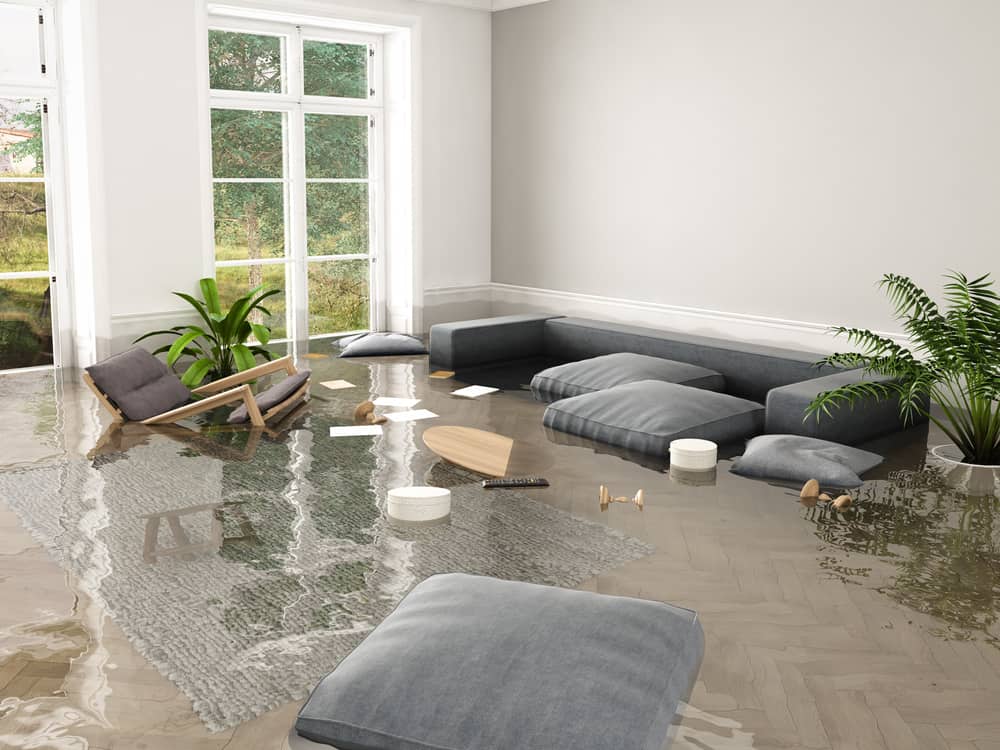
The first call triggers an immediate assessment. A certified technician arrives, evaluates the extent of the damage, identifies the water source category — clean water from a burst pipe, gray water from an appliance, or Category 3 contamination from storm surge or sewage — and documents everything before a single piece of equipment is moved. That documentation is the foundation of your insurance claim, and in Long Beach, where many homeowners carry both a standard homeowners policy and an NFIP flood policy, getting it right from the start matters.
Water extraction comes next — industrial pumps and wet-vacs pulling standing water out of the structure as quickly as possible. Then the drying phase begins. This is where professional equipment separates itself from anything you’d rent at a hardware store. We deploy high-capacity dehumidifiers, commercial air movers, and moisture meters that track what’s happening inside walls and under floors — not just on the surface. In Long Beach’s older bungalows and multi-unit buildings, this phase typically takes three to five days and is monitored throughout.
Once we confirm the structure is dry, any necessary antimicrobial treatment is applied, and the scope of structural repairs is assessed. Because Long Beach operates under FEMA Zone AE and Zone VE standards, we identify early whether repair costs approach the city’s Substantial Improvement threshold — where costs reach 50% or more of a structure’s market value. You won’t be blindsided by compliance requirements mid-project. From there, repairs and reconstruction move forward under a single point of contact, from water extraction through final rebuild.
Ready to get started?
Water damage restoration in Long Beach isn’t a single service — it’s a sequence that has to be done in the right order, with the right equipment, by people who understand what they’re dealing with. We handle the full scope: emergency water removal, structural drying and dehumidification, moisture mapping, mold prevention treatment, and reconstruction. One company, one call, from the initial extraction through the finished repair.
For Long Beach specifically, that scope regularly includes scenarios that don’t come up in inland Nassau County communities. Storm surge flooding from the Atlantic or bay-side inundation from Reynolds Channel involves Category 3 contaminated water — the most hazardous classification under IICRC standards — which requires a different remediation protocol than a burst pipe. The Canals neighborhood, where four waterways connect directly to Reynolds Channel, faces tidal flooding risk that can push groundwater into below-grade spaces even outside of named storm events. Multi-unit buildings and condominiums throughout Long Beach add another layer of complexity when damage crosses unit lines and multiple insurance policies are involved.
Beyond the physical work, we handle direct insurance billing and claims coordination. For Long Beach homeowners navigating both a homeowners policy and an NFIP flood policy, that coordination isn’t a convenience — it’s a meaningful part of what makes recovery manageable. Our nearly 30 years of experience with Nassau County’s insurance and regulatory landscape means fewer surprises and a cleaner path from damage to done.

Standard homeowners insurance covers sudden, accidental water damage from internal sources — a burst pipe, an appliance overflow, a water heater that fails. It does not cover flooding. In Long Beach, where virtually every property sits in FEMA Zone AE or Zone VE, flood damage from storm surge, Reynolds Channel overflow, or ocean-driven inundation falls under a separate NFIP flood insurance policy. These are two distinct policies with two distinct claims processes, and the documentation requirements for each are different.
This distinction matters practically because many Long Beach homeowners carry both policies. If your basement floods during a nor’easter, the cause of the water — whether it entered through the foundation from outside storm surge or from an internal pipe failure — determines which policy responds. We document damage thoroughly from the moment our technicians arrive, which helps establish the cause clearly for both your homeowners insurer and your flood insurer. Getting that documentation right at the start prevents claim complications later.
The EPA’s guidance is specific: water-damaged areas need to be dried within 24 to 48 hours to prevent mold growth. Mold spores begin germinating within 24 hours under the right conditions, and visible growth typically appears within 48 to 72 hours. In Long Beach’s older housing stock — particularly the converted summer bungalows throughout the West End and the Walks — that window closes fast. These homes have limited ventilation and aging building envelopes that hold moisture longer than newer construction.
The bigger issue is hidden moisture. A surface that feels dry to the touch can still have significant moisture content inside the wall cavity, under the subfloor, or behind baseboards. Consumer fans move air but don’t remove moisture from inside structural assemblies. We use professional dehumidifiers and air movers, combined with moisture meters that measure what’s actually inside the wall, to confirm the structure is truly dry. If that step is skipped or rushed, mold can develop weeks after the visible water is gone — and by then, you’re looking at a remediation job on top of the original restoration.
Long Beach’s flood zone regulations include what’s called the Substantial Improvement or Substantial Damage rule. If the cost of repairing or improving a structure equals or exceeds 50% of the structure’s pre-damage market value, the city requires the entire structure to be brought into full current flood zone compliance — including elevating the foundation to Base Flood Elevation plus any additional freeboard required by local code. This rule applies to properties in FEMA Zone AE and Zone VE, which covers virtually all of Long Beach.
In practical terms, this can turn what appears to be a straightforward restoration job into a mandatory elevation project. For older, lower-value homes in the West End, the Walks, or Westholme, the 50% threshold can be reached by a significant water damage event. This isn’t something to discover mid-project. Our familiarity with Nassau County’s regulatory environment means the compliance implications are assessed early, before the scope of work is finalized, so you understand what you’re facing before any work begins rather than after you’re already committed.
The timeline depends on the category and extent of the damage, but a general framework holds for most Long Beach jobs. Water extraction typically takes one to three days. The structural drying phase — the part where dehumidifiers and air movers run continuously while moisture levels are monitored — usually takes three to five days for most residential properties. After that, the scope of any structural repairs is confirmed and reconstruction begins. For a moderate flooding event affecting a few rooms, the full process from initial extraction through completed repairs typically runs around two to three weeks.
For Long Beach specifically, a few factors can affect that timeline. Category 3 storm surge events — contaminated water from ocean flooding or Reynolds Channel overflow — require more extensive remediation protocols than clean water events, which adds time. Multi-unit buildings and condominiums can involve coordination between unit owners, condo associations, and multiple insurance adjusters, which affects scheduling. If the Substantial Improvement threshold is triggered for an older property, the compliance process with the city building department adds additional steps. We walk you through the realistic timeline for your specific situation at the initial assessment.
It depends on the extent and category of the damage. For smaller, contained events — a burst pipe in one room, a water heater failure, an appliance overflow — staying in the home is often possible while drying equipment runs. The equipment is loud and the dehumidifiers run continuously, but the space is generally safe and habitable outside the affected area.
For larger events, or any situation involving Category 3 water — storm surge, sewage backup, or floodwater from Reynolds Channel — temporary relocation is typically the safer and more practical choice. Category 3 water carries biological contamination, and the remediation process involves removing affected materials and applying antimicrobial treatments that make the space unsuitable for occupancy during that phase. In Long Beach, where storm events can affect the entire island and the Long Beach Bridge access may be temporarily disrupted, it’s worth having a plan in place before a major storm rather than making that decision in the middle of one. We’ll give you a clear assessment of whether staying is realistic after the initial inspection.
Yes — we serve all of Long Beach, including the Canals neighborhood in the city’s northeast corner. The Canals area presents its own specific challenges: four waterways named after pro golfers from the 1920s connect directly to Reynolds Channel, the narrow dead-end streets create access considerations for restoration vehicles, and the neighborhood’s proximity to the bay means tidal flooding and groundwater intrusion can occur during moderate weather events, not just major storms. These aren’t conditions that surprise an experienced Long Island restoration team, but they do require a different approach than a standard inland flood job.
We maintain dedicated Nassau County coverage — not a regional dispatch center, but actual local service with 516 area code phone lines. Whether you’re in the Canals, the West End, the President Streets, or anywhere else in Long Beach, the response is the same: IICRC-certified technicians, professional drying equipment, direct insurance billing, and a team that understands Long Beach’s flood zone regulations well enough to flag compliance issues before they become costly surprises.
Useful Links
Other Services we provide in Long Beach