
Hear from Our Customers

When the job is done properly, you’re not just looking at dry floors — you’re looking at walls that haven’t cracked from over-aggressive drying, original hardwood that’s been saved rather than replaced, and a home that smells clean because the moisture is actually gone. Not masked. Not surface-dried. Gone.
That matters everywhere, but it matters more in Oyster Bay, where a significant number of homes were built before World War II. Original plaster walls, wood lath, and wide-plank floors absorb and release moisture differently than modern drywall and concrete. A restoration company that doesn’t account for that can cause secondary damage in the process of fixing the first problem.
Oyster Bay’s position directly on the harbor, which opens into Long Island Sound, adds another layer. This isn’t inland Long Island where water damage is almost always a plumbing story. Here, nor’easters push surge up through the harbor. Spring thaw raises the water table under older foundations. A home in Cove Neck or on the waterfront side of the hamlet can take on water from directions that would never affect a home ten miles inland. We’ve learned to match the restoration approach to the actual risk profile — not a one-size template built for a different kind of house in a different kind of town.
We’re a Long Island company — not a franchise, not a national brand with a local operator. First Response Restoration & Cleaning Inc. is headquartered in West Babylon, with dedicated coverage across Nassau County, including the North Shore communities around Oyster Bay Harbor. That 516 area code on the Nassau line isn’t a forwarded number from a national call center. It’s our local team that picks up.
Our technicians are IICRC-certified, which means we follow the industry’s established protocol for water damage — moisture mapping, damage classification, drying logs, and documentation that insurance adjusters recognize and accept. That last part matters a lot when you’re filing a claim on a high-value historic property near Sagamore Hill and you need the paperwork to hold up.
Nearly three decades of serving Oyster Bay and the surrounding area also means we’ve worked through major storm events — including the kind of nor’easter and hurricane-season damage that the hamlet’s harbor-adjacent neighborhoods know firsthand. That experience isn’t theoretical. It shows up in how we do the job.
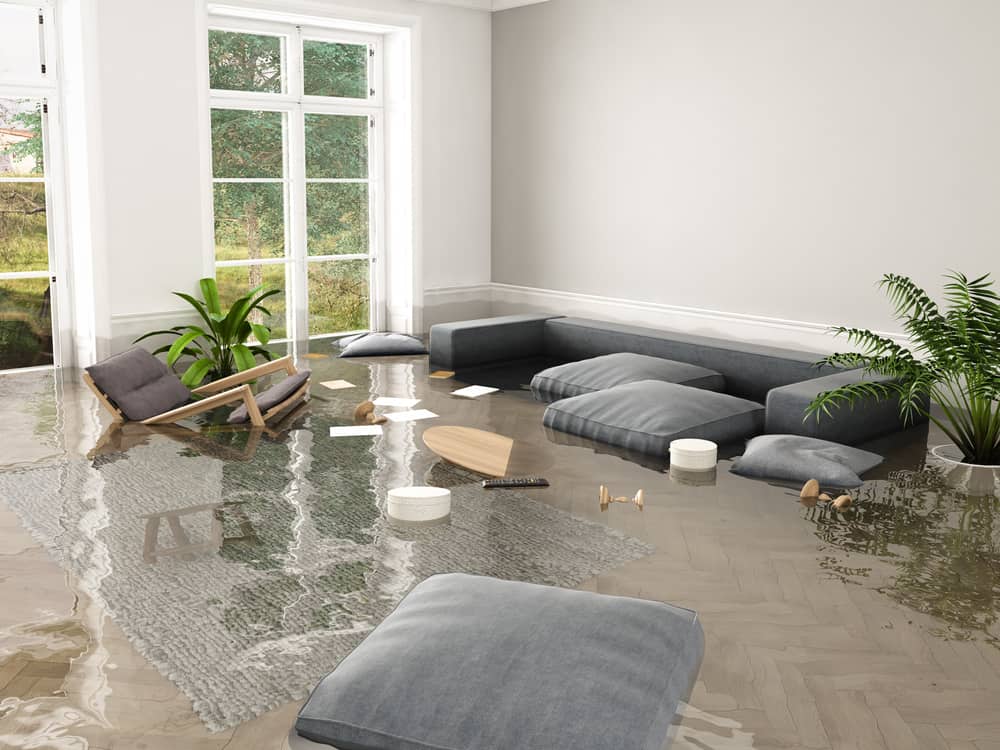
When you call, our first priority is getting someone to your property quickly. Water damage doesn’t pause while you wait for a morning appointment, and in a community like Oyster Bay — where a nor’easter can push harbor surge into a basement at 2 a.m. — around-the-clock availability is the difference between manageable damage and a full structural drying project. We’re available 24/7, and the response is an actual response, not a callback queue.
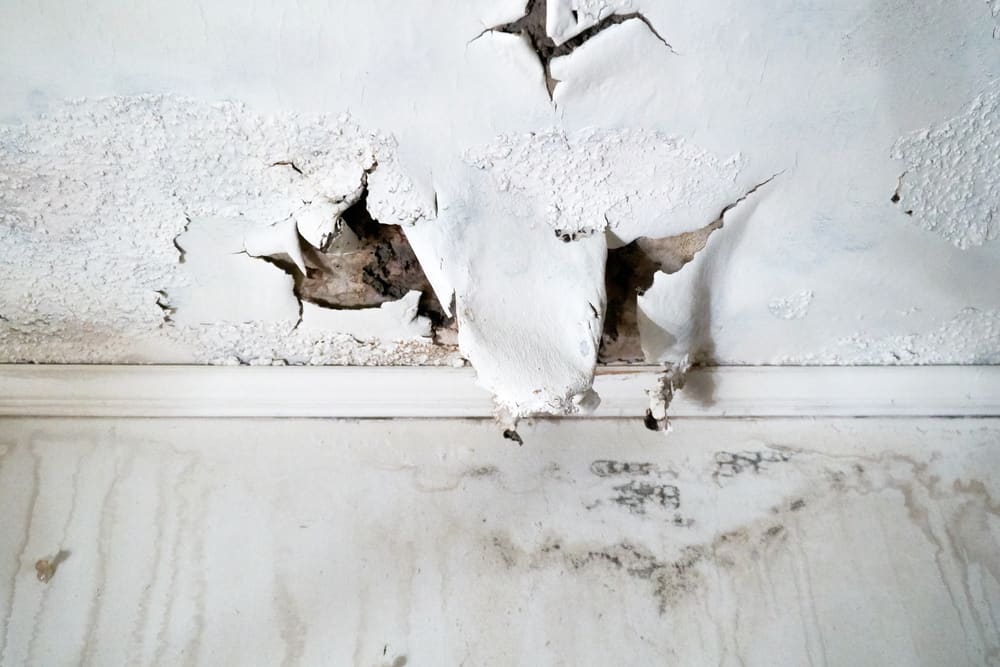
Once on-site, we do a full assessment before anything else. That means moisture meters, thermal imaging where needed, and a clear picture of where the water has traveled — including inside walls, under floors, and in structural cavities that look dry on the surface. In Oyster Bay’s older homes, this step is especially important. Plaster walls and original wood framing hold moisture in ways that modern materials don’t, and a reading that looks acceptable on a surface scan can hide a problem that becomes mold within days.
From there: extraction, structural drying with industrial-grade equipment, antimicrobial treatment where needed, and documentation throughout. If your property is in one of the hamlet’s incorporated villages — Oyster Bay Cove, Cove Neck, Centre Island — and the scope of work requires permits, that process runs through the village’s own building authority, not the town. We handle the full scope from extraction through rebuild, with one point of contact the entire way.

Ready to get started?
The full scope of what we handle here goes well beyond pulling standing water out of a basement. Flooded basement cleanup, burst pipe water damage, storm damage restoration after a nor’easter pushes surge into harbor-adjacent properties, sewage backup, mold remediation following water intrusion — we cover it all, residential and commercial, under one roof.
For Oyster Bay homeowners specifically, a few things come up more often than they do in other Nassau County towns. Frozen and burst pipes are a consistent winter issue in the hamlet’s older, less-insulated housing stock — and in the seasonal and estate properties around Cove Neck and Centre Island that may sit unoccupied for weeks at a time. A pipe that bursts in a vacant waterfront home can go undetected long enough for Category 1 clean water to become a Category 2 or 3 contamination situation by the time someone discovers it. The response protocol changes depending on what the water has become — and our IICRC-certified technicians classify it correctly from the start.
Insurance coordination is built into our process. We work directly with your insurance company — handling documentation, direct billing, and adjuster communication — so you’re not left trying to manage a claim while your floors are still wet. For homeowners carrying both a standard homeowners policy and a separate flood policy, that coordination becomes even more important, and it’s something we’ve navigated across Nassau County for close to three decades.

This is one of the most important distinctions to understand before you file a claim. Standard homeowners insurance covers sudden, accidental water damage from internal sources — a burst pipe, an appliance overflow, a roof leak from a storm. It does not cover flooding. If water entered your home because Oyster Bay Harbor surged during a nor’easter or a tropical storm, that’s classified as flood damage, and it requires a separate flood insurance policy — typically through FEMA’s National Flood Insurance Program — to be covered.
The confusion is common, especially for homeowners in harbor-adjacent areas of the hamlet or in waterfront villages like Cove Neck and Bayville who may not have realized their standard policy has that exclusion. If you’re unsure what you have, call your insurance agent before you assume you’re covered — or not covered. We work directly with insurance companies and can help document the damage in a way that supports whichever policy applies to your situation.
The EPA’s guidance is clear: water-damaged areas need to be dried within 24 to 48 hours to prevent mold growth. That window applies everywhere, but it’s a more urgent issue in older homes like many of those in Oyster Bay, where original plaster walls, wood lath, and wide-plank hardwood floors hold moisture longer and in places that are harder to detect than modern building materials.
Mold spores can begin germinating within the first 24 hours under the right conditions. Visible growth typically shows up between 48 and 72 hours, but microscopic growth starts earlier. In a historic Oyster Bay home where moisture can travel through thick plaster into wall cavities and sit against century-old framing, the timeline is less forgiving than it would be in a newer build. That’s why a thorough moisture assessment — not just a surface check — matters so much in the hamlet’s older housing stock. Getting the hidden moisture out is what stops the mold clock.
This scenario comes up regularly in Oyster Bay’s waterfront and estate communities — particularly in places like Centre Island, which is accessible only by a single causeway, and in the larger seasonal properties around Cove Neck. A pipe bursts during a cold snap in January, the home is unoccupied, and by the time someone discovers it, the water has been sitting for days.
The longer water sits, the more the damage category escalates. Clean water from a burst pipe can become contaminated over time as it contacts building materials, insulation, and organic debris. What started as a Category 1 situation may need to be treated as Category 2 by the time a team arrives. Our IICRC-certified technicians assess the actual condition of the water on-site and respond accordingly — not based on what the damage looked like when it started, but what it is now. If you have a property that sits unoccupied for stretches of time, documenting the condition before and after is also important for the insurance claim, and that’s something we handle as part of the process.
For most basement flooding situations — a burst pipe, a sump pump failure, water intrusion through an older foundation — the full process typically runs about two to three weeks from initial extraction through final repairs. The drying phase alone usually takes three to five days using industrial-grade air movers and dehumidifiers, and that timeline can extend if moisture has traveled into walls or under flooring.
In Oyster Bay’s older homes, the timeline can run longer than it would in a newer build. Original plaster walls and wood framing take more time to dry thoroughly than modern drywall and engineered lumber, and rushing that phase creates the conditions for mold growth later. The goal isn’t to get the moisture readings down to acceptable on day three and move on — it’s to get them to where they need to be, verified with equipment, before reconstruction begins. If permits are required for the repair work — which depends on the scope and whether the property is in an incorporated village with its own building authority — that can add time to the back end of the project.
The first thing that needs to happen is stopping the source — making sure the pipe has been shut off and the water supply is controlled. Once that’s done, the restoration process starts with a full assessment of how far the water has traveled. Burst pipes can push a significant volume of water in a short time, and it doesn’t stay where you can see it. It moves through subfloor assemblies, into wall cavities, under baseboards, and in some cases down into the foundation.
In Oyster Bay’s older homes, this is especially relevant because the building assemblies are more complex. Plaster walls with wood lath behind them, wide-plank floors over uninsulated subfloors, and original cast-iron or galvanized plumbing that may have been failing gradually before the burst — all of these factors affect how the water moved and where it ended up. After the assessment, extraction and structural drying begin, followed by antimicrobial treatment in any area where moisture sat long enough to create mold risk. We document every step, which matters both for your insurance claim and for your own records if you ever sell the property.
In most cases, no — but it depends on the scope of the damage and where it’s located. If the water damage is contained to a basement or a single room and the rest of the home is functional, most homeowners stay in place during the drying phase. The industrial equipment — air movers, dehumidifiers — runs continuously and is loud, but it doesn’t make the home uninhabitable on its own.
Where displacement becomes a real consideration is when the damage involves Category 3 water — sewage backup or heavily contaminated floodwater — or when structural damage affects load-bearing elements, HVAC systems, or the electrical system. In those situations, staying in the home during active remediation isn’t safe or practical. We’ll give you a straight answer about what the situation actually requires after the on-site assessment, not a blanket recommendation either way. If you do need to be out of the home temporarily, that displacement cost may be covered under your homeowners policy’s loss of use provision — something worth confirming with your insurance carrier as part of the claim process.
Useful Links
Other Services we provide in Oyster Bay