
Hear from Our Customers

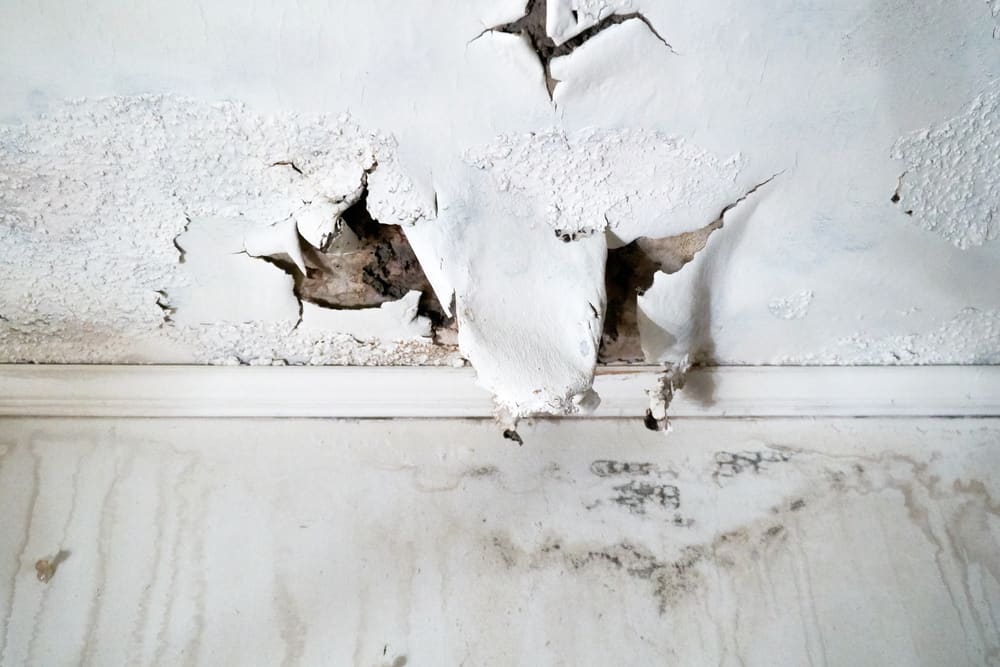
Water damage in Russell Gardens isn’t just inconvenient — it’s a real threat to homes that have been standing since the 1920s and 1930s. The Tudor Revivals and Colonials that define this neighborhood were built with plaster walls, original hardwood floors, and plumbing systems that have been in the ground for close to a century. When water gets in, it doesn’t just sit on the surface. It wicks into plaster, seeps under flooring, and settles into structural cavities that you can’t see and consumer-grade equipment can’t reach.
What changes after a proper restoration isn’t just the visible damage — it’s the confidence that the hidden damage is gone too. That means professional moisture mapping, not just a surface dry. It means documentation your insurance adjuster will actually accept. And it means a Russell Gardens home that isn’t quietly growing mold behind the walls six weeks from now.
For homeowners who commute to Manhattan via the LIRR Great Neck station, that window between leaving in the morning and coming home at night is exactly when an undetected burst pipe or appliance failure can turn into a serious problem. Getting the right team in early — before the 24 to 48 hour mold window closes — is what separates a manageable restoration from a months-long remediation.
We’ve been working in Nassau County for close to three decades. That means we’ve restored homes through multiple storm seasons, freeze-thaw cycles, and post-Sandy cleanup efforts across the county. We know what aging North Shore plumbing looks like behind a plaster wall, and we understand how the peninsula’s drainage constraints affect how fast water moves into a basement when the storm sewer system gets overwhelmed.
We’re based in West Babylon and serve Nassau County with a dedicated 516 area code team. When you call, you’re not reaching a national dispatch center routing a crew from out of state. You’re reaching people who have worked in Russell Gardens neighborhoods — including the tight-knit blocks along Marcus Avenue and those off Northern Boulevard — and who understand what’s at stake when a home worth well over a million dollars takes on water.
All our technicians are IICRC-certified, and we’re licensed, bonded, and insured. That matters to your insurance claim, and it matters to the quality of work done inside your home.
The process starts with a free on-site assessment. Before any work begins, we evaluate the full scope of the damage — including what’s hidden. In Russell Gardens’ older homes, that means using industrial moisture meters and thermal imaging to check inside plaster walls, under original hardwood floors, and in the structural cavities that standard visual inspection misses. You get a clear picture of what you’re dealing with before you commit to anything.
From there, water extraction comes first. Commercial-grade pumps and vacuums remove standing water quickly, because every hour that water sits increases the risk of mold and structural damage. Once the water is out, the drying phase begins — industrial air movers and dehumidifiers run continuously, often for three to five days, until moisture readings confirm the structure is dry. This is not the same as running a box fan for a weekend. The equipment is different, the documentation is different, and the results are different.
Throughout the process, we handle the insurance side directly. We document the damage, communicate with your adjuster, and bill the insurance company — so you’re not stuck in the middle managing paperwork while also trying to manage a restoration. For Russell Gardens homeowners navigating a claim on a high-value property, that coordination is often the most stressful part of the whole experience. It doesn’t have to be.
Ready to get started?
Water damage restoration in Russell Gardens covers more ground than most homeowners expect when they first make the call. It starts with emergency water removal and moves through structural drying, dehumidification, antimicrobial treatment, and mold prevention — and when structural repairs or reconstruction are needed, we handle that too. One company, one call, one point of accountability from start to finish.
The specific conditions in Russell Gardens shape how this work gets done. Homes built in the 1920s and 1930s along streets like Marcus Avenue and those off Northern Boulevard present different challenges than newer construction. Plaster walls absorb and hold moisture differently than drywall. Original subfloors behave differently under prolonged exposure. The restoration approach has to account for that, and it does.
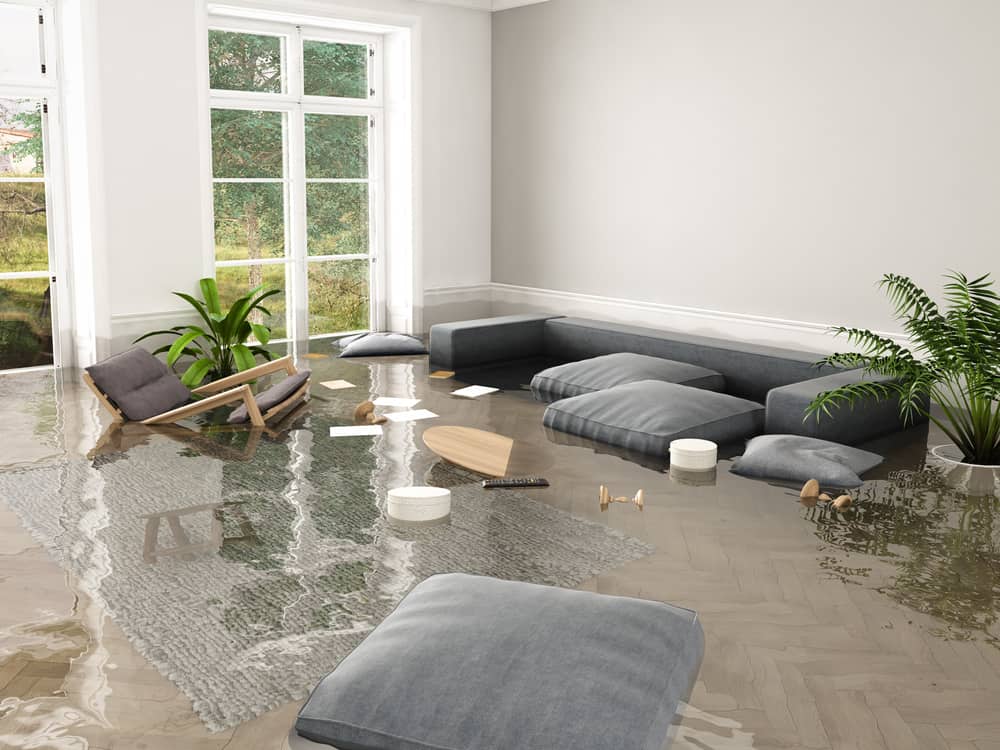
Storm damage restoration and flooded basement cleanup are among the most common calls we receive from this area — and with good reason. Russell Gardens operates its own stormwater management program under New York State law precisely because the peninsula’s drainage system has recognized limitations. When a heavy summer storm overwhelms that system, basements flood fast. We also handle burst pipe water damage, appliance failures, sewage backups, and fire suppression water — any scenario where water has entered a home and needs to be fully removed and documented. Any restoration work requiring permits under the New York State Building Code is handled in compliance with those requirements.

This is one of the most important distinctions to understand before you file a claim. Standard homeowners insurance covers sudden, accidental water damage from internal sources — a burst pipe, a washing machine hose that fails, a hot water heater that gives out. It does not cover flooding. If water entered your home because a storm overwhelmed the drainage system outside and came in through the foundation or a ground-level opening, that’s typically classified as flood damage, which requires a separate flood insurance policy through the National Flood Insurance Program.
This distinction matters a lot in Russell Gardens specifically. The village sits on the Great Neck Peninsula, where flash flooding events have sent feet of water into streets and even onto the adjacent LIRR station platform. If your basement flooded during a storm event, the source of the water — whether it came from a failed interior pipe or from outside — determines what your policy covers. We work directly with insurance companies and can help you document the damage accurately from the start, which is what gives your claim the best chance of being processed correctly.
Faster than most people expect. The EPA’s guidance is clear: water-damaged areas need to be dried within 24 to 48 hours to prevent mold growth. In practice, mold spores can begin germinating within the first 24 hours under the right conditions, and visible growth typically shows up within 48 to 72 hours. By the time you can see it, it’s already been growing for a while.
For Russell Gardens homeowners who commute to Manhattan, the timing is particularly concerning. A pipe that bursts at 8 a.m. while you’re on the LIRR can go undetected until you return home at 7 p.m. — at which point nearly half the mold window has already passed. In a home with plaster walls and original hardwood floors, moisture doesn’t just evaporate on its own. It gets absorbed into the structure. Professional extraction and drying equipment removes that moisture before it has the chance to become a mold remediation project. Calling early — even if you’re not sure how bad it is — is always the right move.
The first priority is safety. Don’t enter a flooded basement if there’s any chance the electrical panel, outlets, or appliances are submerged or near the water line. Turn off the power to the affected area at the breaker if you can do so safely from a dry location. If you can’t, wait for a professional.
Once it’s safe to enter, document everything before you move or remove anything. Photos and video of the water level, affected materials, and any visible damage are essential for your insurance claim. Don’t throw anything away yet — adjusters need to see the damage. After that, call for professional water extraction. In Russell Gardens’ older homes, the temptation to run fans and assume the problem is handled is real, but plaster walls and original flooring hold moisture in ways that consumer equipment simply can’t address. The sooner professional-grade extraction and drying equipment is running, the better the outcome for both the structure and the insurance claim.
It depends on how much water got in and how long it sat before extraction began. For a moderate event — say, a burst pipe that was caught within a few hours — the drying phase alone typically runs three to five days, followed by any necessary repairs. A more significant basement flood that soaked into walls and flooring can extend the timeline to two to three weeks for the full scope of work.
Russell Gardens’ housing stock adds a variable that newer construction doesn’t have. Plaster walls dry more slowly than drywall, and original hardwood subfloors can take longer to reach acceptable moisture levels. We use moisture meters throughout the drying process to confirm when the structure is actually dry — not just when it looks dry. Skipping that step is how hidden moisture turns into a mold problem months later. If reconstruction is needed after the drying phase — replacing damaged sections of wall, flooring, or structural elements — that work is done in compliance with New York State Building Code requirements, which apply to all repair work in the village.
The source of the water changes both the insurance classification and the remediation approach. A burst pipe is considered a sudden, accidental internal event — the type of damage most standard homeowners insurance policies cover. Storm flooding that enters from outside is a separate category and typically requires flood insurance to be covered. Knowing which you’re dealing with from the start affects how the damage gets documented and how the claim gets filed.
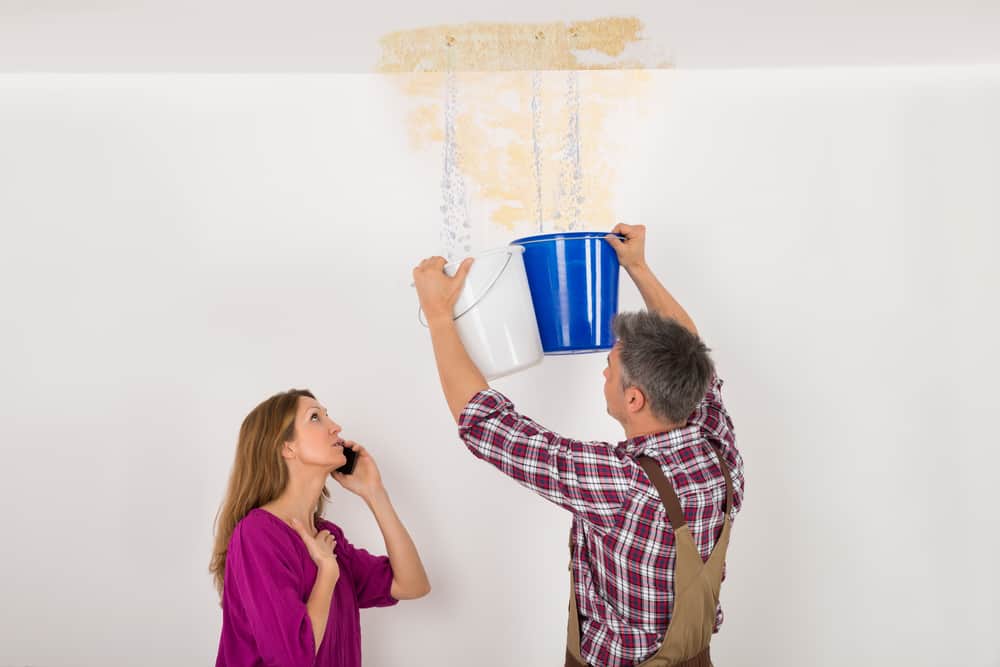
On the remediation side, a burst pipe in a Russell Gardens home — particularly in a 1920s or 1930s Tudor with plumbing that runs through exterior walls or behind plaster — can send water into areas that aren’t immediately obvious. The pipe fails, water flows into the wall cavity, and by the time it shows up on the floor or ceiling, it’s already been spreading for hours. Professional moisture mapping identifies the full extent of the damage, including the parts you can’t see. That’s especially important in older homes where the pipe configuration isn’t always where you’d expect it to be, and where the wall materials hold moisture rather than letting it evaporate.
Insurance adjusters are familiar with IICRC standards, and the documentation that comes from a certified restoration follows a framework adjusters recognize and accept. When a company follows the IICRC S500 standard for water damage restoration, the work is categorized correctly — by water type, by affected materials, by drying protocol — and that documentation holds up when the claim is reviewed.
For a Russell Gardens homeowner with a home valued at $1 million or more, the insurance claim on a significant water damage event can easily reach five figures. The difference between a well-documented claim from a certified company and a loosely documented one from an uncertified contractor can directly affect what gets paid out. Beyond the claim, IICRC certification means the work itself follows established protocols — the right drying targets, the right antimicrobial treatments, the right sequence of steps. In Nassau County, where high-value homes and complex older construction are the norm rather than the exception, that level of process discipline isn’t optional. It’s what separates a restoration that holds up from one that leaves problems behind.
Useful Links
Other Services we provide in Russell Gardens