
Hear from Our Customers

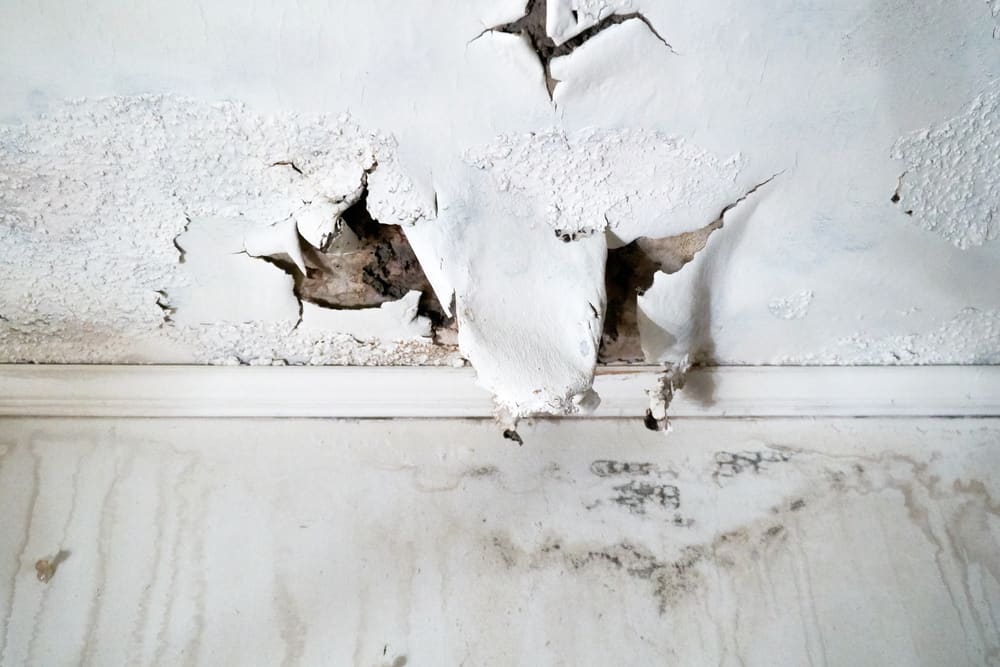
Water damage in a Selden home is rarely just a surface problem. The median home here was built in 1967, which means original subfloor framing, older wall cavities, and basement construction that was never designed to handle what modern storms throw at it. When water gets behind those walls, a shop vac and a box fan aren’t going to cut it.
What you actually need is someone who can measure what’s there, dry what’s hidden, and document everything properly so your insurance claim holds up. That last part matters more than most people realize. After August 2024 — when Suffolk County saw its first-ever flash flood emergency and Selden recorded over seven inches of rain in a single storm — a lot of homeowners found out the hard way that filing a claim without proper documentation is a losing battle.
When the process is handled right from the start, you’re not left negotiating with an adjuster over a damp basement you thought was taken care of. The outcome you’re looking for isn’t just dry floors. It’s a home that’s structurally sound, mold-free, and backed by paperwork that shows the work was done to the standard your insurance company actually recognizes.
We’ve been restoring Long Island homes since the mid-1990s. Based in West Babylon and covering all of Suffolk County, we operate a dedicated local number — 631-587-5300 — that connects you to our actual team, not a national dispatch center routing your call to whoever’s available.
That kind of longevity means we’ve seen what central Suffolk County homes actually look like from the inside. The post-war housing stock in Selden, Centereach, and Coram has its own set of challenges — aging drainage systems, original basement walls, plumbing that’s well past its expected lifespan. These aren’t abstract concerns. They’re the specific conditions that determine how water moves through a home and where it hides.
Every technician is IICRC-certified, and we’re licensed, bonded, and insured. That combination matters here because restoration work in the Town of Brookhaven can require building permits for structural repairs — and having a certified, licensed contractor managing the process from extraction through rebuild keeps everything above board and on record.
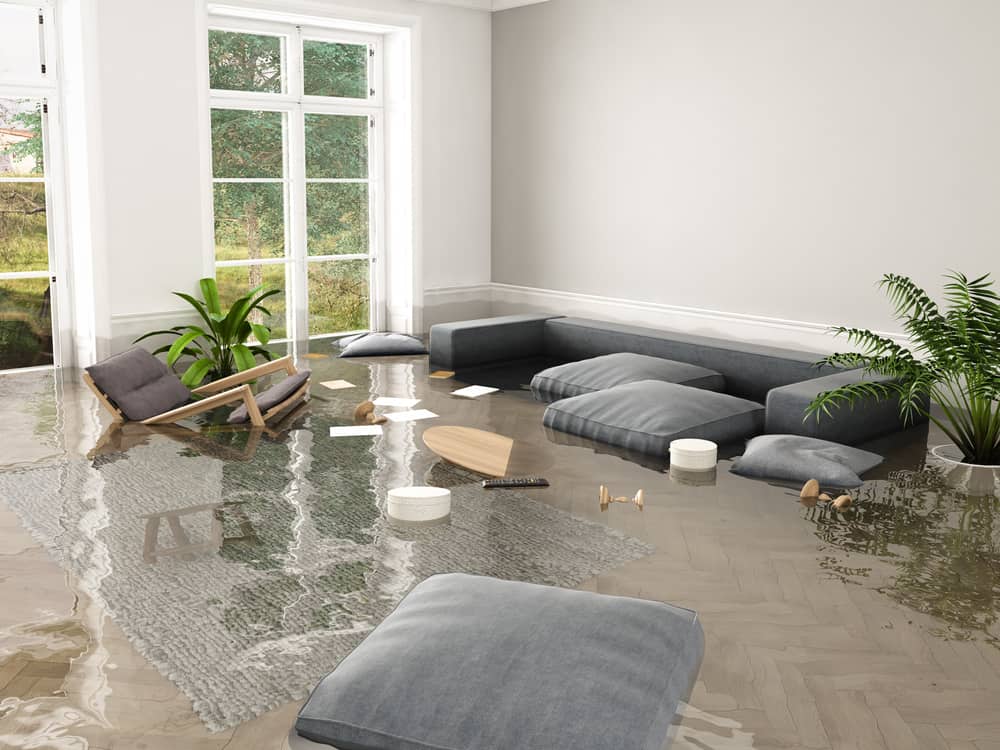
When you call, our first priority is stopping the damage from spreading. A technician comes out to assess the full scope — not just what’s visible, but what the moisture meters and thermal imaging are picking up inside the walls and under the floors. In Selden’s older housing stock, that step is critical. Water migrates into places that look fine on the surface, and skipping a thorough assessment is how you end up with a mold problem three months later.
Once the scope is clear, water extraction begins using industrial-grade equipment. This isn’t comparable to anything consumer-grade — the airflow, suction capacity, and dehumidification levels are in a completely different category. Structural drying typically runs three to five days, and we monitor moisture readings throughout to confirm the building materials are actually drying, not just the surface.
From there, any affected materials that need to go — drywall, insulation, subfloor sections — are removed and documented. If reconstruction is needed, we handle that too, so you’re not coordinating between multiple contractors. The entire process is documented in a format that supports your insurance claim, which is especially relevant for homeowners dealing with the Town of Brookhaven’s permit requirements for structural work.

Ready to get started?
Water damage in Selden shows up in a few consistent patterns. Burst pipe water damage is one of the most common calls during winter — older homes along Middle Country Road and throughout the hamlet have supply pipes routed through exterior walls and uninsulated spaces that were never updated for modern insulation standards. When temperatures drop and those pipes freeze and burst, the water moves fast and spreads further than most homeowners expect before it’s discovered.
Flooded basement cleanup is the other major category, and the August 2024 storm made that very real for a lot of Selden residents. Basement water extraction in a 1960s home means dealing with original concrete block walls, older drain tile systems, and sump pits that may not have been serviced in years. The work involves extraction, structural drying, dehumidification, antimicrobial treatment, and a full moisture check before anything gets closed back up.
Storm damage restoration after heavy rain events also often includes water that entered through roof penetrations, window frames, or deteriorated siding — all common in homes that are approaching or past 60 years old. We handle all of it under one roof, and work directly with your insurance company on documentation and billing so you’re not managing that process on top of everything else. If you’re not sure what’s covered, that conversation starts with a free on-site assessment — no pressure, just a clear picture of what you’re dealing with.

In most cases, yes — but the details matter. Standard homeowners insurance typically covers sudden, accidental water damage from internal sources like a burst pipe, a failed water heater, or a washing machine overflow. What it does not cover is gradual damage from a slow leak that went unaddressed, or flooding from groundwater and storm surge, which requires a separate flood insurance policy.
For Selden homeowners, the burst pipe scenario is particularly relevant. Homes built in the 1960s and 1970s often have supply pipes in exterior walls or unheated spaces that are vulnerable to freezing during Suffolk County winters. When one of those pipes fails, the damage can spread quickly through original subfloor material and wall cavities before it’s even noticed. The key to a successful claim is proper documentation — moisture mapping, written scope of damage, and a restoration process that follows IICRC standards. Insurance adjusters look for that documentation, and without it, claims get reduced or denied. Having a certified company handle the process from the first call makes a real difference in how the claim resolves.
The EPA’s guidance is clear: mold can begin developing within 24 to 48 hours of a water event. That window is not a marketing line — it’s the actual biological timeline for mold spores to start colonizing wet materials. In a Selden home with original drywall, wood framing, and older insulation, those materials absorb moisture quickly and hold it, which creates exactly the conditions mold needs.
The challenge for a lot of Selden residents is that this is a commuter community. The average commute runs over 30 minutes each way, and a pipe that bursts in the morning or a basement that takes on water during a midday storm may not be discovered until evening. By then, several hours of that 48-hour window are already gone. That’s why our 24/7 availability isn’t just a convenience — it’s directly relevant to how much damage you’re actually dealing with when help arrives. The faster extraction and drying start, the less likely you are to be looking at a mold remediation job on top of the water damage restoration.
The first thing to do is make sure it’s safe to enter the space. If there’s any chance the water has reached electrical outlets, panels, or appliances, don’t go in until the power is off. After that, call a restoration company before you start moving things around or trying to dry it yourself — the sequence of documentation matters for your insurance claim, and disturbing the scene before it’s been assessed can complicate things.
While you’re waiting, if it’s safe to do so, you can move valuables and furniture out of the water’s path and take photos of everything affected. Don’t run a household fan and assume it’s drying — consumer-grade airflow doesn’t reach inside walls or under floors, and it can actually spread moisture into areas that weren’t yet affected. In Selden’s older homes especially, the subfloor and wall cavities are where the real damage accumulates, and those areas need industrial drying equipment and moisture meters to confirm they’re actually dry. A free on-site assessment gives you a clear picture of what you’re actually dealing with before any decisions are made.
For a typical water damage event — say, a burst pipe affecting one or two rooms — the drying phase alone usually runs three to five days. That’s the time it takes for industrial dehumidifiers and air movers to bring structural moisture levels down to an acceptable range, confirmed by moisture meter readings rather than just visual inspection. Extraction itself is generally completed within the first day or two.
After drying, if materials need to be removed and replaced — drywall, insulation, sections of subfloor — that work adds time depending on scope. A moderate water damage event in a Selden home can realistically take two to three weeks from first call to completed reconstruction, and more extensive damage involving mold or significant structural materials takes longer. The age of the housing stock here is a real factor: original materials from the 1960s and 1970s often absorb more water and dry more slowly than modern building materials. If reconstruction requires a permit through the Town of Brookhaven, that timeline also factors in.
Yes. We work directly with your insurance company — handling documentation, scope of damage reporting, and billing — so you’re not stuck in the middle trying to translate between a restoration contractor and an adjuster who speaks a different language.
This is one of the more practical differences between working with a company that has nearly 30 years of insurance coordination experience and one that doesn’t. After a significant event like the August 2024 flooding that hit Suffolk County, insurance adjusters are managing a high volume of claims simultaneously. Homeowners who have a restoration company providing properly formatted documentation — moisture readings, IICRC-standard scope reports, photo evidence — are in a much stronger position than those submitting a claim without that backup. The process starts with a free on-site assessment, which gives you and your insurer a clear, documented picture of the damage before any work begins. That transparency protects you throughout the claim process and reduces the likelihood of disputes over what was damaged and what was done to fix it.
Absolutely, and August 2024 made that very clear for a lot of central Suffolk County residents. Selden recorded over six inches of rainfall in a single storm event during that month — the National Weather Service issued the first-ever flash flood emergency for Suffolk County, and Governor Hochul declared a Disaster Emergency. Selden is not a coastal community, it’s not designated as a primary FEMA flood zone, and it still experienced significant inland flooding that damaged homes and businesses across the area.
The reason inland flooding hits Selden homes hard comes down to a few factors working together. The groundwater table in parts of central Suffolk County can be relatively high, and the drainage infrastructure in neighborhoods built during the 1950s and 1960s wasn’t designed for the rainfall volumes that modern storm systems deliver. When the ground saturates faster than it can drain, water finds its way into basements through block walls, around old drain tile systems, and through sump pits whose pumps may not have been tested in years. Not being in a designated flood zone doesn’t mean your home is protected from this kind of event — it means your standard homeowners insurance may not cover it either, which is why understanding the difference between flood coverage and water damage coverage before something happens is worth the conversation.
Useful Links
Other Services we provide in Selden