
Hear from Our Customers

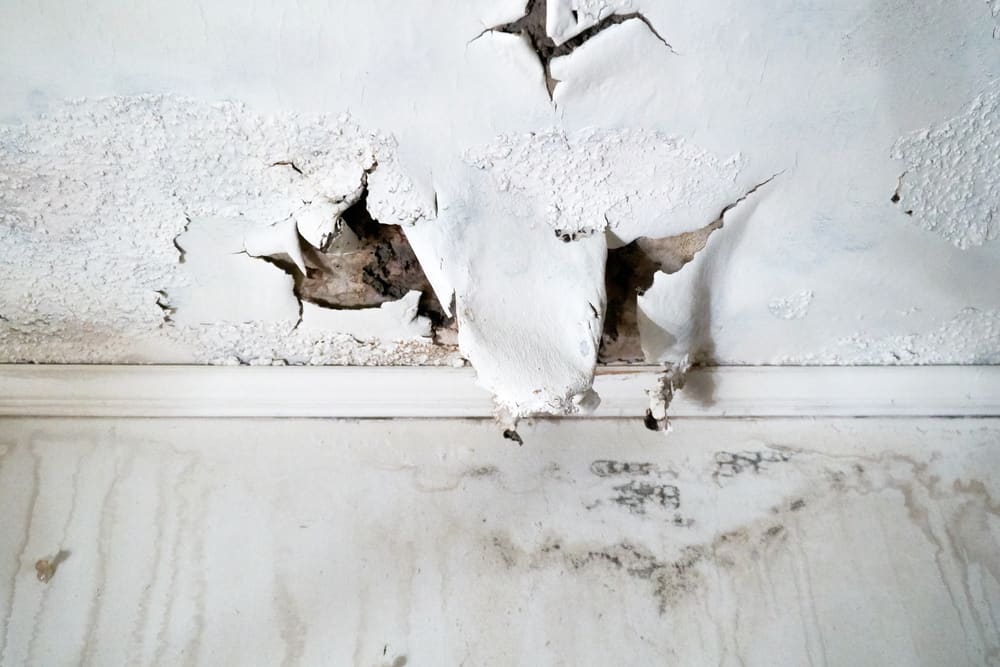
When the water is gone, what you’re left with matters more than most people realize. A surface-level cleanup might look fine for a few weeks — but moisture trapped inside the walls of a 1960s raised ranch, behind baseboards, or under a hardwood subfloor doesn’t stay hidden forever. In a Woodmere home worth well over a million dollars, that hidden moisture becomes a mold problem, and a mold problem becomes a much more expensive conversation.
What you actually get from proper water damage restoration isn’t just a dry floor — it’s confirmation, backed by moisture readings and documented drying logs, that the job is genuinely finished. That documentation also matters when your insurance adjuster reviews the claim. Insurers want to see that the work was performed to IICRC standards, and that the scope of damage was properly recorded from the start.
Woodmere’s coastal position along Brosewere Bay keeps ambient humidity consistently higher than inland Nassau County. That means drying times run longer here, and consumer-grade fans simply don’t have the capacity to pull moisture out of structural cavities the way industrial drying equipment does. Getting this right the first time protects your home, your insurance claim, and the investment you’ve made in this community.
We’ve been serving Nassau and Suffolk County homeowners for nearly three decades. That’s not a marketing number — it means our team was already here, already working, when Superstorm Sandy obliterated the Woodmere Docks area in 2012 and pushed boats from the Keystone Yacht Club onto nearby lawns. We’ve seen what the Five Towns South Shore does to a basement after a serious storm, and we know exactly what proper remediation looks like in these homes.
We’re based in West Babylon and maintain dedicated Nassau County coverage, including Woodmere and the Five Towns. Our technicians are IICRC-certified, and we’re licensed, bonded, and insured — which matters both for the quality of the work and for how your insurance claim gets processed. Every assessment starts with a free, no-pressure on-site evaluation so you understand the scope before any commitment is made.
We’re not a franchise dispatching crews from a regional call center. We’re a Long Island company that knows these neighborhoods, these homes, and the specific flood patterns that come with living on the South Shore.
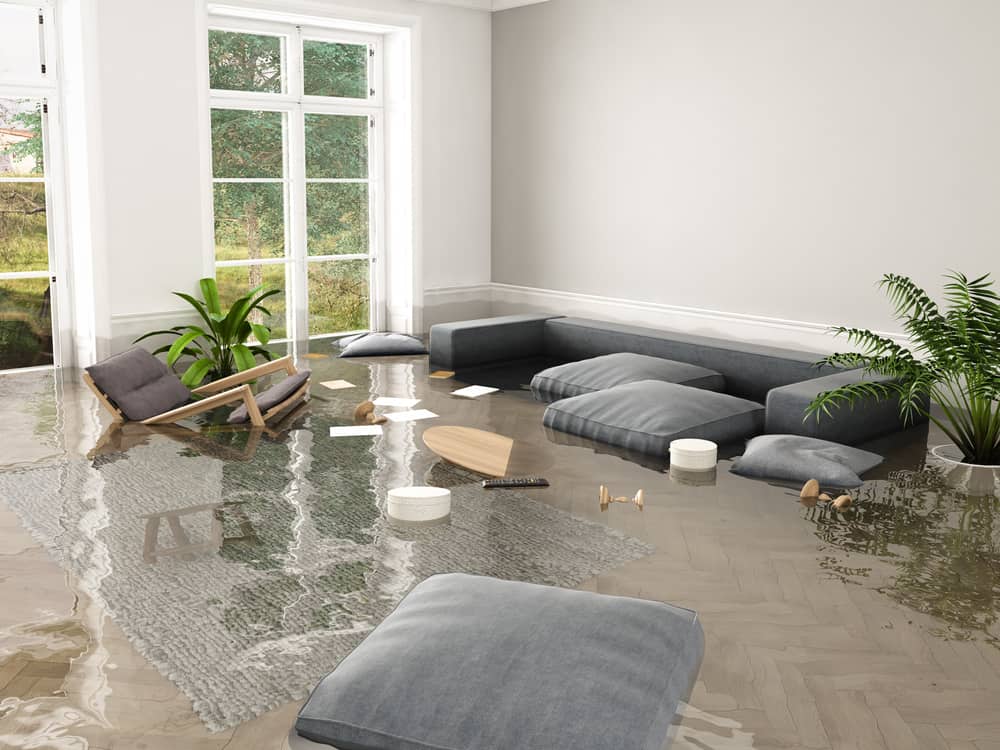
When you call, the first thing that happens is a real conversation — not a hold queue. You’ll describe what you’re dealing with, and we’ll give you an honest read on urgency and next steps. If it’s an active emergency, our response is around the clock. The September 29, 2023 flash flood that submerged cars on Peninsula Boulevard at Saddle Ridge Road hit on a Friday — water damage doesn’t schedule itself around the workweek, and neither does our response.
Once on-site, we start with a full moisture assessment. Industrial moisture meters and thermal imaging identify where water has traveled — not just where it’s visible. In Woodmere’s post-war housing stock, that often means checking inside wall cavities, under original hardwood floors, and around aging drain line connections in the basement. After extraction, we deploy commercial-grade air movers and dehumidifiers calibrated for the ambient coastal humidity conditions specific to this area, which meaningfully affects drying times compared to inland communities.
Throughout the drying phase — typically three to five days for most homes — we log and monitor readings. When the moisture levels confirm the structure is dry, we compile the documentation for your insurance carrier. If structural repairs or reconstruction are needed, we handle that through the same company, the same point of contact, from start to finish. You don’t coordinate multiple contractors. One call covers the whole scope.
Ready to get started?
Water damage restoration in Woodmere covers more ground than most homeowners expect when they first call. Emergency water removal and basement water extraction are the starting point — getting standing water out fast before it wicks further into the structure. From there, the process moves into structural drying, which in a Five Towns home near the water means accounting for the coastal humidity that slows the process and increases mold risk if the equipment isn’t sized correctly for the conditions.
Mold prevention is built into our process, not offered as an add-on. The EPA is clear that mold can begin forming within 24 to 48 hours of water damage — in Woodmere’s humidity, that window is real. We provide antimicrobial treatment of affected surfaces as part of the standard scope. If mold is already present, we handle remediation under New York State’s mold law, which requires that assessment and remediation be performed by separately licensed contractors — something we’re fully equipped to navigate correctly.
For homeowners dealing with burst pipe water damage, storm damage, or flooding tied to the area’s high water table and proximity to Brosewere Bay, our full scope also includes insurance documentation and direct billing coordination. We hand your adjuster a complete, properly documented claim — not leave you to piece it together on your own. Reconstruction, if needed, is handled through our team.

This is one of the most important distinctions to understand before you file anything. Standard homeowners insurance typically covers sudden, accidental water damage from internal sources — a burst pipe, a failed water heater, an appliance overflow. What it does not cover is flooding. If water enters your home from the outside — storm surge, overland flooding, or groundwater pushed up by Woodmere’s high water table — that falls under flood insurance, which is a separate policy entirely.
This distinction matters enormously in Woodmere, where the September 29, 2023 flash flood and Superstorm Sandy both caused damage from external water sources. If you don’t have a separate flood insurance policy through the National Flood Insurance Program or a private carrier, storm surge and groundwater intrusion likely won’t be covered under your standard homeowners policy. Before you assume you’re covered — or assume you’re not — it’s worth having the source of the water clearly documented from the start of the restoration process. That documentation is exactly what we provide as part of the initial assessment.
The EPA’s guidance is that mold can begin forming within 24 to 48 hours of water damage. That’s not a worst-case scenario — that’s the standard timeline under normal conditions. In Woodmere, where coastal humidity along the South Shore keeps ambient moisture levels consistently elevated, the conditions that support mold growth are already present before the flood even happens. That makes the window even less forgiving than it would be for an inland community.
What this means practically is that a cleanup job that looks complete on the surface — floors dried, visible water removed — can still leave active mold growth behind if moisture remains inside wall cavities, under subfloors, or around aging pipe connections in the basement. This is why professional moisture mapping matters. It’s not about being thorough for the sake of it; it’s about confirming with actual readings that the structure is dry before the job is called finished. A mold remediation project six months later is significantly more expensive and disruptive than getting the drying phase right the first time.
For most homes, the drying phase runs three to five days once extraction is complete. The full restoration timeline — including any structural repairs or reconstruction — typically averages around two weeks for moderate damage, though significant flooding that affects multiple rooms or structural components can extend that considerably. Every situation is different, and the honest answer depends on how much water entered, how long it sat before extraction began, and what the moisture readings show inside the walls and subfloor.
For Woodmere specifically, the coastal humidity is a real variable. Drying equipment has to work harder here than in drier inland communities, and calibration matters. A team that uses the same equipment setup regardless of ambient conditions will consistently underperform in a South Shore environment. The post-war housing stock in Woodmere — raised ranches and split-levels from the 1950s and 1960s — also tends to have more complex subfloor and wall cavity configurations than newer construction, which can add time to the drying verification process. You’ll get a realistic timeline estimate after the initial on-site assessment.
The first thing to check is safety — if there’s any chance the water has reached electrical panels, outlets, or appliances, don’t enter the basement until the power is confirmed off. Standing water and live electricity are the most immediate hazard, and it’s not worth the risk to assess damage before that’s resolved.
Once it’s safe to enter, document everything you can with photos or video before anything is moved or touched. This documentation is important for your insurance claim and gives our team a clear picture of initial conditions. Then call a restoration company — not your insurance company first. Getting a professional on-site to properly assess and document the damage before an adjuster arrives strengthens your claim significantly. The longer water sits in a Woodmere basement, particularly given the area’s humidity and high water table conditions, the more it wicks into structural materials and the more expensive the remediation becomes. Speed matters here in a way that directly affects both the damage outcome and the final cost.
Generally, yes — a sudden, accidental pipe burst is one of the scenarios that standard homeowners insurance is designed to cover. The key word is sudden. If an adjuster determines that the pipe failed gradually over time due to age or lack of maintenance, or that there were visible signs of a slow leak that went unaddressed, the claim can be denied on grounds of neglect or failure to maintain the property.
This is a relevant concern in Woodmere, where much of the housing stock dates to the 1950s and 1960s and original plumbing systems — cast iron drain lines, older supply connections — are still in use in many homes. An older pipe that finally gives out in the middle of a cold snap is a legitimate burst pipe claim. But if there’s evidence of prior corrosion, staining, or slow leakage that was visible and ignored, the insurer may push back. Proper documentation from the moment of the incident — timestamped photos, a professional assessment that clearly identifies the failure as sudden rather than gradual — is what protects the claim. That’s part of what we handle from the first call.
The range is wide because the variables are wide. Nationally, water damage restoration averages around $3,864, but jobs can run from a few hundred dollars for a minor contained incident to well over $10,000 for extensive flooding that affects multiple rooms, structural components, or requires mold remediation on top of drying and reconstruction. The primary drivers are how much water entered, what category of water it was — clean water from a burst pipe versus gray or black water from a sewage backup or storm surge — how long it sat before extraction began, and how far it traveled into the structure.
In Woodmere, the coastal humidity factor genuinely affects cost because it extends drying time and increases the risk of secondary mold damage if the initial drying isn’t thorough. Homes here also tend to have more square footage and more complex layouts than the average Long Island home, which affects both the scope of extraction and the drying equipment required. The free on-site assessment we provide before any work begins is designed to give you a clear, honest picture of what you’re actually dealing with — so there are no surprises when the scope is defined and the insurance documentation is prepared.
Useful Links
Other Services we provide in Woodmere