Summary:
You found mold. Or you think you did. Now you’re searching for answers about what it’s going to cost to deal with it, and the numbers you’re seeing online are all over the place. Some companies offer “free” inspections. Others quote $10,000 before they’ve even looked at your property. And somewhere in the middle, you’re trying to figure out what’s fair, what’s required by law in New York, and whether your insurance will cover any of it. Here’s what mold inspection and remediation actually cost in Nassau County, why you need two separate companies under state law, and how to make sure you’re getting transparent pricing from the start.
What Does Mold Inspection Cost in Nassau County
A professional mold inspection in Nassau County typically runs between $300 and $800. That price gets you a licensed assessor who visually examines your property, identifies moisture sources, takes air or surface samples if needed, and provides a written report with lab results.
The final cost depends on your home’s size, how many areas need testing, and whether the assessor needs to use specialized equipment like infrared cameras to find hidden moisture behind walls. Larger homes or properties with multiple suspected areas will land toward the higher end of that range.
What you’re paying for isn’t just someone walking through with a flashlight. Under New York State law, mold inspectors must be licensed, trained, and follow specific protocols. The inspection includes lab analysis from an accredited facility, usually with results back in 48 to 72 hours. You’ll get documentation that shows exactly what type of mold is present, where it’s growing, and what’s causing the moisture that’s feeding it.
Why New York Requires a Separate Licensed Mold Inspector
New York is one of the only states that legally separates mold inspection from mold remediation. Article 32 of the New York State Labor Law, which took effect in January 2016, makes it illegal for the same company to both inspect your home for mold and then clean it up.
This law was a direct response to widespread scams after Hurricane Sandy in 2012. Contractors would offer “free” mold inspections, then declare a toxic emergency and charge homeowners tens of thousands of dollars for cleanup work that may not have been necessary. There was no oversight. No second opinion. And homeowners had no way to know if the scope of work was legitimate.
Now, the inspection company must be independent. They assess the situation, identify the problem, and create a written Mold Remediation Plan that outlines exactly what needs to be done. Then you hire a separate, licensed remediation company to do the actual work. After the cleanup is finished, the original inspector comes back to verify the job was done correctly and issue a clearance report.
This separation protects you from inflated estimates and ensures the company doing the cleanup doesn’t have a financial incentive to exaggerate the problem. If a contractor offers to do both the inspection and the remediation on the same job, they’re violating state law. Walk away.
The inspection cost is separate from remediation. You pay for the assessment first. Then, armed with a clear remediation plan, you can get competitive quotes from licensed remediation companies who are all bidding on the same scope of work. That’s how you compare apples to apples and avoid getting overcharged.
What's Included in a Professional Mold Inspection
A legitimate mold inspection in Nassau County includes more than a quick visual check. Licensed assessors follow a systematic process designed to find not just the mold you can see, but the moisture problems and hidden growth you can’t.
The inspection starts with a consultation about your concerns. When did you first notice the problem? Have you had any leaks, flooding, or water damage? Are there musty odors in certain rooms? This background helps the inspector know where to focus.
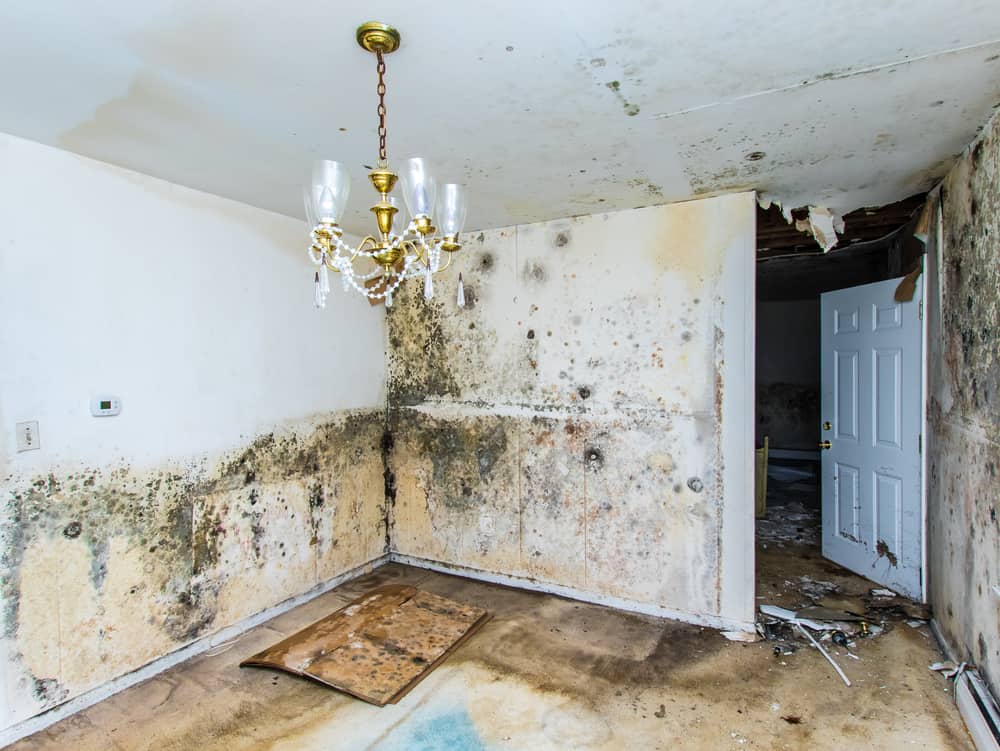
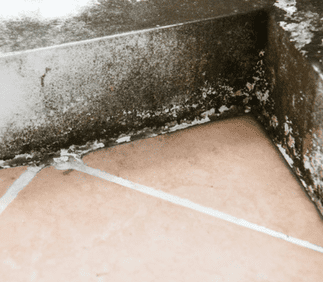
Next comes the visual assessment. The inspector examines areas prone to mold growth like basements, bathrooms, attics, crawl spaces, and anywhere you’ve had water issues. They’re looking for visible mold, water stains, discoloration, peeling paint, or signs of moisture intrusion.
Moisture detection is a critical part of the process. Inspectors use moisture meters and sometimes infrared cameras to find hidden dampness behind walls, under floors, or in ceilings. Mold doesn’t grow without moisture, so identifying the source is essential to solving the problem long-term.
If mold is found or suspected, the inspector takes samples. Air samples measure mold spore levels in the indoor environment. Surface samples test visible growth to identify the specific type of mold. These samples go to an accredited laboratory for analysis. You’ll receive lab results that show what species of mold are present and at what concentration levels.
Finally, you get a written report. This document details the findings, identifies the moisture source, and includes a Mold Remediation Plan if cleanup is needed. The plan specifies which areas need treatment, what materials need removal, what containment methods are required, and how the cleanup should be performed. This plan is your protection. It ensures every remediation company you contact is quoting the same work, so you can compare pricing fairly.
Mold Removal Cost: What Remediation Actually Runs
Mold remediation costs in Nassau County range from around $500 for a small, contained area to over $20,000 for extensive contamination throughout a home. The average project falls between $2,000 and $6,000, but your actual cost depends on how much mold is present, where it’s located, what materials are affected, and how difficult it is to access.
Small jobs under 10 square feet might cost $500 to $2,000. This could be a bathroom with mold around a shower or a small patch in a basement. Medium-sized projects covering 10 to 100 square feet typically run $1,500 to $7,500. Larger infestations, hidden mold inside walls or HVAC systems, or whole-house remediation can easily exceed $10,000 to $20,000 or more.
Pricing is often calculated per square foot, generally ranging from $10 to $30 per square foot in Nassau County. Complex jobs involving difficult access, extensive containment, or specialized removal techniques can push that closer to $50 per square foot. The type of mold matters too. Black mold often requires additional safety protocols, specialized containment, and careful disposal, which can add $500 to $2,000 to the total cost.
Black Mold Removal Cost and Why It's Higher
Black mold, scientifically known as Stachybotrys chartarum, carries a reputation for being particularly hazardous. While all mold should be taken seriously, black mold removal does typically cost more than remediation for other species.
The higher cost comes from the extra precautions required. Black mold produces mycotoxins that can cause serious health issues, especially with prolonged exposure. Remediation teams need to use stricter containment protocols to prevent spores from spreading during removal. This often means sealing off larger areas with plastic barriers, using negative air pressure machines, and employing HEPA filtration throughout the process.
Workers handling black mold wear more protective equipment, including respirators and full-body suits. Contaminated materials can’t just be tossed in a dumpster. They need to be double-bagged, sealed, and disposed of according to environmental regulations. All of this adds labor time, equipment costs, and disposal fees.
In Nassau County, black mold remediation might add an extra $500 to $2,000 to your total project cost compared to less hazardous mold types. The exact premium depends on the extent of contamination and the complexity of the removal process. However, cutting corners on black mold removal to save money is never worth the risk. Improper cleanup can leave spores behind, allow the mold to return, and continue exposing your family to health hazards.
If lab results confirm black mold in your home, hire a licensed remediation contractor who follows New York State protocols and uses proper containment and safety measures. The slightly higher cost protects your health and ensures the problem is actually solved.
How Mold Remediation Pricing Breaks Down
Understanding what goes into mold remediation costs helps you evaluate quotes and spot pricing that doesn’t add up. Remediation isn’t just scrubbing mold off a wall. It’s a multi-step process that requires specialized equipment, trained labor, and careful execution.
Containment is one of the first major expenses. Before any mold is removed, the affected area needs to be isolated to prevent spores from spreading to other parts of your home. This involves sealing off doorways and vents with heavy plastic sheeting, setting up negative air pressure systems, and sometimes creating airlocks for workers to enter and exit safely. Containment materials and labor can account for a significant portion of the total cost, especially on larger jobs.
Material removal comes next. Porous materials like drywall, insulation, carpet, and ceiling tiles that are heavily contaminated usually can’t be saved. They have to be carefully removed, bagged, and disposed of. The more material that needs to go, the higher your cost. Demolition and disposal fees add up quickly, particularly in Nassau County where waste disposal isn’t cheap.
Cleaning and disinfection of remaining surfaces is labor-intensive. Non-porous materials like wood framing, concrete, and metal can often be treated and saved. This involves HEPA vacuuming, wire brushing, and applying antimicrobial treatments. The process is meticulous and time-consuming, which drives up labor costs.
Air filtration equipment runs continuously during remediation. HEPA air scrubbers capture airborne mold spores, preventing them from settling in clean areas. These machines need to run for days, sometimes weeks, depending on the project size. Equipment rental or usage fees are built into most quotes.
Post-remediation testing is the final step. Once the cleanup is complete, the original mold assessor returns to conduct clearance testing. This verifies that mold levels have returned to normal and the remediation was successful. While this testing is technically separate from the remediation cost, it’s an expense you need to budget for, typically running $300 to $600.
Labor makes up a substantial portion of remediation costs, often 60% or more of the total bill. Licensed mold remediation workers in Nassau County command higher wages than general laborers because of their specialized training and certification requirements. You’re paying for expertise, safety compliance, and the peace of mind that the work is being done correctly.
When you receive quotes, ask for an itemized breakdown. Reputable companies will show you what you’re paying for: containment, demolition, disposal, cleaning, equipment, labor, and any additional services. If a quote is just one lump sum with no detail, that’s a red flag.
Making Sense of Mold Costs and Moving Forward
Mold inspection and remediation costs in Nassau County don’t have to be a mystery. Inspection runs $300 to $800 and gives you the documented answers you need. Remediation costs vary widely based on the extent of the problem, but knowing the typical ranges, understanding New York’s legal requirements, and getting transparent quotes from licensed professionals puts you in control.
Remember that New York law requires two separate companies for a reason. The inspection protects you from inflated remediation estimates, and the post-remediation clearance test ensures the work was actually done right. If your insurance covers the mold because it resulted from a covered event like a burst pipe, we can handle the billing directly, removing the financial burden from you.
The key is acting quickly. Mold spreads fast, and delays only increase both the health risks and the final bill. If you’re dealing with mold in your Nassau County home, start with a licensed inspection to understand exactly what you’re facing. Then use that remediation plan to get competitive quotes from certified contractors. For help navigating the process with transparency and expertise backed by over 35 years of experience, reach out to First Response Restoration and Cleaning Inc.