Burst Pipe Repair Cost: 2026 Nassau County Pricing
Burst pipe costs in Nassau County range from $400 for basic repairs to $25,000+ when water damage spreads. Speed and proper restoration make the difference.
Share:
Summary:
You’re standing in water. It’s 2 AM, freezing outside, and somewhere in your Nassau County home a pipe just let go. You shut off the main valve, but the damage is already spreading across your basement floor, seeping into drywall, soaking into places you can’t even see yet.
Right now, you need two things: someone who can fix this fast, and a realistic idea of what it’s going to cost. Not a national average that doesn’t account for Long Island’s aging housing stock or winter conditions. Not a vague range that leaves you guessing.
This breakdown covers what burst pipe repairs actually cost in Nassau County in 2026, what affects that number, how water damage multiplies your bill if it’s not handled right, and what your insurance will and won’t cover. You’ll also learn why the first few hours matter more than anything else when it comes to your final cost.
What Does Burst Pipe Repair Actually Cost in Nassau County
The pipe repair itself runs $400 to $2,000 in most Nassau County situations. That’s the plumber’s bill to fix or replace the section of pipe that failed. Simple repairs on accessible pipes under a sink might hit the low end. Pipes buried in walls, under concrete slabs, or running through finished basements push toward the higher end because accessing them takes more time and involves cutting through materials you’ll need to repair later.
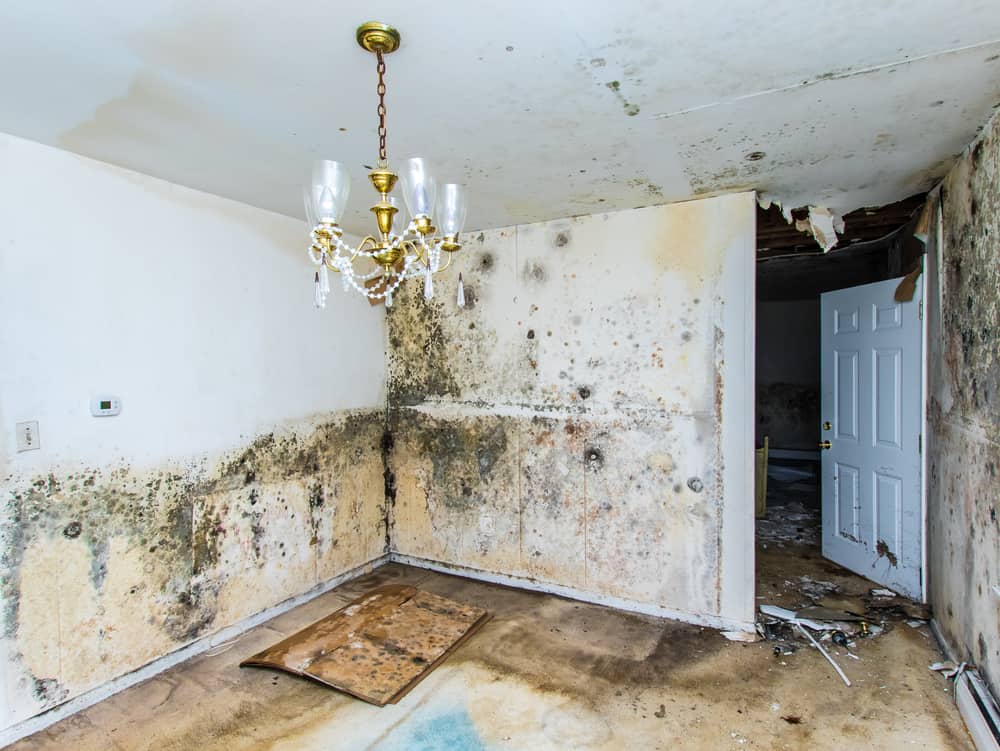
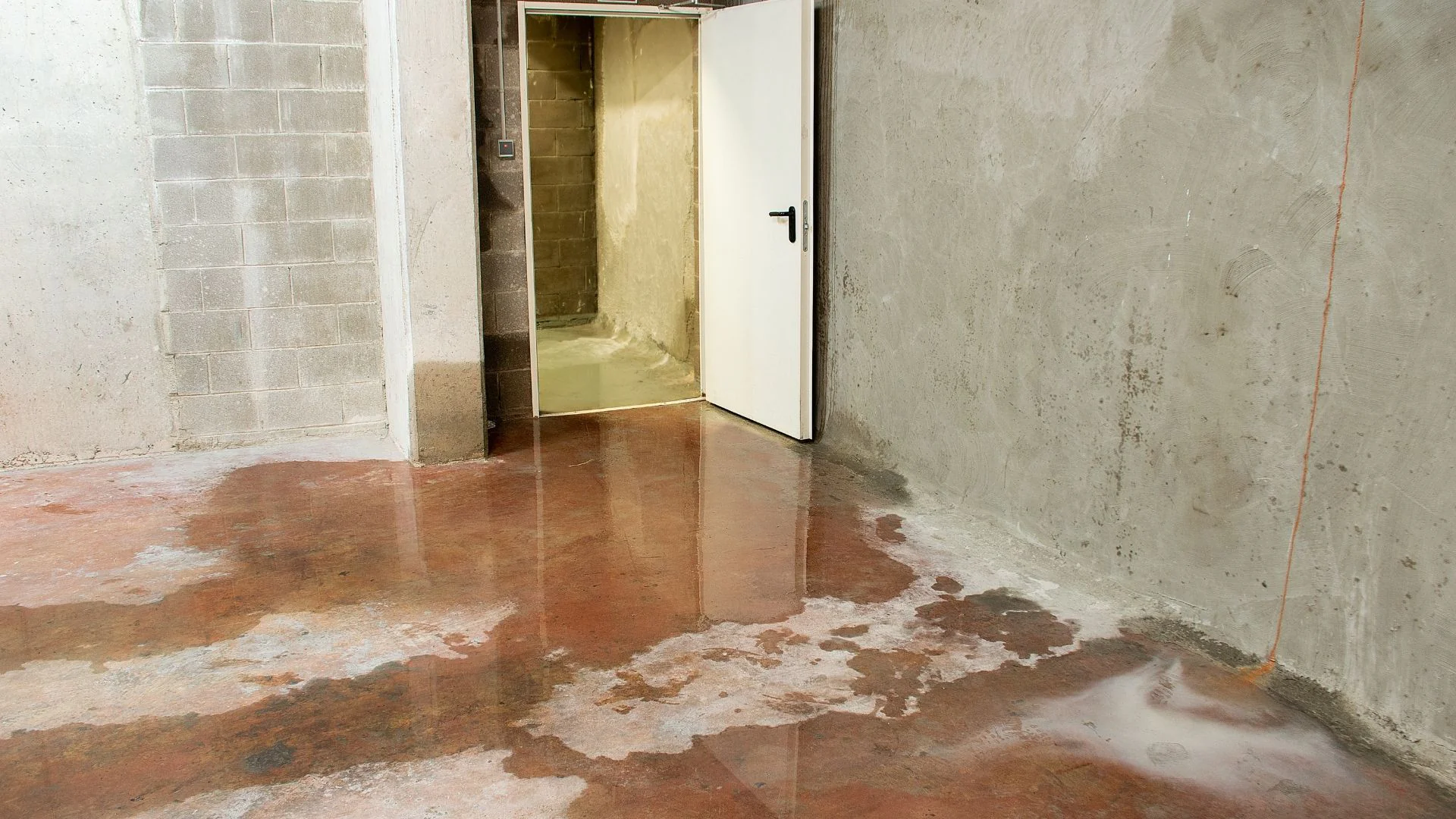
But here’s what catches most homeowners off guard: the pipe is usually the smallest part of your total cost. The water that pipe released before you could shut it offthat’s where the real money goes. A half-inch crack can dump 250 gallons per hour into your home. Even if you caught it within an hour, that’s hundreds of gallons soaking into flooring, drywall, insulation, and structural materials.
When you factor in water damage restoration, total costs in Nassau County typically range from $5,000 to $25,000 depending on how much water spread, how quickly professionals started extraction, and whether you’re dealing with a finished basement or multiple floors. The difference between a $5,000 job and a $25,000 disaster often comes down to response time and whether hidden moisture gets addressed before mold takes hold.
Emergency Water Damage Repair Response Time Changes Your Bill
Every hour water sits in your Nassau County home, it’s traveling. Not just across surfaces you can see, but into wall cavities, under flooring, behind baseboards, and into insulation. Water follows gravity and finds every crack, seam, and porous material in its path.
Professional emergency water damage repair starts with industrial extraction equipment that pulls thousands of gallons quicklynot the shop vac approach that leaves moisture behind. That difference matters because the water you can see on your floor is only part of the problem. The water you can’t see, trapped in places only moisture meters and infrared imaging can detect, is what turns a manageable repair into a mold remediation project three months later.
Nassau County’s housing stock makes this even more critical. Many homes in Levittown, Massapequa, and Hempstead were built in the 1950s through 1970s with construction methods that create hidden spaces where water pools. Older homes often have unique architectural featuresfinished basements with drop ceilings, additions built onto original structures, crawl spaces that weren’t designed with modern moisture barriers. These aren’t just cosmetic details. They’re places where water hides and does expensive damage while you think everything’s drying out fine.
The 24 to 48-hour window is real. That’s how long you have before conditions become ideal for mold growth. Once mold establishes itself, you’re no longer dealing with water damage restoration. You’re dealing with mold remediation, which adds $10,000 to $25,000 to your bill depending on how far it’s spread. We understand this timeline. We don’t just remove visible waterwe map moisture levels throughout affected areas, set up dehumidifiers in strategic locations, and monitor drying progress with actual data, not guesswork.
Response time directly affects your final cost because every hour of delay means water penetrating deeper, affecting more materials, and increasing the scope of repairs needed. A burst pipe handled within 60 to 90 minutes with professional extraction might cost $5,000 total. The same burst pipe left for 12 hours while you try to handle it yourself or wait for a contractor who can’t come until tomorrow? That can easily hit $15,000 or more once you’re replacing subfloors, cutting out drywall, and dealing with the mold that started growing in hidden spaces you didn’t even know were wet.
Emergency Water Clean Up Equipment Makes a Difference
You might be tempted to rent a wet vac from the hardware store and handle emergency water clean up yourself. That approach fails for reasons that aren’t obvious until the damage shows up weeks later.
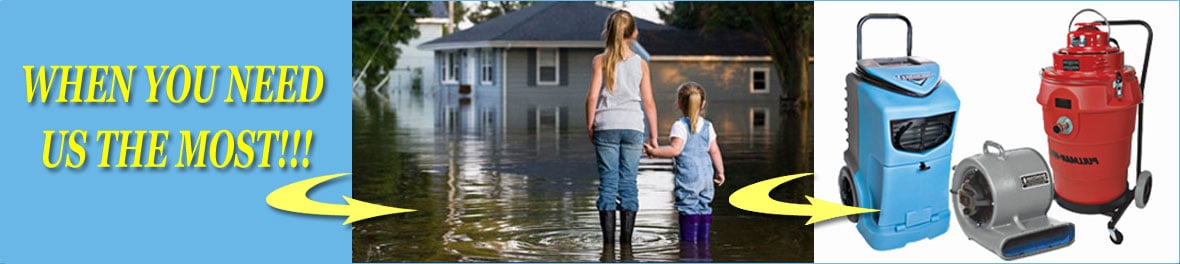
Industrial water extraction equipment moves thousands of gallons per hour. These aren’t consumer-grade machinesthey’re truck-mounted systems or commercial extractors that create enough suction to pull water from carpet padding, subfloors, and other materials that hold moisture. A hardware store wet vac might get surface water, but it leaves behind the moisture that causes your real problems.
We also use equipment most homeowners don’t even know exists. Moisture meters that read water content inside walls without cutting them open. Infrared cameras that show exactly where water traveled, even in places you can’t see. Industrial dehumidifiers that actually change the humidity level in a space, not just move air around like a box fan.
This matters in Nassau County specifically because of how homes are built here. Finished basements are common. So are additions, converted attics, and renovated spaces where water can travel through walls into areas that aren’t obvious. Without professional detection equipment, you’re guessing about whether your walls are actually dry. That guess could cost you thousands when mold shows up three months later in a wall cavity you thought was fine.
The drying process isn’t passive either. We don’t just set up equipment and leave. We monitor moisture levels daily, adjust equipment placement as areas dry, and use data to determine when a space is actually safe, not just when it looks dry. Wood framing can hold moisture long after surfaces appear normal. Insulation can stay damp for weeks if it’s not properly dried or replaced. These aren’t details you can eyeballthey require measurement and experience to get right.
When you’re comparing the cost of professional emergency water clean up to doing it yourself, you’re not just comparing equipment rental fees to a professional bill. You’re comparing a complete, measured approach that prevents future problems to a surface-level cleanup that leaves moisture behind. The professional approach costs more upfront. The DIY approach often costs more overall once you’re dealing with the consequences months later.
What Affects Burst Pipe Repair Costs in Nassau County
Several factors determine whether you’re looking at a $2,000 repair or a $20,000 restoration project. Understanding these helps you make sense of estimates and know what questions to ask when you’re getting quotes.
Pipe location matters more than almost anything else. A pipe that bursts under your kitchen sink where it’s accessible and surrounded by tile or linoleum is straightforward. A pipe that bursts inside a finished basement wall, under a concrete slab, or in a second-floor bathroom that leaks down into the ceiling belowthose scenarios multiply costs because accessing the pipe means cutting through finished materials you’ll need to repair or replace.
The type of pipe affects both repair costs and how much damage occurs. Older Nassau County homes often have galvanized steel or cast iron pipes that were standard before 1975. These materials corrode from the inside out, and when they fail, they tend to fail completely rather than developing small leaks. Copper pipes cost more per foot to replace but generally give you warning signs before catastrophic failure. PEX and PVC are cheaper and easier to work with, but you’ll find them mainly in newer construction or homes that have had plumbing updates.
How Much Water Damage Happened Before You Stopped It
The volume of water released and how long it ran before you shut off the main valve directly impacts your restoration costs. A small crack that you caught within minutes might only affect the immediate area. A complete rupture that ran for hours while you were at work can flood multiple rooms or even multiple floors.
Water doesn’t respect room boundaries. It travels through floor joists into rooms below. It wicks up drywall from the bottom. It spreads horizontally under flooring and into adjacent spaces. A burst pipe in a second-floor bathroom can cause damage in that bathroom, the ceiling of the room below, and inside the walls connecting both floors.
The materials affected determine a significant portion of your final bill. Water on tile or concrete is relatively easy to extract and dry. Water that soaks into hardwood flooring, carpet, drywall, or insulation means you’re likely replacing those materials rather than drying them. Hardwood floor replacement runs $2 to $20 per square foot depending on the type of wood and whether your floors are salvageable or need complete replacement. Drywall replacement costs $2 to $6 per square foot including removal of damaged material. Insulation replacement adds $1 to $4.50 per square foot.
These aren’t just construction coststhey’re the price of fixing what water damaged while you were trying to stop the leak or waiting for help to arrive. This is why professional emergency response matters. The faster water stops spreading and extraction begins, the fewer materials end up damaged beyond repair. A burst pipe that gets professional attention within an hour might only require drying and minor repairs. The same burst pipe left for half a day could mean replacing flooring, cutting out drywall, and removing insulation throughout multiple rooms.
Nassau County’s climate adds another factor. Winter burst pipes often happen when temperatures drop below 20 degrees, which means your heat is running constantly trying to keep up. If the burst pipe is in your basement or crawl space, that’s often the coldest area of your homethe place where heat doesn’t reach as effectively and where frozen pipes are most likely to occur. These areas also tend to have finished spaces, stored belongings, and mechanical systems that all become expensive problems when water reaches them.
What Your Insurance Covers and What You Pay Out of Pocket
Most homeowners insurance policies in Nassau County cover burst pipe water damage if the incident qualifies as “sudden and accidental.” That language matters because it’s the difference between a covered claim and a denied one.
Covered scenarios typically include pipes that burst due to freezing temperatures when you maintained reasonable heat in your home, pipes that fail due to a sudden pressure surge, or pipes that rupture unexpectedly due to a hidden defect. Your insurance generally pays for water damage to your home’s structure, your belongings, and even temporary housing if the damage is severe enough that you can’t stay in your home during repairs.
What insurance usually doesn’t cover is the pipe itself. Your policy will pay to repair the water-damaged drywall, replace the soaked carpet, and restore your home to its pre-loss condition. But the actual cost to fix or replace the burst pipe typically comes out of your pocket. That’s why the pipe repair might cost $500 to $2,000 while your insurance claim is for $15,000the claim covers everything the water damaged, not the plumbing repair.
Insurance also won’t cover damage that results from negligence or lack of maintenance. If you turned off your heat while on winter vacation and pipes froze, that’s considered negligence and your claim will likely be denied. If you ignored a slow leak for months and the pipe finally burst, that’s a maintenance issue, not a sudden accident. If you left your home vacant without properly winterizing the plumbing, you probably won’t have coverage.
The “reasonable precautions” standard matters in Nassau County because winter here is harsh. Insurance companies expect you to maintain heat in your home, insulate exposed pipes in unheated areas, and address known plumbing problems before they become emergencies. If you took those basic steps and a pipe still burst, you’ll generally have coverage. If you didn’t, you might be paying the full bill yourself.
Direct insurance billing can significantly reduce your out-of-pocket expenses and hassle. We work directly with insurance providers to handle the claims paperwork, provide documentation and photos the insurance company needs, and often get paid directly rather than requiring you to pay upfront and wait for reimbursement. This matters when you’re facing a $10,000 to $20,000 restoration billyou’re not fronting that money and hoping your claim gets approved weeks later.
Understanding your coverage before you need it helps you make better decisions during an emergency. Review your policy to see what’s actually covered, what your deductible is, and whether you have any endorsements or riders that affect water damage claims. Some policies require you to maintain a minimum temperature in your home even when vacant. Others have specific requirements for how quickly you must report a claim. Knowing these details ahead of time prevents surprises when you’re already dealing with a stressful situation.
Getting Professional Help for Burst Pipe Emergencies
Burst pipe costs in Nassau County vary widely, but the pattern is consistent: fast professional response reduces your total bill, while delays and DIY attempts often make things worse. The pipe repair itself is usually manageable$400 to $2,000 in most cases. The water damage that pipe caused is where costs escalate, especially if moisture gets into hidden spaces and creates mold problems down the road.
Your best financial protection is speed. Professional emergency water damage repair within the first few hours means industrial extraction equipment, proper moisture detection, and systematic drying that prevents the expensive problems that show up weeks or months later. It also means documentation and direct insurance billing that keeps your out-of-pocket costs down and gets your claim processed correctly the first time.
When you’re dealing with a burst pipe emergency in Nassau County, we provide the complete response you needfrom immediate water extraction through final restoration, with the experience and equipment to handle it right the first time.
Article details:
- Published by:
- First Response Restoration
- Published to:
- Last modified:
- July 27, 2026
Share:
Continue learning: