

Hear from Our Customers
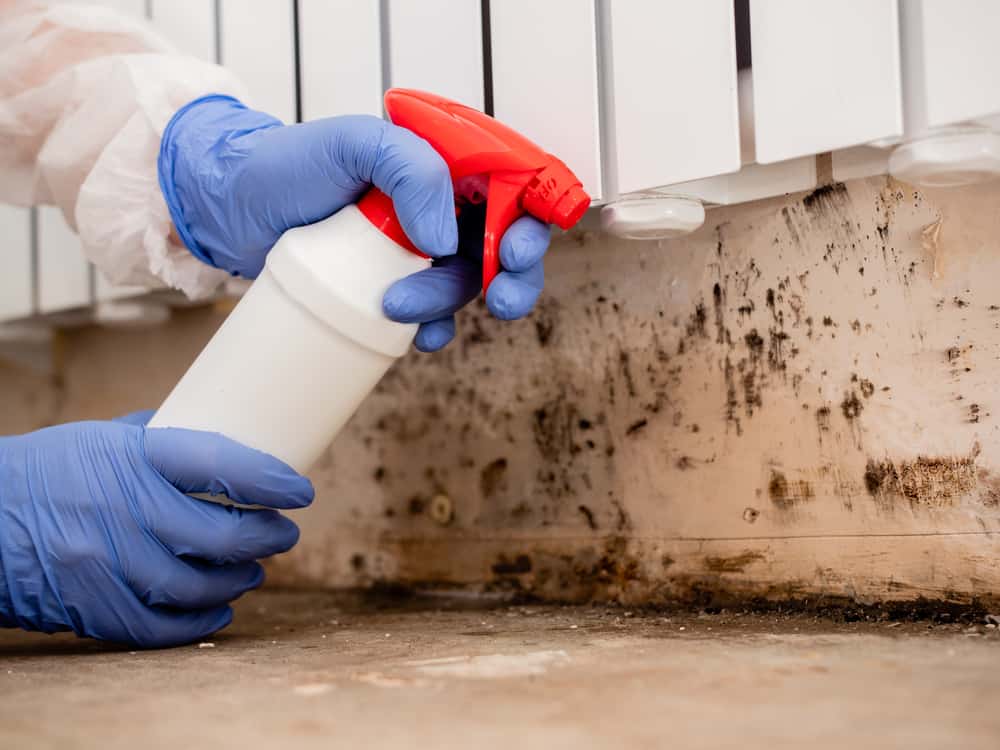
Most homeowners in Stony Brook don’t discover mold during a visual walkthrough. They discover it when someone in the house starts dealing with persistent sinus issues, unexplained respiratory symptoms, or a smell that no amount of cleaning resolves. By the time it’s visible, it’s usually been growing for a while.
A professional mold inspection gives you the full picture — not just what’s on the surface. With accredited lab analysis, infrared thermal imaging, and moisture mapping, you find out exactly where the problem is, what’s causing it, and how serious it is. That matters a lot when you’re dealing with a 1960s colonial, a historic home near the village center, or a waterfront property along Stony Brook Harbor where salt air and ambient humidity never really let up.
It also matters financially. With median home values in Stony Brook approaching $730,000, an undetected mold problem doesn’t just affect your health — it affects your equity. Buyers walk. Deals fall through. Property values drop. A documented, lab-verified inspection report protects your investment whether you’re buying, selling, or simply trying to understand what’s happening inside your home.
We’ve been serving Suffolk County homeowners for over three decades. That’s not a number we throw around lightly — it means we’ve worked through nor’easters, post-storm flooding, burst pipes in January, and the kind of slow moisture damage that builds up in homes along the North Shore for years without anyone noticing.
We hold active New York State licenses for both mold assessment and mold remediation — issued by the NY Department of Labor, verifiable by you before you ever pick up the phone. Every technician on our team carries IICRC certification. Not just the owner. Everyone who enters your home.
We’re based in Suffolk County and operate a dedicated 631 line for exactly this part of Long Island. Stony Brook isn’t a territory we cover — it’s a community we know. From the aging housing stock south of Route 25A to the harbor-facing properties in the northern sections of the hamlet, we understand what drives mold risk here and how to find it.
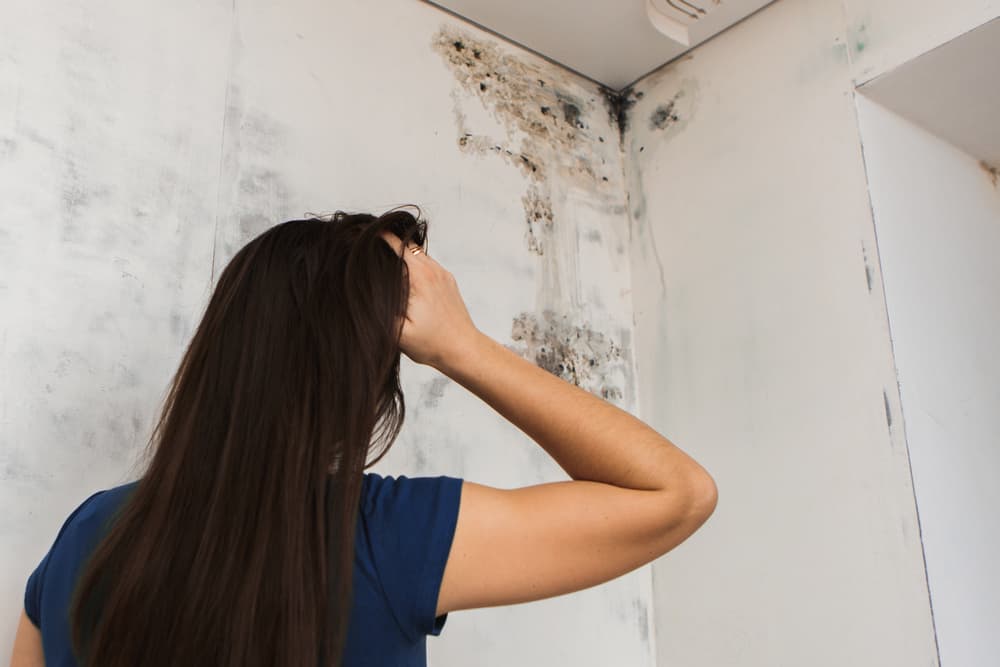
The inspection starts with a full walkthrough — not a glance around the basement and a handshake. We’re looking at every space where moisture can accumulate: attics with aging ventilation, crawl spaces, basements, and the wall cavities that older Stony Brook homes are full of. We use infrared thermal imaging to detect temperature and moisture differentials behind surfaces that look completely fine to the naked eye.
From there, we collect air samples and surface swabs depending on what we find. Air testing measures the concentration of mold spores in your indoor environment and compares them against an outdoor control sample — that comparison tells us whether what’s inside your home is meaningfully elevated. Surface swabs identify the specific mold species present when we find visible growth or suspect a particular source.
Every sample goes to a certified, accredited laboratory. When results come back, we compile a comprehensive written report: what was found, where, at what levels, what’s causing it, and what needs to happen next. In New York State, mold assessors are required by law to be licensed through the NY Department of Labor — and any remediation work that follows must be handled by a separately licensed remediator. We hold both licenses, which means the process doesn’t have to stop at the report. If you need remediation and reconstruction after, we can handle that too, under the same licensed team.
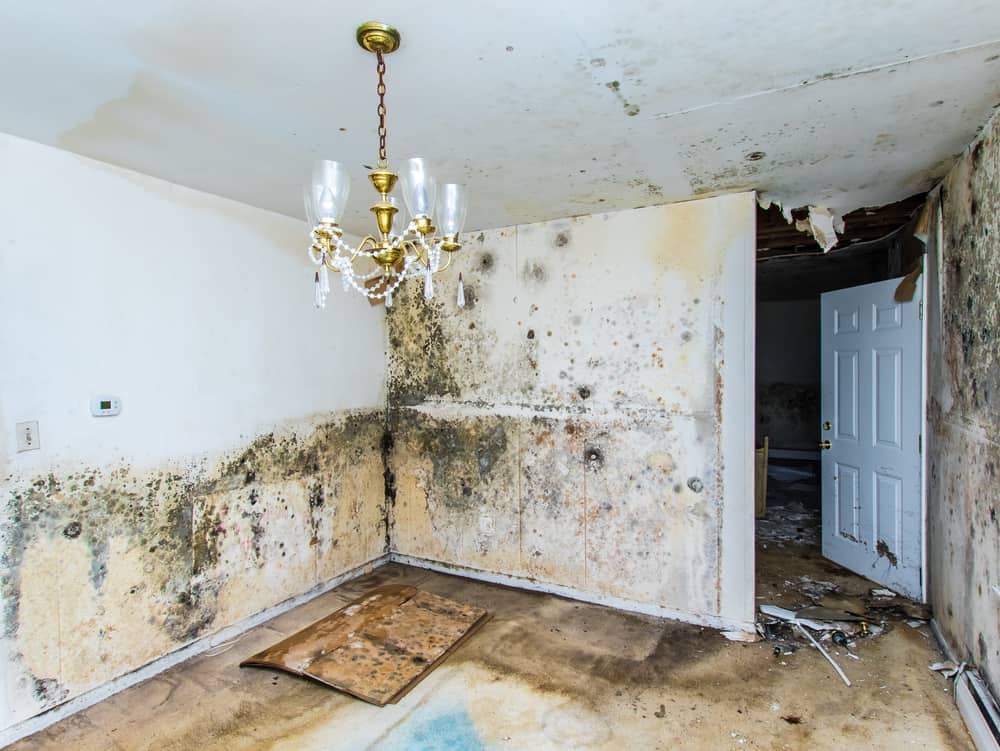
Ready to get started?
Our mold inspection in Stony Brook, NY covers five documented areas: air testing, surface swab sampling, water intrusion inspection, moisture level measurement, and photographic documentation of all mold sources identified. That’s the baseline. On top of that, every inspection includes infrared thermal imaging, an internal-versus-external mold particle comparison, a full damage assessment, and a written report that summarizes lab results and recommended next steps in plain language.
This matters in a community like Stony Brook where the housing stock is genuinely complex. Homes built in the 1960s — which represent the median construction era here — often have inadequate vapor barriers, aging plumbing systems prone to slow leaks, and attic ventilation that wasn’t designed to handle Long Island’s coastal humidity. Older properties near the Ward Melville Village Center or along the harbor carry additional risk from historic building materials that absorb and hold moisture differently than modern construction.
For landlords renting to university staff, medical residents, or graduate students near Stony Brook University, the inspection report also provides the kind of documented evidence needed to address habitability concerns and protect against liability. Whether it’s a single-family home, a rental property, or a pre-purchase inspection before closing on a home in the Three Village area, the scope doesn’t change. You get the full picture every time.
Most professional mold inspections in the Stony Brook area run between $300 and $700 for a residential property, depending on the size of the home and the scope of testing needed. That range typically includes the inspection itself, air and surface sampling, and laboratory analysis. Some companies charge separately for lab fees — so it’s worth asking upfront what’s included before you book.
For Stony Brook homeowners, the more relevant number to think about is what an undetected mold problem actually costs. On a home with a median sold price near $730,000, a mold finding that surfaces during a buyer’s inspection can kill a deal outright or trigger a significant price reduction. Catching it before that point — with a documented, lab-verified report — is almost always the better financial decision. The inspection cost is a fraction of what it costs to lose a sale or fund emergency remediation after the fact.
The signs people notice first are usually not visual. A persistent musty odor — especially in the basement, attic, or a room that faces the harbor side of the property — is often the first indicator. Unexplained allergy-like symptoms that get worse indoors and improve when you leave the house are another common signal. Staining on ceilings or walls that looks like water damage, even if the leak was repaired months ago, is worth taking seriously.
In Stony Brook’s older housing stock, the most common hidden mold locations are attic sheathing (particularly after ice dam damage from nor’easters), basement walls and floor joists near the foundation, and wall cavities adjacent to older plumbing lines. Homes built before 1980 in this area often lack the vapor barriers and insulation that would prevent the moisture accumulation that leads to mold. If your home was built in the 1960s or earlier and you’ve never had a professional inspection, there’s a reasonable chance something is growing somewhere you can’t see it.
Yes, and under New York State law, they’re actually required to be separate. A mold assessor — licensed by the NY Department of Labor — conducts the inspection and produces the assessment report. A mold remediator — also separately licensed — carries out the actual cleanup work. The law was structured this way intentionally, to prevent a single company from both diagnosing the problem and prescribing its own solution without any independent check.
That said, there’s nothing stopping one company from holding both licenses, which is what we do. What the law prohibits is the same individual performing both the assessment and the remediation on the same project. In practice, this means you get the objectivity of a licensed assessment and the convenience of a single company that can take the project from inspection through remediation and reconstruction if needed — without having to coordinate multiple contractors during an already stressful situation.
It can, and it does — more often than most homeowners realize. When a nor’easter hits the North Shore, the combination of heavy snowfall and temperature fluctuations creates ideal conditions for ice dams to form along roof edges. When those dams trap meltwater, it backs up under the shingles and into the roof sheathing and attic insulation. That moisture doesn’t always announce itself with a visible ceiling stain. Sometimes it just sits there, in the dark, at the right temperature and humidity level, and mold starts within 24 to 48 hours.
Attic mold in Stony Brook is particularly common in homes with older ventilation systems that weren’t designed to handle the moisture loads that come with coastal winters. If your home took on any roof damage or ice dam activity in the last few years and you haven’t had the attic inspected, that’s a gap worth closing. Infrared thermal imaging during an inspection can identify moisture in the sheathing before it becomes a structural problem — which is significantly cheaper to address early than after the damage has spread.
A standard home inspection doesn’t include mold testing. The inspector might note visible staining or flag moisture concerns, but they won’t collect air samples, run lab analysis, or give you a documented report on mold species and spore counts. If you’re purchasing a home in the Stony Brook area — especially an older property or one that’s been used as a rental near the university — a dedicated mold inspection before closing is worth the investment.
Rental properties near Stony Brook University tend to be older, more densely occupied, and subject to deferred maintenance. That combination — age, use intensity, and delayed repairs — creates elevated mold risk compared to owner-occupied homes that have been consistently maintained. If you’re buying a property that’s been rented out, or one that’s been sitting vacant, those are both scenarios where a professional mold inspection in Stony Brook, NY gives you information that a general home inspection simply won’t capture. Knowing what you’re walking into before you close protects both your health and your investment.
New York State has required mold assessors and mold remediators to hold active licenses from the NY Department of Labor since January 1, 2016. The license database is public — you can search it yourself at the NY DOL website before you hire anyone. What you’re looking for is a current, active mold assessor license for the person or company conducting your inspection. If they can’t provide a license number or their name doesn’t appear in the state database, that’s a problem.
This matters more in a market like Stony Brook than homeowners sometimes expect. Because the area has a high volume of real estate activity and a significant rental housing market near the university, there’s no shortage of companies offering mold-related services — not all of them licensed. An unlicensed inspection report carries no legal weight in a real estate transaction and won’t hold up with an insurance adjuster. We hold active NY State licenses for both mold assessment and mold remediation, and every technician on our team carries IICRC certification. Verify it before you book — with us or with anyone else.
Useful Links
Other Services we provide in Stony Brook
After your inspection is complete, the natural next step is professional mold removal in Stony Brook, NY — handled by the same licensed, locally-owned team.