
Mold Removal in Stony Brook, NY
Coastal Humidity Meets 1960s Construction Mold Wins Fast in Stony Brook
Hear from Our Customers
Residential Mold Removal in Stony Brook, NY
The smell disappears first. Then the worry. You stop second-guessing whether that musty corner in the basement is something serious, and you stop wondering what your family has been breathing in. That’s what professional mold removal in Stony Brook, NY actually delivers not just a cleaned surface, but a documented result you can stand behind.
Stony Brook’s housing stock tells a specific story. The median construction year here is around 1966, and a meaningful portion of homes near the Village Center predate World War II. These older homes weren’t built with modern moisture management in mind their attics ventilate poorly, their basements condense easily, and their wall cavities can harbor slow leaks for years before anyone notices. When you factor in the persistent humidity rolling off Stony Brook Harbor and Long Island Sound, you’re looking at conditions that give mold a significant head start.
Getting ahead of it means your home stops losing air quality, your property value stays protected important in a market where median home values sit between $600,000 and $849,000 and you’re not handing the next buyer’s inspector a reason to walk away. For families with children, anyone with respiratory conditions, or homeowners simply done with recurring musty odors, the outcome of proper remediation is straightforward: you get your home back.
Licensed Mold Removal Company in Stony Brook, NY
We’ve been serving Suffolk County homeowners since the early 1990s. That’s three decades of working through nor’easters, coastal flooding events, and the slow-build moisture problems that come with living on the North Shore long before most of the companies you’ll find in a Google search today even existed.
We’re IICRC-certified under the ANSI/IICRC S520 Standard for Professional Mold Remediation and fully licensed under New York State’s Article 32 mold remediation requirements which have been mandatory since 2016. We’re also bonded and insured. These aren’t marketing claims; they’re verifiable credentials that any homeowner in Stony Brook should ask to see before letting anyone start work.
From properties near West Meadow Beach with direct coastal exposure to older colonials a few blocks from the Village Center duck pond, we’ve worked in the kinds of homes that exist here in Stony Brook. We know what conditions drive mold in this community, and we know how to fix it correctly the first time.
Mold Remediation Process in Stony Brook, NY
It starts with a thorough inspection. We use moisture sensors, particle counters, and air quality testing to find mold where it actually lives not just where it’s visible. In Stony Brook’s older homes, that often means checking inside wall cavities, under flooring, in attic insulation, and in crawl spaces where vapor barriers have failed or were never installed properly. If there’s a musty smell and you can’t find the source, there’s a reason: mold in this area tends to hide.
Once we’ve identified the scope, we contain the affected area using negative air pressure and HEPA filtration to prevent spores from spreading to clean parts of your home during removal. Physical removal of contaminated materials follows not surface spraying, not bleach, not anything that leaves the root structure intact. Under New York State’s Article 32 requirements, we’re also required to provide you with a written estimate before any work begins, so you know exactly what you’re agreeing to.
After remediation, a licensed, independent mold assessor separate from our company, as required by NY State law performs clearance testing to confirm the job is complete. You receive documentation showing that spore levels have returned to safe, ambient levels. For homeowners in Stony Brook preparing to sell, or anyone who simply wants proof the problem is resolved, that clearance report matters.
Ready to get started?
Mold Removal Services in Stony Brook, NY
Basement mold removal is one of the most common calls we get from Stony Brook homeowners and it makes sense. Older foundations, high groundwater near the harbor, and seasonal flooding from nor’easters create the exact conditions that turn a basement into a mold environment. We handle the full scope: water extraction if needed, structural drying, remediation, and restoration so you’re not left coordinating three separate contractors.
Attic mold removal is the other major category here. In Stony Brook’s colder months, warm interior air rises into poorly ventilated attic spaces and condenses on cold roof decking a textbook setup for attic mold growth that goes undetected until it’s significant. We also handle crawl space mold removal, bathroom mold, and toxic black mold cleanup throughout the hamlet and surrounding areas including East Setauket and Setauket.
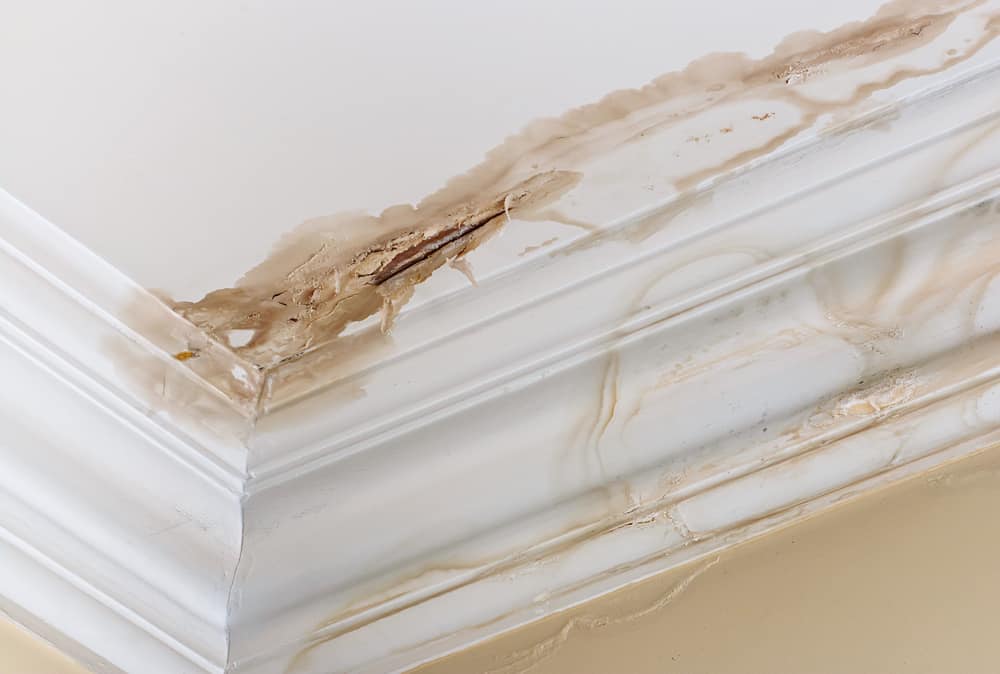
For homeowners dealing with water damage and mold simultaneously which is common after a coastal storm event we handle both under one engagement. We also work directly with insurance carriers, which matters in a county that declared a state of emergency following the 2024 historic flooding event that generated over 1,000 property damage reports across Suffolk County. We offer commercial mold removal as well, including properties near Stony Brook University and surrounding research and medical facilities. One call covers the full scope, start to finish.
Is mold removal in Stony Brook, NY covered by homeowners insurance?
It depends on the cause of the mold, not the mold itself. Most homeowners insurance policies in New York will cover mold remediation when it results from a covered peril a burst pipe, storm-related water intrusion, or sudden flooding from a nor’easter. What they typically won’t cover is mold that developed gradually due to neglected maintenance, long-term humidity, or a slow leak that went unaddressed.
In Stony Brook, where coastal storm exposure is a real and recurring factor, many mold claims do have a valid originating event that qualifies for coverage. The key is documentation. We work directly with insurance carriers to document the damage properly from the start scope, photos, moisture readings, and cause of loss so your claim has the best possible foundation. If you’re unsure whether your situation qualifies, that’s exactly the kind of question we can help you sort through before work begins.
How much does mold removal cost in Stony Brook, NY?
Most residential mold remediation jobs in Stony Brook fall somewhere between $1,200 and $6,000, depending on where the mold is, how far it’s spread, and what materials need to be removed or replaced. Basement mold removal tends to run $1,500 to $6,000 for significant cases. Attic mold removal typically lands between $1,000 and $4,000. Smaller bathroom or isolated surface jobs can come in under $1,500.
The number that matters most isn’t the remediation cost it’s the cost of not addressing it. In a market where Stony Brook homes are valued between $600,000 and $849,000, mold discovered during a pre-sale inspection can kill a deal or force a price reduction that far exceeds what remediation would have cost. We provide written estimates before any work begins that’s actually required under New York State law and what we quote is what you pay. No scope creep, no surprise line items after the job is done.
What makes mold so common in older Stony Brook homes specifically?
A few things converge here that don’t line up the same way in other parts of Long Island. The housing stock is older the median construction year in Stony Brook is around 1966, with a meaningful portion of homes near the Village Center dating back to the 1940s or earlier. Those homes were built before modern moisture management standards existed. Attic ventilation was often inadequate. Basement waterproofing was basic. Plumbing joints that have been in place for 50 or 60 years develop slow leaks inside wall cavities that nobody sees until the mold is already established.
Layer on top of that the geographic reality: Stony Brook Harbor is a tidal inlet of Long Island Sound that creates a persistently humid microclimate, especially in the northern and western parts of the hamlet near West Meadow Beach. Average relative humidity peaks around 77% in late spring and early summer well above the 60% threshold where mold growth accelerates on porous surfaces. The combination of aging infrastructure and coastal humidity is what makes mold removal in Stony Brook, NY such a consistent need, not a rare one.
Does mold always look like black spots, or can it be hiding somewhere I can't see?
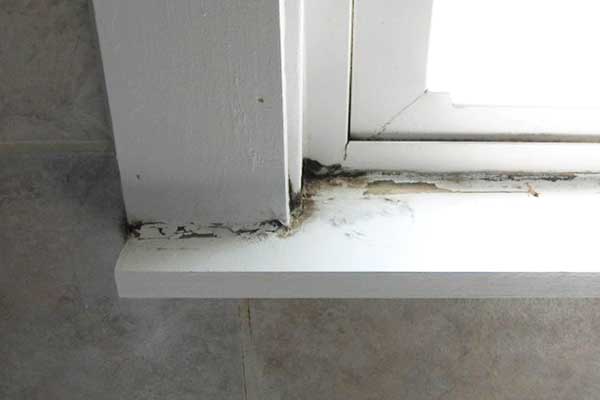
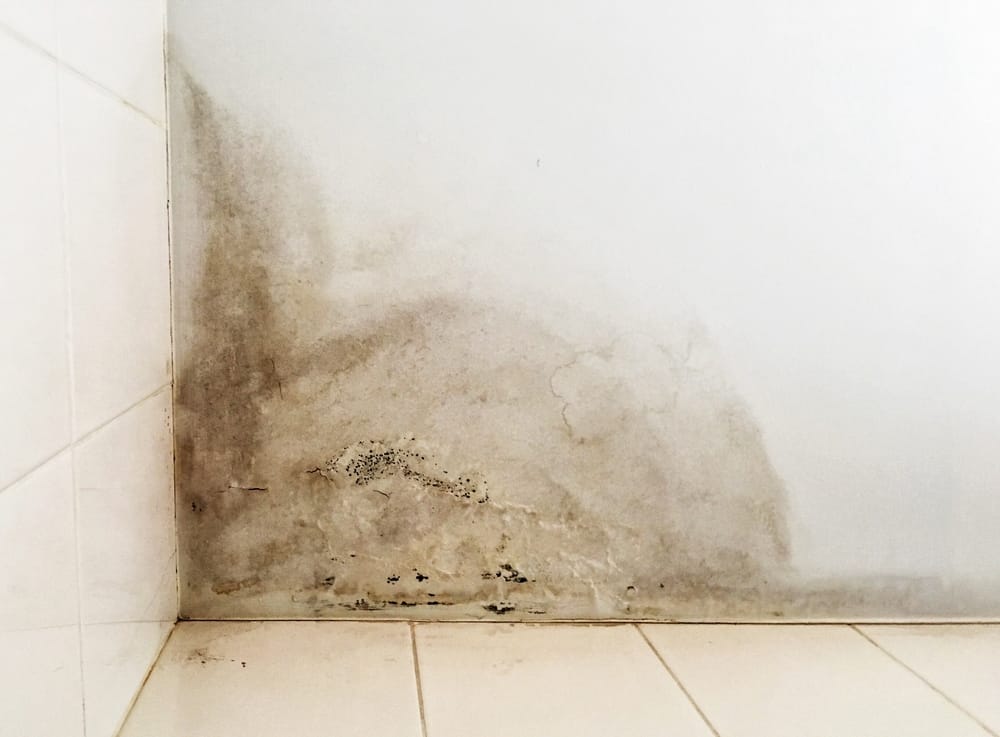
Visible black spots are one presentation, but they’re far from the only one. Mold comes in white, green, gray, and brown varieties, and it frequently grows in places you’d never think to look inside wall cavities behind drywall, under flooring, in attic insulation, inside HVAC ductwork, and in crawl spaces. In many cases, the first sign isn’t visual at all. It’s a persistent musty odor that you can’t locate, or allergy-like symptoms in family members that don’t go away when you leave the house.
In Stony Brook’s older homes, hidden mold behind walls is especially common because slow plumbing leaks and roof penetration leaks can saturate interior framing for months before the surface shows any sign. We use moisture sensors and air quality testing not just visual inspection to find mold where it actually is. If something feels off in your home and you can’t identify the source, that’s worth a proper inspection rather than waiting for it to become visible.
How long does professional mold remediation take from start to finish?
For most residential jobs, the active remediation work takes one to three days. Larger projects significant attic mold, basement flooding with extensive water damage, or mold that has spread through multiple areas can take longer, sometimes up to a week or more depending on the scope and how much structural material needs to be removed and replaced.
What extends the overall timeline is the post-remediation clearance process. Under New York State’s Article 32 requirements, an independent licensed mold assessor separate from the company that performed the remediation must conduct clearance testing before the project is officially closed. That testing and the resulting report typically add a few days to the overall timeline. It’s a step that protects you, not one that slows things down arbitrarily. We coordinate that process on your behalf so you’re not tracking down a separate assessor while also managing everything else in your schedule.
Can I just clean the mold myself with bleach and skip professional mold removal in Stony Brook, NY?
Bleach works on non-porous surfaces tile, glass, sealed concrete. On porous materials like drywall, wood framing, insulation, and subflooring, it doesn’t penetrate deep enough to kill the root structure. The surface looks clean, the mold comes back within weeks, and the underlying problem is exactly where it was. Most homeowners who call us after a DIY attempt aren’t starting from scratch they’re dealing with a problem that’s had more time to spread.
There’s also a regulatory piece that matters in New York. Any paid mold remediation work in Stony Brook must be performed by a contractor licensed under Article 32 of the NY Labor Law. That requirement exists to protect homeowners from unlicensed operators who cut corners and it means that if you eventually hire someone, the work needs to be done to a documented standard. For small, isolated surface mold on non-porous materials in a low-humidity area, DIY may be fine. But for anything in a basement, attic, crawl space, or inside a wall especially in a home with Stony Brook’s coastal humidity exposure and older construction professional remediation is the call that actually resolves it.
Useful Links
Other Services we provide in Stony Brook
Serving Stony Brook and the North Shore. Looking for mold removal near me? First Response covers all of Suffolk County.